

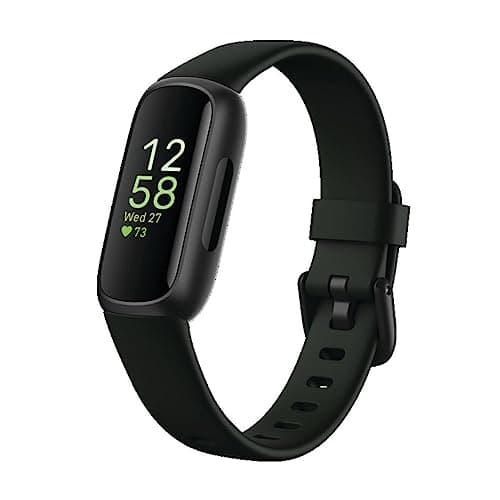
What is Sleep Tracking? A Complete 2026 Guide
Wondering how does sleep tracking work and whether the numbers on your watch actually mean anything? Sleep tracking uses sensors and software to estimate when you fall asleep, how long you sleep, and how often you wake up during the night. In this guide, you’ll learn the technology behind it, what it can and cannot tell you, and which sleep-tracking wearables are worth considering in 2026.
Related Reviews
How It Works
Sleep tracking is usually based on a combination of motion sensing, heart-rate monitoring, and sometimes blood oxygen measurements. Most devices use an accelerometer to detect movement patterns, then compare those patterns with heart-rate changes to estimate whether you’re awake, asleep, or moving between sleep stages.
Here’s the simple version of how does sleep tracking work: if your body is still, your heart rate drops, and your breathing becomes more regular, the device assumes you’re asleep. More advanced trackers also look for changes that may suggest light sleep, deep sleep, or REM sleep, then turn that data into a sleep score or sleep-stage breakdown in the app.
It’s important to understand that consumer sleep tracking is an estimate, not a medical-grade sleep study. The best devices are useful for spotting trends over time, such as whether you sleep better on days you exercise more, go to bed earlier, or use a sleep mode consistently.
The main sensors involved
- Accelerometer: Measures movement, tossing, turning, and stillness.
- Optical heart-rate sensor: Tracks pulse changes that often shift during sleep.
- SpO2 sensor: Some devices estimate blood oxygen levels overnight.
- Software algorithms: Combine sensor data to label sleep duration and stages.
What sleep tracking can identify
- When you likely fell asleep
- How long you slept
- How often you woke up
- Rough estimates of light, deep, and REM sleep
- Sleep consistency across nights
Key Benefits & Use Cases
Sleep tracking is most valuable when you want to understand your habits, not just your bedtime. Instead of guessing why you feel tired, you can review patterns and make small changes based on real data.
Why people use sleep tracking
- Improve sleep routines: See whether earlier bedtimes or fewer late-night distractions help.
- Track recovery: Athletes and active users often want to know whether they’re getting enough rest.
- Spot trends: Repeated short sleep, frequent wake-ups, or irregular schedules become easier to notice.
- Support wellness goals: Sleep data can be paired with stress, activity, and heart-rate trends.
- Build accountability: A daily sleep score can motivate better habits.
Common use cases
- People trying to sleep longer or more consistently
- Fitness users who want recovery insights
- Busy professionals tracking stress and rest balance
- Anyone comparing how caffeine, alcohol, or late workouts affect sleep
- Shoppers looking for a wearable with both health and sleep features
What to Look For When Buying
If you’re buying a sleep tracker, focus on the features that actually improve accuracy and usefulness. Here are the five most important criteria to compare.
1. Sensor quality
Look for a device with reliable heart-rate tracking and motion sensing. Better sensors usually produce more consistent sleep estimates and fewer false wake-ups.
2. Sleep-stage detail
Some trackers only show total sleep time, while others break sleep into light, deep, and REM stages. More detail can help you understand patterns, though it’s still an estimate.
3. Battery life
A sleep tracker only works if you can wear it overnight without constant charging. Longer battery life means less maintenance and more complete data.
4. Comfort and fit
If the band feels bulky or irritating, you may not wear it consistently. A lightweight, comfortable device is usually better for overnight use.
5. App quality and insights
The app matters as much as the hardware. Look for easy-to-read sleep scores, trend charts, and practical guidance rather than just raw numbers.
Top Recommended Products
Below are two research-based recommendations for shoppers who want sleep tracking in a wearable. These are not hands-on test results; they’re based on published specs, feature sets, owner feedback, and comparison data.
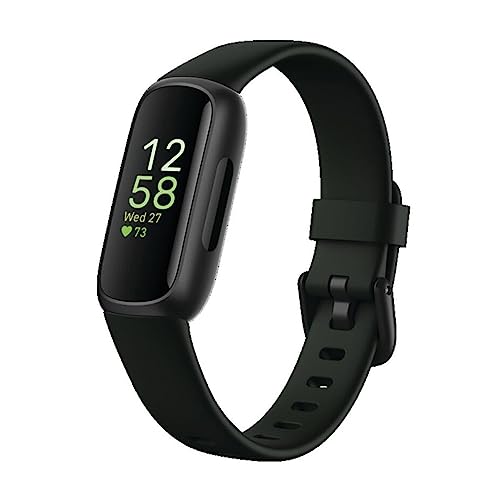
Fitbit Inspire 3 4.7★ (published review data varies by retailer)


34% OFF — Was $99.95 ✓ Prime Now $66.45
The Fitbit Inspire 3 is the most balanced option here if you want straightforward sleep tracking plus strong wellness features. Its automatic sleep tracking, daily Sleep Score, sleep mode, and 24/7 heart-rate monitoring make it especially appealing for people who want simple, actionable insights rather than a complicated smartwatch experience.
- ✓ Automatic sleep tracking with a daily Sleep Score
- ✓ 24/7 heart rate plus stress and wellness features
- ✓ Lightweight tracker format that’s easier to wear overnight
- ✓ Includes smart wake vibrating alarm and sleep mode
- ✓ Compatible with iPhone and Android
- ✗ Smaller screen than a full smartwatch
- ✗ Some advanced insights depend on app ecosystem features
- ✗ Not ideal if you want a large display for notifications
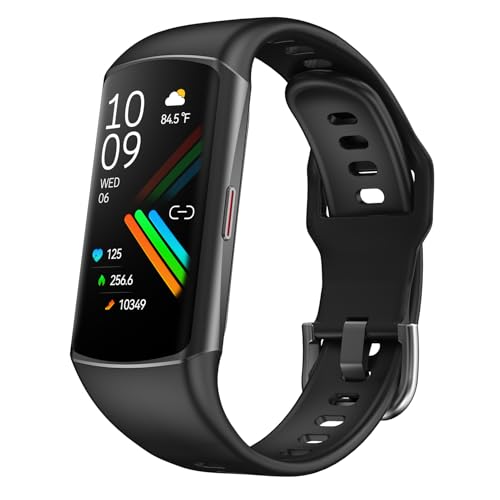
Smart Watch Fitness Tracker 4.4★ (published review data varies by retailer)


✓ Prime Now $89.99
The Smart Watch Fitness Tracker is a better fit if you want a larger screen and more all-in-one smartwatch features. It tracks sleep stages, wake times, heart rate, blood oxygen, and blood pressure, making it attractive for shoppers who want broader health monitoring alongside sleep data.
- ✓ Tracks sleep stages including light and deep sleep
- ✓ 24/7 heart rate, blood oxygen, and blood pressure monitoring
- ✓ Large 1.58-inch display with touch controls
- ✓ 120+ sports modes and all-day activity tracking
- ✓ Useful extra features like notifications, alarms, and weather
- ✗ Bulkier than a dedicated fitness band
- ✗ More features can mean a more complex setup
- ✗ Sleep insights may be less polished than premium ecosystem brands
Common Mistakes to Avoid
Sleep tracking is helpful, but it’s easy to misuse the data. Avoid these common mistakes so you get better results from your device.
1. Treating sleep stages as medical fact
Sleep-stage labels are educated estimates, not lab measurements. Use them as trends, not diagnoses.
2. Ignoring consistency
Wearing the device only once in a while makes the data less useful. Sleep tracking works best when you use it regularly.
3. Focusing only on one bad night
A single rough night can happen for many reasons. Look for patterns over weeks, not one-off results.
4. Wearing the tracker too loosely
If the sensor isn’t making steady contact with your skin, readings may be less reliable. Fit matters more than many buyers realize.
5. Forgetting the bigger picture
Sleep quality is influenced by stress, exercise, alcohol, caffeine, and schedule. A tracker is most helpful when you connect the data to your habits.
Frequently Asked Questions
How does sleep tracking work on a smartwatch?
Most smartwatches use motion sensors and heart-rate data to estimate when you fall asleep, how long you sleep, and whether you wake during the night. Some also estimate sleep stages like light, deep, and REM using software algorithms.
Is sleep tracking accurate?
It’s useful for trends, but it is not as accurate as a clinical sleep study. Accuracy is usually best for total sleep time and sleep/wake patterns, while sleep stages are more approximate.
Do I need a smartwatch for sleep tracking?
Not always. Many fitness bands and trackers can monitor sleep well enough for everyday use, and some are more comfortable to wear overnight than larger watches.
Can sleep tracking help me sleep better?
Yes, if you use the insights to change habits. Tracking can help you notice patterns like late caffeine, inconsistent bedtimes, or poor recovery after stressful days.
What features matter most in a sleep tracker?
Look for comfortable wear, good battery life, reliable heart-rate sensing, sleep-stage detail, and an app that turns data into clear guidance.
Pros
- + Automatic sleep tracking
- + Sleep score and stage insights
- + Comfortable band-style wear
- + 24/7 heart rate monitoring
- + Prime shipping available
- + Large display and extra health metrics
Cons
- – Sleep stages are estimates
- – Premium insights may require app features
- – Bulkier smartwatch option
- – More complex setup
- – Smaller screen on the Fitbit
Frequently asked questions
- How does sleep tracking work on a smartwatch?
- Most smartwatches use motion sensors and heart-rate data to estimate when you fall asleep, how long you sleep, and whether you wake during the night. Some also estimate sleep stages like light, deep, and REM using software algorithms.
- Is sleep tracking accurate?
- It’s useful for trends, but it is not as accurate as a clinical sleep study. Accuracy is usually best for total sleep time and sleep/wake patterns, while sleep stages are more approximate.
- Do I need a smartwatch for sleep tracking?
- Not always. Many fitness bands and trackers can monitor sleep well enough for everyday use, and some are more comfortable to wear overnight than larger watches.
- Can sleep tracking help me sleep better?
- Yes, if you use the insights to change habits. Tracking can help you notice patterns like late caffeine, inconsistent bedtimes, or poor recovery after stressful days.
- What features matter most in a sleep tracker?
- Look for comfortable wear, good battery life, reliable heart-rate sensing, sleep-stage detail, and an app that turns data into clear guidance.
Get the Full Tech Buyer's Guide
Join our free newsletter — we'll send our latest Tech picks, specs and verdicts straight to your inbox.
Free. No spam. Unsubscribe anytime.
Was this review helpful?
Be the first to share your feedback on this review.
Sign in to vote and let us know what you think.
Discussion (0)
No comments yet. Be the first to start the discussion.
Related Reviews
What is Smartwatch Radiation Safety? A Complete 2026 Guide
Smartwatch radiation safety is the question of whether wearing a smartwatch exposes you to harmful electromagnetic energy from Bluetooth, Wi‑Fi, GPS, or cellular signals. For most buyers, the real concern is not “radiation” in the dramatic sense, but how much radiofrequency energy a watch emits, how
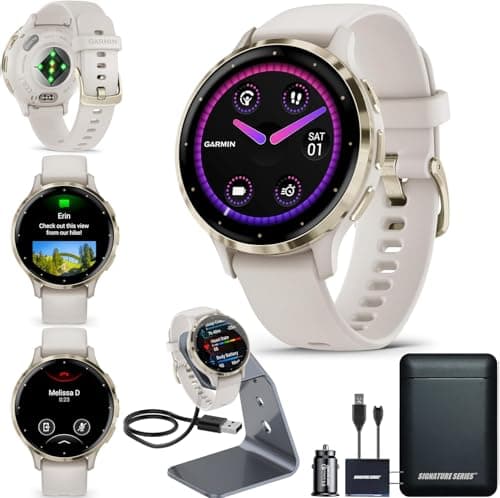
What is How to Extend Smartwatch Battery Life? A Complete 2026 Guide
Smartwatch battery drain can be frustrating when your watch dies before the day is over, especially if you rely on it for health tracking, notifications, or workouts. Learning how to extend smartwatch battery life helps you get more value from your device without constantly searching for a charger.
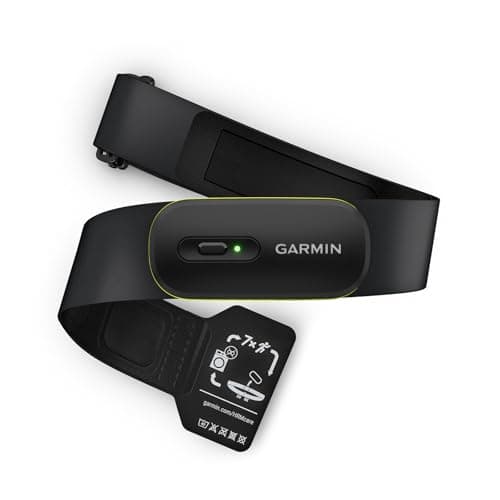
3 Best HRV Monitors in 2026 — Accurate Recovery Tracking Without Guesswork
If you’re trying to find the best HRV monitors , the hard part is separating true recovery-focused tools from basic heart-rate straps that only sound advanced. The right monitor should deliver reliable HRV data, work with your training platform, and fit comfortably enough that you’ll actually wear i