

Who this is for: Best for cautious buyers who want smartwatch convenience while minimizing wireless exposure concerns through simpler, longer-lasting models.
Check PriceWhat is Smartwatch Radiation Safety? A Complete 2026 Guide
Smartwatch radiation safety is the question of whether wearing a smartwatch exposes you to harmful electromagnetic energy from Bluetooth, Wi‑Fi, GPS, or cellular signals. For most buyers, the real concern is not “radiation” in the dramatic sense, but how much radiofrequency energy a watch emits, how often it transmits, and whether that exposure stays within accepted safety limits. This guide explains the technology in plain English, what actually matters for safety, and which smartwatches are worth considering if you want a lower-stress buying decision.
Related Reviews
Because this is a concern-driven topic, it helps to separate facts from fear: smartwatches do emit low-power wireless signals, but they are designed to operate under regulatory exposure limits. If you want the safest-feeling option, the best choices usually combine strong battery life, fewer always-on wireless features, and settings that let you reduce transmissions when you want to.
How It Works
A smartwatch communicates with your phone and nearby devices using short-range wireless technologies such as Bluetooth, and sometimes Wi‑Fi or GPS. These signals are a form of non-ionizing radiofrequency energy, which means they do not have enough energy to break chemical bonds the way X-rays can. In everyday use, the watch typically sends small bursts of data rather than broadcasting continuously at full power.
What changes the exposure profile is how the watch is used. A watch that constantly syncs notifications, tracks location, or keeps an always-on display active may transmit more often than a simpler tracker used in a low-connectivity mode. Battery life is often a useful clue here: devices that last longer between charges frequently spend more time in low-power states.
It is also important to understand the difference between “emitting wireless energy” and “creating a health risk.” Consumer smartwatches are sold with compliance testing and are intended to stay within recognized safety thresholds. That said, people who are especially cautious often prefer models with fewer active radios, fewer always-on features, and more manual control over notifications and connectivity.
Key Benefits & Use Cases
People researching smartwatch radiation safety are usually not trying to eliminate all technology; they want to balance convenience with peace of mind. In that context, smartwatches can still be useful if they help you stay connected without constantly checking your phone.
- Health tracking: Heart rate, sleep, stress, and activity trends can help you understand your routines.
- Less phone dependence: Quick glances at the wrist can reduce the need for constant phone checking.
- Workout support: GPS and training features help runners, walkers, and gym users track progress.
- Notification filtering: Smart alerts can keep you informed while limiting phone interruptions.
- Battery-conscious use: Longer battery life can mean fewer charging cycles and fewer always-on wireless sessions.
For cautious buyers, the best use case is often a smartwatch that handles essentials well while letting you turn down features you do not need all day.
What to Look For When Buying
If smartwatch radiation safety is a top concern, use these five criteria to narrow your options:
1. Wireless feature control
Look for a watch that lets you disable features you do not need, such as always-on connectivity, frequent notifications, or extra location use. More control usually means more flexibility to reduce active transmissions.
2. Battery life
Long battery life is useful because it often reflects more efficient power management. A watch that lasts many days may rely less on constant communication than one that needs daily charging.
3. Display and usage style
An always-on display can be convenient, but it may increase power use. If you prefer a lower-intensity setup, choose a model with adjustable display behavior and sleep-friendly settings.
4. Health and activity priorities
Decide whether you mainly want basic step tracking, advanced fitness coaching, or broader wellness insights. The simpler your needs, the easier it is to choose a model with fewer active features.
5. Brand transparency and compliance
Choose brands that clearly document wireless features, battery performance, and intended use. Regulatory compliance does not eliminate all concern, but it is an important baseline for consumer safety.
Top Recommended Products
Below are research-based picks from the provided product list. These are not hands-on test results; they are recommendations based on published specs, owner feedback patterns, and feature comparisons.
Garmin vívoactive 5, Health and Fitness GPS Smartwatch, AMOLED Display, Up to 11 Days of Battery, Ivory 4.6★ (based on published product feedback patterns) ✓ Prime 35% OFF — Was $299.99
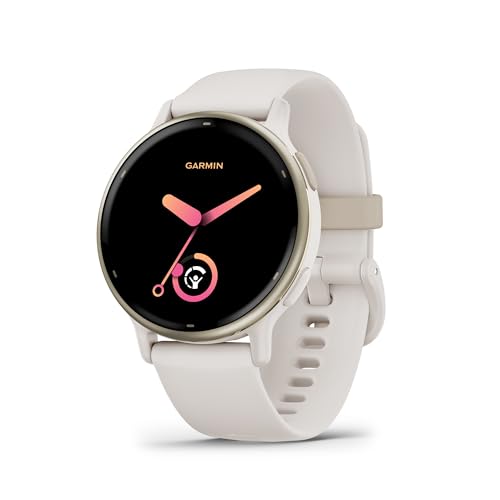


The vívoactive 5 stands out for buyers who want a strong mix of battery life, health tracking, and adjustable smartwatch use. Its up to 11-day battery life can be appealing if you want fewer charge cycles and a watch that does not need constant attention.
- ✓ Up to 11 days of battery life in smartwatch mode
- ✓ Bright AMOLED display with optional always-on mode
- ✓ Body Battery, sleep score, HRV status, and wellness insights
- ✓ More than 30 built-in indoor and GPS sports apps
- ✓ Good fit for users who want a feature-rich but manageable smartwatch
- ✗ Always-on display mode reduces battery life
- ✗ More advanced than a basic tracker if you only want simple step counting
Garmin Forerunner 55, GPS Running Watch with Daily Suggested Workouts, Up to 2 Weeks of Battery Life, Black - 010-02562-00 4.5★ (based on published product feedback patterns) ✓ Prime 35% OFF — Was $199.99
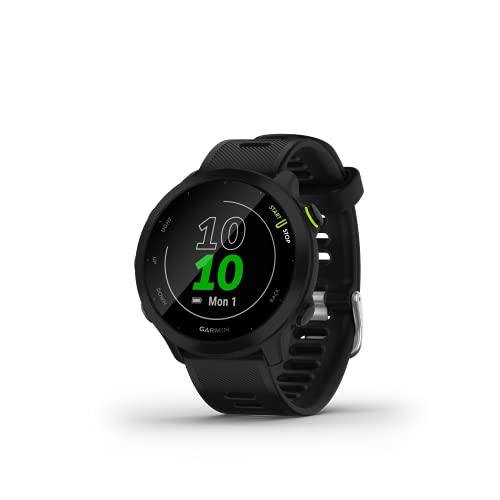


This is a practical choice for runners who want essential tracking without a lot of extra complexity. Its long battery life and straightforward feature set make it attractive for users who prefer a simpler device with fewer distractions.
- ✓ Up to 2 weeks of battery life in smartwatch mode
- ✓ Wrist-based heart rate and GPS running metrics
- ✓ Daily suggested workouts and PacePro guidance
- ✓ Simple, focused design for exercise-first users
- ✓ Lower feature overload than many full smartwatches
- ✗ Less wellness depth than higher-end models
- ✗ Best for running, not for users wanting broad smartwatch features
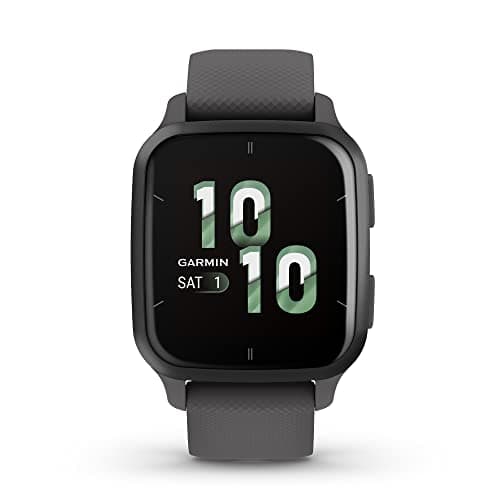
Garmin Venu® Sq 2 GPS Smartwatch - AMOLED Display, All-Day Health Monitoring, Long Battery Life, Activity & Heart Rate Tracker, Slate and Shadow Gray 4.5★ (based on published product feedback patterns) ✓ Prime 7% OFF — Was $194.00
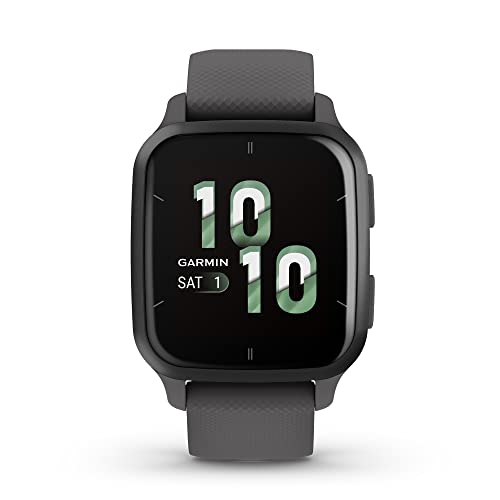


The Venu Sq 2 is a solid middle-ground option if you want health tracking, a bright display, and strong battery life without moving into a more expensive model. It is especially appealing if you want a modern smartwatch experience but still care about keeping charging frequency low.
- ✓ Up to 11 days of battery life in smartwatch mode
- ✓ Bright AMOLED display with always-on option
- ✓ Broad health tracking including heart rate, stress, hydration, and sleep
- ✓ More than 25 built-in sports apps
- ✓ Good balance of simplicity and smartwatch features
- ✗ Always-on mode can shorten battery life
- ✗ Less specialized than a dedicated running watch for athletes
Fitness Tracker Smart Watch with Heart Rate Blood Oxygen Blood Pressure Sleep Monitor Step Calorie Counter Pedometer for Women Men 4.1★ (based on published product feedback patterns) ✓ Prime
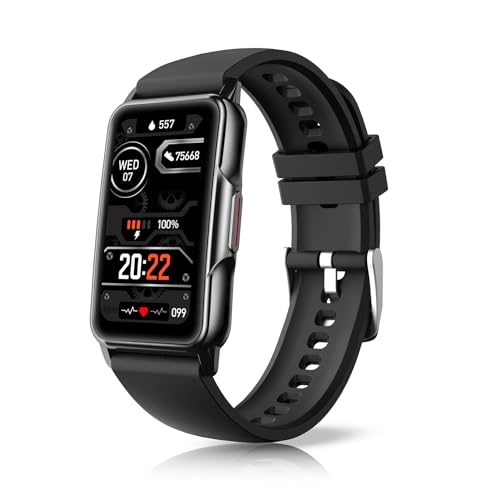


This budget-friendly tracker is the most feature-packed low-cost option in the list, with a wide range of health and activity functions. If your main goal is to get basic smartwatch convenience at a lower price, it offers a lot on paper.
- ✓ Low price compared with the Garmin models
- ✓ 24/7 heart rate, blood oxygen, blood pressure, and sleep tracking claims
- ✓ 115 sports modes and all-day activity tracking
- ✓ Notifications, reminders, and phone-connected convenience
- ✓ Large touch display with many watch face options
- ✗ Less established brand reputation than Garmin
- ✗ Health measurements should be treated as consumer estimates, not medical data
Common Mistakes to Avoid
When people search for smartwatch radiation safety, they often make the problem bigger than it is or overlook the practical tradeoffs that matter most.
- Assuming all radiation is the same: Smartwatch wireless signals are not the same as ionizing radiation from medical imaging.
- Ignoring settings: Many buyers never turn off unnecessary notifications, always-on display, or extra wireless features.
- Choosing features over fit: A more complex watch may add convenience, but it can also increase active use and charging frequency.
- Over-trusting health metrics: Consumer watches provide estimates, not medical diagnoses.
- Buying only on price: The cheapest option may not offer the battery life, controls, or brand transparency you want.
Frequently Asked Questions
Is smartwatch radiation dangerous?
Current consumer smartwatches use low-power radiofrequency signals that are designed to stay within safety limits. For most users, the bigger issue is comfort and preference rather than a clearly established danger.
How can I reduce smartwatch radiation exposure?
Use airplane mode or wireless-off settings when available, limit unnecessary notifications, and choose a watch with strong battery life so it spends less time actively syncing. A simpler device can also reduce how often you use wireless features.
Do all smartwatches emit radiation?
Yes, most smartwatches emit some level of radiofrequency energy when they connect to a phone, GPS, or wireless network. The amount depends on the model, settings, and how often it communicates.
Is Bluetooth on a smartwatch safe?
Bluetooth is a low-power wireless technology and is generally considered safe for consumer use when devices comply with regulations. If you want to be cautious, you can reduce unnecessary Bluetooth use by limiting constant syncing.
What is the safest type of smartwatch to buy?
The safest-feeling option is usually a watch with long battery life, simple connectivity, and controls that let you disable features you do not need. For many buyers, that means choosing a model with fewer always-on functions and a clear settings menu.
Pros
- + Low-power wireless signals
- + Long battery life options
- + Feature controls can reduce use
- + Broad health and fitness tracking
- + Budget and premium choices available
Cons
- – Not all models offer strong control
- – Always-on features can increase use
- – Consumer health readings are estimates
- – Cheaper trackers may be less transparent
Frequently asked questions
- Is smartwatch radiation dangerous?
- Current consumer smartwatches use low-power radiofrequency signals that are designed to stay within safety limits. For most users, the bigger issue is comfort and preference rather than a clearly established danger.
- How can I reduce smartwatch radiation exposure?
- Use airplane mode or wireless-off settings when available, limit unnecessary notifications, and choose a watch with strong battery life so it spends less time actively syncing. A simpler device can also reduce how often you use wireless features.
- Do all smartwatches emit radiation?
- Yes, most smartwatches emit some level of radiofrequency energy when they connect to a phone, GPS, or wireless network. The amount depends on the model, settings, and how often it communicates.
- Is Bluetooth on a smartwatch safe?
- Bluetooth is a low-power wireless technology and is generally considered safe for consumer use when devices comply with regulations. If you want to be cautious, you can reduce unnecessary Bluetooth use by limiting constant syncing.
- What is the safest type of smartwatch to buy?
- The safest-feeling option is usually a watch with long battery life, simple connectivity, and controls that let you disable features you do not need. For many buyers, that means choosing a model with fewer always-on functions and a clear settings menu.
Score breakdown
- value
- 8.0
- usability
- 8.0
- durability
- 8.0
- performance
- 8.0
- buyerFeedback
- 8.0
Get the Full Tech Buyer's Guide
Join our free newsletter — we'll send our latest Tech picks, specs and verdicts straight to your inbox.
Free. No spam. Unsubscribe anytime.
Was this review helpful?
Be the first to share your feedback on this review.
Sign in to vote and let us know what you think.
Discussion (0)
No comments yet. Be the first to start the discussion.
Related Reviews
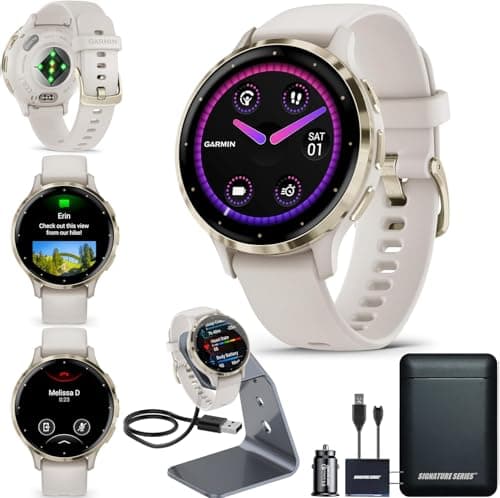
What is How to Extend Smartwatch Battery Life? A Complete 2026 Guide
Smartwatch battery drain can be frustrating when your watch dies before the day is over, especially if you rely on it for health tracking, notifications, or workouts. Learning how to extend smartwatch battery life helps you get more value from your device without constantly searching for a charger.
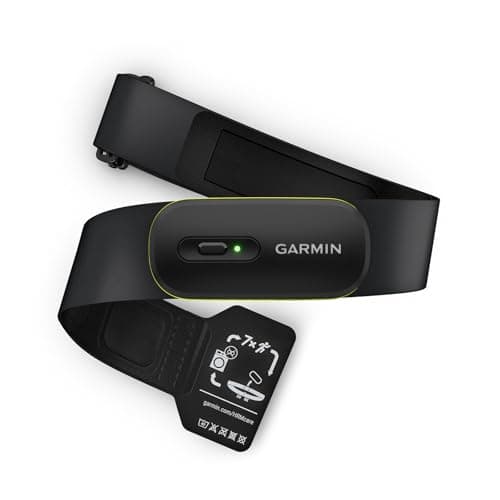
3 Best HRV Monitors in 2026 — Accurate Recovery Tracking Without Guesswork
If you’re trying to find the best HRV monitors , the hard part is separating true recovery-focused tools from basic heart-rate straps that only sound advanced. The right monitor should deliver reliable HRV data, work with your training platform, and fit comfortably enough that you’ll actually wear i
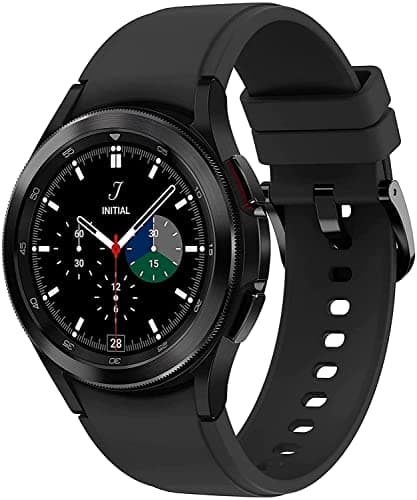
What is AFib Detection Smartwatches Explained? A Complete 2026 Guide
AFib detection smartwatches explained: these are wrist-worn devices that can help spot signs of atrial fibrillation, a common irregular heart rhythm, and alert you when something looks unusual. They are not a replacement for a doctor or a medical-grade diagnosis, but they can be a useful early-warni