

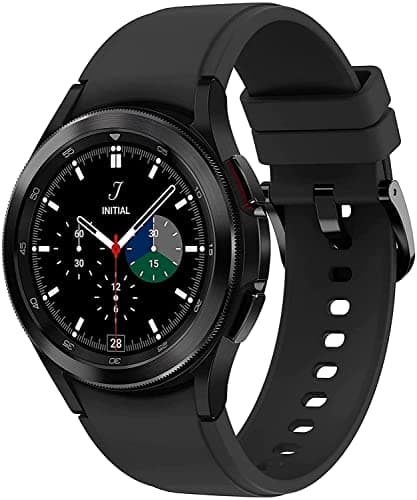
Who this is for: Best for health-tech readers who want a simple, practical way to understand AFib screening wearables and choose one with ECG support.
Check PriceWhat is AFib Detection Smartwatches Explained? A Complete 2026 Guide
AFib detection smartwatches explained: these are wrist-worn devices that can help spot signs of atrial fibrillation, a common irregular heart rhythm, and alert you when something looks unusual. They are not a replacement for a doctor or a medical-grade diagnosis, but they can be a useful early-warning tool for people who want more visibility into heart health. In this guide, you’ll learn how the technology works, what benefits it offers, what to look for before buying, and which researched option stands out.
Related Reviews
How It Works
AFib-detection smartwatches usually rely on one or both of two technologies: an optical heart-rate sensor and an ECG feature. The optical sensor uses light to track changes in blood flow at your wrist, which can reveal irregular pulse patterns over time, while the ECG feature records the electrical activity of your heart when you place a finger on the watch or follow an on-screen prompt. If the watch detects a pattern that may suggest AFib, it can flag the reading and encourage you to share it with a healthcare professional.
The key idea is pattern recognition, not diagnosis. These watches compare your heart rhythm data against expected timing and consistency, then look for irregularities that may align with AFib. Because motion, fit, skin contact, and other factors can affect readings, the best devices combine careful hardware design with software that filters out noisy data and presents results in a simple way.
Some watches also pair AFib alerts with related health tracking, such as sleep monitoring, blood oxygen estimates, and workout data. That broader context can be useful because heart rhythm changes may show up alongside poor sleep, stress, or other health shifts. Still, the watch should be treated as a screening and tracking tool rather than a final answer.
Key Benefits & Use Cases
AFib detection smartwatches appeal to people who want a convenient way to keep an eye on heart rhythm between doctor visits. They can be especially helpful if you already have a history of palpitations, have been told you may be at risk for AFib, or simply want more data to discuss with a clinician. For many buyers, the biggest benefit is peace of mind: the watch can spot something unusual sooner than you might notice it yourself.
They are also useful for sharing information. Many ECG-enabled watches let you save readings or export results, which can make conversations with a doctor more productive. Instead of describing vague symptoms from memory, you may be able to show timestamps and rhythm snapshots that help your provider understand what happened.
Another common use case is general wellness monitoring. Even if you are not actively worried about AFib, a smartwatch with heart features can encourage better awareness of sleep, exercise, and recovery habits. That broader picture can help you connect lifestyle patterns to how you feel day to day.
What to Look For When Buying
1. ECG capability
Look for a watch with a true ECG feature if you want the strongest AFib-related functionality. This is more useful than a basic heart-rate tracker because it captures a more direct rhythm reading.
2. AFib alerts or irregular rhythm notifications
Some watches can warn you when the pulse pattern looks irregular, even when you are not actively taking an ECG. That makes passive monitoring more convenient for everyday use.
3. Accuracy and app support
Check whether the device’s companion app is well regarded and whether it provides clear, shareable reports. Good software matters because the watch is only as useful as the data it presents.
4. Comfort and battery life
If the watch is uncomfortable or needs constant charging, you are less likely to wear it consistently. Since heart tracking depends on regular wear, comfort and battery endurance matter more than many buyers expect.
5. Compatibility and health ecosystem
Make sure the smartwatch works well with your phone and health apps. If you already use a specific ecosystem, choosing a compatible watch can make it easier to review trends and share data.
Top Recommended Products
SAMSUNG Galaxy Watch 4 Classic 42mm Smartwatch with ECG Monitor Tracker for Health, Fitness, Running, Sleep Cycles, GPS Fall Detection, Bluetooth, US Version, Black $95.10 ✓ Prime
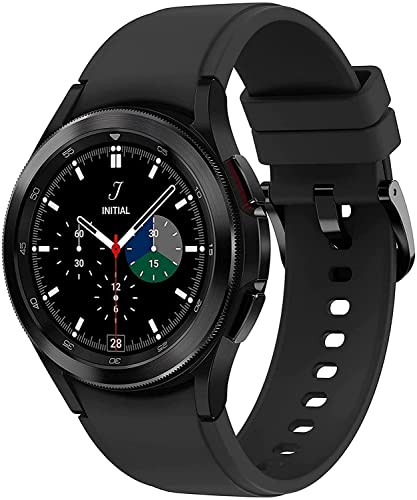


This Samsung watch stands out in this category because it combines ECG monitoring with broader wellness tracking, including sleep, SpO2, and workout features. The product details also mention possible atrial fibrillation monitoring and the ability to share readings through Samsung Health Monitor, which is exactly the kind of function readers searching for AFib detection smartwatches explained are usually after.
- ✓ Built-in ECG monitor for heart rhythm checks
- ✓ Mentions possible AFib tracking and shareable readings
- ✓ Includes sleep, SpO2, and fitness tracking for broader context
- ✓ Fall detection adds extra safety utility
- ✓ Prime shipping available
- ✗ Best features depend on Samsung ecosystem support
- ✗ Not a substitute for medical diagnosis
- ✗ Smaller 42mm size may not suit everyone
Common Mistakes to Avoid
1. Treating the watch as a diagnosis. An AFib-capable smartwatch can flag possible irregular rhythm, but only a clinician can interpret the result in context and diagnose a condition.
2. Ignoring fit and wear time. If the watch is too loose or you only wear it occasionally, readings may be less reliable. Consistent wear improves the usefulness of trend data.
3. Overreacting to a single alert. Motion, stress, and poor contact can sometimes affect readings. One alert should prompt attention, not panic.
4. Buying for one feature only. ECG is important, but usability, battery life, and app quality also affect whether the watch will actually help you long term.
5. Skipping doctor follow-up. If the watch repeatedly flags irregular rhythm or you have symptoms like dizziness, chest discomfort, or shortness of breath, follow up promptly with a healthcare professional.
Frequently Asked Questions
1. What does AFib detection on a smartwatch actually mean?
It means the watch can look for irregular heart rhythm patterns that may be consistent with atrial fibrillation and alert you if it notices something unusual.
2. Can a smartwatch diagnose AFib?
No. A smartwatch can screen for possible AFib or record an ECG-style reading, but diagnosis requires a medical professional.
3. Is ECG better than a regular heart-rate sensor for AFib?
Yes, ECG is generally more direct because it records electrical activity rather than just pulse changes, which makes it more useful for rhythm screening.
4. Who should consider an AFib-detection smartwatch?
People with heart rhythm concerns, a family history of AFib, or anyone who wants more proactive health tracking may find one useful.
5. What should I do if my watch says I may have AFib?
Save the reading, note any symptoms, and contact a healthcare professional for guidance rather than relying on the watch alone.
Pros
- + Built-in ECG monitor
- + Possible AFib tracking
- + Sleep, SpO2, and fitness tracking
- + Fall detection
- + Prime available
Cons
- – Best features depend on Samsung ecosystem support
- – Not a substitute for medical diagnosis
- – Smaller 42mm size may not suit everyone
Frequently asked questions
- What does AFib detection on a smartwatch actually mean?
- It means the watch can look for irregular heart rhythm patterns that may be consistent with atrial fibrillation and alert you if it notices something unusual.
- Can a smartwatch diagnose AFib?
- No. A smartwatch can screen for possible AFib or record an ECG-style reading, but diagnosis requires a medical professional.
- Is ECG better than a regular heart-rate sensor for AFib?
- Yes, ECG is generally more direct because it records electrical activity rather than just pulse changes, which makes it more useful for rhythm screening.
- Who should consider an AFib-detection smartwatch?
- People with heart rhythm concerns, a family history of AFib, or anyone who wants more proactive health tracking may find one useful.
- What should I do if my watch says I may have AFib?
- Save the reading, note any symptoms, and contact a healthcare professional for guidance rather than relying on the watch alone.
Get the Full Tech Buyer's Guide
Join our free newsletter — we'll send our latest Tech picks, specs and verdicts straight to your inbox.
Free. No spam. Unsubscribe anytime.
Was this review helpful?
Be the first to share your feedback on this review.
Sign in to vote and let us know what you think.
Discussion (0)
No comments yet. Be the first to start the discussion.
Related Reviews
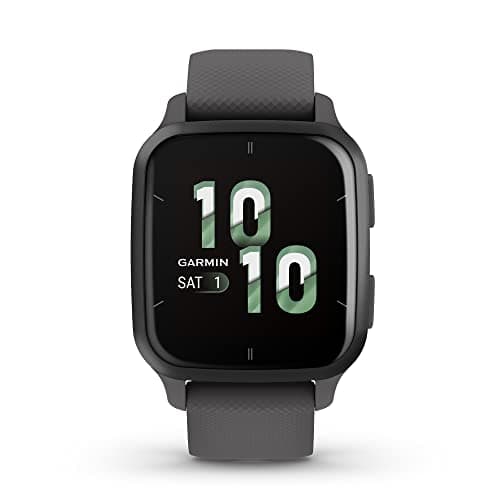
What is Smartwatch Radiation Safety? A Complete 2026 Guide
Smartwatch radiation safety is the question of whether wearing a smartwatch exposes you to harmful electromagnetic energy from Bluetooth, Wi‑Fi, GPS, or cellular signals. For most buyers, the real concern is not “radiation” in the dramatic sense, but how much radiofrequency energy a watch emits, how
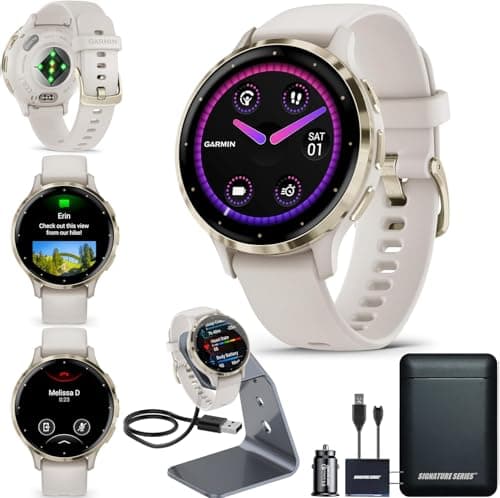
What is How to Extend Smartwatch Battery Life? A Complete 2026 Guide
Smartwatch battery drain can be frustrating when your watch dies before the day is over, especially if you rely on it for health tracking, notifications, or workouts. Learning how to extend smartwatch battery life helps you get more value from your device without constantly searching for a charger.
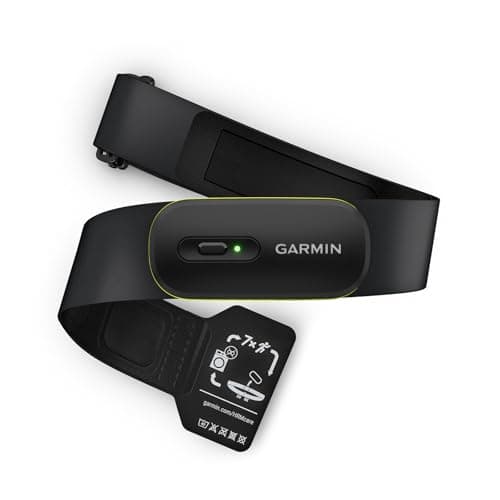
3 Best HRV Monitors in 2026 — Accurate Recovery Tracking Without Guesswork
If you’re trying to find the best HRV monitors , the hard part is separating true recovery-focused tools from basic heart-rate straps that only sound advanced. The right monitor should deliver reliable HRV data, work with your training platform, and fit comfortably enough that you’ll actually wear i