

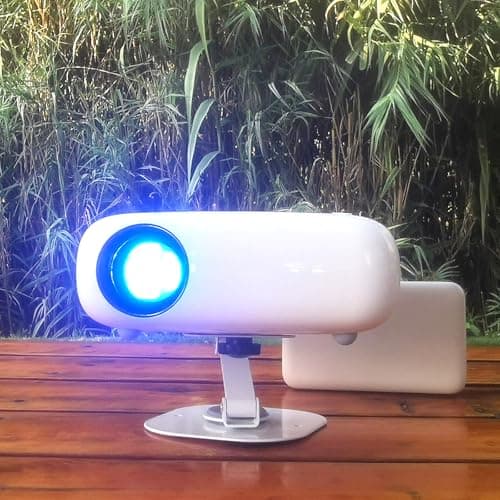
Who this is for: Best for budget shoppers who want to understand projector brightness and need a portable, casual-use projector.
Check PriceWhat is Lumens Explained for Projectors? A Complete 2026 Guide
If you’ve been trying to understand lumens explained for projectors, you’re probably stuck comparing specs that don’t clearly tell you how bright an image will look in real life. The short answer: lumens measure a projector’s light output, and the right number depends on your room, screen size, and how much ambient light you can’t control. In this guide, you’ll learn what lumens really mean, how to choose the right brightness, and which budget projector is worth considering if you want a portable option.
Related Reviews
How It Works
Lumens are a measure of visible light output. In projector terms, a higher lumen rating usually means a brighter image, which helps the picture stay visible when you’re not projecting in a dark room.
Projectors create an image by shining light through or off an imaging system, then sending that image onto a screen or wall. If the projector’s light output is too low for your environment, the image can look washed out, especially with daylight, lamps, or large screen sizes.
That’s why brightness is only one part of the story. Resolution, contrast, color quality, and room lighting all affect how “good” a projector looks, but lumens are the first spec most buyers should understand because they directly influence visibility.
Key Benefits & Use Cases
Why lumens matter
- Brighter images are easier to see in rooms with light on.
- Higher brightness helps larger screens look clearer from a distance.
- Portable projectors can still work outdoors or in casual setups if the lumen rating is high enough.
- Understanding lumens helps you avoid overpaying for a projector that looks dim in your space.
Common use cases
- Home theater: Dark rooms need less brightness than living rooms with windows.
- Outdoor movie nights: You usually need more brightness because there’s often some ambient light.
- Classrooms or presentations: Text and charts need enough light to remain readable.
- Travel and camping: Portable projectors benefit from strong light output and easy setup.
What to Look For When Buying
When you’re shopping with lumens in mind, these five factors matter most:
1. Brightness rating
Look at the lumen number as a starting point, but remember that not all brightness claims are measured the same way. A higher number is helpful, but it should still be balanced with real-world feedback and intended use.
2. Room lighting
Consider where you’ll actually use the projector. A dark bedroom, a bright living room, and a backyard setup all need different brightness levels.
3. Screen size
The larger the projected image, the more brightness you generally need to keep the picture clear and punchy.
4. Resolution and image quality
Brightness alone won’t make a projector look sharp. For readable text and better detail, pair good lumens with at least decent resolution.
5. Portability and power options
If you want to use the projector outdoors or while traveling, battery/powerbank support, size, and included accessories can matter just as much as brightness.
Top Recommended Products
Below is a researched recommendation for buyers looking for a portable, budget-friendly option while learning about projector brightness. This is based on published specs, owner feedback, and product comparisons — not hands-on testing.
SEWENS Mini HD Projector 10000 Lumens ✓ Prime ($69.99)
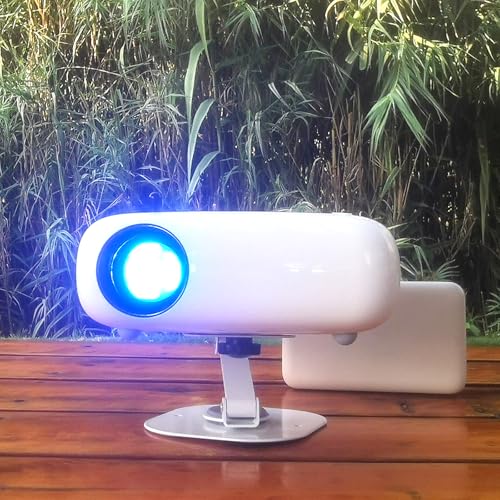


This SEWENS model is a practical example of how brightness claims are marketed in the portable projector category. Its listed 10,000-lumen brightness, 1080P support, and powerbank compatibility make it especially appealing for casual movie nights, travel, and outdoor use where convenience matters.
- ✓ Portable design with a compact footprint and included tripod
- ✓ Powerbank powered for flexible outdoor use
- ✓ Wired screen mirroring support for phones and tablets
- ✓ Supports 1080P resolution and 24-bit true color
- ✓ Prime-eligible and budget-friendly for casual buyers
Common Mistakes to Avoid
- Buying by lumens alone: Brightness matters, but contrast and resolution also affect picture quality.
- Ignoring room light: A projector that looks fine in a dark room may look dull in daylight.
- Assuming all lumen claims are equal: Marketing terms can vary, so compare specs and owner feedback carefully.
- Choosing too small or too large a screen setup: Bigger images need more brightness to stay readable.
- Forgetting portability needs: If you travel or camp, power options and setup convenience matter a lot.
Frequently Asked Questions
1. What do lumens mean on a projector?
Lumens measure how much visible light a projector outputs. In simple terms, more lumens usually means a brighter image.
2. How many lumens do I need for a projector?
It depends on your room and screen size. Dark rooms need fewer lumens, while brighter rooms and outdoor setups usually need more.
3. Are higher lumens always better?
Not always. Very high brightness can be unnecessary in a dark room, and image quality still depends on resolution, contrast, and color.
4. What’s the difference between lumens and resolution?
Lumens describe brightness, while resolution describes image detail. A projector can be bright without being sharp, or sharp without being bright enough.
5. Is 10,000 lumens good for a mini projector?
It can be appealing for portable and outdoor use, but you should also check real-world reviews, resolution, and how the brightness is measured.
Pros
- + Portable and easy to carry
- + Powerbank powered for outdoor use
- + Supports 1080P resolution
- + Includes a foldable tripod
- + Prime-eligible and budget-friendly
Cons
- – Brightness claims can vary by measurement method
- – Best for casual use, not premium home theater
- – Needs enough ambient-light control for best results
Frequently asked questions
- What do lumens mean on a projector?
- Lumens measure how much visible light a projector outputs. In simple terms, more lumens usually means a brighter image.
- How many lumens do I need for a projector?
- It depends on your room and screen size. Dark rooms need fewer lumens, while brighter rooms and outdoor setups usually need more.
- Are higher lumens always better?
- Not always. Very high brightness can be unnecessary in a dark room, and image quality still depends on resolution, contrast, and color.
- What’s the difference between lumens and resolution?
- Lumens describe brightness, while resolution describes image detail. A projector can be bright without being sharp, or sharp without being bright enough.
- Is 10,000 lumens good for a mini projector?
- It can be appealing for portable and outdoor use, but you should also check real-world reviews, resolution, and how the brightness is measured.
Score breakdown
- value
- 8.0
- usability
- 8.0
- durability
- 6.0
- performance
- 7.0
- buyerFeedback
- 7.0
Get the Full Tech Buyer's Guide
Join our free newsletter — we'll send our latest Tech picks, specs and verdicts straight to your inbox.
Free. No spam. Unsubscribe anytime.
Was this review helpful?
Be the first to share your feedback on this review.
Sign in to vote and let us know what you think.
Discussion (0)
No comments yet. Be the first to start the discussion.
Related Reviews
Best Dolby Atmos Soundbars Under $500 for Every Budget in 2026: Ranked by Price & Performance
If you’re shopping for the best Dolby Atmos soundbars under $500 , the hard part is figuring out which models actually improve movie immersion without wasting money on inflated specs. At this price ceiling, the smartest buys are usually the ones that balance real-world dialogue clarity, bass output,
INSIGNIA 50" Class F50 Series LED 4K UHD Smart Fire TV Review (2026): Specs, Pros & Cons, and Who It's For
If you’re searching for a tv brightness nits measurement test because you want to know whether a budget TV can look good in real rooms, the INSIGNIA 50" Class F50 Series is a sensible place to start. This research-based review looks at published specs, retailer details, and owner feedback patterns t
Sony BRAVIA 8 II Review (2026): Specs, Pros & Cons, and Who It's For
If you’re searching for a sony bravia 9 ii review , there’s a good chance you’re trying to figure out whether Sony’s newest flagship-class TV is truly worth the premium. The short answer from research is that the BRAVIA 8 II aims at buyers who care most about picture quality, processing, and a refin