

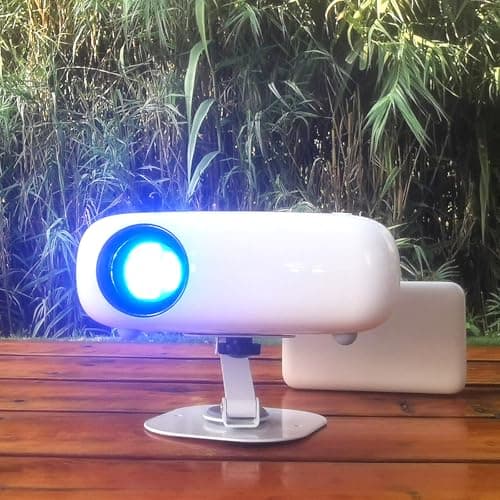
Who this is for: Best for shoppers comparing projector light sources and deciding between lower upfront cost and lower maintenance.
Check PriceWhat is Laser vs Lamp Projector? A Complete 2026 Guide
If you’re comparing a laser vs lamp projector, the biggest challenge is usually figuring out which one actually fits your room, budget, and viewing habits. Laser projectors are often praised for brightness consistency and low maintenance, while lamp projectors still appeal to buyers who want a lower upfront cost. This guide breaks down the differences in plain English so you can make a smarter buying decision in 2026.
Related Reviews
At a basic level, a projector’s light source is what separates laser from lamp models. Laser projectors use laser diodes to create light, while lamp projectors use a traditional bulb that gradually wears out over time. That difference affects brightness stability, replacement costs, warm-up time, and overall ownership experience.
How It Works
A projector needs a light source to shine an image onto a screen or wall. In a laser projector, that light comes from laser diodes, which are known for delivering strong brightness and staying consistent for a long time. In a lamp projector, the light comes from a high-intensity bulb, which is usually cheaper to build into the projector but slowly loses brightness as it ages.
Once the light is created, it passes through imaging parts that shape the picture. Depending on the projector design, this may involve LCD, DLP, or other display technology that turns the light into the image you see. The type of light source does not create the whole image by itself, but it strongly influences how bright, efficient, and maintenance-friendly the projector feels in real life.
Laser systems are often favored because they tend to turn on faster and maintain more consistent output over time. Lamp systems are still common because they can be less expensive to buy initially, even though the bulb eventually needs replacement. For many shoppers, the choice comes down to whether they want lower ownership hassle or lower starting price.
Key Benefits & Use Cases
Understanding the laser vs lamp projector debate is easier when you match each type to a real-world use case.
Why buyers choose laser projectors
Laser projectors are often a better fit for people who want a more premium long-term experience. They are commonly associated with faster startup, steadier brightness, and less frequent maintenance because there is no lamp to replace on a regular schedule.
They are especially useful for:
- Home theaters where picture consistency matters
- Living rooms with some ambient light
- Frequent users who don’t want bulb replacement costs
- Business presentations where reliability matters
Why buyers still choose lamp projectors
Lamp projectors remain popular because they can deliver good value at a lower purchase price. If you only use a projector occasionally, the lower upfront cost may matter more than long-term maintenance savings.
They are especially useful for:
- Budget-conscious first-time buyers
- Occasional movie nights
- Students or renters who want a simple setup
- Shoppers prioritizing lowest initial spend
What this means in everyday use
If you plan to use the projector often, laser usually makes more sense because the ownership experience is easier over time. If you only need a projector now and then, lamp can still be a practical choice, especially when price is the main concern. The best option depends on whether you value long-term convenience or short-term savings.
What to Look For When Buying
When comparing a laser vs lamp projector, focus on these five criteria before you buy.
1. Brightness
Brightness determines how well the image holds up in your room. If you’ll watch in a dark theater space, you can get by with less brightness, but rooms with daylight or lamps need a stronger projector.
2. Maintenance costs
Laser projectors usually reduce maintenance because they don’t rely on a replaceable bulb in the same way lamp models do. Lamp projectors may cost less upfront, but replacement bulbs can add to the total cost of ownership.
3. Lifespan
Light source lifespan is one of the biggest differences between the two categories. Laser systems are generally built for longer service life, while lamp systems gradually lose output and eventually need a new bulb.
4. Room type and ambient light
Think about where you’ll actually use the projector. Bright rooms, multipurpose living spaces, and casual daytime viewing usually favor laser, while dark rooms are more forgiving for lamp-based models.
5. Total budget
Don’t just compare sticker price. Include replacement parts, convenience, and how often you’ll use the projector. A cheaper lamp projector can be smart for light use, but a laser model may be better value if you watch often.
Top Recommended Products
Below are two budget-friendly portable projectors that can be useful if you want an affordable starter option while learning what matters most in the laser vs lamp projector conversation. These are not laser projectors, but they are practical picks for shoppers who want a low-cost way to explore projector ownership.
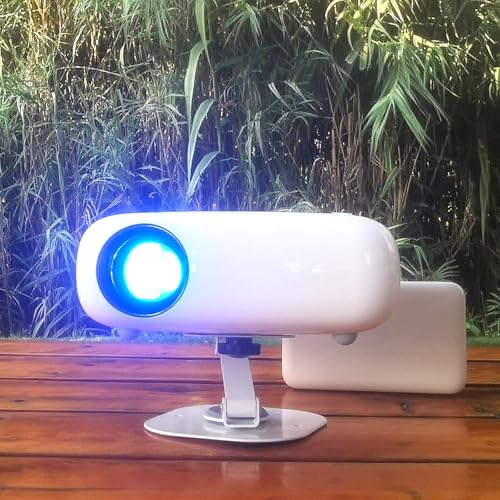 SEWENS Mini HD Projector ✓ Prime $69.99


This portable projector is aimed at shoppers who want a compact, easy-to-move option for travel, outdoor viewing, or casual home use. Its feature set emphasizes portability, wired screen mirroring, and powerbank compatibility, which makes it appealing for people who want flexibility more than premium-home-theater performance.
- ✓ Compact and lightweight for travel or outdoor use
- ✓ Can be powered by a compatible Type-C powerbank for portable viewing
- ✓ Supports wired screen mirroring from phones and tablets
- ✓ Includes a foldable tripod for easier placement
- ✓ Supports 1080P input and up to a 200-inch image size
- ✗ Not a laser projector, so it does not solve the lamp-vs-laser maintenance question directly
- ✗ Best suited to casual use rather than a high-end home theater setup
- ✗ Powerbank required for true outdoor portability is not included
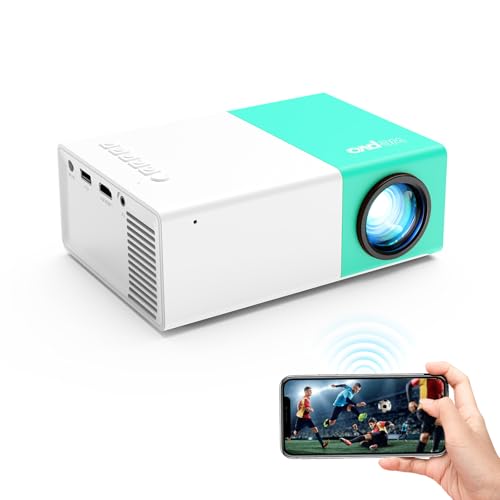 wepvo Projector WiFi Portable Movie Projector ✓ Prime $33.99
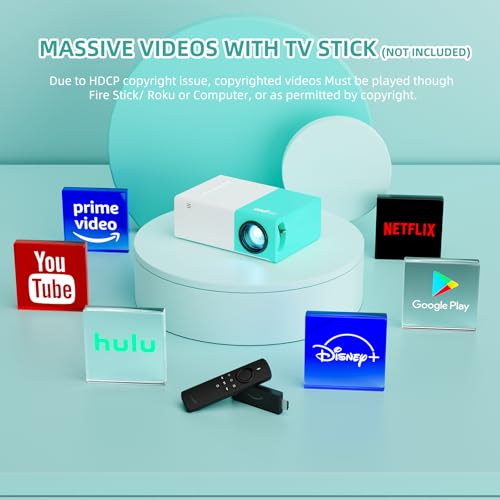

This model is a low-cost portable option for buyers who want wireless mirroring, Bluetooth audio support, and broad device compatibility. It is a practical starter projector for casual movie nights, gaming, or screen sharing when budget matters most.
- ✓ Very low entry price for first-time projector buyers
- ✓ Wireless screen mirroring via WiFi for supported devices
- ✓ Wired screen mirroring is also available
- ✓ Bluetooth 5.4 audio support for speakers or headphones
- ✓ Compact and versatile for basic entertainment setups
- ✗ Not a laser projector, so it is not a direct replacement for higher-end laser models
- ✗ Best results are likely in darker rooms
- ✗ Audio features are useful, but serious movie setups may still want external speakers
Common Mistakes to Avoid
People comparing a laser vs lamp projector often make the same buying mistakes. Avoiding these can save money and frustration.
Buying only by brightness number
Higher brightness sounds better, but it does not automatically mean a better picture. Room lighting, contrast, and projection distance all matter too.
Ignoring long-term bulb costs
A lamp projector may look like the cheaper option at checkout, but replacement bulbs can change the math over time. Always think about total ownership cost, not just the starting price.
Choosing the wrong projector for the room
A projector that performs well in a dark room may disappoint in a bright living room. Match the light source and brightness level to the actual space where you’ll watch.
Overlooking setup convenience
Some buyers focus so much on image quality that they forget about startup time, portability, and ease of use. If the projector is annoying to set up, you may stop using it as often.
Assuming “laser” always means better in every way
Laser is often the more advanced choice, but that does not mean it is always the right choice. If your budget is tight and usage is occasional, a lamp projector can still be the smarter buy.
Frequently Asked Questions
Is a laser projector better than a lamp projector?
Usually yes for long-term convenience, consistency, and lower maintenance. However, lamp projectors can still be better if your main goal is spending less upfront.
Do laser projectors last longer than lamp projectors?
In general, yes. Laser light sources are typically designed for longer service life than traditional projector lamps.
Which is brighter: laser or lamp projector?
It depends on the specific model, but laser projectors often maintain brightness more consistently over time. Lamp projectors can start bright too, but their output tends to decline as the bulb ages.
Are lamp projectors still worth buying in 2026?
Yes, especially for budget buyers or people who only use a projector occasionally. They remain a practical option when low upfront cost matters more than long-term maintenance.
What is the best choice for a home theater?
For most regular home-theater setups, laser is usually the better long-term choice because it offers more consistent performance and less maintenance. That said, a lamp projector can still work well in a dark room if budget is the main priority.
Pros
- + Laser projectors offer lower maintenance
- + Lamp projectors can cost less upfront
- + Laser usually stays brighter more consistently
- + Lamp models can still be a good budget choice
- + Portable projectors are useful starter options
Cons
- – Lamp bulbs eventually need replacement
- – Laser models often cost more initially
- – Brightness claims can be misleading
- – Room lighting affects both types
- – Budget portables are not true laser alternatives
Frequently asked questions
- Is a laser projector better than a lamp projector?
- Usually yes for long-term convenience, consistency, and lower maintenance. However, lamp projectors can still be better if your main goal is spending less upfront.
- Do laser projectors last longer than lamp projectors?
- In general, yes. Laser light sources are typically designed for longer service life than traditional projector lamps.
- Which is brighter: laser or lamp projector?
- It depends on the specific model, but laser projectors often maintain brightness more consistently over time. Lamp projectors can start bright too, but their output tends to decline as the bulb ages.
- Are lamp projectors still worth buying in 2026?
- Yes, especially for budget buyers or people who only use a projector occasionally. They remain a practical option when low upfront cost matters more than long-term maintenance.
- What is the best choice for a home theater?
- For most regular home-theater setups, laser is usually the better long-term choice because it offers more consistent performance and less maintenance. That said, a lamp projector can still work well in a dark room if budget is the main priority.
Get the Full Tech Buyer's Guide
Join our free newsletter — we'll send our latest Tech picks, specs and verdicts straight to your inbox.
Free. No spam. Unsubscribe anytime.
Was this review helpful?
Be the first to share your feedback on this review.
Sign in to vote and let us know what you think.
Discussion (0)
No comments yet. Be the first to start the discussion.
Related Reviews
Best Alternatives to Roku in 2026 — Cheaper, Better, or Both?
If you’re shopping for Roku alternatives , you’re probably frustrated by one of three things: rising prices, a menu system that feels too locked in, or missing features like better voice search, smarter recommendations, and stronger live TV options. The good news is that there are solid replacements
What is Lumens Explained for Projectors? A Complete 2026 Guide
If you’ve been trying to understand lumens explained for projectors , you’re probably stuck comparing specs that don’t clearly tell you how bright an image will look in real life. The short answer: lumens measure a projector’s light output, and the right number depends on your room, screen size, and
Best Dolby Atmos Soundbars Under $500 for Every Budget in 2026: Ranked by Price & Performance
If you’re shopping for the best Dolby Atmos soundbars under $500 , the hard part is figuring out which models actually improve movie immersion without wasting money on inflated specs. At this price ceiling, the smartest buys are usually the ones that balance real-world dialogue clarity, bass output,