

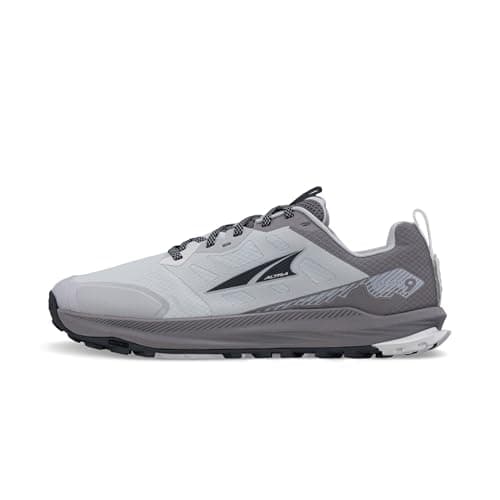
Who this is for: Best for runners who want to avoid blisters and choose a more comfortable shoe break-in process.
Check PriceWhat is How to Break in Running Shoes? A Complete 2026 Guide
If your new running shoes feel stiff, rub your heels, or make the first mile miserable, you’re not alone. Learning how to break in running shoes is mostly about easing your feet and the shoe materials into a comfortable fit without causing blisters or soreness. In this guide, you’ll learn what “breaking in” really means, how it works, what to look for when buying, and which models are worth considering if you want a smoother transition.
Related Reviews
How It Works
Breaking in running shoes is the process of letting the upper, midsole, and outsole adjust to your foot shape and stride over a series of short wears and easy runs. Some shoes soften quickly because the foam compresses and flexes with movement, while others—especially structured or trail-focused models—need a little more time for the upper and collar to settle. The goal is not to force the shoe to change dramatically, but to let it adapt gradually so pressure points, rubbing, and stiffness decrease before you take them on longer runs.
In practical terms, this means starting with short walks, then easy jogs, and then normal training once the shoe feels stable and comfortable. A well-designed running shoe should become more natural underfoot without losing support, traction, or shape. If a shoe still causes pain after several short sessions, that’s usually a fit issue rather than a break-in issue.
Key Benefits & Use Cases
Knowing how to break in running shoes can save you from the most common early problems: heel blisters, arch hot spots, toe rubbing, and underfoot soreness. It also helps you judge whether a shoe is truly the right size and shape for your foot before you commit to long runs or race day. For many runners, a careful break-in period is the difference between a shoe that feels “okay” and one that becomes a reliable daily trainer.
This matters most for:
- New road running shoes with firmer foam or snugger uppers
- Trail shoes with stiffer outsoles and protective overlays
- Wide-foot runners who need the shoe to settle around the midfoot and heel
- People returning to running after a layoff who want to avoid irritation
- Anyone switching brands, since fit geometry can vary a lot
What to Look For When Buying
If you want the break-in process to be easier, focus on these five buying criteria:
- Upper material: Softer mesh usually breaks in faster than dense or heavily reinforced uppers.
- Toe box shape: A roomier toe box can reduce pressure and make early wear more comfortable.
- Heel collar padding: Extra padding can help, but it should not create rubbing or a loose fit.
- Midsole feel: Softer foams often feel ready sooner, while firmer foams may need more miles to feel natural.
- Use case and terrain: Road shoes and trail shoes break in differently, so choose a model that matches where you run most.
Top Recommended Products
Below are four researched options from the current product list. These are not hands-on test results; they’re based on published specs, feature descriptions, and owner feedback patterns that matter when you’re figuring out how to break in running shoes.
ALTRA Men's Lone Peak 9 Trail Running Shoe, Gray, 11 ✓ Prime $144.95
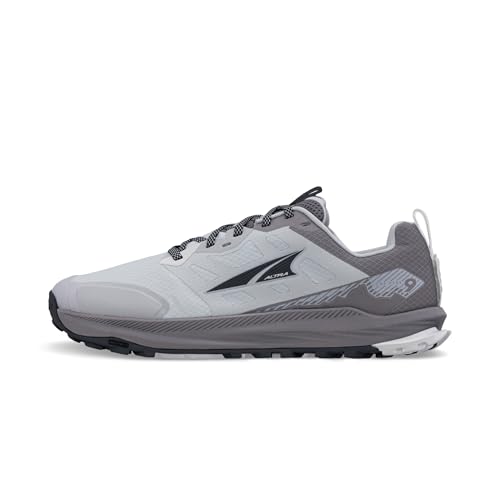

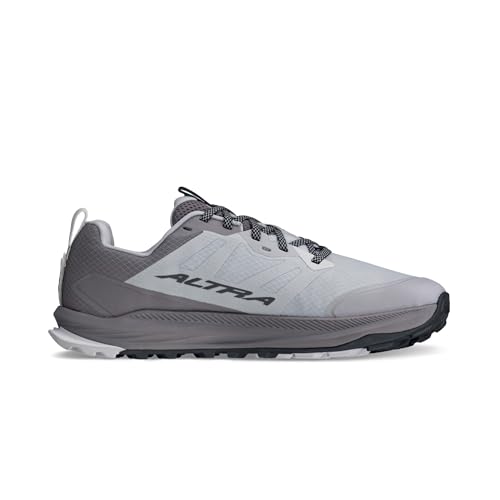
The Lone Peak 9 is a strong choice if your “break-in” concern is really about trail comfort, protection, and foot stability. Its MaxTrac outsole, StoneGuard protection, and APMA Seal of Acceptance make it appealing for runners who want a more forgiving transition on rough terrain.
- ✓ Grippy MaxTrac outsole for traction on mixed terrain
- ✓ StoneGuard adds underfoot protection on rocks and debris
- ✓ APMA Seal of Acceptance supports foot-health-focused design
- ✓ Prime shipping can make it easier to try sooner
- ✗ Trail-focused design may be more shoe than casual road runners need
- ✗ Premium pricing compared with some daily trainers
- ✗ May feel structured at first if you’re used to softer road shoes
ALTRA Men's Lone Peak 8 Trail Running Shoe, Black/Gray, 10.5 ✓ Prime 21% OFF — Was $140.00 $109.99
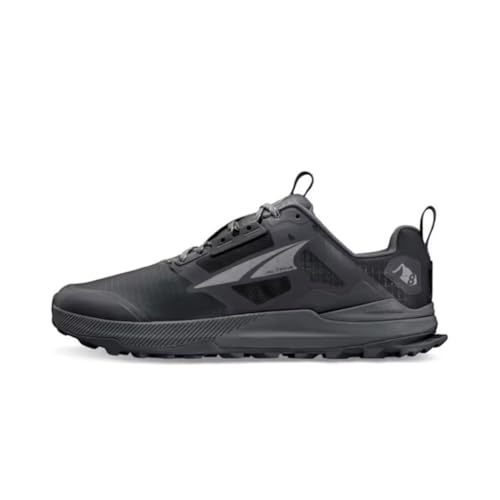

The Lone Peak 8 is a practical pick for runners who want a trail shoe that can transition into everyday wear. Its zero-drop platform, wide toe box, ripstop upper, and responsive EGO midsole make the break-in process feel more predictable for people who value natural foot alignment.
- ✓ Wide toe box can reduce early pressure and toe crowding
- ✓ Zero-drop platform supports a natural stride feel
- ✓ Ripstop upper is built for abrasion resistance and breathability
- ✓ Discounted price improves value for trail runners
- ✗ Zero-drop geometry may take time to adapt to if you’re new to it
- ✗ Trail lugs and structure can feel firm before they settle
- ✗ Not the best choice if you only run on roads
ALTRA Women's Escalante 4 Road Running Shoe, White/White, 8.5 ✓ Prime $124.89
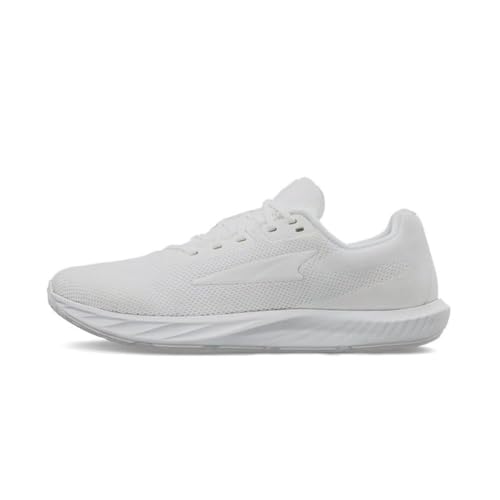

The Escalante 4 is a road-running option that emphasizes flexibility and ground feel, which can help runners ease into a new pair more naturally. The Altra EGO midsole and InnerFlex grooves are designed to move with your foot, making it a sensible fit for runners who dislike overly stiff shoes.
- ✓ Flexible InnerFlex grooves help the shoe bend with your stride
- ✓ Altra EGO midsole adds comfort and ground connection
- ✓ APMA Seal of Acceptance adds foot-health credibility
- ✓ Good for runners who want a less rigid break-in experience
- ✗ Road-specific design is not ideal for trail use
- ✗ Some runners may prefer more cushioning for long runs
- ✗ White colorway may show dirt quickly
ALTRA Men's Torin 8 Road Running Shoe, Dark Shadow, 10.5 Wide ✓ Prime 25% OFF — Was $150.00 $111.95
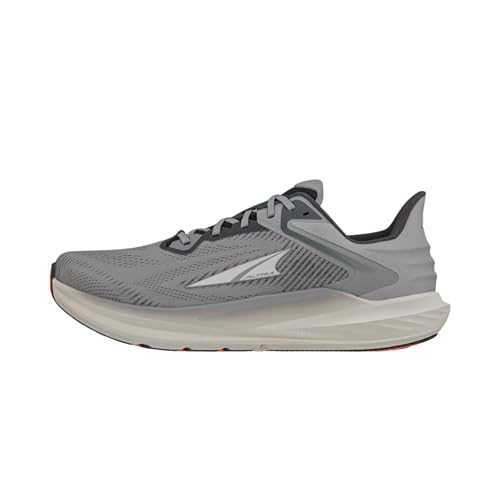

The Torin 8 stands out if you want a road shoe that’s friendly to runners who need more room and a smoother adaptation period. Its Balanced Cushioning and FootShape toe box are designed to support a more natural, low-impact feel, while the EGO foam and EGO MAX foam options add comfort and rebound.
- ✓ Wide fit and FootShape toe box help reduce crowding
- ✓ Balanced Cushioning supports a more natural stride
- ✓ EGO foam and EGO MAX foam balance softness and bounce
- ✓ Strong discount improves overall value
- ✗ Zero-drop or balanced geometry may require adjustment for some runners
- ✗ Wide fit may feel too roomy for narrow feet
- ✗ Not a trail shoe, so it’s limited to road use
Common Mistakes to Avoid
Even if you know how to break in running shoes, a few mistakes can make the process painful instead of helpful:
- Wearing them for a long run first: Start with short walks or easy runs, not a hard workout.
- Ignoring hot spots: Small rub points often become blisters if you keep pushing through them.
- Assuming pain means success: A shoe should feel snug, not painful; persistent discomfort usually means poor fit.
- Using the wrong socks: Thin, slippery, or moisture-trapping socks can worsen friction.
- Breaking them in on race day: Never debut a new pair for an important run or long event.
Frequently Asked Questions
How long does it take to break in running shoes?
Many running shoes feel better after a few short wears, but the exact timeline depends on the upper material, midsole firmness, and whether the shoe is road or trail focused. Some pairs need only a few miles, while others may take a week or two of gradual use.
Can you speed up the break-in process?
You can make the process smoother by wearing the shoes around the house, taking short walks, and then doing easy runs before attempting longer distances. Avoid aggressive methods that could damage the shoe or cause blisters.
Should running shoes feel tight at first?
They should feel secure, but not painfully tight. A little snugness is normal, especially in the midfoot and heel, but toe room and comfort matter more than forcing a tight fit.
Do all running shoes need to be broken in?
Most do to some extent, but some modern running shoes feel ready faster than others. Softer, more flexible models usually need less adjustment than stiff trail shoes or heavily structured designs.
What if my new shoes still hurt after several runs?
If pain, rubbing, or numbness continues after a few short sessions, the issue is likely fit, shape, or support—not break-in. In that case, it’s worth reassessing size, width, and the shoe’s intended use.
Pros
- + Reduces blisters and hot spots
- + Helps shoes adapt gradually to your stride
- + Makes fit problems easier to spot early
- + Supports better comfort on long runs
- + Can improve confidence before race day
Cons
- – Some shoes still need a longer adjustment period
- – Poorly fitting shoes won’t improve with break-in
- – Trail shoes can feel stiff at first
- – Zero-drop models may require adaptation
Frequently asked questions
- How long does it take to break in running shoes?
- Many running shoes feel better after a few short wears, but the exact timeline depends on the upper material, midsole firmness, and whether the shoe is road or trail focused. Some pairs need only a few miles, while others may take a week or two of gradual use.
- Can you speed up the break-in process?
- You can make the process smoother by wearing the shoes around the house, taking short walks, and then doing easy runs before attempting longer distances. Avoid aggressive methods that could damage the shoe or cause blisters.
- Should running shoes feel tight at first?
- They should feel secure, but not painfully tight. A little snugness is normal, especially in the midfoot and heel, but toe room and comfort matter more than forcing a tight fit.
- Do all running shoes need to be broken in?
- Most do to some extent, but some modern running shoes feel ready faster than others. Softer, more flexible models usually need less adjustment than stiff trail shoes or heavily structured designs.
- What if my new shoes still hurt after several runs?
- If pain, rubbing, or numbness continues after a few short sessions, the issue is likely fit, shape, or support—not break-in. In that case, it’s worth reassessing size, width, and the shoe’s intended use.
Get the Full Outdoor Buyer's Guide
Join our free newsletter — we'll send our latest Outdoor picks, specs and verdicts straight to your inbox.
Free. No spam. Unsubscribe anytime.
Was this review helpful?
Be the first to share your feedback on this review.
Sign in to vote and let us know what you think.
Discussion (0)
No comments yet. Be the first to start the discussion.
Related Reviews
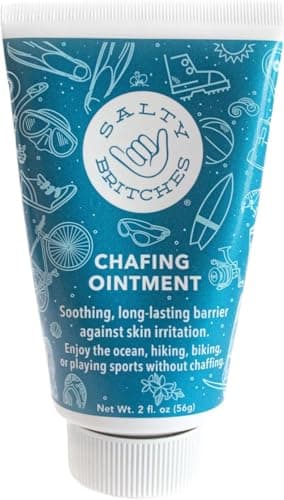
1 Best Anti Chafing Products Running in 2026 — Long-Lasting Protection for Miles Without Rub
If you’re dealing with inner-thigh rub, blister-prone feet, or underarm irritation on runs, the wrong anti-chafe product can turn a good workout into a miserable one. The best anti chafing products running should stay on through sweat, feel comfortable on skin, and be easy to apply before you head o
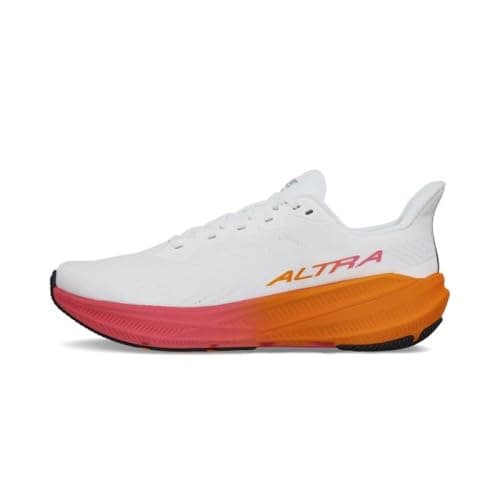
What is How to Start Running for Beginners? A Complete 2026 Guide
If you want to start running but feel overwhelmed by where to begin, you are not alone. The biggest beginner mistakes are usually starting too fast, choosing the wrong shoes, and doing too much too soon. This guide breaks down how to start running for beginners in a simple, practical way so you can
8 Best Treadmill Running Shoes in 2026 — Most Comfortable Picks for Indoor Miles
If treadmill runs leave your feet hot, cramped, or beat up, the right shoe can make a huge difference. The best treadmill running shoes usually balance cushioning, breathability, stability, and a fit that feels natural over repetitive indoor miles. In this research-based roundup, we compared specs,