

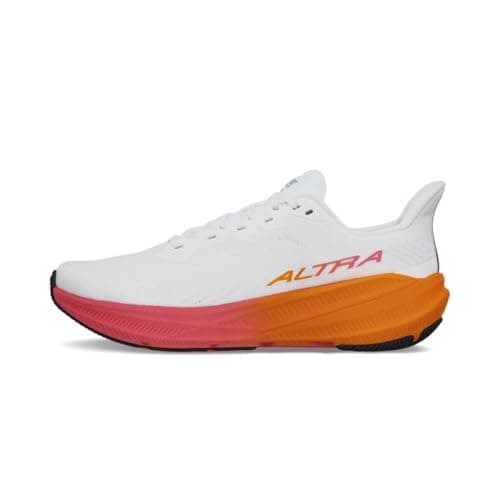
Who this is for: Best for new runners who need a simple, safe way to build endurance and choose supportive beginner-friendly shoes.
Check PriceWhat is How to Start Running for Beginners? A Complete 2026 Guide
If you want to start running but feel overwhelmed by where to begin, you are not alone. The biggest beginner mistakes are usually starting too fast, choosing the wrong shoes, and doing too much too soon. This guide breaks down how to start running for beginners in a simple, practical way so you can build fitness safely and stay consistent.
Related Reviews
Running for beginners is the process of easing your body into a new impact-based exercise using a gradual mix of walking, jogging, recovery, and the right gear. Instead of trying to run nonstop on day one, the goal is to improve endurance step by step while reducing injury risk and frustration. With a smart plan, most beginners can turn running from intimidating to manageable in just a few weeks.
How It Works
Running works by repeatedly loading your muscles, joints, tendons, and cardiovascular system in short bursts, then giving them time to recover. As your body adapts, your heart becomes more efficient, your breathing feels easier, and your legs can handle more work with less strain. That is why beginners usually do best with a walk-run approach instead of all-out running sessions.
From a practical standpoint, the “technology” behind beginner running is not complicated: it is progressive overload. You start with a workload your body can tolerate, then slowly increase time, distance, or frequency so your fitness improves without overwhelming your tissues. This is also why comfortable shoes, stable footing, and a reasonable pace matter so much in the early stage.
For most new runners, the best system is simple:
- Warm up with walking for 5 to 10 minutes.
- Alternate short jogging intervals with walking breaks.
- Keep the pace conversational so you can speak in short sentences.
- Rest or cross-train between runs.
- Increase only one variable at a time.
Key Benefits & Use Cases
Learning how to start running for beginners has benefits beyond cardio fitness. It is one of the most accessible forms of exercise because you can do it almost anywhere, and it does not require a gym membership or complicated equipment. When started correctly, running can also support weight management, stress relief, and better daily energy.
Key Benefits
- Improves heart and lung fitness over time.
- Can help with weight control when paired with consistent habits.
- May improve mood and reduce stress for many people.
- Builds discipline and a measurable sense of progress.
- Can be scaled up or down depending on your schedule.
Common Use Cases
- People who want a simple beginner workout plan.
- Walkers who want to progress into jogging.
- Busy adults looking for a low-cost fitness routine.
- New exercisers who want a clear, structured start.
- Anyone training for a 5K or personal fitness goal.
What to Look For When Buying
If you are buying gear for beginner running, focus on comfort, fit, and support first. You do not need the most expensive product on the shelf, but you do need the right match for your feet, terrain, and goals. These five criteria matter most.
1. Fit and Toe Room
Your shoes should not pinch your toes or squeeze the forefoot. Beginners often benefit from a roomier toe box so the foot can spread naturally during landing and push-off.
2. Cushioning and Comfort
Soft cushioning can make early runs feel less harsh, especially if your body is still adapting to impact. The right amount depends on whether you want a plush ride or a more grounded feel.
3. Stability and Security
A secure midfoot and heel help reduce slipping inside the shoe. This matters when you are still learning your stride and need predictable support.
4. Traction for Your Surface
Road runners and trail runners need different outsoles. Smooth pavement favors a lighter road shoe, while dirt paths and uneven terrain call for better grip and protection.
5. Value and Durability
For beginners, the best buy is usually a shoe that balances price, comfort, and long-term wear. If you are unsure how often you will run, a versatile, durable option can be the smarter first purchase.
Top Recommended Products
Below are research-based product picks that can support beginners depending on whether you plan to run mostly on roads or trails. These recommendations are based on published specs, owner feedback patterns, and product comparisons rather than hands-on testing.
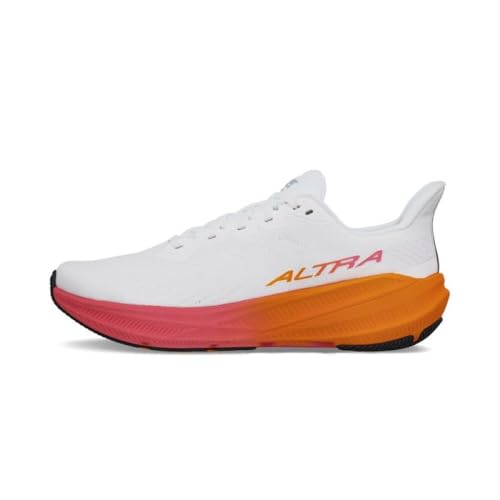
ALTRA Women's Experience Flow 2 Road Running Shoe, White/Orange, 9 ✓ Prime 29% OFF — Was $140.00


$99.99
This road-running shoe is a strong beginner-friendly option if you want a light, efficient ride with extra room for toe movement. Altra’s FootShape fit and rocker design are aimed at making transitions feel smoother, while the EGO P35 midsole is designed for a comfortable underfoot feel.
- ✓ FootShape fit gives the toes room to move freely.
- ✓ Rocker shape is designed to support an efficient toe-off.
- ✓ Lightweight midsole foam aims for an easy, comfortable ride.
- ✓ Prime shipping adds convenience for quick delivery.
- ✓ Discounted price improves value versus the original MSRP.
- ✗ Runs narrow, so some buyers may need to size up half a size.
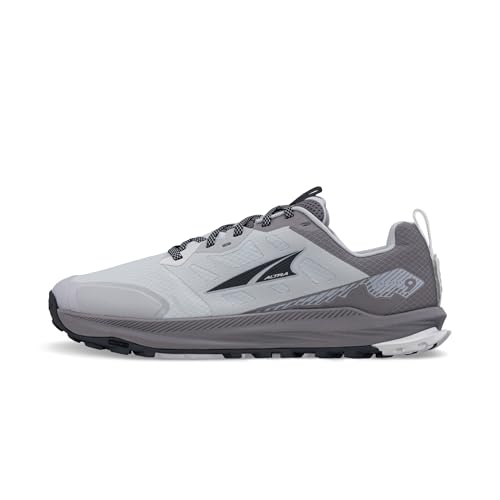
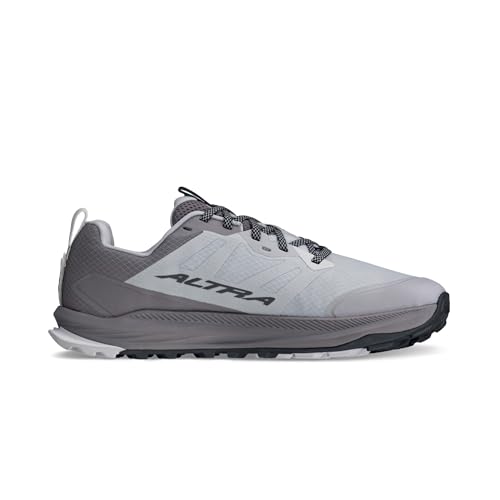
ALTRA Men's Lone Peak 9 Trail Running Shoe, Gray, 11 ✓ Prime

$144.95
If your beginner running plan includes dirt paths, gravel, or uneven terrain, this trail shoe is built for grip and protection. The MaxTrac outsole, StoneGuard protection, and APMA seal make it appealing for runners who want a more secure off-road option.
- ✓ Grippy outsole is designed for traction on varied terrain.
- ✓ StoneGuard adds underfoot protection on rough trails.
- ✓ APMA Seal of Acceptance suggests good foot-health support.
- ✓ Prime shipping is included.
- ✗ Trail-focused design may be more shoe than a pavement-only beginner needs.
- ✗ Higher price than some entry-level road options.
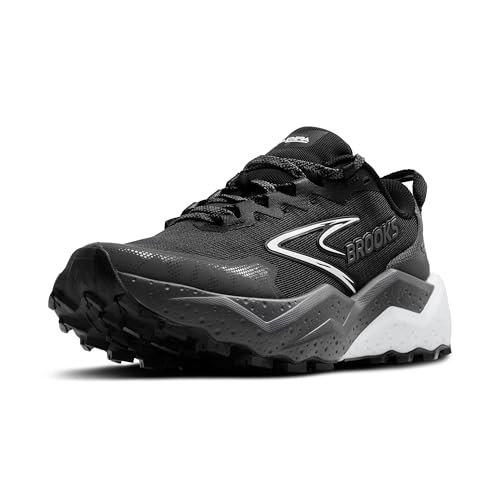
Brooks Men’s Caldera 8 Ultra Trail Running Shoe - Black/Blackened Pearl/White - 10.5 Medium ✓ Prime 33% OFF — Was $149.95

$99.87
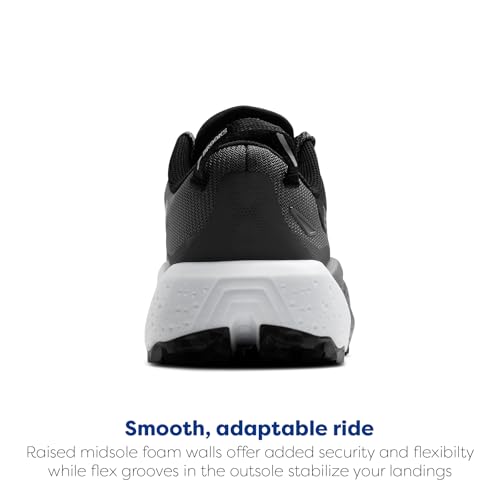
This is a plush trail option for beginners who want more cushioning on longer off-road runs or hikes. The high-stacked DNA Loft v3 foam, stable base, and breathable upper make it a comfort-first pick for rough terrain.
- ✓ Soft, high-stack cushioning helps protect against rough ground.
- ✓ Raised sidewalls add security and stabilization.
- ✓ Breathable upper supports better ventilation and moisture management.
- ✓ Prime shipping is included.
- ✓ Discount makes it more competitive for a premium trail shoe.
- ✗ Ultra-trail design may be overkill for simple road running.
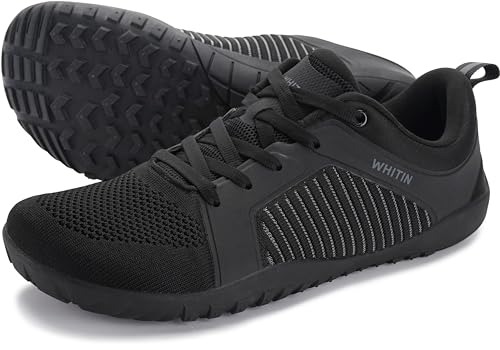
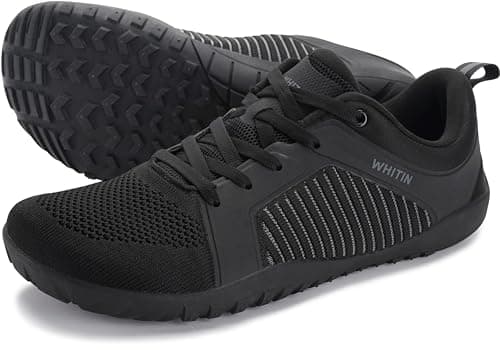
WHITIN Men's Wide Toe Box Trail Running Shoes Barefoot Minimalist Zero Drop Size 12 Cross Training Walking Fitness Lightweight Hiking All Black 45 ✓ Prime 23% OFF — Was $55.88


$42.99
This budget-friendly minimalist option may appeal to beginners who want a wide toe box and a more natural-feeling stride. Because minimalist shoes can feel very different from traditional running shoes, they are best for runners who understand they may need a slower transition period.
- ✓ Spacious forefoot supports natural toe splay.
- ✓ Lightweight build can feel easy and flexible.
- ✓ Grippy outsole helps on trails and mixed surfaces.
- ✓ Prime shipping is included.
- ✓ Lowest price in this group makes it a strong value pick.
- ✗ Minimalist, zero-drop design may require adaptation time for new runners.
Common Mistakes to Avoid
Most beginner running problems come from doing too much too soon or choosing gear that does not fit the actual plan. If you avoid the mistakes below, you will usually make progress faster and with less frustration.
- Starting too fast: Sprinting or running every workout at a hard pace makes burnout and soreness more likely.
- Skipping walk breaks: Walk-run intervals are often the safest way to build endurance early on.
- Wearing the wrong shoes: Poor fit, narrow toe boxes, or the wrong surface-specific shoe can make running feel harder than it should.
- Increasing volume too quickly: Add time or distance gradually instead of stacking big jumps week to week.
- Ignoring recovery: Rest days, sleep, and easier runs help your body adapt.
- Choosing minimalist shoes too early: A zero-drop or barefoot-style shoe can be useful, but it may not be the easiest starting point for everyone.
Frequently Asked Questions
How do beginners start running without getting tired?
Use a walk-run method, keep your pace conversational, and start with short intervals like 1 minute jogging and 2 minutes walking. Gradually increase the jogging portion as your fitness improves.
How many times a week should a beginner run?
Most beginners do well starting with 2 to 3 run days per week. That gives your body enough stimulus to adapt while still leaving time for recovery.
What shoes are best for how to start running for beginners?
The best shoes are usually the ones that fit well, feel comfortable, and match your running surface. Beginners often benefit from a secure fit, enough toe room, and cushioning that feels supportive rather than harsh.
Should beginners run every day?
No, running every day is usually unnecessary at the start. Rest days help your muscles and joints adapt and can reduce the chance of overuse injuries.
Is walking before running a good idea for beginners?
Yes, walking first is one of the best ways to begin. It warms up the body, lowers injury risk, and makes the transition to running much easier.
Pros
- + Walk-run approach supports safer beginner progress
- + Comfortable shoes can improve early consistency
- + Road and trail options cover different needs
- + Budget and premium picks are both included
Cons
- – Minimalist shoes may require a slower transition
- – Some models run narrow or may need sizing up
- – Trail shoes can be overkill for pavement-only runners
Frequently asked questions
- How do beginners start running without getting tired?
- Use a walk-run method, keep your pace conversational, and start with short intervals like 1 minute jogging and 2 minutes walking. Gradually increase the jogging portion as your fitness improves.
- How many times a week should a beginner run?
- Most beginners do well starting with 2 to 3 run days per week. That gives your body enough stimulus to adapt while still leaving time for recovery.
- What shoes are best for how to start running for beginners?
- The best shoes are usually the ones that fit well, feel comfortable, and match your running surface. Beginners often benefit from a secure fit, enough toe room, and cushioning that feels supportive rather than harsh.
- Should beginners run every day?
- No, running every day is usually unnecessary at the start. Rest days help your muscles and joints adapt and can reduce the chance of overuse injuries.
- Is walking before running a good idea for beginners?
- Yes, walking first is one of the best ways to begin. It warms up the body, lowers injury risk, and makes the transition to running much easier.
Get the Full Outdoor Buyer's Guide
Join our free newsletter — we'll send our latest Outdoor picks, specs and verdicts straight to your inbox.
Free. No spam. Unsubscribe anytime.
Was this review helpful?
Be the first to share your feedback on this review.
Sign in to vote and let us know what you think.
Discussion (0)
No comments yet. Be the first to start the discussion.
Related Reviews
1 Best Anti Chafing Products Running in 2026 — Long-Lasting Protection for Miles Without Rub
If you’re dealing with inner-thigh rub, blister-prone feet, or underarm irritation on runs, the wrong anti-chafe product can turn a good workout into a miserable one. The best anti chafing products running should stay on through sweat, feel comfortable on skin, and be easy to apply before you head o
8 Best Treadmill Running Shoes in 2026 — Most Comfortable Picks for Indoor Miles
If treadmill runs leave your feet hot, cramped, or beat up, the right shoe can make a huge difference. The best treadmill running shoes usually balance cushioning, breathability, stability, and a fit that feels natural over repetitive indoor miles. In this research-based roundup, we compared specs,
What is Supershoes Explained Running? A Complete 2026 Guide
“Supershoes explained running” usually refers to the carbon-plate, superfoam race shoes that promise more speed with less effort. If you’ve heard runners talking about “energy return,” “rocker geometry,” or “plate propulsion” and wondered what it all means, you’re in the right place. This guide brea