

Who this is for: Best for runners who want a clear, beginner-friendly explanation of supershoe technology and how to choose the right type.
Check PriceWhat is Supershoes Explained Running? A Complete 2026 Guide
“Supershoes explained running” usually refers to the carbon-plate, superfoam race shoes that promise more speed with less effort. If you’ve heard runners talking about “energy return,” “rocker geometry,” or “plate propulsion” and wondered what it all means, you’re in the right place. This guide breaks down how supershoes work, who they’re for, what to look for, and where the technology fits alongside more affordable alternatives.
Related Reviews
How It Works
Supershoes combine two main ideas: an advanced foam midsole and a stiff plate, often made from carbon fiber. The foam is designed to compress and rebound efficiently, while the plate helps guide your stride and reduce energy loss as you move forward.
Think of it like a spring system. When your foot lands, the foam stores some of the impact and then returns some of that energy, while the plate helps the shoe stay stable and “roll” you through the toe-off more smoothly.
Many supershoes also use a rocker shape, which means the sole curves upward at the front. That shape can make transitions feel quicker and more efficient, especially at faster paces, without requiring you to force each stride.
Carbon plate vs. superfoam
The foam is the cushioning and rebound engine. The plate is the guidance and stiffness layer. Together, they can create a faster-feeling ride than a standard daily trainer, but the effect depends on your pace, mechanics, and the event you’re running.
Why runners notice them so much
Compared with traditional shoes, supershoes often feel lighter, bouncier, and more responsive. That’s why they’re most associated with races, tempo runs, and efforts where efficiency matters more than all-day comfort.
Key Benefits & Use Cases
Supershoes are popular because they can make hard efforts feel a little easier. The combination of lightweight construction, high-rebound foam, and plate-assisted propulsion is aimed at improving running economy, which is a fancy way of saying you may use less energy at the same pace.
Where they make the most sense
- Road races: 5Ks, 10Ks, half marathons, and marathons.
- Tempo workouts: Faster training sessions where a responsive shoe helps you hold pace.
- Efficiency-focused runners: People who want a more propulsive feel from each stride.
- Comfort-seeking runners: Many supershoes use softer, more protective foams for long efforts.
Potential advantages
- More energetic toe-off feel.
- Less harsh impact than older race flats.
- Can feel faster at marathon and threshold paces.
- Often lighter than traditional cushioned trainers.
That said, supershoes are not automatically “better” for every runner. Some people prefer more stable, more natural-feeling shoes, especially for everyday mileage, walking, or foot-strength work.
What to Look For When Buying
If you’re shopping for supershoes or supershoe-adjacent running footwear, focus on these five criteria.
1. Midsole foam type
Look for terminology like supercritical foam, nitrogen-infused foam, or highly responsive PEBA-based foam. These materials are commonly used because they’re light, soft, and rebound quickly.
2. Plate or propulsion system
A carbon plate is the classic supershoe feature, but not every fast shoe uses one. Some models rely on rocker geometry and foam design instead. Decide whether you want the firm, guided feel of a plate or a more natural ride.
3. Stack height and stability
Very tall midsoles can feel luxurious, but they may also feel less stable for some runners. If you overpronate, take sharp turns often, or prefer a grounded feel, stability details matter a lot.
4. Fit and toe box shape
Race shoes should fit snugly without crushing your toes. A roomier toe box can improve comfort over longer distances, while a narrow fit may feel more secure for speed work.
5. Intended use
Choose based on the job. A marathon supershoe, a tempo trainer, and a trail shoe are built differently. If you buy the wrong type, you may get the wrong balance of bounce, grip, and durability.
Top Recommended Products
Below are research-based picks from the provided list. They are not all true supershoes, but they help show how different running shoes compare in foam, geometry, and ride feel.
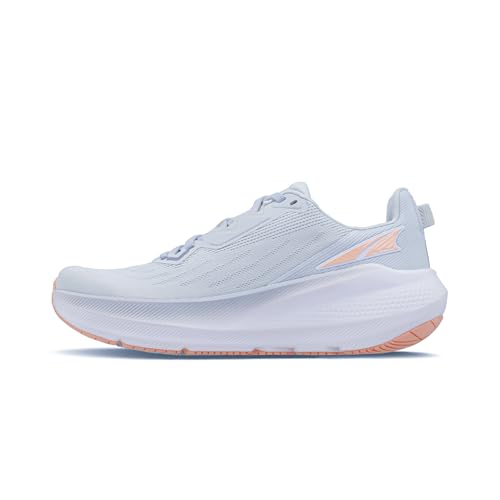
ALTRA Women's FWD VIA Road Running Shoe (estimated from product positioning)
This is a strong option for runners who want a softer, more guided road shoe with some of the same “forward motion” ideas that make supershoes appealing. Its APMA Seal of Acceptance, supercritical foam, and rocker shape make it especially interesting for comfort-focused runners who still want an efficient toe-off.
- ✓ APMA Seal of Acceptance for foot-health support.
- ✓ Altra EGO FLO supercritical midsole foam for a lightweight, soft feel.
- ✓ Rocker shape helps create a forward-propelling sensation.
- ✓ Good fit for runners who want efficiency without a harsh ride.
- ✗ Not a true carbon-plate supershoe.
- ✗ May not deliver the same aggressive race-day snap as top-tier marathon shoes.
ALTRA Men's Torin 8 Road Running Shoe (estimated from product positioning)
The Torin 8 is a road trainer that borrows some of the comfort and geometry ideas runners like in modern performance shoes, especially its balanced cushioning and responsive foam. It’s a practical choice for runners who want a comfortable daily shoe with a roomy forefoot rather than a hard-edged race platform.
- ✓ Altra EGO foam aims for added energy return and a soft, responsive feel.
- ✓ Altra EGO MAX midsole adds bounce and durability.
- ✓ Balanced Cushioning supports a low-impact running form.
- ✓ FootShape toe box gives toes more room to spread.
- ✗ Not a plated supershoe.
- ✗ More of a comfort trainer than a pure speed shoe.
 Brooks Men’s Caldera 8 Ultra Trail Running Shoe (estimated from product positioning)
This is not a road supershoe, but it’s useful as a comparison point because it shows how modern performance shoes can use high-stack cushioning and geometry to improve comfort and efficiency. For trail runners, the Caldera 8 prioritizes protection, stability, and long-distance comfort over race-day speed.
- ✓ DNA Loft v3 cushioning is high-stacked and nitrogen-infused for plush comfort.
- ✓ Raised sidewalls add security and stabilization.
- ✓ Breathable upper helps with ventilation and moisture management.
- ✓ Suitable for long-distance trail runners who want protection.
- ✗ Not a supershoe for road racing.
- ✗ Heavier, more protective build may feel less snappy at speed.
 Barefoot Shoes Women Casual Sneakers (estimated from product positioning)
This minimalist shoe sits at the opposite end of the spectrum from supershoes. It’s included because many runners researching supershoes also want to understand alternatives: zero-drop, wide-toe-box shoes that promote a more natural feel and foot engagement.
- ✓ Wide toe box supports a more natural toe spread.
- ✓ Zero-drop sole encourages a flatter, more grounded stance.
- ✓ Lightweight and breathable for casual wear or light trail use.
- ✓ Flexible rubber sole adds slip resistance.
- ✗ Not designed for plated race performance.
- ✗ Minimal cushioning may not suit runners wanting supershoe bounce.
Common Mistakes to Avoid
Supershoes can be exciting, but a few common mistakes can make them less effective or less comfortable than expected.
Buying the wrong shoe for the wrong job
A race-day shoe is not always the best training shoe. If you use a highly aggressive model for every run, it may feel unstable, wear out faster, or simply not match your easy-day needs.
Assuming more foam always means more speed
Very soft, very tall shoes can feel great, but they are not automatically faster for every runner. Fit, stability, and your stride pattern matter just as much as foam technology.
Ignoring comfort in the toe box
Supershoes often fit snugly for performance, but your toes still need room to move. If the forefoot feels cramped, the shoe may become uncomfortable over longer distances.
Expecting the plate to do all the work
A carbon plate can enhance efficiency, but it does not replace training, pacing, or good mechanics. The shoe can help, but it cannot create fitness.
Choosing based only on hype
Popular race shoes get a lot of attention, but the best shoe is the one that fits your foot, your event, and your goals. Reading specs and owner feedback is often more useful than chasing the newest trend.
Frequently Asked Questions
What are supershoes in running?
Supershoes are running shoes that typically use lightweight, high-rebound foam and a stiff plate or rocker design to improve efficiency and create a faster-feeling ride.
Do carbon plates really make you faster?
They can help some runners feel more efficient, especially at race pace, but results vary. The biggest gains usually come when the plate works together with advanced foam and a well-designed geometry.
Are supershoes only for elite runners?
No. Many recreational runners use them for races or key workouts. However, the benefits may be more noticeable for runners who can hold a steady, faster pace.
Can I use a supershoe for daily training?
You can, but many runners prefer to save supershoes for races and workouts because they may be less durable, less stable, or more expensive than daily trainers.
What’s the difference between superfoam and a carbon plate?
Superfoam provides the cushioning and rebound, while the carbon plate adds stiffness and helps guide the stride. The best supershoes use both features together.
Pros
- + Carbon plate and superfoam can improve running efficiency
- + Rocker geometry can create a smoother toe-off
- + High-rebound midsoles often feel lighter and faster
- + Some models add comfort and protection for long efforts
Cons
- – Not every runner benefits equally
- – Can be less stable than traditional trainers
- – Often more expensive than daily running shoes
- – May be less durable for everyday mileage
Frequently asked questions
- What are supershoes in running?
- Supershoes are running shoes that typically use lightweight, high-rebound foam and a stiff plate or rocker design to improve efficiency and create a faster-feeling ride.
- Do carbon plates really make you faster?
- They can help some runners feel more efficient, especially at race pace, but results vary. The biggest gains usually come when the plate works together with advanced foam and a well-designed geometry.
- Are supershoes only for elite runners?
- No. Many recreational runners use them for races or key workouts. However, the benefits may be more noticeable for runners who can hold a steady, faster pace.
- Can I use a supershoe for daily training?
- You can, but many runners prefer to save supershoes for races and workouts because they may be less durable, less stable, or more expensive than daily trainers.
- What’s the difference between superfoam and a carbon plate?
- Superfoam provides the cushioning and rebound, while the carbon plate adds stiffness and helps guide the stride. The best supershoes use both features together.
Get the Full Outdoor Buyer's Guide
Join our free newsletter — we'll send our latest Outdoor picks, specs and verdicts straight to your inbox.
Free. No spam. Unsubscribe anytime.
Was this review helpful?
Be the first to share your feedback on this review.
Sign in to vote and let us know what you think.
Discussion (0)
No comments yet. Be the first to start the discussion.
Related Reviews

8 Best Running Gear for Winter 2026 — Stay Warm, Visible, and Hydrated on Cold Miles
If winter running is leaving you cold, under-hydrated, or bouncing around with gear that just won’t stay put, you’re not alone. The best running gear for winter 2026 should help you stay comfortable in low temperatures, carry water without distraction, and keep your stride feeling natural on icy or

1 Best Anti Chafing Products Running in 2026 — Long-Lasting Protection for Miles Without Rub
If you’re dealing with inner-thigh rub, blister-prone feet, or underarm irritation on runs, the wrong anti-chafe product can turn a good workout into a miserable one. The best anti chafing products running should stay on through sweat, feel comfortable on skin, and be easy to apply before you head o

What is How to Start Running for Beginners? A Complete 2026 Guide
If you want to start running but feel overwhelmed by where to begin, you are not alone. The biggest beginner mistakes are usually starting too fast, choosing the wrong shoes, and doing too much too soon. This guide breaks down how to start running for beginners in a simple, practical way so you can