


Who this is for: Best for homeowners and renters who want to size a small battery backup for essential devices during outages.
Check PriceWhat is How to Size a Home Battery Backup? A Complete 2026 Guide
If you’re trying to figure out how to size a home battery backup, the biggest challenge is matching your real power needs to a battery that won’t run out too fast or cost more than necessary. A system that’s too small may fail during an outage, while one that’s too large can waste money on capacity you’ll rarely use. This guide explains the sizing process in plain English and highlights a few portable backup options that can help in smaller emergency setups.
Related Reviews
A home battery backup is a stored-energy system that supplies electricity when the grid goes down or when you need portable power for essential devices. Sizing one means estimating which devices you want to run, how much power they draw, and for how long you need them to stay on. The goal is to choose a battery with enough usable capacity and output to cover your priorities without overspending.
How It Works
A battery backup system stores electricity in a rechargeable battery and then converts that stored energy into usable power for your devices. In a home setting, that often means feeding AC power to lights, routers, phones, fans, or small appliances through an inverter. The inverter matters because it changes the battery’s DC energy into the AC power your household devices expect.
When you size a backup correctly, you’re really balancing three things: power, capacity, and runtime. Power is how much a device needs at once, capacity is how much energy the battery holds, and runtime is how long the battery can keep everything running. For example, a small battery may technically power a mini fridge or laptop, but only for a limited number of hours depending on the load.
For many shoppers, the easiest way to think about sizing is to list the essentials you want during an outage, add up their wattage, and estimate how many hours you need. Then you compare that total to the battery’s watt-hours and output rating. That’s why a battery with a strong inverter and enough usable capacity is more important than simply choosing the cheapest option.
Key Benefits & Use Cases
Why sizing matters
- It helps you avoid buying a battery that can’t support your most important devices.
- It prevents overspending on capacity you don’t actually need.
- It improves outage planning by matching runtime to your real emergency priorities.
Common use cases
- Emergency backup: Keeping phones charged, running lights, or powering a router during short outages.
- Small appliance support: Handling low-wattage devices like fans, TVs, or laptops.
- Portable power: Useful for camping, tailgating, or remote work setups where wall power is unavailable.
- Targeted backup for special equipment: Some battery units are designed for safe boxes, locks, or other low-power systems.
What to Look For When Buying
1) Watt-hours, not just marketing claims
Watt-hours tell you how much energy the battery stores. This is one of the most important numbers when learning how to size a home battery backup, because it helps estimate runtime.
2) Continuous output rating
Check how many watts the inverter can supply continuously. A battery may have enough stored energy but still fail if your device draws more power than the output limit.
3) Surge capability
Some appliances need extra power to start up. If you plan to run anything with a motor or compressor, surge handling becomes important.
4) Port selection and compatibility
Look for the type of outputs you actually need, such as AC outlets, USB ports, or DC ports. Compatibility is especially important if you want to charge phones, laptops, or run small electronics.
5) Recharge speed and portability
Fast recharge times help if you expect repeated outages. Weight and size matter too, especially if you want a battery you can move between rooms or take on the road.
Top Recommended Products
The products below are not whole-home systems, but they can be useful reference points for smaller emergency loads, portable backup needs, or low-power device support. They also show the difference between a compact power station and a specialized backup battery.
powkey 200W Portable Power Bank with AC Outlet 120V, 146Wh Power Station


This compact power station is the more practical of the two products for readers who want a simple example of portable backup sizing. Its 146Wh battery, 200W output, and multiple ports make it better suited to phones, laptops, lights, fans, and other low-wattage essentials than to full household backup. The pure sine wave AC output is especially helpful for sensitive electronics.
- ✓ 146Wh capacity is easy to understand for small backup planning
- ✓ 200W output supports many low-power essentials
- ✓ Pure sine wave output is better for electronics compatibility
- ✓ Lightweight and portable at about 3.0 lbs net weight
- ✓ Fast recharge time of about 5–6 hours
- ✗ Not suitable for high-wattage appliances
- ✗ Limited runtime for larger loads
- ✗ Heating products must stay under 100W
FOYTOKI Emergency Battery Pack with Six Portable Power Supply for Devices Lightweight and Secure Backup Battery Unit for Various Settings Theft Design for Enhanced Safety


This product is much more specialized and is not a general household battery backup. Based on the published features, it appears aimed at safe boxes, door locks, LED lights, and similar low-power security applications rather than everyday home outage support. It can still be useful as an example of how backup sizing changes when your load is extremely small and specific.
- ✓ Very low-cost option for niche emergency use
- ✓ Designed for compatibility with safe boxes and door locks
- ✓ Lightweight and simple to deploy
- ✓ Useful for specialized backup scenarios
- ✗ Not a general-purpose home battery backup
- ✗ No clear watt-hour or runtime specs for household planning
- ✗ Not suited to standard appliances or electronics
Common Mistakes to Avoid
1) Buying by outlet count alone
More outlets do not mean more usable power. A battery still has a fixed capacity and output limit, so you need to check the actual wattage and watt-hours.
2) Ignoring startup surges
Some devices need a brief burst of extra power when turning on. If you skip this step, a battery that looks adequate on paper may shut off unexpectedly.
3) Forgetting runtime math
Many buyers look only at battery size and forget that runtime depends on the load. A 146Wh unit can last much longer on a phone than on a fan or mini fridge.
4) Choosing the wrong type of backup
A compact portable power station is not the same as a whole-home battery system. If you need to run central air, refrigerators, or large circuits, you’ll need a much larger solution.
5) Overestimating what a small battery can do
It’s easy to assume a battery labeled as a “power station” can handle anything in a house. In reality, many compact units are best for essentials, not major appliances.
Frequently Asked Questions
How do I calculate the right battery size for my home backup?
List the devices you want to run, add their wattage, and estimate how many hours you need them to stay on. Then compare that total to the battery’s watt-hours and output rating.
What size battery backup do I need for a refrigerator?
It depends on the fridge’s running watts and startup surge, plus how long you want it powered. Small portable units often are not enough for a refrigerator unless the load is very modest and runtime needs are short.
Is watt-hours the same as watts?
No. Watts measure power draw at a moment in time, while watt-hours measure stored energy over time. Both matter when sizing a battery backup.
Can a small portable power station replace a whole-home battery?
No. A small portable power station is usually best for essentials like phones, laptops, lights, and small electronics. Whole-home backup requires much larger capacity and higher output.
What is the most important number to check before buying?
For sizing, watt-hours and continuous output are the two most important numbers. Watt-hours tell you how long it can run, and output tells you what it can power at once.
Pros
- + Explains battery sizing in simple terms
- + Shows why watt-hours and output both matter
- + Includes portable backup examples for small loads
- + Covers common sizing mistakes
- + Uses researched specs and owner-facing product details
Cons
- – Not a whole-home system guide
- – The product list includes one niche security battery
- – Portable units have limited runtime for larger appliances
Frequently asked questions
- How do I calculate the right battery size for my home backup?
- List the devices you want to run, add their wattage, and estimate how many hours you need them to stay on. Then compare that total to the battery’s watt-hours and output rating.
- What size battery backup do I need for a refrigerator?
- It depends on the fridge’s running watts and startup surge, plus how long you want it powered. Small portable units often are not enough for a refrigerator unless the load is very modest and runtime needs are short.
- Is watt-hours the same as watts?
- No. Watts measure power draw at a moment in time, while watt-hours measure stored energy over time. Both matter when sizing a battery backup.
- Can a small portable power station replace a whole-home battery?
- No. A small portable power station is usually best for essentials like phones, laptops, lights, and small electronics. Whole-home backup requires much larger capacity and higher output.
- What is the most important number to check before buying?
- For sizing, watt-hours and continuous output are the two most important numbers. Watt-hours tell you how long it can run, and output tells you what it can power at once.
Get the Full Outdoor Buyer's Guide
Join our free newsletter — we'll send our latest Outdoor picks, specs and verdicts straight to your inbox.
Free. No spam. Unsubscribe anytime.
Was this review helpful?
Be the first to share your feedback on this review.
Sign in to vote and let us know what you think.
Discussion (0)
No comments yet. Be the first to start the discussion.
Related Reviews
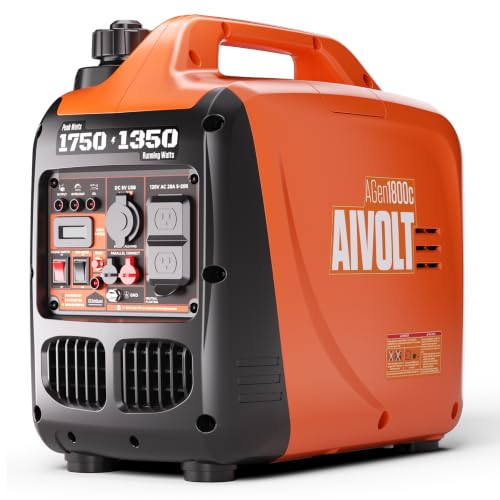
8 Best Inverter Generators for Camping in 2026 — Quiet, Portable Power for the Outdoors
If you’re trying to find the best inverter generators for camping 2026, the challenge is balancing quiet operation, clean power, and easy portability without overbuying. The picks below focus on models that are well-suited for campsites, RV trips, tailgates, and backup power based on published specs
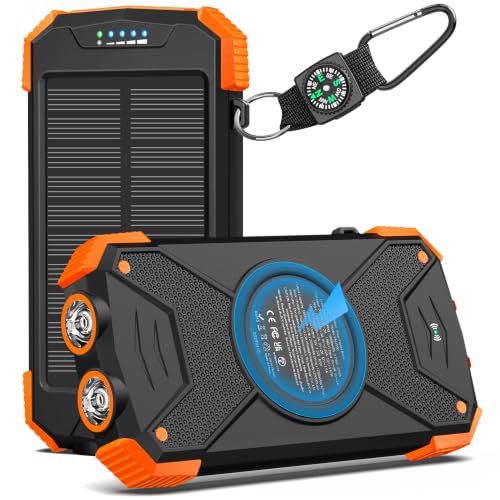
8 Best Solar Phone Chargers in 2026 — Reliable Backup Power for Travel, Camping, and Emergencies
If your phone dies when you’re off-grid, on a road trip, or during a blackout, a solar charger can be a smart backup—but not all “solar” power banks are equally useful. The best solar phone chargers 2026 combine dependable battery capacity, fast USB-C charging, rugged builds, and solar panels that c

What is LiFePO4 vs Lithium Ion Explained? A Complete 2026 Guide
If you’re trying to understand lifepo4 vs lithium ion explained , the biggest challenge is usually separating marketing terms from real battery differences. Both battery types power everything from flashlights to portable power stations, but they behave differently in safety, lifespan, weight, and c