

Who this is for: Best for buyers who want a simple, research-based comparison of battery chemistry for backup power, solar, and everyday electronics.
Check PriceWhat is LiFePO4 vs Lithium Ion Explained? A Complete 2026 Guide
If you’re trying to understand lifepo4 vs lithium ion explained, the biggest challenge is usually separating marketing terms from real battery differences. Both battery types power everything from flashlights to portable power stations, but they behave differently in safety, lifespan, weight, and cost. This guide breaks it down in plain English so you can choose the right chemistry for your device or backup power needs.
Related Reviews
How It Works
At a simple level, both LiFePO4 and lithium-ion batteries store energy by moving lithium ions between two electrodes: a cathode and an anode. When the battery charges, ions move one direction; when it discharges, they move back and release electricity to power your device.
The main difference is the cathode material. Traditional lithium-ion batteries often use chemistries like NMC or NCA, which pack more energy into a smaller size, while LiFePO4 uses lithium iron phosphate, a chemistry known for better thermal stability and longer cycle life.
That chemical difference changes how the battery behaves in the real world. LiFePO4 batteries are typically safer, more durable, and better for frequent deep cycling, while many lithium-ion batteries are lighter and more compact for the same amount of stored energy.
Key Benefits & Use Cases
Why LiFePO4 stands out
LiFePO4 batteries are popular because they tend to last longer, handle repeated charging better, and run cooler under stress. That makes them especially attractive for backup power, solar storage, RV setups, and devices that are charged and drained often.
Where traditional lithium-ion still makes sense
Standard lithium-ion batteries are often chosen when size and weight matter most. You’ll see them in many phones, laptops, and compact electronics where high energy density is more important than maximum lifespan.
Best-fit use cases
- LiFePO4: portable power stations, solar storage, RV batteries, emergency backup, and frequent-cycle applications.
- Lithium-ion: slim consumer electronics, lightweight tools, and devices where compact design is a priority.
- Hybrid buying logic: choose LiFePO4 if you want longevity and safety; choose lithium-ion if you need the smallest, lightest pack possible.
What to Look For When Buying
1) Battery chemistry
Check whether the product is LiFePO4 or another lithium-ion chemistry. This single detail affects lifespan, safety, and how often the battery can be cycled.
2) Cycle life
Cycle life tells you how many full charge/discharge cycles the battery can handle before capacity drops significantly. Higher cycle life usually means better long-term value.
3) Capacity and voltage
Look at watt-hours, amp-hours, or milliamp-hours depending on the product. Capacity tells you how long it can run your devices, while voltage must match the equipment you plan to power.
4) Output and charging speed
For power stations and larger batteries, output wattage and charging options matter a lot. You want enough output for your appliance and enough input flexibility for AC, solar, or car charging.
5) Safety features and build quality
Good battery products should include a battery management system, temperature monitoring, and overcharge/overcurrent protection. These features are especially important for larger LiFePO4 packs and portable power stations.
Top Recommended Products
Below are a few products that help illustrate how LiFePO4 shows up in real-world buying decisions, from small cells to portable backup power. These are research-based recommendations drawn from published specs, feature lists, and owner feedback patterns.
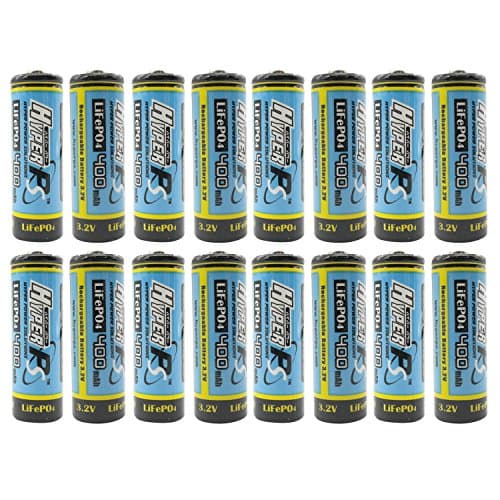
HyperPS (16-Pack) 3.2V LiFePo4 14430 ✓ Prime
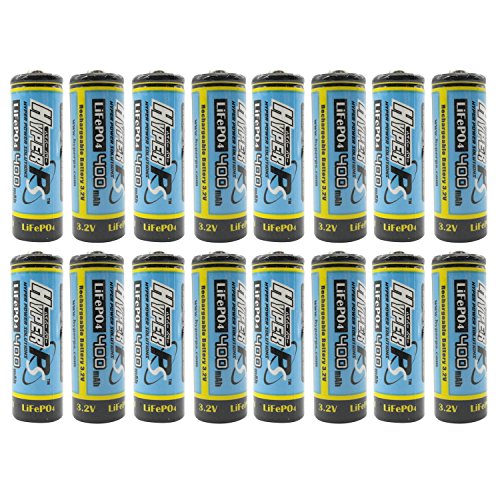


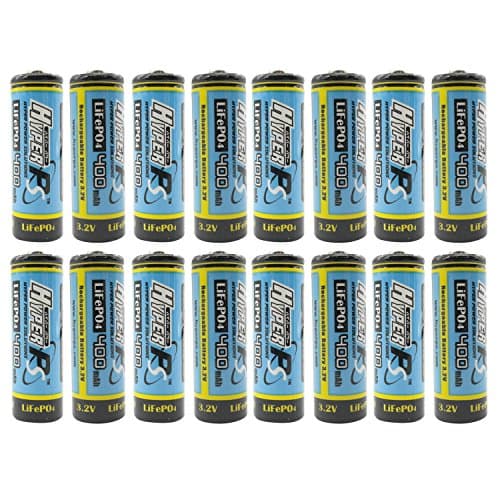
This small-format LiFePO4 battery pack is a good example of how the chemistry appears in compact devices. It uses 3.2V LiFePO4 cells with 400mAh capacity, making it suitable for niche products like solar lights, toothbrushes, shavers, and flashlights.
- ✓ LiFePO4 chemistry with long-cycle potential
- ✓ Compact size for specialty devices
- ✓ 16-pack offers value for multi-battery replacements
- ✓ Prime shipping availability
- ✓ Useful for low-drain household electronics
- ✗ Not a AA-size replacement
- ✗ Low capacity limits use to small devices
- ✗ Requires correct fit and voltage matching
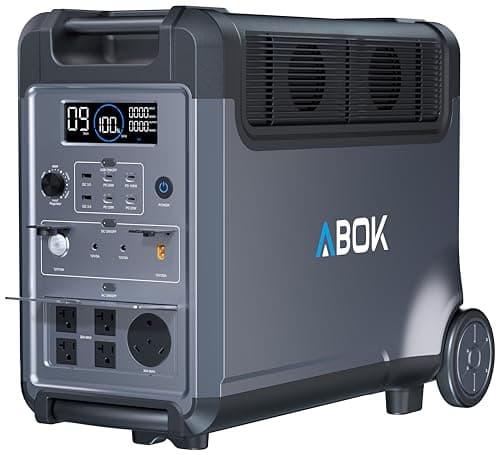
ABOK Ark3600 Portable Power Station 3600W, 3840Wh LiFePO4 Battery ✓ Prime 8% OFF — Was $1299.00
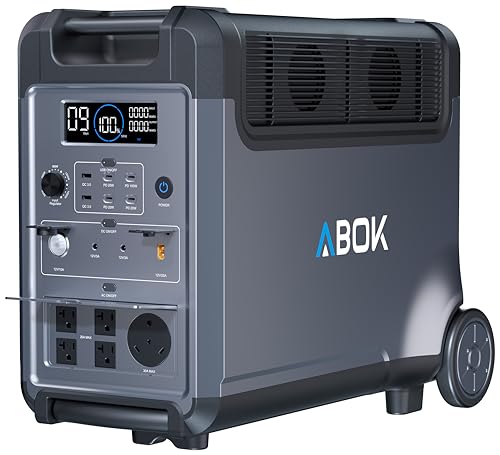
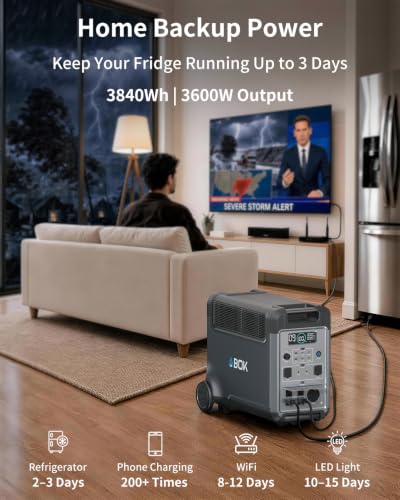

This is the kind of product that makes LiFePO4 compelling for serious backup power. With 3840Wh capacity, 3600W rated output, and a claimed 4000+ cycle lifespan, it’s built for users who want a long-term energy solution rather than a short-term gadget battery.
- ✓ Large LiFePO4 capacity for home backup and RV use
- ✓ High output supports many household appliances
- ✓ Multiple charging methods including solar
- ✓ Long claimed cycle life and durability
- ✓ Wheels and telescoping handle improve portability
- ✗ Expensive compared with smaller power stations
- ✗ Heavy and not ideal for casual carry
- ✗ Overkill for simple phone charging needs
DARAN Portable Power Station 89.6Wh LiFePO4 Battery 100W(200W Peak) ✓ Prime 10% OFF — Was $75.99
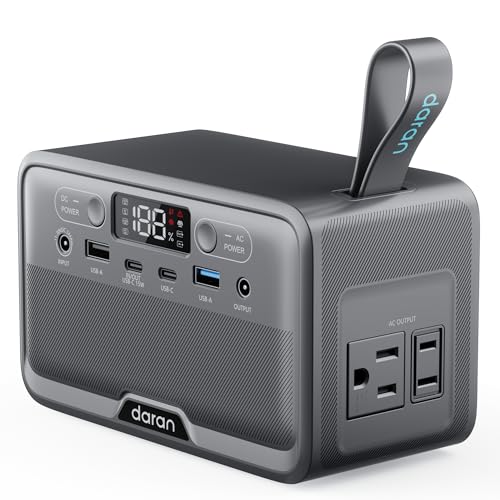
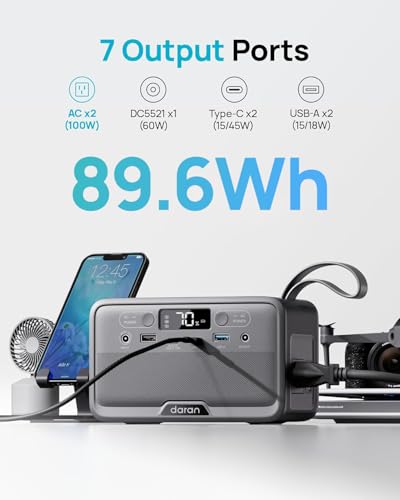
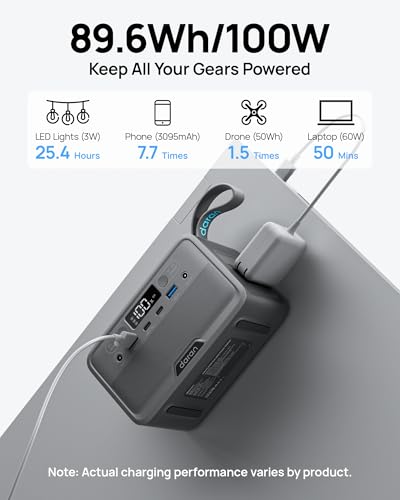
This compact option is useful if you want LiFePO4 safety and cycle life in a small, portable package. Its 89.6Wh capacity, AC outlets, and fast charging make it a practical pick for light emergency use, camping, and charging small electronics.
- ✓ Very compact and backpack-friendly
- ✓ LiFePO4 battery with strong cycle life claims
- ✓ AC and USB-C output add flexibility
- ✓ Fanless operation keeps noise low
- ✓ Good for phones, laptops, and small gear
- ✗ Limited to devices under 100W
- ✗ Not suitable for larger appliances
- ✗ Solar panel sold separately
Common Mistakes to Avoid
- Assuming all lithium batteries are the same. LiFePO4 and standard lithium-ion are related, but they are not interchangeable in every use case.
- Buying by capacity alone. A battery with high Wh or mAh still may not work if voltage, connector type, or output limits don’t match your device.
- Ignoring size and fit. Some batteries, like the HyperPS pack, are not AA replacements even if they look similar at a glance.
- Choosing the wrong chemistry for the job. If you need the lightest possible battery, traditional lithium-ion may be better; if you need long life and safety, LiFePO4 often wins.
- Overlooking protection systems. For larger packs, a quality BMS and thermal safeguards are essential.
Frequently Asked Questions
Is LiFePO4 better than lithium-ion?
It depends on the application. LiFePO4 is usually better for safety, lifespan, and frequent cycling, while traditional lithium-ion is often better when you need a smaller, lighter battery.
Why do LiFePO4 batteries last longer?
LiFePO4 chemistry is more stable during charging and discharging, which helps it tolerate more cycles before capacity drops significantly.
Can I replace lithium-ion with LiFePO4?
Not always. You need to match voltage, physical size, charging requirements, and device compatibility before swapping battery chemistries.
Are LiFePO4 batteries safer?
Generally, yes. They are known for better thermal stability and lower risk of overheating compared with many other lithium-ion chemistries.
What is the best use for LiFePO4?
LiFePO4 is best for portable power stations, solar storage, RV systems, and other applications where long life and repeated cycling matter most.
Pros
- + Long cycle life
- + Better thermal stability
- + Good for backup power
- + Works well for frequent cycling
Cons
- – Heavier than many lithium-ion packs
- – Lower energy density
- – Not ideal for ultra-compact devices
Frequently asked questions
- Is LiFePO4 better than lithium-ion?
- It depends on the application. LiFePO4 is usually better for safety, lifespan, and frequent cycling, while traditional lithium-ion is often better when you need a smaller, lighter battery.
- Why do LiFePO4 batteries last longer?
- LiFePO4 chemistry is more stable during charging and discharging, which helps it tolerate more cycles before capacity drops significantly.
- Can I replace lithium-ion with LiFePO4?
- Not always. You need to match voltage, physical size, charging requirements, and device compatibility before swapping battery chemistries.
- Are LiFePO4 batteries safer?
- Generally, yes. They are known for better thermal stability and lower risk of overheating compared with many other lithium-ion chemistries.
- What is the best use for LiFePO4?
- LiFePO4 is best for portable power stations, solar storage, RV systems, and other applications where long life and repeated cycling matter most.
Score breakdown
- value
- 8.0
- usability
- 8.0
- durability
- 9.0
- performance
- 8.0
- buyerFeedback
- 8.0
Get the Full Outdoor Buyer's Guide
Join our free newsletter — we'll send our latest Outdoor picks, specs and verdicts straight to your inbox.
Free. No spam. Unsubscribe anytime.
Was this review helpful?
Be the first to share your feedback on this review.
Sign in to vote and let us know what you think.
Discussion (0)
No comments yet. Be the first to start the discussion.
Related Reviews
4 Best RV Power Systems in 2026 — Reliable Off-Grid Power for Camping, Travel, and Emergencies
If you’re trying to find the best RV power systems in 2026, the challenge is usually the same: you want enough capacity for real travel comfort without overpaying for a setup that’s too bulky, too weak, or too slow to recharge. The picks below focus on portable solar generators and power stations th
2 Best Solar Batteries LiFePO4 2026 — Longer Life, Safer Backup Power
If you’re searching for the best solar batteries lifepo4 2026 , you’re probably trying to solve one of two problems: powering small solar gear reliably or finding a compact battery backup for camping and outages. The picks below are based on published specs, feature sets, pricing, and owner feedback
8 Best High Capacity Power Banks in 2026 — Long-Lasting Backup Power for Travel, Camping, and Emergencies
If you’re tired of power banks that die too soon, charge too slowly, or can’t keep multiple devices alive at once, you’re in the right place. This roundup of the best high capacity power banks 2026 focuses on models with serious battery reserves, useful fast-charging support, and real-world portabil