

Who this is for: Best for RV travelers who need reliable off-grid power for appliances, devices, and emergency backup.
4 Best RV Power Systems in 2026 — Reliable Off-Grid Power for Camping, Travel, and Emergencies
If you’re trying to find the best RV power systems in 2026, the challenge is usually the same: you want enough capacity for real travel comfort without overpaying for a setup that’s too bulky, too weak, or too slow to recharge. The picks below focus on portable solar generators and power stations that stand out for RV use based on published specs, owner feedback, and product comparisons. Because this is a research-based roundup, not hands-on testing, the recommendations are centered on capacity, output, charging speed, portability, and real-world versatility.
Related Reviews
Quick Picks
| Rank | Product | Price | Best For |
|---|---|---|---|
| 1 | Jackery Solar Generator 1000 v2 and 200W Solar Panel,1070Wh,1500W AC | $699.00 | Most RV travelers who want the best balance of portability, fast charging, and everyday power |
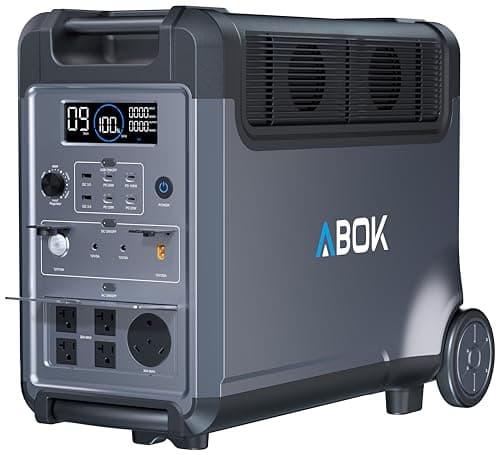
| 2 | ABOK Ark3600 Portable Power Station 3600W, 3840Wh LiFePO4 Battery | $1,299.00 | High-demand RV owners who need serious capacity and appliance-level output |
| 3 | EF ECOFLOW Solar Generator Delta 3 Classic with 220W Solar Panel, 1024Wh | $699.00 | Fast recharging and backup power for RV users who value speed and smart protection |
| 4 | DARAN Portable Power Station 89.6Wh LiFePO4 Battery 100W(200W Peak) Solar Power Bank, Portable Charger Small Generator with AC Outlets & PD Fast Charging for Home/Laptop/Camping(Solar Panel Optional) | $68.39 | Light-duty camping, phone charging, and emergency backup on a tight budget |
1. Jackery Solar Generator 1000 v2 and 200W Solar Panel,1070Wh,1500W AC — Best Overall RV Power System
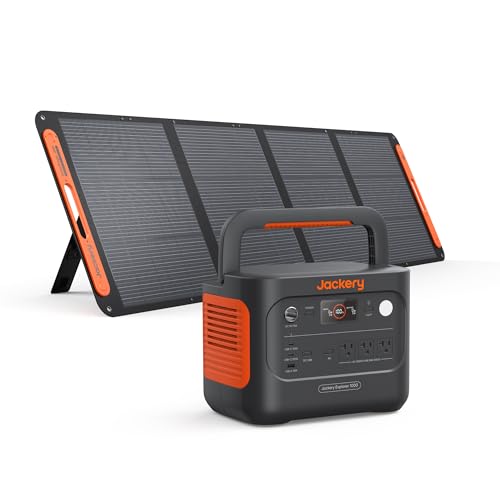

Verdict: The best all-around RV power system here because it combines strong output, a manageable size, and fast charging in a package that fits real travel use.
✓ Prime $699.00 20% OFF — Was $879.00
Pros
- 1,500W AC output with 3,000W surge is strong enough for many RV essentials.
- 1,070Wh capacity is a practical middle ground for travel, backup, and short off-grid stays.
- Fast charging claims are excellent, with one-hour emergency charging and solar support.
- Lightweight at 23.8 lbs with a foldable handle, making it easier to move around the RV.
Cons
- Not as much total capacity as larger “whole-camp” systems.
- Solar panel recharge is useful, but not as fast as AC charging.
- Best for moderate loads rather than full-time heavy appliance use.
2. ABOK Ark3600 Portable Power Station 3600W, 3840Wh LiFePO4 Battery — Best High-Capacity RV Power System
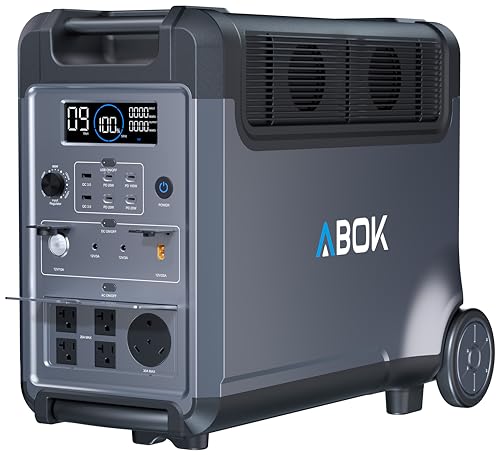
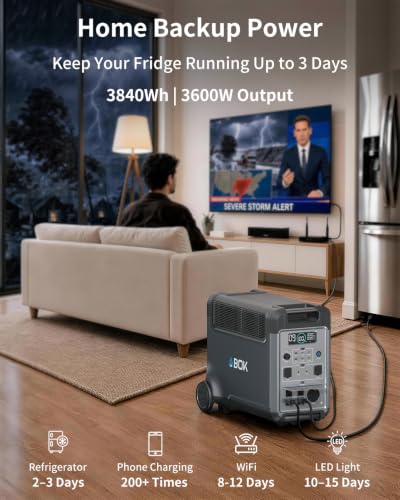
Verdict: If your RV setup needs serious runtime and appliance-level output, this is the powerhouse pick in the group.
✓ Prime $1,299.00 8% OFF — Was $1,299.00
Pros
- Massive 3,840Wh capacity expands up to 11,520Wh for larger power needs.
- 3,600W rated output and 4,500W peak power support demanding RV appliances.
- LiFePO4 battery is rated for over 4,000 cycles and up to 10 years of use.
- 15 output ports give you plenty of flexibility for multiple devices at once.
Cons
- Heavier, larger, and less convenient to move than smaller RV power systems.
- Higher price makes it better for serious users than casual campers.
- Overkill if you only need phone, laptop, and light appliance charging.
3. EF ECOFLOW Solar Generator Delta 3 Classic with 220W Solar Panel, 1024Wh — Best Fast-Charging RV Power System
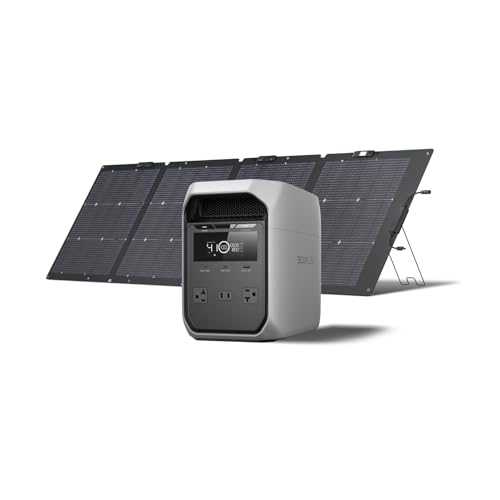

Verdict: This is the pick for RV owners who care most about fast top-ups, smart power protection, and a strong blend of portability and performance.
✓ Prime $699.00 36% OFF — Was $1,099.00
Pros
- 1800W output with 3600W surge is strong for common RV appliances.
- 0–80% charging in 45 minutes is one of the fastest claims in this roundup.
- 220W solar panel support makes off-grid recharging more practical.
- <10ms UPS switching is useful for sensitive electronics and uninterrupted power.
Cons
- 1,024Wh capacity is smaller than the biggest RV power systems here.
- Solar panel and power station may arrive separately, which some buyers find inconvenient.
- Better suited to speed and backup than long-duration heavy loads.
4. DARAN Portable Power Station 89.6Wh LiFePO4 Battery 100W(200W Peak) Solar Power Bank, Portable Charger Small Generator with AC Outlets & PD Fast Charging for Home/Laptop/Camping(Solar Panel Optional) — Best Budget RV Backup
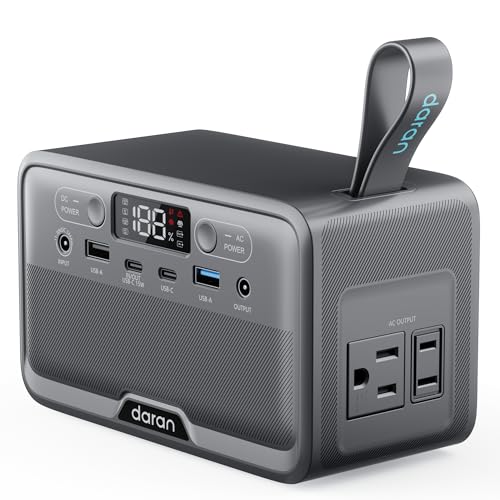
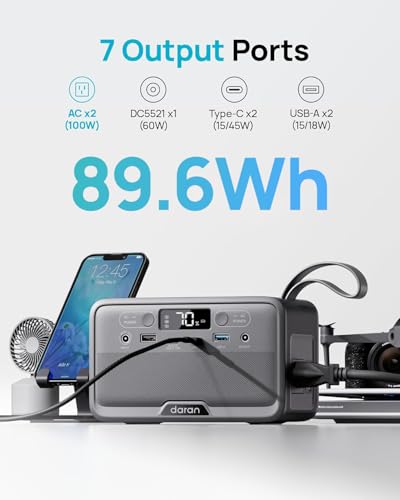
Verdict: This is the low-cost choice for very light RV power needs, especially if you mainly want emergency charging for small devices.
✓ Prime $68.39 10% OFF — Was $75.99
Pros
- Very affordable entry point for RV backup power.
- Extremely compact and lightweight at 2.54 pounds.
- Fanless operation is quiet for sleeping or campsite use.
- LiFePO4 battery and 12 safety protections add peace of mind for small-device charging.
Cons
- 89.6Wh capacity is far too small for most serious RV power needs.
- 100W output limits it to phones, laptops, cameras, and similar low-draw gear.
- Not suitable for major appliances or extended off-grid use.
How We Chose These Products
To narrow down the best RV power systems in 2026, we focused on the features that matter most to travelers and off-grid users:
- Output power: Enough wattage to handle RV essentials, from charging devices to running appliances.
- Battery capacity: Bigger Wh ratings matter for longer trips and fewer recharge stops.
- Charging speed: Fast AC and solar recharging can make a major difference on the road.
- Portability: Weight, handles, and overall form factor matter in a tight RV space.
- Battery chemistry: LiFePO4 was favored for longevity and cycle life.
- Buyer feedback and specs: We compared published features with owner sentiment and product positioning to judge real-world usefulness.
Because this is a research-based roundup, the rankings reflect documented specs, comparisons, and common buyer priorities rather than hands-on testing.
Frequently Asked Questions
What is the best RV power system in 2026?
The Jackery Solar Generator 1000 v2 and 200W Solar Panel,1070Wh,1500W AC is the best overall pick here because it balances portability, fast charging, and enough output for common RV needs.
How many watts do I need for an RV power system?
It depends on what you plan to run. Light charging and small devices can work with a compact unit, while appliances and longer off-grid stays usually call for 1,000W+ output and a larger battery.
Is LiFePO4 better for RV power systems?
Yes, in most cases. LiFePO4 batteries are valued for long cycle life, better durability, and strong long-term value, which is why every pick in this roundup uses that chemistry.
Can a portable power station run an RV air conditioner?
Some larger systems may handle it, but you need to check both continuous output and surge rating carefully. For air conditioners, higher-capacity systems like the ABOK Ark3600 are more realistic than smaller units.
Should I choose solar charging or AC charging for RV use?
Ideally, you want both. AC charging is usually faster, while solar charging is better for off-grid travel and extending runtime when shore power isn’t available.
Pros
- + Strong output options for RV appliances
- + Fast charging and solar recharging support
- + LiFePO4 batteries for long cycle life
- + Portable designs for travel and camping
Cons
- – Some models are too small for heavy RV loads
- – Large-capacity systems can be expensive and bulky
- – Solar and accessory bundles may arrive separately
Frequently asked questions
- What is the best RV power system in 2026?
- The Jackery Solar Generator 1000 v2 and 200W Solar Panel,1070Wh,1500W AC is the best overall pick here because it balances portability, fast charging, and enough output for common RV needs.
- How many watts do I need for an RV power system?
- It depends on what you plan to run. Light charging and small devices can work with a compact unit, while appliances and longer off-grid stays usually call for 1,000W+ output and a larger battery.
- Is LiFePO4 better for RV power systems?
- Yes, in most cases. LiFePO4 batteries are valued for long cycle life, better durability, and strong long-term value, which is why every pick in this roundup uses that chemistry.
- Can a portable power station run an RV air conditioner?
- Some larger systems may handle it, but you need to check both continuous output and surge rating carefully. For air conditioners, higher-capacity systems like the ABOK Ark3600 are more realistic than smaller units.
- Should I choose solar charging or AC charging for RV use?
- Ideally, you want both. AC charging is usually faster, while solar charging is better for off-grid travel and extending runtime when shore power isn’t available.
Get the Full Outdoor Buyer's Guide
Join our free newsletter — we'll send our latest Outdoor picks, specs and verdicts straight to your inbox.
Free. No spam. Unsubscribe anytime.
Was this review helpful?
Be the first to share your feedback on this review.
Sign in to vote and let us know what you think.
Discussion (0)
No comments yet. Be the first to start the discussion.
Related Reviews
2 Best Solar Batteries LiFePO4 2026 — Longer Life, Safer Backup Power
If you’re searching for the best solar batteries lifepo4 2026 , you’re probably trying to solve one of two problems: powering small solar gear reliably or finding a compact battery backup for camping and outages. The picks below are based on published specs, feature sets, pricing, and owner feedback
8 Best High Capacity Power Banks in 2026 — Long-Lasting Backup Power for Travel, Camping, and Emergencies
If you’re tired of power banks that die too soon, charge too slowly, or can’t keep multiple devices alive at once, you’re in the right place. This roundup of the best high capacity power banks 2026 focuses on models with serious battery reserves, useful fast-charging support, and real-world portabil
What is How Many Watts to Power a House? A Complete 2026 Guide
If you’re trying to figure out how many watts to power a house , the short answer is that it depends on the size of the home, what appliances you run, and whether you mean “keep the lights on” or “run everything at once.” A small off-grid cabin may need only a few thousand watts, while a typical fam