

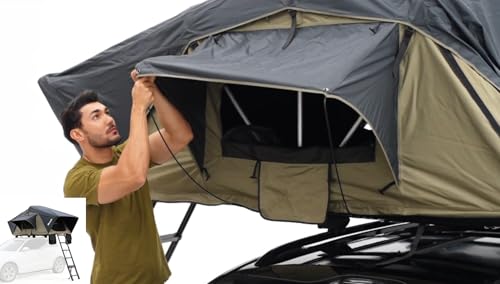
Who this is for: Best for car campers and overlanders who need a practical way to compare rooftop tents by fit, comfort, and weather performance.
Check PriceIf you’re trying to figure out how to choose a rooftop tent for car camping and overlanding, the biggest challenge is separating genuine all-weather utility from flashy features that won’t matter on the road. The wrong tent can feel cramped, take too long to set up, or struggle with condensation, wind, and repeated use. This guide breaks down the features that actually affect comfort, durability, and ease of travel so you can choose with confidence.
Related Reviews
The most common mistake buyers make is choosing based on looks or shell style alone, without considering vehicle fit, sleeping comfort, seasonal performance, and how often they’ll actually deploy the tent. A rooftop tent is a long-term gear decision, so the best choice is the one that matches your vehicle, climate, and camping style.
Key Features to Look For
1) Vehicle fit and rack compatibility
A rooftop tent only works if your vehicle’s roof rack or crossbars can support it properly. Look for tents that clearly state they fit most vehicles with installed racks, and confirm your rack’s weight rating before buying. This matters because a poor match can make installation difficult and reduce stability on rough roads.
2) Shell type: soft shell vs. hard shell
Soft-shell rooftop tents often offer a more traditional camping feel and can be a strong value choice, while hard-shell models usually prioritize faster setup, better aerodynamics, and stronger protection from the elements. If you camp frequently or move camp often, hard shell convenience may be worth it. If you want a lighter, more budget-friendly option, soft shell can make sense.
3) Setup speed and ease of disassembly
Overlanding and car camping both benefit from a tent that opens quickly and packs down without a fight. Hydraulic support rods, clamshell designs, and telescoping ladders can make a big difference in real-world usability. Faster setup matters most when you arrive late, camp in bad weather, or move often during a trip.
4) Weather protection and season rating
Check for waterproofing, wind resistance, sun protection, and insulation if you plan to camp across changing seasons. Features like taped seams, blackout coatings, winter liners, and snow resistance help the tent stay usable beyond fair-weather weekends. This is one of the most important categories for overlanders who camp in varied conditions.
5) Condensation control and airflow
Condensation is one of the biggest comfort issues in rooftop tents. Look for condensation pads, moisture-proof layers, mesh windows, and multiple vents or skylight openings. Good airflow helps keep bedding drier and makes the tent more comfortable in humid or cold conditions.
6) Mattress and sleeping comfort
Many rooftop tents look similar on paper, but mattress quality can dramatically change the experience. Thicker foam mattresses, flocked floors, and layered pads can improve sleep and reduce pressure points. If you’re planning multi-night trips, comfort becomes much more important than basic shelter.
7) Interior space, access, and livability
Consider how much room you need for sleeping, changing clothes, and sitting up. Features like elevated rear designs, skylight windows, multiple doors, and built-in lighting can make the tent feel more like a livable space than a sleeping pod. This matters especially if you camp in the tent for extended trips or in poor weather.
What to Avoid
Ignoring your vehicle’s real load limits
Even if a rooftop tent technically fits your vehicle, it still has to work with your roof rack and your car’s dynamic load rating. A tent that’s too heavy or poorly matched can create handling issues and make setup unsafe. Always think about the full system, not just the tent itself.
Choosing a tent with weak condensation management
A tent can be waterproof and still feel damp inside if it lacks proper ventilation. Avoid models that don’t mention vents, mesh windows, or condensation-control layers. Moisture buildup is a common reason owners become unhappy with otherwise decent rooftop tents.
Buying for looks instead of climate
Some tents are designed more for style than for your actual camping conditions. If you camp in cold weather, insulation matters. If you camp in hot or humid regions, ventilation matters more. A tent that looks great but doesn’t match your environment will disappoint you quickly.
Overlooking ladder and access quality
A rooftop tent should be easy to get into and out of, especially after a long day on the trail. Poor ladder design can make the tent feel unstable or awkward. Look for a ladder that feels secure and is long enough for your vehicle height.
Assuming every included accessory is equally useful
Some rooftop tents include LED lighting, organizers, shoe pockets, and extra mats. Those can be helpful, but they shouldn’t distract you from the core build quality. A tent with fewer extras but better weather resistance and comfort may be the smarter buy.
Our Top Picks
Below are the strongest options from this product list, organized by the kinds of campers they suit best. These recommendations are based on published specs, feature sets, and documented owner feedback patterns rather than hands-on testing.
Meedo Apolle A86 M


This is a strong pick for buyers who want a soft-shell rooftop tent with a practical balance of comfort, weather protection, and easier handling. The 4.5-inch mattress, moisture-control layers, and clamshell-style design make it appealing for weekend overlanders and hunters who want a fast, straightforward camp setup.
- ✓ Fits most vehicles with installed racks
- ✓ Lightweight telescopic aluminum ladder for easier access
- ✓ 4.5-inch high-density foam mattress for improved sleep comfort
- ✓ Built-in moisture control and condensation isolation pad
- ✓ Weather-focused build with waterproofing, wind resistance, and sun protection
- ✓ Multiple doors, windows, and a sunroof-style top opening for airflow and views
- ✗ Soft-shell design may not be as quick to deploy as some hard-shell options
- ✗ Best suited for two people, so it may feel tight for larger camping setups
- ✗ More fabric surfaces can mean more care during packing and drying
WildFinder Rooftop Tent


This budget hard-shell option is a good fit for buyers who want the convenience of a pop-up design without moving into premium territory. It stands out for its aluminum shell, included accessories, and broad weather protection claims, which make it attractive for casual overlanders and frequent weekend travelers.
- ✓ Aircraft-grade aluminum shell for durability
- ✓ Hydraulic support rods for smoother opening and closing
- ✓ Built-in comfort features including mattress and condensation pad
- ✓ LED strip and multiple organizers included
- ✓ Strong weather protection claims for rain, sun, wind, and snow
- ✓ Designed for 2-3 person use, which adds flexibility for couples or a child/pet setup
- ✗ Accessories are helpful, but the core sleeping space may still feel compact for three adults
- ✗ Luggage crossbar is not included
- ✗ Budget hard-shell models can trade some refinement for lower entry cost
Aluminum Rooftop Tent Hard Shell


This is another budget-friendly hard-shell choice, and it makes sense for campers who want simple pop-up convenience and a more complete accessory package. It’s especially relevant if you value quick deployment, basic comfort upgrades, and a durable aluminum frame for regular use.
- ✓ Aluminum alloy construction for long-term durability
- ✓ Quick opening and closing with hydraulic support rods
- ✓ Waterproof, sunproof, and windproof fabric package
- ✓ Flocked lining floor to help reduce condensation
- ✓ Includes ladder, organizers, mattress, condensation pad, and LED strip
- ✓ Good fit for two-person camping on Jeep, truck, SUV, or trailer setups
- ✗ Two-person capacity may be limiting for gear-heavy trips
- ✗ Budget build may not match the livability or insulation of premium models
- ✗ Best for campers who prioritize function over extra interior refinement
Rooftop Tent Hard Shell with Winter Insulation for 4-Season Camping


This premium model is best for buyers who camp in colder weather or want a more all-season setup with stronger insulation features. The removable winter liner, hydraulic opening system, and upgraded condensation-focused floor make it a compelling pick for serious overlanders who camp beyond mild conditions.
- ✓ Aircraft-grade aluminum shell for durability and load-bearing strength
- ✓ Quick-open hydraulic support rods
- ✓ Removable winter thermal liner for colder trips
- ✓ 5000 mm water resistance and strong sun protection claims
- ✓ Mesh and windproof layers on windows for ventilation control
- ✓ Flocked lining floor designed to help reduce condensation
- ✗ Premium feature set may be more than occasional fair-weather campers need
- ✗ Two-person capacity still limits larger groups
- ✗ More specialized for all-season use, which may not matter for summer-only trips
Rooftop Tent Hard Shell with Winter Insulation


This premium rooftop tent is the best fit for campers who want the most livable interior and the most feature-rich setup in this list. The elevated rear design, sky-view window, 360° lighting, and integrated luggage rack make it especially appealing for extended overlanding trips where convenience and comfort matter.
- ✓ Elevated rear design adds legroom and interior volume
- ✓ Sky-view window improves livability and stargazing appeal
- ✓ 360° surround LED lighting for better night use
- ✓ Integrated luggage rack to free up interior cargo space
- ✓ Aluminum alloy frame with taped seams and blackout-coated fabric
- ✓ Strong all-season protection focus for weather versatility
- ✗ Premium feature set may add complexity for simple weekend campers
- ✗ Best value only if you’ll use the extra livability features regularly
- ✗ More advanced feature set can be overkill for buyers who only need basic shelter
Budget Guide: What You Get at Each Tier
Budget
Budget rooftop tents usually focus on the essentials: durable aluminum construction, a functional mattress, basic weather resistance, and a pop-up or hard-shell design that speeds up camp setup. In this tier, you can still find useful extras like LED lighting, organizers, condensation pads, and blackout-coated fabric. The main tradeoff is that interior refinement, insulation, and long-term comfort may be more limited than on premium models.
Mid-range
Mid-range rooftop tents tend to balance comfort and durability more effectively. This is where you’re more likely to see thicker foam mattresses, better moisture control, improved wind and rain protection, and more thoughtful layouts for two-person camping. If you want a tent that works for regular weekend use and occasional longer trips, mid-range is often the sweet spot.
Premium
Premium rooftop tents are built for campers who want stronger all-season performance and more livable interiors. Expect features like winter liners, better insulation, larger interior volume, sky-view windows, integrated lighting, and cargo solutions such as built-in luggage racks. These tents make the most sense for frequent overlanders, cold-weather campers, or anyone who wants a more comfortable basecamp experience.
Frequently Asked Questions
What size rooftop tent should I buy for two people?
For two people, choose a model that clearly states two-person capacity and pay attention to mattress thickness and interior dimensions. If you also bring gear inside the tent, a roomier shell or a model with better interior volume will feel more comfortable.
Is a hard shell better than a soft shell for overlanding?
Hard shell tents are usually better if you want faster setup, better protection, and a more streamlined camping routine. Soft shell tents can still be a smart choice if you want a practical, often more affordable option and don’t mind a little more setup time.
How important is condensation control in a rooftop tent?
Very important. Condensation can make bedding damp and reduce comfort, especially in cool or humid conditions. Look for mesh windows, ventilation openings, condensation pads, and moisture-control layers if you camp in changing weather.
Can I use a rooftop tent year-round?
Yes, if the tent is designed for all-season use and you match it to your climate. For winter camping, insulation and wind protection matter more. For summer trips, airflow and sun protection become more important.
What should I check before mounting a rooftop tent on my car?
Check your roof rack or crossbar rating, confirm the tent’s fitment, and make sure your vehicle can safely carry the tent when driving. It’s also smart to think about ladder access, parking clearance, and whether the tent’s size matches your camping style.
Pros
- + Vehicle-fit guidance helps narrow the right tent
- + Explains hard shell vs soft shell tradeoffs
- + Covers weather, condensation, and comfort factors
- + Includes budget, mid-range, and premium recommendations
- + Matches real overlanding and camping use cases
Cons
- – No hands-on testing was performed
- – Best choice still depends on your vehicle rack setup
- – Feature lists can vary by model and use conditions
Frequently asked questions
- What size rooftop tent should I buy for two people?
- Choose a tent that clearly states two-person capacity and check mattress thickness and interior space if you also carry gear inside.
- Is a hard shell better than a soft shell for overlanding?
- Hard shell tents usually offer faster setup and better protection, while soft shell tents can be a practical value choice if you do not mind more setup time.
- How important is condensation control in a rooftop tent?
- Very important, because poor ventilation can leave bedding damp and reduce comfort in cool or humid weather.
- Can I use a rooftop tent year-round?
- Yes, if the tent is built for all-season use and matches your climate, with insulation for winter and airflow for summer.
- What should I check before mounting a rooftop tent on my car?
- Check your roof rack rating, confirm fitment, and make sure the tent’s size and access setup work safely with your vehicle.
Get the Full Outdoor Buyer's Guide
Join our free newsletter — we'll send our latest Outdoor picks, specs and verdicts straight to your inbox.
Free. No spam. Unsubscribe anytime.
Was this review helpful?
Be the first to share your feedback on this review.
Sign in to vote and let us know what you think.
Discussion (0)
No comments yet. Be the first to start the discussion.
Related Reviews

8 Best Bear-Proof Coolers for Camping in 2026 — Tough Ice Retention and Bear-Resistant Protection
If you’re shopping for the best bear-proof coolers for camping 2026, you probably want one thing above all: food protection you can trust in the backcountry. The right cooler should help resist wildlife, hold ice for days, and survive rough handling on camp trips, hunting excursions, and overland ro

How to Choose the Best Hiking Backpack in 2026: Complete Buying Guide
If you’re trying to figure out how to pick the right hiking backpack for multi-day thru-hikes , the stakes are higher than most buyers realize. The wrong pack can leave you fighting shoulder pain, unstable loads, wet gear, and a miserable fit that gets worse every mile. This guide breaks down the fe
How to Choose the Best 12V Portable Refrigerator for Camping in 2026: Complete Buying Guide
If you’re trying to figure out how to choose a 12V portable refrigerator for camping , the real challenge is not finding one that “cools.” It’s choosing a model that matches your power setup, trip length, vehicle space, and the kind of food you actually want to keep cold or frozen. The most common m