

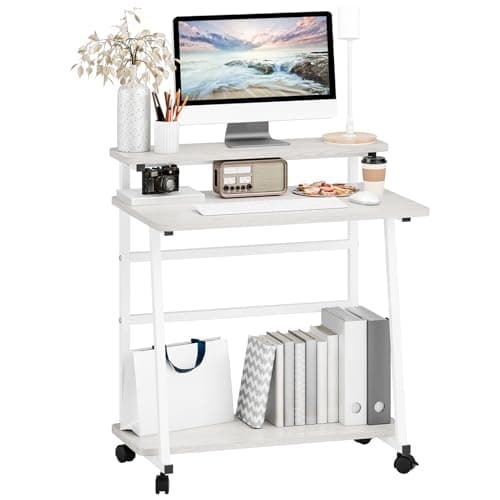
Who this is for: Best for computer users who want practical, budget-friendly ways to reduce screen fatigue and improve workstation comfort.
Check PriceWhat is How to Reduce Eye Strain at Computer? A Complete 2026 Guide
If your eyes feel dry, tired, blurry, or sore after long hours at a screen, you’re not alone. Learning how to reduce eye strain at computer use is mostly about controlling light, distance, posture, and breaks so your eyes don’t work harder than they need to. In this guide, you’ll get a clear explanation of what actually helps, what to buy, and which desk accessories are worth considering based on researched specs and owner feedback.
Related Reviews
How It Works
Eye strain from computer use often happens when your eyes have to constantly refocus on a bright screen, deal with glare, and stay fixed on one distance for too long. The result can be fatigue, dryness, headaches, blurred vision, and that “burned out” feeling many people notice after work or study sessions.
The good news is that reducing strain usually doesn’t require one magic product. Instead, it works best as a system: improve lighting so your eyes aren’t fighting reflections, place the screen at a comfortable height and distance, and give your eyes regular recovery time with brief breaks.
Products can help by making those habits easier. For example, an adjustable lamp can reduce harsh contrast, a standing desk converter can improve posture and screen alignment, and a compact desk can help you build a cleaner, less cramped setup that encourages better positioning.
Key Benefits & Use Cases
Why people try to reduce eye strain
- Less dryness and irritation: Better lighting and screen setup can help you blink more naturally and avoid overworking your eyes.
- Fewer headaches: Reducing glare and awkward viewing angles may ease visual fatigue.
- Better focus: A comfortable workstation makes it easier to stay productive for longer stretches.
- Improved posture: When your screen and desk are set up well, you’re less likely to hunch forward.
- More flexible work sessions: Sit-stand setups can help break up long static periods at the computer.
Common use cases
- Remote work and home offices
- Students studying at a laptop or desktop
- Gaming or long entertainment sessions
- Small apartments or shared workspaces
- Budget-friendly workstation upgrades
What to Look For When Buying
If your goal is to reduce eye strain at computer use, these five criteria matter most when choosing accessories or desk upgrades:
1. Adjustable lighting
Look for lamps with dimming and color temperature control so you can avoid harsh light and match your room lighting more comfortably.
2. Screen positioning support
A monitor stand, desk riser, or standing desk converter can help raise the screen closer to eye level, which may reduce neck tension and visual fatigue.
3. Stable construction
Wobbly furniture or accessories can make it harder to maintain a consistent setup. Stability matters for both comfort and safety.
4. Space efficiency
If your desk is small, compact products can improve comfort without crowding your workspace.
5. Ease of use
The best setup is the one you’ll actually use every day. Simple adjustments, quick assembly, and easy movement all make a difference.
Top Recommended Products
Below are the products from the provided list that can support a more comfortable computer setup. These are not medical devices, but they may help improve lighting, posture, and workspace organization based on their published features and owner-facing design.
Airlonv LED Desk Lamp with Clamp, 17" Stepless Dimming Light, Black 27% OFF — Was $25.99 ✓ Prime $18.92
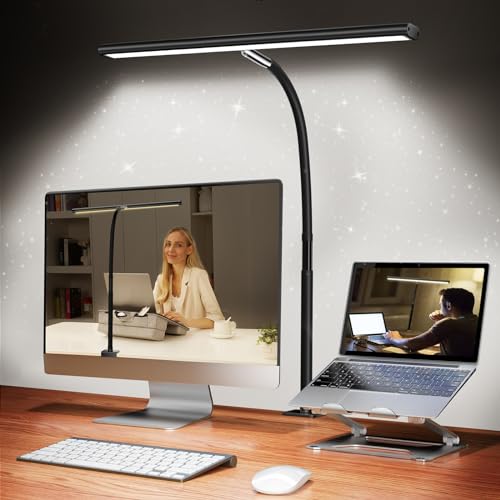


This is the most directly relevant option for reducing eye strain because lighting is one of the biggest triggers for screen fatigue. The stepless dimming, adjustable color temperature, and wide lamp bar are especially useful if your desk is dark, your room lighting is uneven, or your monitor creates strong contrast with the surroundings.
- ✓ Stepless dimming from 1% to 100%
- ✓ Adjustable color temperature from 2700K to 6500K
- ✓ 17-inch wide lamp bar for broader coverage
- ✓ Clamp design saves desk space
- ✓ Built to reduce glare, strobe, and blue-light discomfort
- ✗ Clamp-mounted design may not suit every desk edge
- ✗ Best for users who need lighting support, not a full ergonomic overhaul
- ✗ Requires a suitable mounting surface
Uncaged Ergonomics Small Standing Desk Converter & Desk Riser (Black) 23% OFF — Was $129.99 ✓ Prime $99.99
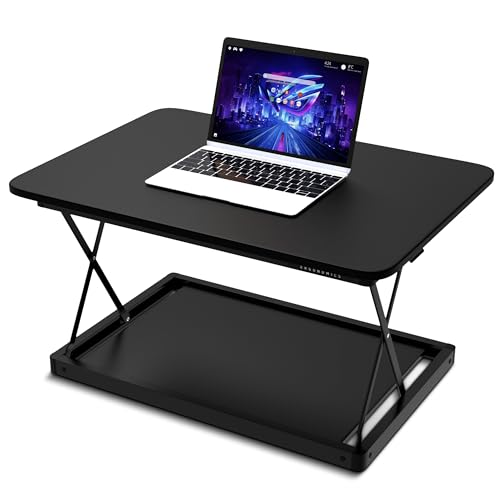


If your eye strain is tied to long, static work sessions, this converter can help by changing your viewing height and encouraging posture changes throughout the day. Its vertical lift design is a plus for smaller spaces, and the compact footprint makes it easier to keep a monitor and keyboard aligned without taking over the desk.
- ✓ Adds sit-stand flexibility to an existing desk
- ✓ Vertical rise helps preserve workspace
- ✓ Compact surface fits laptop and single-monitor setups
- ✓ Ships fully assembled
- ✓ Supports up to 25 lbs
- ✗ More expensive than lighting or desk accessories
- ✗ Best for modest setups, not multi-monitor rigs
- ✗ Does not directly address room lighting or glare
3 Tiers Rolling Computer Desk on Wheels, 80x50cm Small Computer Desk for Small Space, Work Office Desks with Monitor Stand, Student Writing Desks with Lockable Wheels (White) ✓ Prime $9.97
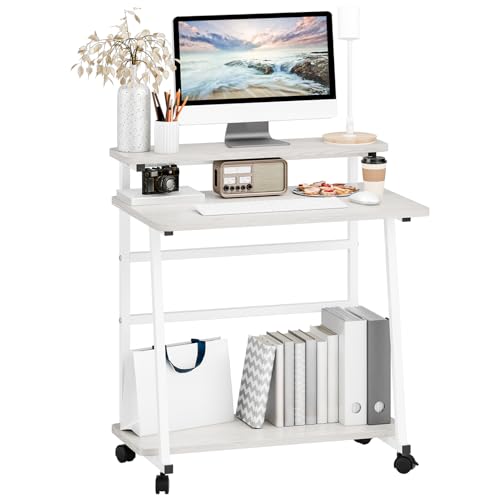


This desk is a budget-friendly way to improve your workstation layout if clutter and poor screen placement are making your setup feel cramped. The built-in monitor stand and three-tier layout can help you keep the screen elevated while storing keyboards, mice, and books more neatly.
- ✓ Very low price point
- ✓ 3-tier design helps organize accessories
- ✓ Built-in monitor stand supports better screen height
- ✓ Locking wheels add mobility and stability
- ✓ Compact size works well in small spaces
- ✗ Not as ergonomic as a dedicated monitor arm or larger desk
- ✗ Limited workspace compared with bigger desks
- ✗ Best for light-duty use rather than heavy equipment
KOUPA Adjustable Height Standing Desk, Accessories: Metal Wheels ✓ Prime $6.95
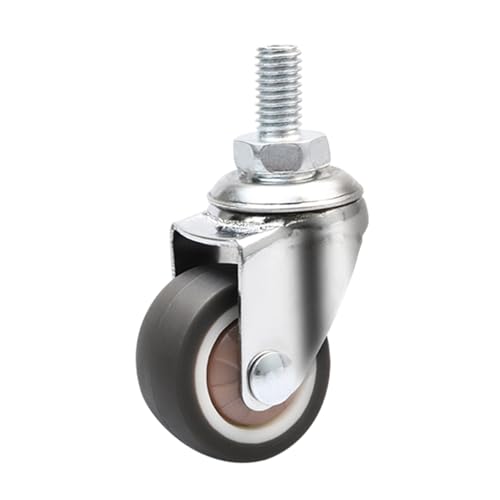
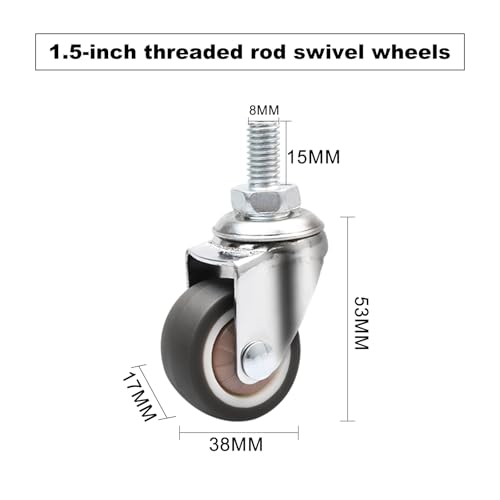
This option is more of a mobility accessory than a direct eye-strain solution, but it can help if you need a desk or workstation to move smoothly and lock into place. Better positioning and easier setup changes can support a more comfortable workflow, especially in multipurpose rooms.
- ✓ 360° rotating castor wheels
- ✓ Locking function for stability
- ✓ Designed for smooth movement
- ✓ Quiet, trace-free rolling
- ✓ Extremely low cost
- ✗ Not a complete ergonomic solution on its own
- ✗ More of an accessory than a standalone workstation upgrade
- ✗ Limited direct impact on lighting or screen glare
Common Mistakes to Avoid
- Ignoring lighting: A bright screen in a dark room can make strain worse, even if the desk itself is comfortable.
- Sitting too close: Being too near the monitor can increase eye fatigue and make it harder to maintain a relaxed focus.
- Keeping the screen too low: If you look down sharply for hours, you may add neck tension on top of visual strain.
- Using harsh glare-prone setups: Reflections from windows or overhead lights can force your eyes to work harder.
- Skipping breaks: Even a well-designed workstation still needs regular pauses so your eyes can reset.
A useful habit is to pair product upgrades with simple routines: lower brightness if needed, keep the top of the screen near eye level, and take short breaks throughout the day.
Frequently Asked Questions
1. What is the fastest way to reduce eye strain at computer use?
The fastest improvements are usually lowering glare, adjusting screen brightness, and taking short breaks. A good desk lamp and a more comfortable screen position can also help right away.
2. Do blue light glasses really help with computer eye strain?
They may help some people feel more comfortable, but eye strain is often caused more by brightness, glare, dryness, and poor ergonomics than by blue light alone. Many users get better results from lighting and setup changes first.
3. How far should my computer screen be from my eyes?
A common comfort range is about an arm’s length away, though exact preference varies. The goal is to keep the screen readable without leaning forward or squinting.
4. Is a standing desk better for eye strain?
A standing desk can help if it encourages better posture and more frequent movement, but it’s not automatically better for everyone. The key is whether it helps you keep the screen at a comfortable height and reduce long static sessions.
5. What product helps most with eye strain at a computer?
For many people, an adjustable desk lamp helps the most because lighting is a major contributor to strain. If posture and screen height are also issues, a standing desk converter or monitor riser can be a strong second step.
Pros
- + Adjustable lighting can reduce glare and contrast stress
- + Sit-stand tools may improve posture and viewing height
- + Compact desks help small spaces stay organized
- + Budget-friendly options are available
- + Prime-eligible picks add convenience
Cons
- – Not every product solves eye strain by itself
- – Some items are better as accessories than full solutions
- – Low-cost options may have limited ergonomics
Frequently asked questions
- What is the fastest way to reduce eye strain at computer use?
- Lower glare, adjust screen brightness, and take short breaks. A good desk lamp and better screen positioning can help right away.
- Do blue light glasses really help with computer eye strain?
- They may help some people, but eye strain is often caused more by brightness, glare, dryness, and poor ergonomics than blue light alone.
- How far should my computer screen be from my eyes?
- A common comfort range is about an arm’s length away, though preference varies. Keep it readable without leaning forward or squinting.
- Is a standing desk better for eye strain?
- It can help if it improves posture and movement, but it’s not automatically better for everyone. The key is comfortable screen height and fewer static sessions.
- What product helps most with eye strain at a computer?
- An adjustable desk lamp often helps most because lighting is a major contributor to strain. Screen-height tools are a strong second step.
Score breakdown
- value
- 9.0
- usability
- 8.0
- durability
- 7.0
- performance
- 8.0
- buyerFeedback
- 8.0
Get the Full Home Buyer's Guide
Join our free newsletter — we'll send our latest Home picks, specs and verdicts straight to your inbox.
Free. No spam. Unsubscribe anytime.
Was this review helpful?
Be the first to share your feedback on this review.
Sign in to vote and let us know what you think.
Discussion (0)
No comments yet. Be the first to start the discussion.
Related Reviews
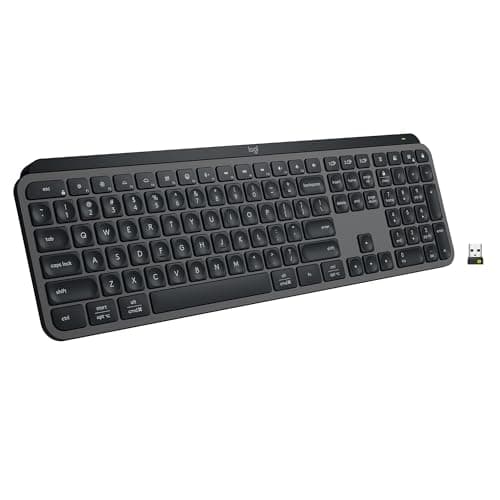
Logitech MX Keys vs Keychron (2026): Which Should You Actually Buy?
The Logitech MX Keys S is built around a low-profile, laptop-like typing experience with spherically dished keys and a solid, understated chassis. For buyers who want a premium office keyboard that blends in on a work desk and keeps wrist posture comfortable, Logitech’s design language is hard to be
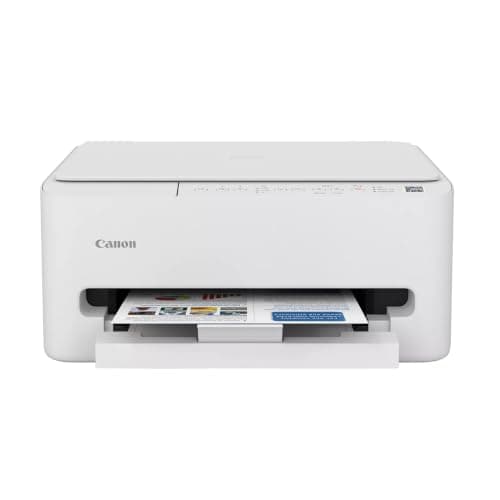
What is Inkjet vs Laser Printer 2026? A Complete 2026 Guide
If you’re trying to choose between an inkjet and a laser printer in 2026, the biggest challenge is separating real-world value from marketing claims. Inkjet models usually win for color, photos, and lower upfront cost, while laser printers are often better for fast, high-volume text printing and low
How to Choose the Best Home Printer in 2026: Complete Buying Guide
Choosing the right home printer can save you money, reduce daily frustration, and keep you from buying a machine that does the wrong job well. The most common mistake buyers make is focusing only on the sticker price and ignoring ink costs, connectivity, and whether they actually need print-only, al