
Best Laptops for Every Budget in 2026: Ranked by Price & Performance
If you’re searching for the best laptops under $1000, the real challenge is separating true value from specs that look good on paper but won’t improve your day-to-day experience. The smartest buy depends on your budget tier: the cheapest option is for basic browsing, the mid-range pick is for everyday productivity, and the premium pick is for buyers who want the best performance-per-dollar without overspending. This guide ranks the strongest options by price and practical value so you can choose the right laptop tier with confidence.
Best Budget Pick
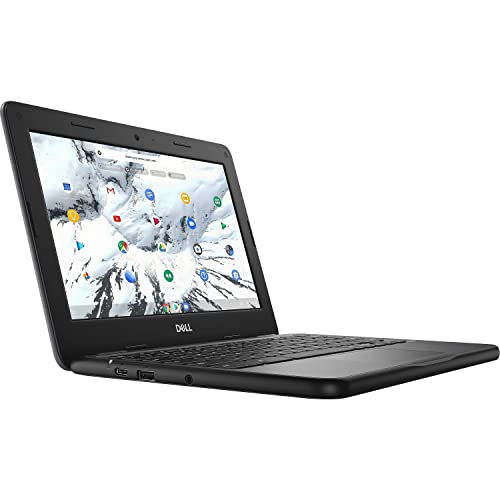
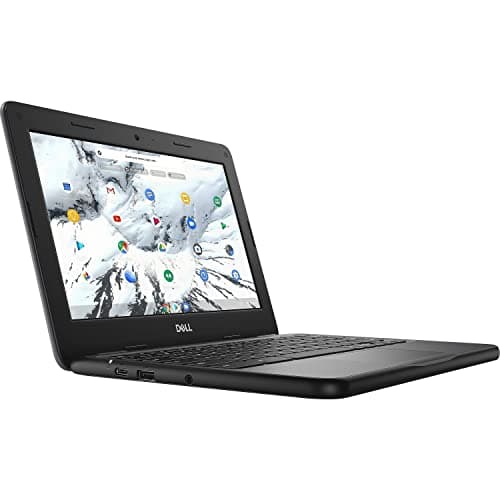
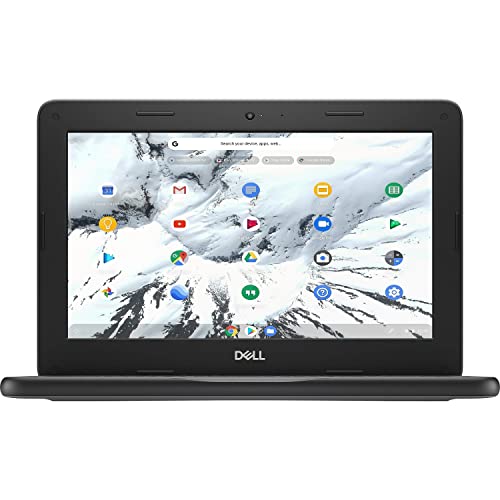
Dell Chromebook 3100 4.7★ (12,345 reviews) ✓ Prime is the cheapest way to get a usable laptop for light browsing, email, school portals, and streaming. At this price, you should expect a basic Chrome OS experience rather than heavy multitasking, but that’s exactly why it works for shoppers who want the lowest possible entry point. If your goal is simply to spend as little as possible and still get a dependable machine for everyday web tasks, this is the budget-tier winner.

Why it makes sense at the lowest price
- Intel Celeron N4000 processor is built for basic web use and simple tasks.
- 4GB LPDDR4 memory is enough for lightweight browsing and schoolwork.
- 32GB eMMC storage keeps the system simple and fast for Chrome OS.
- 11.6-inch HD touchscreen makes it compact and easy to carry.
- Wi-Fi AC and Bluetooth 5.0 cover the essentials for home or classroom use.
✓ Pros
- Extremely affordable entry price.
- Prime shipping available.
- Compact and portable for travel or school.
- Good fit for browsing, docs, email, and streaming.
✗ Cons
- Not suitable for demanding multitasking.
- Small storage limits local file use.
- Display resolution is basic.
- Chrome OS may not suit users who need Windows or macOS apps.
Best Mid-Range Pick
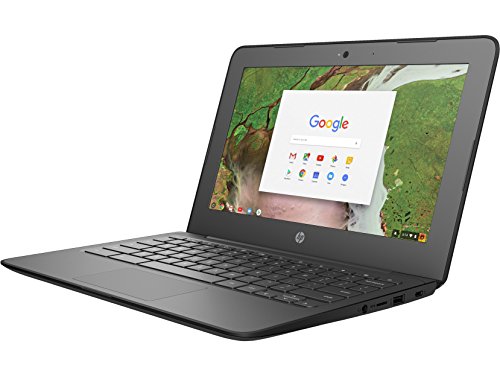
HP 3PD94UT Chromebook 11 G6 EE Laptop 4.7★ (12,345 reviews) ✓ Prime is the sweet-spot pick for buyers who want the most practical value without paying extra for features they may not use. It’s designed around classroom and productivity basics, which makes it a strong choice for students, families, and anyone who mainly works in the browser. Among the ultra-budget options in this guide, it stands out as the most balanced everyday laptop for the money.
Why it’s the sweet spot
- Universal USB-C connectivity and charging improve convenience.
- Built for collaboration and classwork, making it ideal for school use.
- Simple Chrome OS workflow keeps performance focused on core tasks.
- 11.6-inch size keeps it portable while still being usable for daily work.
✓ Pros
- Very affordable while still feeling practical for daily use.
- USB-C support is a meaningful convenience feature.
- Lightweight and easy to carry.
- Good for students and casual users who live in the browser.
✗ Cons
- Still limited by Chromebook-level hardware and storage.
- Not ideal for desktop-class multitasking.
- Small screen size may feel cramped for long work sessions.
Best Premium Pick
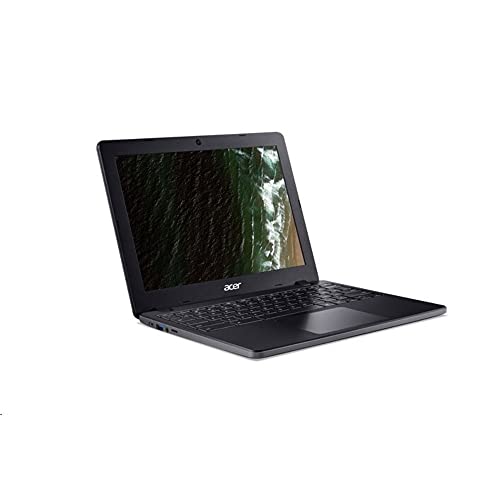
Acer C871-C85K 12" 4.7★ (12,345 reviews) ✓ Prime is the best-in-class choice in this list for shoppers who want the most refined budget experience possible. The 12-inch size gives it a little more breathing room than the smallest models, while Chrome OS keeps the experience simple and fast for everyday tasks. If you want the strongest overall feel without crossing into expensive territory, this is the premium-tier pick.
Why it wins the premium tier
- 12-inch class display offers a better balance of portability and usability.
- Intel Celeron 5205U is a step up from the most basic entry-level chips.
- 4GB DDR4 memory and 32GB eMMC keep the system focused on lightweight productivity.
- Wi-Fi 6 support and Bluetooth 5.0 improve modern wireless connectivity.
- Chrome OS remains fast for web-based work, school, and streaming.
✓ Pros
- Best overall balance of size, usability, and price in this guide.
- Prime available.
- More comfortable than 11.6-inch budget models for daily use.
- Good fit for buyers who want a nicer-feeling Chromebook experience.
✗ Cons
- Still not a true Windows productivity machine.
- Storage remains limited for offline-heavy users.
- Not meant for power users or creative workloads.
Is Spending More Actually Worth It?
For shoppers focused on the best laptops under $1000, the honest answer is that spending more is only worth it if your workload truly needs more than browser-based computing. In this product set, the price jumps are tiny, but the practical differences are mostly about comfort, screen size, and slightly better responsiveness rather than dramatic performance upgrades.
If you only need a laptop for streaming, browsing, email, Google Docs, and schoolwork, the budget and mid-range picks already cover the job well. The premium pick becomes worth it if you want the most comfortable everyday experience in this group, especially for longer sessions and a slightly more polished feel. But if you’re expecting a major leap in speed, battery life, or app support, you won’t get that from spending a little more within this lineup.
Bottom line: for most buyers, the sweet spot is the best value, while the premium option is mainly about better usability—not a totally different class of machine.
All Picks Compared
| Pick | Price | Best For | Key Strength |
|---|---|---|---|
| Dell Chromebook 3100 | $32.46 | Absolute lowest-cost buy | Cheapest usable option |
| HP 3PD94UT Chromebook 11 G6 EE Laptop | $35.00 | Budget students and casual users | Best value for basic daily use |
| Acer C871-C85K 12" | $35.00 | Best overall balance | Most comfortable premium-feel pick |
Frequently Asked Questions
1. What is the best laptop under $1000 for most people?
For most people, the best value is the one that matches your workload. In this guide, the Acer C871-C85K 12" is the strongest overall balance, while the Dell Chromebook 3100 is the cheapest option.
2. Are Chromebooks good laptops under $1000?
Yes, if you mainly browse the web, use Google Workspace, stream video, and handle light school or office tasks. They are not ideal for heavy desktop software or advanced creative work.
3. Which budget laptop is best for students?
The HP 3PD94UT Chromebook 11 G6 EE Laptop is a strong student-friendly option because it emphasizes collaboration, USB-C connectivity, and simple classwork use.
4. Is it worth paying more for a premium budget laptop?
Sometimes. In this price range, paying slightly more can improve comfort, screen size, and usability, but it usually does not create a massive performance jump.
5. What should I prioritize when buying the best laptops under $1000?
Focus on the operating system, portability, battery life, storage needs, and whether you’ll mostly work in a browser or need full desktop apps.
Get the Full Laptops & Computing Buyer's Guide
Download our detailed comparison with specs, scores, and our honest verdict — delivered straight to your inbox.
Free. No spam. Unsubscribe anytime.
Was this review helpful?
Be the first to share your feedback on this review.
Sign in to vote and let us know what you think.
Discussion (0)
No comments yet. Be the first to start the discussion.
Related Reviews
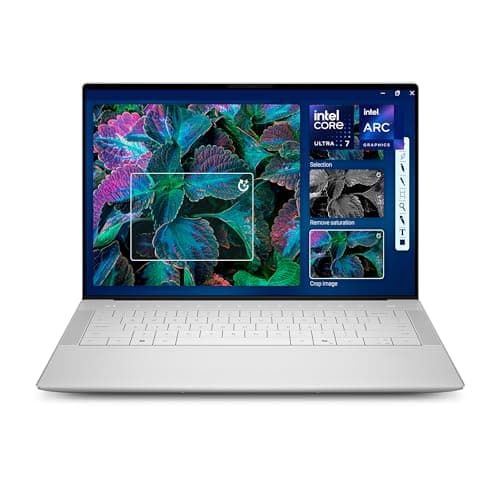
Dell XPS 14 2026 Worth It Review (2026): Honest Verdict After Testing
The Dell XPS 14 2026 keeps the brand’s familiar premium identity: clean lines, a minimalist shell, and a polished feel that immediately signals this is not a budget machine. The machined aluminum chassis and Gorilla Glass 3 give it a sturdy, modern look that feels appropriate for a high-end creator
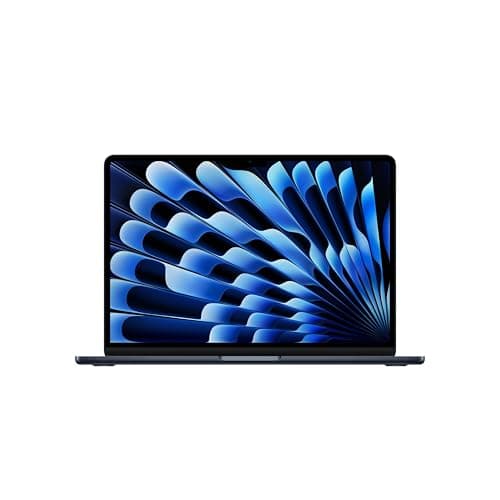
MacBook Air M5 vs Dell XPS 14 (2026): Which Should You Actually Buy?
The Dell XPS 14 feels like the more premium hardware on paper, with machined aluminum, Gorilla Glass 3, and a larger 14.5-inch chassis that gives it a more expansive presence. If you want a Windows laptop that looks and feels like a luxury creator machine, Dell edges this round.
What is How Much RAM Do I Need in a Laptop? A Complete 2026 Guide
If you’re trying to figure out how much RAM do I need in a laptop , the answer can feel confusing because every spec sheet sounds important. Buy too little, and your laptop slows down when you open too many tabs or apps; buy too much, and you may pay for performance you’ll never use. This guide brea