

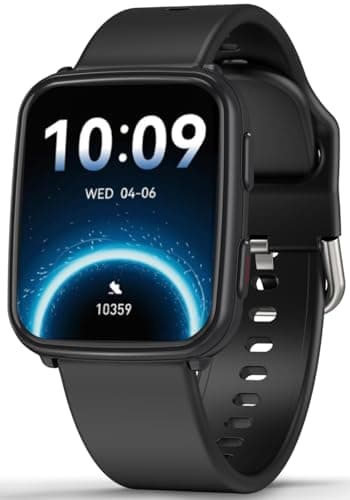
What is How Accurate Are Smartwatch Heart Rate Monitors? A Complete 2026 Guide
If you’ve ever wondered whether your smartwatch is actually telling you the truth about your heart rate, you’re not alone. The answer depends on the watch, the sensor, and how you wear it, which is why results can range from surprisingly good to frustratingly inconsistent. In this guide, we’ll explain how accurate are smartwatch heart rate monitors, what affects reliability, and how to choose a model that gives you the most useful readings.
Related Reviews
How It Works
Most smartwatch heart rate monitors use a technology called photoplethysmography, or PPG for short. That means the watch shines light into the skin and measures tiny changes in reflected light caused by blood moving through your wrist with each heartbeat.
In simple terms, the watch is not “listening” to your heart directly. It is estimating pulse by tracking blood flow patterns near the surface of the skin, which works well for many everyday activities but can be affected by motion, skin contact, tattoos, cold temperatures, sweat, and wrist position.
Some watches improve accuracy with better sensors, stronger algorithms, and more frequent sampling. But even the best wrist-based monitors are still estimates, not medical-grade ECG devices, so they’re most useful for trends, workouts, and general wellness tracking rather than diagnosis.
Key Benefits & Use Cases
Smartwatch heart rate tracking is popular because it gives you quick, convenient feedback throughout the day. Instead of guessing how hard you’re working, you can glance at your wrist and see whether your effort is light, moderate, or intense.
1. Workout intensity tracking
Heart rate data helps runners, walkers, cyclists, and gym users stay in the right training zone. If your watch is reasonably accurate, it can help you avoid undertraining or overexerting yourself.
2. Daily wellness monitoring
Many people use heart rate readings to notice unusual spikes, recovery patterns, or stress-related changes. While this is not a medical diagnosis tool, it can help you become more aware of your body’s trends over time.
3. Sleep and recovery insights
Heart rate often drops during sleep, so continuous monitoring can add context to sleep tracking. A watch that tracks heart rate overnight may help you understand recovery, sleep quality, and overall routine consistency.
4. Health motivation
Seeing real-time feedback can make exercise feel more measurable and rewarding. For beginners especially, a smartwatch can turn vague goals like “move more” into something concrete and trackable.
What to Look For When Buying
If your main question is how accurate are smartwatch heart rate monitors, the buying criteria below matter more than flashy extras. A watch with a strong sensor and good fit will usually outperform a feature-packed model with weak wrist contact.
1. Continuous heart rate monitoring
Look for 24/7 tracking rather than only manual spot checks. Continuous monitoring gives you better trend data and helps the watch catch changes during exercise, rest, and sleep.
2. Secure fit and comfortable strap
A loose watch is one of the biggest causes of bad readings. The sensor needs steady contact with your skin, so adjustable straps and a snug fit are essential for better accuracy.
3. Motion-tolerant sensor performance
Some watches handle movement better than others. If you plan to run, lift weights, or do interval training, choose a model known for stable readings during active motion.
4. App quality and trend analysis
The watch itself is only part of the experience. A good companion app should present heart rate graphs clearly, show trends over time, and make it easy to compare workouts and recovery patterns.
5. Extra health metrics and sports modes
Features like sleep tracking, blood oxygen, workout modes, and activity logs can add context to heart rate data. They don’t make the heart rate reading itself more accurate, but they can help you interpret it more intelligently.
Top Recommended Products
Below are a few budget-friendly smartwatch options that include heart rate tracking and related wellness features. They are best viewed as practical consumer devices for everyday monitoring, not medical instruments.
MorePro Fitness Tracker with 24/7 Heart Rate & Blood Pressure Monitor, Blood Oxygen & Sleep Tracker, Smart Watch with Step Calorie Counter, IP68 Waterproof Activity Tracker for Women Men Android iOS $49.99 ✓ Prime
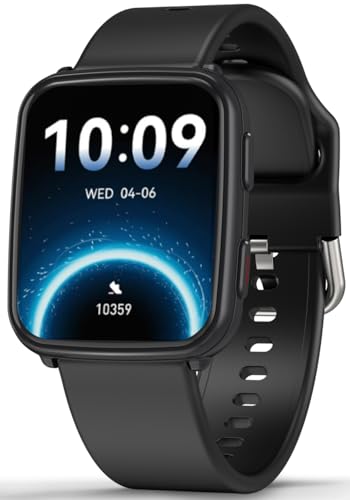


This model focuses on all-day monitoring, including 24/7 heart rate tracking, blood oxygen checks, and sleep data. It’s a solid fit for readers who want a budget-friendly wellness tracker with broad everyday coverage.
- ✓ 24/7 heart rate and blood pressure monitoring for ongoing trend awareness
- ✓ On-demand blood oxygen checks for added wellness context
- ✓ Sleep tracking with deep sleep, light sleep, and wake-up analysis
- ✓ 120+ sport modes and real-time workout metrics
- ✓ IP68 waterproof design for daily wear
- ✗ Not intended for medical use or diagnosis
- ✗ Accuracy can still vary with movement and wrist fit
Fitness Tracker with Heart Rate/Blood Oxygen/Sleep Monitor, 20+ Sports Modes Smart Watches for Women/Men, Activity & Step Tracker Smart Watch for Android/iOS Phones (Bordeaux) $28.99 ✓ Prime
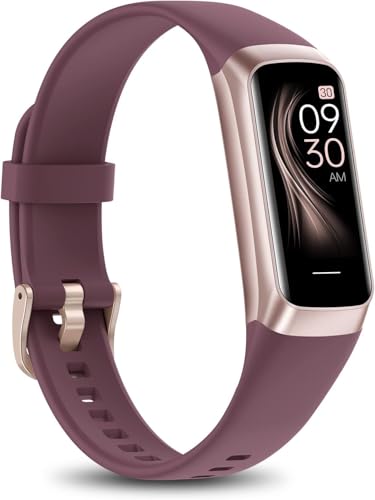

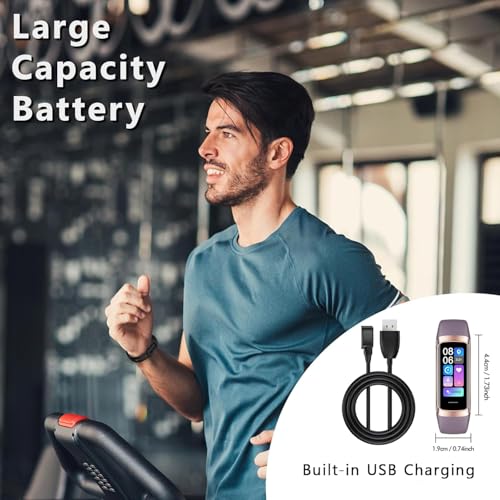
This is a value-focused option for users who want the basics: heart rate, blood oxygen, sleep tracking, and a simple AMOLED display. It’s especially appealing if you want a lower-cost watch for general health awareness.
- ✓ Real-time dynamic heart rate monitoring
- ✓ Blood oxygen, blood pressure, and temperature tracking
- ✓ Sleep stage analysis with a nightly sleep score
- ✓ 25 sport modes and daily activity tracking
- ✓ AMOLED HD touchscreen for easy readability
- ✗ Lower-cost sensors may be less consistent during intense motion
- ✗ Feature set is practical, but not premium
Bakoor Fitness Tracker, Activity Tracker with 24/7 Heart Rate Blood Pressure Blood Oxygen Sleep Monitor, Calories Smart Watch with 1.10'' AMOLED Touch Color Screen, Pedometer for Women Men $28.99 ✓ Prime
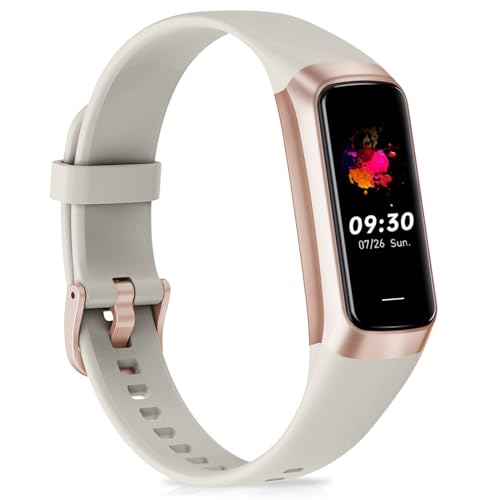


The Bakoor tracker is another affordable choice for people who want continuous heart rate monitoring and simple wellness insights. It also includes sleep tracking and sport modes, making it a practical starter smartwatch.
- ✓ 24/7 continuous heart-rate tracking
- ✓ Sleep tracking with deep and light sleep breakdowns
- ✓ 25 sports modes for more structured activity logging
- ✓ IP68 water resistance for everyday use
- ✓ AMOLED display for clearer viewing
- ✗ Data is explicitly for reference only
- ✗ Not ideal if you need highly precise athletic heart rate data
Csasan Smart Watch for Men Women(Answer/Make Call), 1.91" HD Screen Smartwatch Heart Rate/Sleep/Steps Monitor, 100+ Sports Fitness Watch, IP68 Waterproof Activity Trackers for Android iOS Black 83% OFF — Was $98.99 $16.99 ✓ Prime
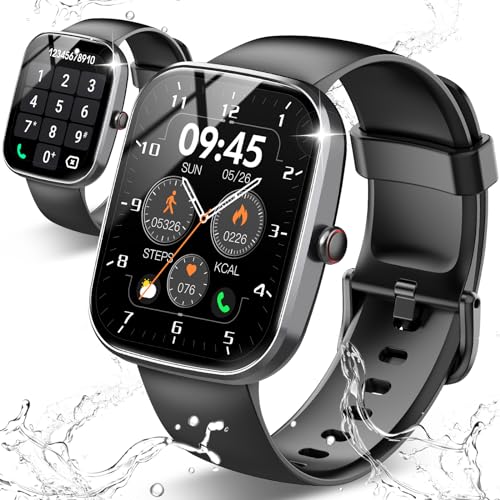


Csasan stands out for its low price, large display, and broad feature set. If you want a budget smartwatch with heart rate tracking plus call handling and sports modes, this is one of the strongest value picks in the list.
- ✓ 24/7 heart rate monitoring with real-time changes
- ✓ 110+ sports modes for varied activity tracking
- ✓ Answer and make calls from the wrist
- ✓ IP68 waterproof rating for daily use
- ✓ Large 1.91-inch HD screen with adjustable brightness
- ✗ Heart-rate readings are still reference data, not medical-grade
- ✗ Water resistance has limits and should not be treated as full submersion protection
Common Mistakes to Avoid
Even a decent smartwatch can give misleading results if it’s used incorrectly. If you want better answers to how accurate are smartwatch heart rate monitors, avoid these common mistakes:
- Wearing the watch too loosely, which breaks sensor contact with the skin.
- Expecting wrist-based readings to match a chest strap or ECG device exactly.
- Checking heart rate during rapid arm movement and assuming every spike is real.
- Ignoring skin temperature, sweat, tattoos, or poor placement on the wrist.
- Using the data as a diagnosis tool instead of a general wellness estimate.
The best results usually come from wearing the watch snugly, keeping the sensor clean, and comparing trends over time rather than obsessing over single readings.
Frequently Asked Questions
How accurate are smartwatch heart rate monitors compared with chest straps?
Chest straps are generally more accurate because they detect electrical signals from the heart, while smartwatches estimate pulse from wrist blood flow. For everyday use, smartwatches are often good enough, but chest straps usually win for intense training.
Are smartwatch heart rate monitors accurate at rest?
Yes, they are usually most accurate when you are sitting still or sleeping. Less movement means fewer sensor disruptions, so resting readings are often the most reliable.
Why does my smartwatch heart rate jump around?
Sudden jumps can happen because of motion, a loose fit, sweat, cold skin, or sensor interference. It can also be a normal response to exercise or stress, so look at patterns instead of isolated numbers.
Can a smartwatch detect heart problems?
Some smartwatches can notice unusual trends, but they are not medical diagnostic tools. If you are worried about symptoms or irregular readings, you should contact a healthcare professional.
What is the best way to improve smartwatch heart rate accuracy?
Wear the watch snugly above the wrist bone, keep the sensor clean, and avoid moving it around during workouts. Choosing a model with continuous tracking and a strong app can also improve the usefulness of the data.
Cons
- – Not intended for medical use or diagnosis
- – Accuracy can still vary with movement and wrist fit
- – Lower-cost sensors may be less consistent during intense motion
- – Feature set is practical, but not premium
- – Data is explicitly for reference only
- – Not ideal if you need highly precise athletic heart rate data
- – Heart-rate readings are still reference data, not medical-grade
- – Water resistance has limits and should not be treated as full submersion protection
Frequently asked questions
- How accurate are smartwatch heart rate monitors compared with chest straps?
- Chest straps are generally more accurate because they detect electrical signals from the heart, while smartwatches estimate pulse from wrist blood flow. For everyday use, smartwatches are often good enough, but chest straps usually win for intense training. Are smartwatch heart rate monitors accurate at rest?
- Are smartwatch heart rate monitors accurate at rest?
- Yes, they are usually most accurate when you are sitting still or sleeping. Less movement means fewer sensor disruptions, so resting readings are often the most reliable. Why does my smartwatch heart rate jump around?
- Why does my smartwatch heart rate jump around?
- Sudden jumps can happen because of motion, a loose fit, sweat, cold skin, or sensor interference. It can also be a normal response to exercise or stress, so look at patterns instead of isolated numbers. Can a smartwatch detect heart problems?
- Can a smartwatch detect heart problems?
- Some smartwatches can notice unusual trends, but they are not medical diagnostic tools. If you are worried about symptoms or irregular readings, you should contact a healthcare professional. What is the best way to improve smartwatch heart rate accuracy?
- What is the best way to improve smartwatch heart rate accuracy?
- Wear the watch snugly above the wrist bone, keep the sensor clean, and avoid moving it around during workouts. Choosing a model with continuous tracking and a strong app can also improve the usefulness of the data.
Get the Full Tech Buyer's Guide
Join our free newsletter — we'll send our latest Tech picks, specs and verdicts straight to your inbox.
Free. No spam. Unsubscribe anytime.
Was this review helpful?
Be the first to share your feedback on this review.
Sign in to vote and let us know what you think.
Discussion (0)
No comments yet. Be the first to start the discussion.
Related Reviews
What is Smartwatch Radiation Safety? A Complete 2026 Guide
Smartwatch radiation safety is the question of whether wearing a smartwatch exposes you to harmful electromagnetic energy from Bluetooth, Wi‑Fi, GPS, or cellular signals. For most buyers, the real concern is not “radiation” in the dramatic sense, but how much radiofrequency energy a watch emits, how
What is How to Extend Smartwatch Battery Life? A Complete 2026 Guide
Smartwatch battery drain can be frustrating when your watch dies before the day is over, especially if you rely on it for health tracking, notifications, or workouts. Learning how to extend smartwatch battery life helps you get more value from your device without constantly searching for a charger.
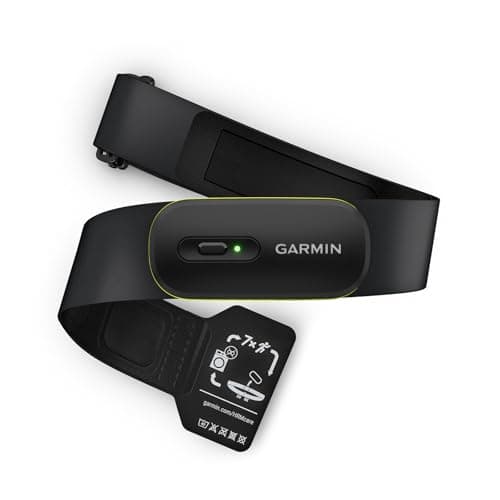
3 Best HRV Monitors in 2026 — Accurate Recovery Tracking Without Guesswork
If you’re trying to find the best HRV monitors , the hard part is separating true recovery-focused tools from basic heart-rate straps that only sound advanced. The right monitor should deliver reliable HRV data, work with your training platform, and fit comfortably enough that you’ll actually wear i