


Who this is for: Best for screenless wearable shoppers who want stronger coaching, longer battery life, and better recovery insights.
Check PriceAt a Glance
| Category | Google Fitbit Air | WHOOP 5.0 |
|---|---|---|
| Design | Screenless, lightweight, micro-adjustable fit | Screenless, lightweight, includes SuperKnit band and Waterproof Wireless PowerPack |
| Battery life | Up to 7 days | 14+ days |
| Health tracking | Heart rate, sleep, activity, AI-powered coaching | Heart rate, sleep, recovery, women’s health, 140+ metrics |
| Coaching | Personalized coaching built with Gemini | WHOOP AI coach with journal-based habit insights |
| Durability | Made for everyday wear; quiet, discreet design | IP68 water-resistant |
| Best for | Budget-conscious buyers who want a simple, comfortable tracker | Data-driven users who want the deepest recovery and coaching tools |
Design
Winner: Google Fitbit Air

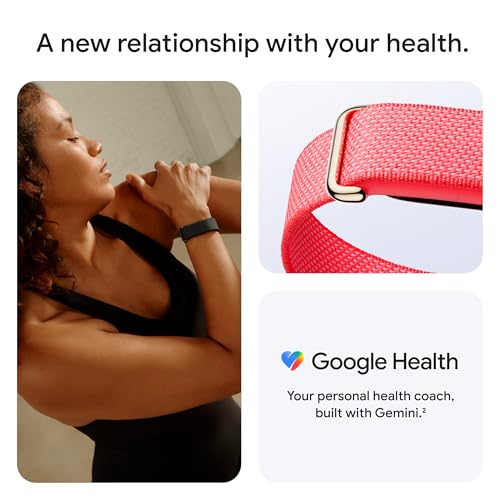
Both devices embrace the screenless approach, but Fitbit Air feels like the easier everyday wearable for most people. Its lightweight, micro-adjustable fit and “change looks in seconds” design make it especially appealing if you want something that can move from work to workouts to sleep without drawing attention.
Related Reviews
WHOOP 5.0 is also discreet and comfortable, but its selling point is more performance-first than style-first. The included SuperKnit band and power pack are practical, yet the overall experience is geared more toward serious tracking than casual wear.
- ✓ Fitbit Air is lightweight and micro-adjustable
- ✓ Fitbit Air is designed to blend into everyday outfits
- ✓ WHOOP 5.0 is still comfortable and screenless
- ✗ WHOOP’s setup is more ecosystem-driven and membership-centric
Performance
Winner: WHOOP 5.0


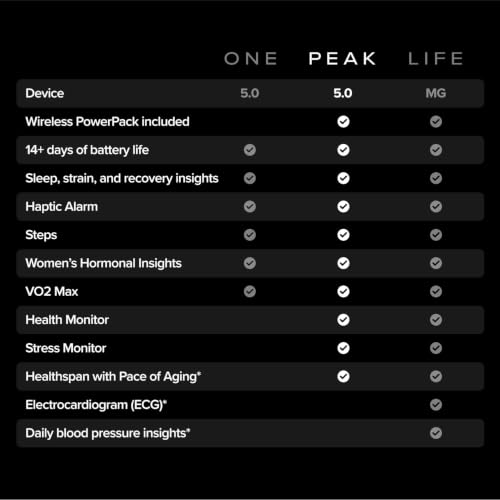
If you care most about the depth of health intelligence, WHOOP 5.0 has the edge. It tracks 140+ health and fitness metrics, supports 160+ daily behaviors in the journal, and turns that data into personalized AI coaching, recovery guidance, and long-term healthspan insights.
Fitbit Air is still strong here, especially for heart rate, sleep, and everyday activity tracking. But compared with WHOOP’s broader analytics and recovery framework, Fitbit Air is the simpler platform.
- ✓ WHOOP offers deeper metric coverage and more advanced coaching
- ✓ WHOOP includes recovery and Healthspan insights
- ✓ Fitbit Air covers the core essentials very well
- ✗ Fitbit Air is less comprehensive for data-heavy users
Value
Winner: Google Fitbit Air
On pure value, Fitbit Air is the easier recommendation. It’s the budget option in this matchup, and its feature set is broad enough for most buyers who want sleep, heart rate, activity tracking, and AI coaching without stepping into a more premium membership-first ecosystem.
WHOOP 5.0 can absolutely justify itself for committed athletes or optimization-focused users, but its premium positioning makes it a harder sell if you mainly want a reliable wearable that covers the essentials well.
- ✓ Fitbit Air is the budget-friendly pick in this comparison
- ✓ It delivers strong core tracking for everyday use
- ✓ WHOOP is more specialized and premium-oriented
- ✗ WHOOP is harder to justify if you don’t need advanced analytics
Battery and Durability
Winner: WHOOP 5.0
WHOOP 5.0 clearly wins this round with 14+ day battery life and an IP68 water-resistant rating. That combination makes it more appealing if you want fewer charging interruptions and a wearable that’s built to stay on through more demanding routines.
Fitbit Air still does well with up to 7 days of battery life and fast charging that can deliver a day of use in just five minutes, which is genuinely convenient. But in a direct battery comparison, WHOOP is the stronger endurance play.
- ✓ WHOOP lasts significantly longer between charges
- ✓ WHOOP adds IP68 water resistance
- ✓ Fitbit Air has fast charging for quick top-ups
- ✗ Fitbit Air needs charging more often than WHOOP
Coaching and App Experience
Winner: WHOOP 5.0
WHOOP 5.0 is the more ambitious coaching platform. Its AI coach is designed to convert a huge amount of data into next-step guidance, while the journal helps you understand how habits like training, alcohol, and travel affect sleep and recovery.
Fitbit Air’s coaching is more approachable and likely easier for mainstream users to stick with, especially since Google Health Premium uses Gemini-powered personalization. Still, WHOOP’s feedback loop is deeper and more performance-oriented.
- ✓ WHOOP delivers more advanced habit-to-outcome coaching
- ✓ WHOOP’s journal adds useful context to the data
- ✓ Fitbit Air’s coaching is simpler and easier to digest
- ✗ Fitbit Air is less advanced for optimization-focused users
Fitbit Air Is the Better Choice If…
- You want the more budget-friendly option in a screenless tracker.
- You prefer a simple wearable that covers heart rate, sleep, and activity well.
- You like the idea of fast charging and a discreet, easy-to-wear design.
- You want a tracker that feels less intense than a performance-first platform.
- You’re looking for strong everyday value rather than deep analytics.
WHOOP 5.0 Is the Better Choice If…
- You want the most advanced screenless coaching in this comparison.
- You care about recovery, sleep analysis, and long-term health insights.
- You want longer battery life and fewer charging interruptions.
- You like detailed habit tracking and AI guidance that adapts over time.
- You’re willing to pay more for a premium, data-rich experience.
Our Final Verdict
For most buyers comparing fitbit air vs whoop 5.0, WHOOP 5.0 is the better overall choice because it offers deeper tracking, stronger coaching, longer battery life, and a more complete recovery-focused experience. If you’re serious about using a wearable to improve training, sleep, and day-to-day habits, WHOOP is the more powerful tool.
That said, Google Fitbit Air is the smarter value pick for shoppers who want a comfortable, screenless tracker that handles the basics beautifully without pushing them into a premium ecosystem.
Frequently Asked Questions
Is Fitbit Air or WHOOP 5.0 better for sleep tracking?
WHOOP 5.0 is better for sleep tracking if you want the deepest analysis, including recovery context, sleep debt, and habit correlations. Fitbit Air is still strong, but it’s more streamlined.
Which is better for battery life, Fitbit Air or WHOOP 5.0?
WHOOP 5.0 wins battery life with 14+ days, while Fitbit Air lasts up to 7 days. Fitbit Air does offer fast charging, though.
Does Fitbit Air need a subscription?
Fitbit Air is positioned around Google Health Premium for more personalized coaching features, so buyers should review the app experience and membership details before purchasing.
Is WHOOP 5.0 worth it for casual users?
It can be, but WHOOP 5.0 makes the most sense for users who want detailed recovery, sleep, and coaching insights. Casual users may prefer Fitbit Air’s simpler value.
Which is more comfortable to wear all day and night?
Both are designed to be lightweight and screenless, but Fitbit Air emphasizes a micro-adjustable fit for everyday comfort, while WHOOP focuses on continuous wear and sleep tracking.
Pros
- + WHOOP 5.0 offers deeper coaching and recovery insights
- + WHOOP 5.0 has 14+ day battery life and IP68 water resistance
- + Google Fitbit Air is the more budget-friendly choice
- + Fitbit Air is lightweight, discreet, and easy to wear all day
- + Fitbit Air supports fast charging for quick top-ups
Cons
- – Fitbit Air has shorter battery life than WHOOP
- – Fitbit Air is less advanced for data-heavy users
- – WHOOP 5.0 is the premium option and harder to justify for casual buyers
- – WHOOP’s membership-centric model may not suit everyone
Frequently asked questions
- Is Fitbit Air or WHOOP 5.0 better for sleep tracking?
- WHOOP 5.0 is better for sleep tracking if you want the deepest analysis, including recovery context, sleep debt, and habit correlations. Fitbit Air is still strong, but it’s more streamlined.
- Which is better for battery life, Fitbit Air or WHOOP 5.0?
- WHOOP 5.0 wins battery life with 14+ days, while Fitbit Air lasts up to 7 days. Fitbit Air does offer fast charging, though.
- Does Fitbit Air need a subscription?
- Fitbit Air is positioned around Google Health Premium for more personalized coaching features, so buyers should review the app experience and membership details before purchasing.
- Is WHOOP 5.0 worth it for casual users?
- It can be, but WHOOP 5.0 makes the most sense for users who want detailed recovery, sleep, and coaching insights. Casual users may prefer Fitbit Air’s simpler value.
- Which is more comfortable to wear all day and night?
- Both are designed to be lightweight and screenless, but Fitbit Air emphasizes a micro-adjustable fit for everyday comfort, while WHOOP focuses on continuous wear and sleep tracking.
Score breakdown
- value
- 7.0
- usability
- 8.0
- durability
- 9.0
- performance
- 9.0
- buyerFeedback
- 9.0
Get the Full Tech Buyer's Guide
Join our free newsletter — we'll send our latest Tech picks, specs and verdicts straight to your inbox.
Free. No spam. Unsubscribe anytime.
Was this review helpful?
Be the first to share your feedback on this review.
Sign in to vote and let us know what you think.
Discussion (0)
No comments yet. Be the first to start the discussion.
Related Reviews

7 Best Wearables for Stress Tracking in 2026 — Best Options for Calm, Sleep, and Daily Wellness Insights
If you’re trying to find the best wearables for stress tracking, the hard part is separating real wellness features from marketing fluff. You want something that can actually monitor stress signals, sleep quality, heart rate, and recovery without becoming annoying to wear all day. These picks are ba

2 Best Screen Free Wearables in 2026 — Smarter Health Tracking Without a Distracting Display
If you want the best screen free wearables 2026 has to offer, you’re probably looking for health tracking that stays out of the way. Screenless wearables are ideal if you want sleep, recovery, heart rate, and activity data without notifications, glare, or constant checking. In this guide, we narrowe
Google Fitbit Air Review (2026): Specs, Pros & Cons, and Who It's For
If you want a fitness tracker that disappears on your wrist but still keeps tabs on your health, the Google Fitbit Air is built around that exact idea. It skips the screen entirely, which makes it more comfortable and less distracting than many trackers in this category. Based on published specs, ow