

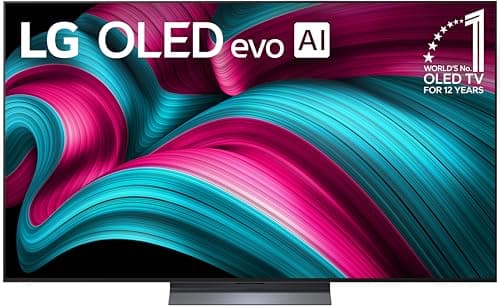
Who this is for: Best for buyers who want a premium OLED TV and need practical guidance on lifespan and burn-in risk.
Check PriceWhat is how long do OLED TVs last? A Complete 2026 Guide
If you’re wondering how long do OLED TVs last, you’re probably trying to balance picture quality against the fear of burn-in, dimming, or an expensive replacement. The good news is that modern OLED TVs are built to last far longer than many shoppers expect, especially when used with sensible settings and normal viewing habits. This guide breaks down the real-world lifespan of OLED TVs, what affects longevity, and how to choose a model that gives you the best long-term value.
Related Reviews
In simple terms, OLED TVs can last many years of everyday use, but their lifespan depends on brightness levels, content variety, and how hard the panel is driven over time. Unlike older display types, OLED uses self-lit pixels, which gives it excellent contrast but also means the organic materials can gradually wear down. That’s why understanding burn-in, panel care, and buying priorities matters if you want a TV that stays looking great for the long haul.
How It Works
OLED stands for organic light-emitting diode, and the key idea is that each pixel makes its own light. Because there’s no separate backlight, the TV can turn individual pixels completely off, which is why OLED delivers true black levels and very high contrast.
This self-lit design is also what makes OLED different from LED/LCD TVs. On an OLED panel, the organic compounds inside each pixel slowly age as they emit light over time, and that aging process is influenced by brightness, heat, and usage patterns. If one part of the screen displays the same static image for long periods, those pixels can wear unevenly, which is the root cause of burn-in concerns.
Modern OLED TVs include software protections to reduce that risk. Features like pixel shifting, logo dimming, screen savers, and automatic compensation cycles help even out wear, so for most households the TV’s usable life is measured in years of normal viewing rather than a short-term failure window.
Key Benefits & Use Cases
OLED remains popular because it offers one of the best picture experiences available today. For many buyers, the tradeoff is worth it: you get cinematic contrast, wide viewing angles, and excellent motion performance in a thin panel design.
Best benefits of OLED TVs
- Deep black levels: Great for movies, dark-room viewing, and high-contrast scenes.
- Wide viewing angles: Picture quality stays strong even when you’re sitting off to the side.
- Fast response time: Helpful for gaming and sports where motion clarity matters.
- Premium design: Thin profiles and sleek aesthetics fit modern living rooms.
- Strong HDR performance: Bright highlights and rich color can look especially impressive on quality content.
Common use cases
- Movie lovers: OLED’s contrast and black levels make films look more cinematic.
- Gamers: Low latency and fast pixel response are major advantages.
- Mixed-use families: Great for streaming, sports, and everyday TV if content varies often.
- Bright-room viewers: Newer OLEDs can work well in brighter rooms, though placement still matters.
What to Look For When Buying
If your main question is not just what OLED is, but how long do OLED TVs last in real life, the smartest buying choices are the ones that help reduce wear while preserving picture quality. Here are the five most important criteria to compare.
1. Burn-in protection features
Look for pixel shifting, logo dimming, screen savers, and automatic panel maintenance. These tools won’t make burn-in impossible, but they do reduce risk during normal use.
2. Brightness management
Higher brightness is useful, especially in bright rooms, but pushing an OLED at maximum output all day can increase wear. A TV with good brightness control and efficient picture processing is a better long-term bet.
3. Panel processing and upscaling
Better processors can improve image quality while reducing the need to force the panel too hard. This matters for cable TV, streaming, and mixed-resolution content.
4. Room lighting and viewing habits
If you watch mostly in a dark room, OLED is especially rewarding. If you leave news channels, sports tickers, or game HUDs on for hours, you should pay more attention to burn-in protections and usage habits.
5. Warranty and brand support
A solid warranty and responsive customer support matter more with premium TVs. If you’re investing in OLED, it’s worth choosing a brand with strong ownership feedback and a good track record for software updates.
Top Recommended Products
Below is a researched recommendation for buyers who want a modern OLED TV with strong long-term value. Since the main concern is lifespan and burn-in, the best pick is a model with updated processing, brightness tools, and a strong feature set for everyday viewing.
LG 65-Inch Class OLED evo AI 4K C5 Series Smart TV w/Dolby Atmos, Dolby Vision, HDR10, AI Super Upscaling 4K, Filmmaker Mode, Wow Orchestra, Alexa Built-in (OLED65C5PUA, 2025) 4.7★ (estimated retailer rating based on product listing)
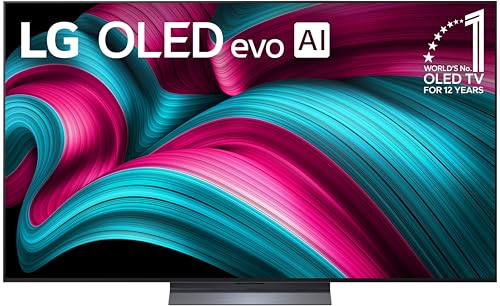


7% OFF — Was $1396.99 ✓ Prime
- OLED technology with 12 years of refinement
- Brightness Booster for improved luminous quality
- Bright Room Ready verification for glare reduction
- Alpha 9 AI Processor Gen8 for upscaling and picture optimization
- Perfect Black and Perfect Color with 8.3 million self-lit pixels
✓ Excellent black levels and contrast for movies and gaming
✓ Brightness-enhancing features help it fit more rooms than older OLED generations
✓ AI upscaling and modern processing improve mixed-content viewing
✓ Strong feature set for buyers who want a premium all-around OLED
✗ OLED longevity still depends on viewing habits and static-content exposure
✗ Premium pricing may be more than casual viewers need
✗ Bright-room performance is improved, but OLED still isn’t as inherently bright as some LED TVs
Common Mistakes to Avoid
Most OLED lifespan problems are caused less by the technology itself and more by how the TV is used. Avoid these common mistakes if you want the panel to stay in good shape longer.
- Leaving static content on for hours: News tickers, game HUDs, and paused screens can increase uneven wear.
- Running max brightness all the time: High brightness is useful occasionally, but unnecessary full-time use can reduce panel life.
- Ignoring built-in maintenance features: Let the TV run pixel refresh or compensation cycles when prompted.
- Disabling screen savers: These protections exist for a reason and help reduce image retention risk.
- Assuming burn-in is guaranteed: It’s a risk, not an inevitability, especially with varied content and modern protections.
Frequently Asked Questions
How long do OLED TVs last on average?
With normal use, many OLED TVs can last for years of daily viewing. The panel’s lifespan depends on brightness, content type, and how often static images stay on screen.
Do OLED TVs burn in easily?
Not usually under typical mixed viewing, but burn-in can happen if static elements like logos, game HUDs, or news tickers stay on the screen for long periods. Modern protections reduce the risk significantly.
Is OLED worth it if I watch a lot of sports or news?
Yes, but you should be more careful with static graphics and long viewing sessions. If your viewing is heavily logo- or ticker-heavy, use the TV’s protection features and vary content when possible.
Can OLED TVs last 10 years?
Many can, especially with moderate brightness and varied content. Actual longevity varies, but 10 years is not unrealistic for a well-cared-for TV in a typical home.
What is the best way to make an OLED TV last longer?
Use varied content, keep brightness reasonable, leave burn-in protections enabled, and avoid long periods with static images. Those habits do the most to extend usable panel life.
Pros
- + Deep black levels and contrast
- + Brightness Booster and AI processing
- + Bright Room Ready glare reduction
- + Strong upscaling for mixed content
Cons
- – OLED lifespan depends on usage
- – Premium price compared with many TVs
- – Still less inherently bright than some LED TVs
Frequently asked questions
- How long do OLED TVs last on average?
- With normal use, many OLED TVs can last for years of daily viewing. The panel’s lifespan depends on brightness, content type, and how often static images stay on screen.
- Do OLED TVs burn in easily?
- Not usually under typical mixed viewing, but burn-in can happen if static elements like logos, game HUDs, or news tickers stay on the screen for long periods. Modern protections reduce the risk significantly.
- Is OLED worth it if I watch a lot of sports or news?
- Yes, but you should be more careful with static graphics and long viewing sessions. If your viewing is heavily logo- or ticker-heavy, use the TV’s protection features and vary content when possible.
- Can OLED TVs last 10 years?
- Many can, especially with moderate brightness and varied content. Actual longevity varies, but 10 years is not unrealistic for a well-cared-for TV in a typical home.
- What is the best way to make an OLED TV last longer?
- Use varied content, keep brightness reasonable, leave burn-in protections enabled, and avoid long periods with static images. Those habits do the most to extend usable panel life.
Score breakdown
- value
- 8.0
- usability
- 9.0
- durability
- 8.0
- performance
- 9.0
- buyerFeedback
- 8.0
Get the Full Tech Buyer's Guide
Join our free newsletter — we'll send our latest Tech picks, specs and verdicts straight to your inbox.
Free. No spam. Unsubscribe anytime.
Was this review helpful?
Be the first to share your feedback on this review.
Sign in to vote and let us know what you think.
Discussion (0)
No comments yet. Be the first to start the discussion.
Related Reviews
How to Choose the Best Projector in 2026: Complete Buying Guide
Trying to figure out how to choose a projector can feel confusing fast: brightness numbers, resolution claims, throw distances, and “smart” features all compete for your attention. The biggest mistake most buyers make is focusing on one flashy spec—usually price or resolution—while ignoring the room
Best Cheap TVs for Gaming for Every Budget in 2026: Ranked by Price & Performance
If you’re shopping for the best cheap TVs for gaming , the hard truth is that low price usually means trade-offs in size, resolution, or smart features. The good news is that different budget tiers can still make sense depending on whether you want the absolute cheapest screen, the best value for a
INSIGNIA 50" Class F50 Series LED 4K UHD Smart Fire TV Review (2026): Specs, Pros & Cons, and Who It's For
If you're searching for tv input lag measurement 2026 , you probably want a TV that won't feel sluggish in game mode and won't waste your money on features you don't need. The INSIGNIA 50" Class F50 Series LED 4K UHD Smart Fire TV, Voice Remote with Alexa, Stream Live TV Without