

Who this is for: Best for shoppers who want to understand leather boot break-in and choose supportive boots that become more comfortable with wear.
Check PriceWhat is How to Break in Leather Boots? A Complete 2026 Guide
If your new leather boots feel stiff, pinch your feet, or rub your heels raw, you are not alone. Learning how to break in leather boots is the difference between boots that sit in the closet and boots that become your daily go-to pair. This guide explains what break-in really means, how it works, what to look for when buying, and which boots from our research are the best fit for easier wear over time.
Related Reviews
In simple terms, breaking in leather boots is the process of softening the leather and helping the boot upper, insole, and sole adapt to the shape of your foot. It does not happen instantly, and rushing it usually causes blisters or premature wear. Done correctly, the break-in process improves comfort while preserving the boot’s structure and durability.
How It Works
Leather boots start out firmer because the material is designed to hold shape, protect your feet, and last a long time. As you wear them, the leather fibers gradually flex, the lining conforms to pressure points, and the insole begins to match your foot’s natural movement. That is why a boot that feels tight on day one can feel much better after several wear sessions.
The boot’s construction matters too. Full-grain leather, welt construction, and thicker outsoles usually take longer to loosen than softer, more flexible builds. Features like cushioned footbeds, supportive shanks, and comfort technologies can make the break-in period easier because they reduce stress on your feet while the leather adapts.
In practical terms, break-in is not about forcing the boot to change all at once. It is about controlled wear: short sessions, gradual increases in time, and attention to hotspots before they become blisters. The goal is to let the boot mold naturally while keeping the leather conditioned and the fit stable.
Key Benefits & Use Cases
Why breaking in leather boots matters
A proper break-in can make boots feel more secure, reduce rubbing, and improve all-day comfort. It also helps you understand whether the boot is truly the right size before you commit to long-term wear.
Common use cases
- Work boots: Useful for people on their feet all day who need comfort without losing durability.
- Western boots: Helpful when you want classic style plus a more natural, flexible feel over time.
- Everyday wear: Ideal for boots you plan to use for commuting, walking, or casual outfits.
- Outdoor and ranch use: Important when the boot needs to handle uneven ground, dirt, and long hours.
What to Look For When Buying
If your goal is to make how to break in leather boots easier, choose boots with the right balance of structure and comfort. Here are five buying criteria that matter most.
1. Leather type
Full-grain leather is durable and molds well over time, but it often needs a longer break-in than softer materials. If you want a more forgiving start, look for boots with comfort-focused construction and flexible uppers.
2. Fit and width options
A boot that is too narrow will never feel right, no matter how long you wear it. Wide sizes and square-toe designs can help reduce pressure on the toes and forefoot during break-in.
3. Outsole flexibility
Stiff soles can make new boots feel harder to wear, especially during the first few weeks. A durable outsole is important, but some flexibility helps the boot move with your stride instead of against it.
4. Cushioning and support
Support technologies can reduce fatigue while the leather softens. Look for boots with cushioned footbeds, stability features, and good arch support if you plan to wear them for long shifts or long walks.
5. Construction quality
Goodyear welt construction, strong stitching, and quality lining usually mean better long-term durability. Better construction can also make the boot break in more predictably, even if the first few wears feel firm.
Top Recommended Products
Below are the two boots from our research that are most relevant if you want a leather boot that is durable, supportive, and likely to become more comfortable with wear. These are not hands-on test results; they are research-based recommendations built from published specs, product details, and owner feedback patterns.
ARIAT Mens Heritage Roper Western Boot Black 9 Wide (reviews not provided)

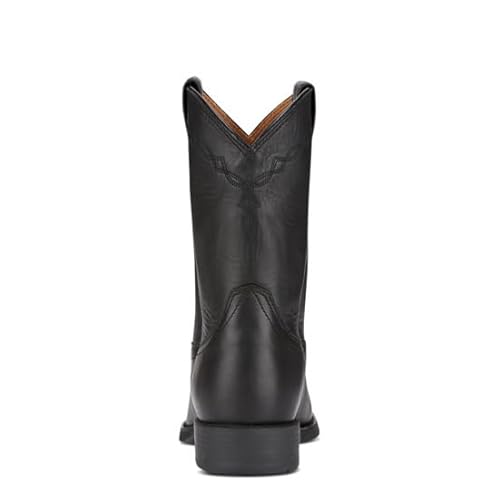
This boot stands out for shoppers who want a classic leather western style with comfort-oriented construction. The full-grain leather foot and upper, leather lining, ATS technology, and Duratread outsole make it a strong candidate for people who want a boot that can soften over time without losing support.
- ✓ Full-grain leather upper and foot for durability and natural molding
- ✓ ATS technology supports all-day comfort during the break-in period
- ✓ Duratread outsole offers wear resistance and flexibility
- ✓ Wide fit and square toe can reduce toe pressure for some wearers
- ✓ More affordable option improves value
- ✗ Western styling may not suit buyers who want a pure work-boot look
- ✗ Leather boots still require patience during the first wears
- ✗ Fit can vary depending on foot shape and sock choice
ARIAT Men's Sierra Wide Square Toe Work Boot (reviews not provided)


This model is a strong pick for buyers who need a tougher leather boot for demanding environments. The Goodyear welt construction, full-grain leather upper, ATS technology, and oil- and slip-resistant Duratread outsole suggest a boot built to handle hard use while gradually becoming more comfortable with wear.
- ✓ Goodyear welt construction supports long-term durability
- ✓ Full-grain leather upper can break in naturally over time
- ✓ ATS technology adds comfort and stability for long days
- ✓ Oil- and slip-resistant outsole is useful on rough or wet surfaces
- ✓ Wide square toe can help reduce cramped toe feel
- ✗ Higher price than the Heritage Roper
- ✗ More rugged construction may feel stiff at first
- ✗ Best for buyers who prioritize function over fashion
Common Mistakes to Avoid
- Wearing them all day on the first try: Long first wears often cause blisters and sore pressure points.
- Choosing the wrong size: Break-in can improve feel, but it cannot fix a boot that is fundamentally too small.
- Using too much heat: Excessive heat can dry out leather and damage the structure.
- Skipping conditioning: Dry leather can become less flexible and more prone to cracking.
- Ignoring hotspots: Small rub points usually get worse if you do not address them early.
- Expecting instant comfort: Most leather boots need a gradual wear-in period, not a one-day solution.
Frequently Asked Questions
How long does it take to break in leather boots?
It depends on the leather, construction, and fit. Some boots soften after a few short wears, while tougher full-grain or welted boots may take several weeks of gradual use.
What is the fastest safe way to break in leather boots?
Wear them for short periods, use thick socks, and increase wear time gradually. This is safer than forcing the leather with excessive heat or soaking methods.
Should leather boots be tight at first?
They can feel snug, but they should not be painfully tight or pinch your toes. If the boot is severely uncomfortable from the start, the size or width may be wrong.
Do leather boots stretch when broken in?
Yes, but only to a limited degree. They usually soften and conform more than they actually stretch, so fit should already be close before break-in starts.
Can I use conditioner to speed up break-in?
Leather conditioner can help keep the material supple, but it will not replace proper wear. Use it sparingly and follow the product instructions so you do not over-soften the boot.
Pros
- + Full-grain leather molds over time
- + Supportive comfort features reduce break-in pain
- + Wide fit options can ease toe pressure
- + Durable outsoles improve long-term wear
Cons
- – New leather boots can feel stiff at first
- – Wrong sizing cannot be fixed by break-in
- – Excess heat or rushing can damage leather
Frequently asked questions
- How long does it take to break in leather boots?
- It depends on the leather, construction, and fit. Some boots soften after a few short wears, while tougher full-grain or welted boots may take several weeks of gradual use.
- What is the fastest safe way to break in leather boots?
- Wear them for short periods, use thick socks, and increase wear time gradually. This is safer than forcing the leather with excessive heat or soaking methods.
- Should leather boots be tight at first?
- They can feel snug, but they should not be painfully tight or pinch your toes. If the boot is severely uncomfortable from the start, the size or width may be wrong.
- Do leather boots stretch when broken in?
- Yes, but only to a limited degree. They usually soften and conform more than they actually stretch, so fit should already be close before break-in starts.
- Can I use conditioner to speed up break-in?
- Leather conditioner can help keep the material supple, but it will not replace proper wear. Use it sparingly and follow the product instructions so you do not over-soften the boot.
Get the Full Clothing, Shoes & Jewelry Buyer's Guide
Join our free newsletter — we'll send our latest Clothing, Shoes & Jewelry picks, specs and verdicts straight to your inbox.
Free. No spam. Unsubscribe anytime.
Was this review helpful?
Be the first to share your feedback on this review.
Sign in to vote and let us know what you think.
Discussion (0)
No comments yet. Be the first to start the discussion.
Related Reviews

8 Best Wedding Shoes Comfortable in 2026 — Stylish Picks That Won’t Leave Your Feet Sore
If you’re searching for the best wedding shoes comfortable enough to wear through the ceremony, photos, dinner, and dancing, you’re in the right place. The challenge is finding a pair that looks wedding-ready without pinching, slipping, or leaving you counting the minutes until you can take them off

Best Alternatives to RM Williams in 2026 — Cheaper, Better, or Both?
If you love the clean Chelsea-boot look of RM Williams but can’t justify the price, you’re not alone. Many shoppers start searching for RM Williams alternatives because they want the same smart silhouette without paying premium-brand pricing or feeling locked into one heritage label. This guide comp

What is Boot Leather Types Explained? A Complete 2026 Guide
Trying to understand boot leather types explained can feel confusing when every product page throws around terms like full grain, top grain, suede, and genuine leather. The right leather type affects comfort, durability, water resistance, break-in time, and even how your boots age over time. This gu