

Who this is for: Best for shoppers who want a clear, practical explanation of boot leather types and how to choose the right one.
Check PriceWhat is Boot Leather Types Explained? A Complete 2026 Guide
Trying to understand boot leather types explained can feel confusing when every product page throws around terms like full grain, top grain, suede, and genuine leather. The right leather type affects comfort, durability, water resistance, break-in time, and even how your boots age over time. This guide breaks down the differences in plain English so you can choose boots with confidence.
Related Reviews
How It Works
Boot leather starts as an animal hide, which is then cleaned, tanned, and finished to create a material that can be shaped into footwear. The exact part of the hide used, plus how much of the surface is sanded or altered, determines the leather type and its performance.
Full grain leather keeps the outer surface of the hide intact, so it usually offers the best durability and develops a rich patina with wear. Top grain leather is lightly sanded to remove imperfections, which can make it smoother and more uniform but slightly less rugged than full grain. Suede comes from the underside of the hide, giving it a soft, napped texture that feels great but typically needs more care and protection.
In practical terms, leather type changes how boots handle daily use. A tougher leather may resist abrasion better for work or outdoor wear, while a softer finish may be more comfortable right away for casual use. That’s why understanding the leather itself matters just as much as the style of the boot.
Key Benefits & Use Cases
Different boot leather types serve different needs, so the “best” option depends on where and how you plan to wear them.
- Full grain leather: Best for long-term durability, heavy wear, and boots that should age well.
- Top grain leather: A strong choice for people who want a cleaner look and easier maintenance.
- Suede: Great for casual wear, fashion-forward outfits, and softer, more flexible comfort.
- Finished leather: Useful if you want extra stain resistance or a more polished appearance.
- Roughout or brushed leather: Often chosen for a rugged look with a broken-in feel.
For work boots, full grain is often favored because it tends to stand up better to scuffs, moisture, and repeated wear. For everyday city wear, top grain may offer a good balance of appearance and practicality. For style-first boots, suede can be an excellent option if you’re willing to protect and maintain it properly.
What to Look For When Buying
1. Leather Type
Check whether the boot uses full grain, top grain, suede, or another finish. This is the biggest clue to durability, texture, and maintenance needs.
2. Intended Use
Match the leather to your lifestyle. Work, hiking, fashion, and casual wear all put different demands on boots.
3. Maintenance Requirements
Some leathers need regular conditioning and waterproofing, while others are easier to wipe clean. Be honest about how much upkeep you’ll actually do.
4. Break-In Comfort
Thicker, tougher leathers often take longer to soften, while suede and some top grain finishes may feel comfortable sooner.
5. Weather Resistance
If you expect rain, mud, or snow, look for leather that’s treated for better moisture resistance and pair it with proper care products.
Top Recommended Products
If you’re shopping for a boot example while learning about leather types, the product below is a style-focused option worth considering.
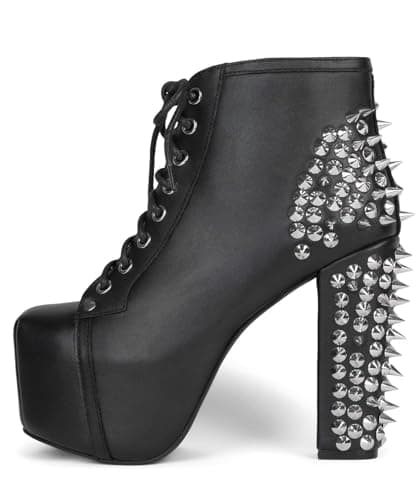
Spiked Leather Boot by HN $239.95 ✓ Prime
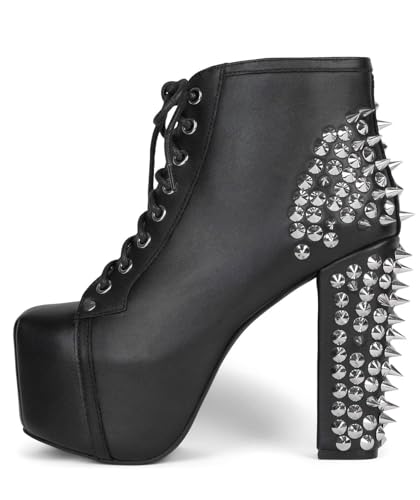


This boot is a useful reference point for shoppers comparing leather boot styles because it emphasizes a stylish design and comfortable fit. While the listing does not spell out the exact leather construction in detail, it’s the kind of product where understanding leather type can help you judge whether the look, feel, and upkeep match your needs.
- ✓ Comfortable fit
- ✓ Stylish design
- ✓ Prime shipping availability
- ✗ Limited material detail in the listing
- ✗ Not ideal if you need a highly technical work-boot spec sheet
- ✗ Imported construction may matter to some buyers
Common Mistakes to Avoid
1. Assuming all “leather” is the same. Full grain, top grain, suede, and corrected leather can behave very differently in real life.
2. Choosing style before function. A boot that looks great may not be the best choice if you need water resistance or long-term durability.
3. Ignoring maintenance. Suede and some finished leathers require different care than rugged full grain boots.
4. Overlooking break-in time. Tougher leathers may feel stiff at first, which can surprise buyers who want immediate comfort.
5. Not checking the product description closely. Some listings use broad terms like “genuine leather” without explaining the actual leather grade or finish.
Frequently Asked Questions
What is the best leather type for boots?
Full grain leather is often considered the best for durability and aging, while top grain offers a smoother look and suede offers a softer, more casual style.
Is full grain leather better than top grain?
Full grain is usually tougher and more durable, but top grain can look cleaner and may be easier to maintain for some buyers.
Are suede boots durable?
Suede can be durable enough for regular wear, but it is generally more vulnerable to stains, moisture, and scuffs than full grain leather.
What leather is easiest to maintain?
Top grain and some finished leathers are often easier to care for than suede or heavily rugged full grain leather, depending on the finish.
How do I know which boot leather type to buy?
Start with your main use case: choose full grain for durability, top grain for balance, and suede for comfort and style-focused wear.
Pros
- + Full grain leather is highly durable
- + Top grain offers a cleaner look
- + Suede feels soft and stylish
- + Leather type affects comfort and maintenance
- + Helps buyers match boots to use case
Cons
- – Leather terms can be confusing
- – Suede needs more care
- – Product listings may not explain construction clearly
Frequently asked questions
- What is the best leather type for boots?
- Full grain leather is often considered the best for durability and aging, while top grain offers a smoother look and suede offers a softer, more casual style.
- Is full grain leather better than top grain?
- Full grain is usually tougher and more durable, but top grain can look cleaner and may be easier to maintain for some buyers.
- Are suede boots durable?
- Suede can be durable enough for regular wear, but it is generally more vulnerable to stains, moisture, and scuffs than full grain leather.
- What leather is easiest to maintain?
- Top grain and some finished leathers are often easier to care for than suede or heavily rugged full grain leather, depending on the finish.
- How do I know which boot leather type to buy?
- Start with your main use case: choose full grain for durability, top grain for balance, and suede for comfort and style-focused wear.
Get the Full Clothing, Shoes & Jewelry Buyer's Guide
Join our free newsletter — we'll send our latest Clothing, Shoes & Jewelry picks, specs and verdicts straight to your inbox.
Free. No spam. Unsubscribe anytime.
Was this review helpful?
Be the first to share your feedback on this review.
Sign in to vote and let us know what you think.
Discussion (0)
No comments yet. Be the first to start the discussion.
Related Reviews
8 Best Combat Boots in 2026 — Durable, Comfortable Picks for Everyday Wear and Tactical Use
If you’re searching for the best combat boots 2026 , you probably want a pair that looks tough, feels comfortable, and won’t fall apart after a few seasons. The challenge is that “combat boot” can mean anything from fashion-forward ankle boots to rugged tactical footwear, so the best choice depends
8 Best Heels 2026 Comfortable — Stylish Picks That Won’t Wreck Your Feet
If you’re searching for the best heels 2026 comfortable enough for weddings, work, parties, and long days on your feet, the challenge is finding pairs that look polished without feeling punishing. This roundup focuses on heels with the most promising comfort-focused details: cushioning, stability, l
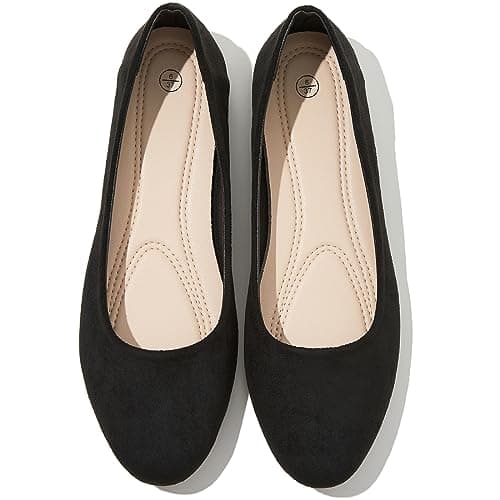
8 Best Women’s Flats in 2026 — Comfortable, Stylish Picks for All-Day Wear
If you’re searching for the best women’s flats 2026 , you probably want shoes that won’t pinch, slip, or look too casual for work and weekends. The challenge is finding a pair that balances comfort, polish, and value without guessing from product photos alone. This research-based roundup narrows the