
What is Goodyear Welt Explained? A Complete 2026 Guide
If you’ve ever wondered why some boots can be resoled for years while others fall apart, Goodyear welt explained is the construction method you need to understand. A Goodyear welt is a classic shoe-building technique that joins the upper, insole, and outsole with a stitched strip called a welt, making the shoe more durable and easier to repair. In this guide, you’ll learn how it works, why it matters, what to look for when buying, and which product is worth considering if you want the look and feel of welted footwear.
Related Reviews
How It Works
A Goodyear welt is a layered construction method used in many boots and dress shoes. Instead of gluing the sole directly to the upper, the maker first attaches the upper to an insole and a leather or synthetic strip called the welt; then the outsole is stitched to that welt. This creates a strong “bridge” around the shoe that helps hold everything together and makes future repairs much simpler.
For a general audience, the easiest way to think about it is this: a welt acts like a replaceable frame around the bottom of the shoe. The visible stitching you often see near the edge is part of the construction story, but the real advantage is what happens underneath—layers are built in a way that can survive long wear and be taken apart by a cobbler later. That’s why Goodyear welted shoes are often associated with durability, structure, and long-term value.
It’s also worth noting that “Goodyear welt” is sometimes used loosely in marketing, so not every boot with visible stitching is truly welted. If you’re studying construction, look for product details that specifically mention welt construction, resoling potential, and a stitched attachment between the sole and the welt.
Key Benefits & Use Cases
Goodyear welt construction is popular for people who want footwear that can handle repeated wear. It’s especially common in boots, where structure and repairability matter more than ultra-lightweight flexibility.
Main benefits
- Better repairability: The outsole can often be replaced without destroying the entire shoe.
- Long-term value: A higher upfront cost can make sense if the shoe lasts longer.
- Stable structure: The layered build usually gives the shoe a more substantial feel.
- Classic styling: Welted footwear often has a timeless, heritage look.
- Practical durability: The construction is designed for repeated use and maintenance.
Common use cases
- Work boots and everyday boots
- Dress boots and smart-casual footwear
- People who resole shoes instead of replacing them
- Buyers who want a sturdier build for fall and winter wear
- Shoppers comparing construction quality across boot brands
What to Look For When Buying
If you’re shopping for welted footwear, the construction label alone isn’t enough. Here are five criteria that help you judge whether a shoe or boot is worth the price.
1. Confirm the actual construction
Look for clear language about welt attachment, not just “stitched” or “crafted.” Some products use visual cues that suggest welted construction, but the specs should still support the claim.
2. Check the upper material
Leather quality affects how the shoe ages, breaks in, and resists wear. Full-grain and well-finished leathers usually age better than thin, heavily corrected materials.
3. Look for resoling potential
A major reason to buy welted footwear is the ability to resole it. If the brand or product page mentions repairability, that’s a good sign the shoe is built with maintenance in mind.
4. Evaluate comfort features
Welted shoes can be durable but not always instantly comfortable. Check for cushioning, footbed design, shaft height, and whether the boot is known to require a break-in period.
5. Compare fit and use case
Some welted boots are made for rugged wear, while others are more fashion-focused. Make sure the silhouette, ankle support, and sizing align with how you’ll actually use them.
Top Recommended Products
Below is a product that fits the broader conversation around durable boot construction and classic styling. While this article is educational and not hands-on testing, the product’s published features and owner feedback make it relevant for readers exploring the Goodyear welt topic.
Dr. Martens Unisex Embury Chelsea Boot, Black Wyoming, 12 Women/11 Men $99.08 29% OFF — Was $140.00 ✓ Prime
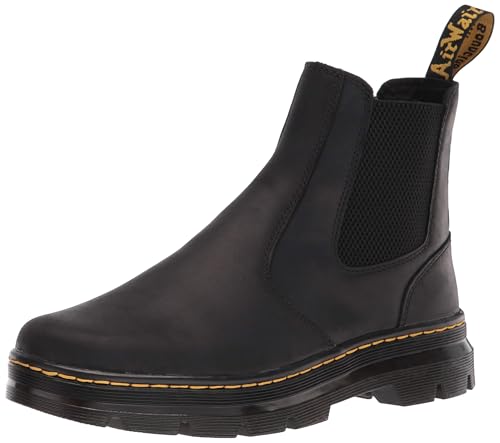


This Chelsea boot is a useful reference point for readers interested in durable boot construction and the classic look often associated with welted footwear. Its product details highlight a pull-on Chelsea style, Wyoming leather with a subtle grain and oily surface, and Dr. Martens’ signature visible stitching and heel loop.
- ✓ Pull-on Chelsea boot style for easy on-and-off wear
- ✓ Wyoming leather has a rich, subtly grained finish
- ✓ Dr. Martens DNA includes grooved edges and visible stitching
- ✓ Unisex sizing broadens fit options
- ✓ Prime shipping and a notable discount improve value
- ✗ Not every buyer will want the chunkier Dr. Martens aesthetic
- ✗ Chelsea fit can be less adjustable than lace-up boots
- ✗ Leather boots may need break-in time
- ✗ Style-first buyers may prioritize appearance over repairability details
Common Mistakes to Avoid
- Assuming all stitched boots are Goodyear welted: Visible stitching does not automatically mean true welt construction.
- Ignoring material quality: A welted shoe with poor upper leather may still wear out sooner than expected.
- Buying only for looks: Some boots look rugged but are not built for long-term repairability.
- Skipping fit research: A durable boot is still a bad buy if the sizing or shape doesn’t work for your foot.
- Forgetting maintenance: Welted shoes last longer when cleaned, conditioned, and resoled on time.
Frequently Asked Questions
What is a Goodyear welt in simple terms?
It’s a shoe construction method where the upper is stitched to a welt, and the outsole is stitched to that welt, making the shoe stronger and easier to resole.
Are Goodyear welt shoes always better?
Not always. They’re usually better for durability and repairability, but they can be heavier, stiffer, and more expensive than other constructions.
How can I tell if a boot is Goodyear welted?
Look for explicit product descriptions mentioning welt construction and resoling potential. Visible edge stitching alone is not enough to confirm it.
Do Goodyear welt shoes need a break-in period?
Often yes. Because the construction is more structured, many welted shoes feel stiff at first and soften with wear.
Are Goodyear welt boots worth the money?
They can be, especially if you plan to wear them often and resole them instead of replacing them. The value depends on materials, fit, and how long you keep them.
Get the Full Clothing, Shoes & Jewelry Buyer's Guide
Join our free newsletter — we'll send our latest Clothing, Shoes & Jewelry picks, specs and verdicts straight to your inbox.
Free. No spam. Unsubscribe anytime.
Was this review helpful?
Be the first to share your feedback on this review.
Sign in to vote and let us know what you think.
Discussion (0)
No comments yet. Be the first to start the discussion.
Related Reviews
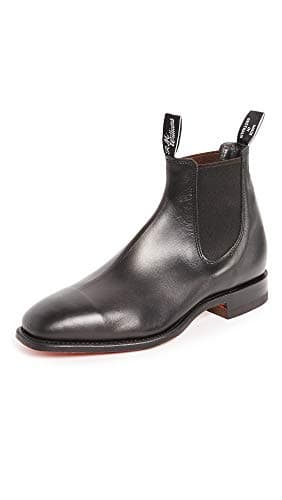
Best Alternatives to RM Williams in 2026 — Cheaper, Better, or Both?
If you love the clean Chelsea-boot look of RM Williams but can’t justify the price, you’re not alone. Many shoppers start searching for RM Williams alternatives because they want the same smart silhouette without paying premium-brand pricing or feeling locked into one heritage label. This guide comp
What is Boot Leather Types Explained? A Complete 2026 Guide
Trying to understand boot leather types explained can feel confusing when every product page throws around terms like full grain, top grain, suede, and genuine leather. The right leather type affects comfort, durability, water resistance, break-in time, and even how your boots age over time. This gu
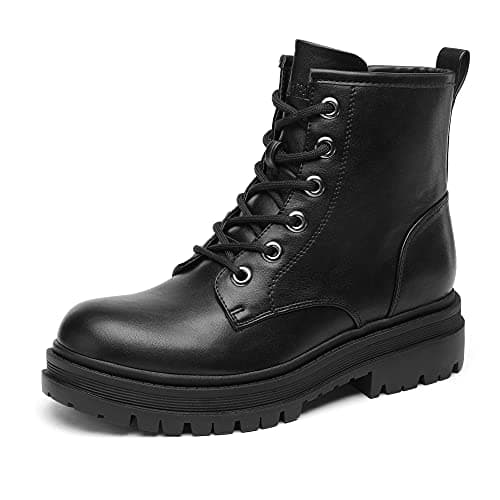
8 Best Combat Boots in 2026 — Durable, Comfortable Picks for Everyday Wear and Tactical Use
If you’re searching for the best combat boots 2026 , you probably want a pair that looks tough, feels comfortable, and won’t fall apart after a few seasons. The challenge is that “combat boot” can mean anything from fashion-forward ankle boots to rugged tactical footwear, so the best choice depends