

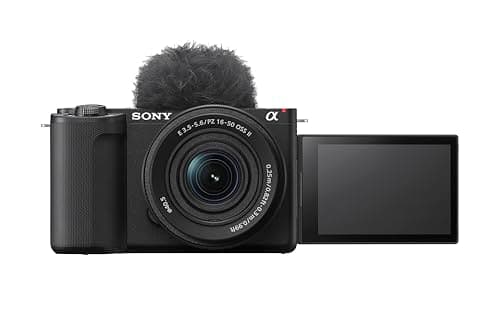
Who this is for: Best for vloggers and content creators who want a compact camera with strong autofocus and lens flexibility.
Check PriceSony ZV-E10 II Review (2026): Specs, Pros & Cons, and Who It's For
Key Specifications
| Spec | Sony ZV-E10 II |
|---|---|
| Sensor | 26MP APS-C back-illuminated Exmor R CMOS |
| Lens Mount | Sony E-mount, interchangeable lenses |
| Video | 4K up to 60 fps, Full HD up to 120 fps |
| Autofocus | Real-time Eye AF and Real-time Tracking for humans, animals, and birds |
| Burst Shooting | Up to 11 fps with electronic shutter |
| Creative Tools | Creative Look presets, My Image Style, bokeh/brightness/color adjustments |
| Kit Lens | E PZ 16-50mm F3.5-5.6 OSS II |
| Prime | Yes |
| Price | $1098.00 |
Design & Build Quality
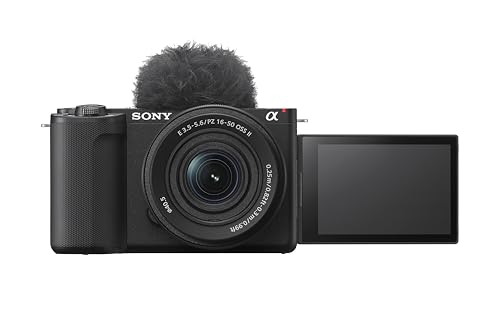


The Sony ZV-E10 II is built around a simple goal: make high-quality content creation easier without forcing you into a bulky camera system. Based on the published specs and owner feedback, its appeal starts with the compact body, interchangeable-lens flexibility, and creator-focused design that favors video-first shooting.
Related Reviews
The camera feels like a deliberate step up from a smartphone or compact vlogging camera because it gives you a much larger APS-C sensor and access to Sony’s E-mount lens ecosystem. That matters if you want more background blur, better low-light potential, and room to grow into different styles of shooting.
What stands out most is how Sony keeps the interface approachable. Features like Creative Look and My Image Style make it easier for newer users to get a polished look in-camera, while the touch-screen adjustments for bokeh, brightness, and color are clearly aimed at creators who want quick results.
✓ Pros
- Compact, creator-friendly body that is easy to carry for everyday filming.
- Interchangeable E-mount lens support gives you much more flexibility than a fixed-lens camera.
- Simple in-camera styling tools help beginners get better-looking footage faster.
- Prime eligible, which is convenient for fast shipping on Amazon.
✗ Cons
- No built-in lens means the true cost can rise once you add better glass.
- Some buyers may find the kit lens limiting for low-light or shallow-depth-of-field work.
- Creator-focused design is great for video, but less compelling if your main priority is still photography.
Performance & Features

On paper, the ZV-E10 II’s biggest upgrade is the 26MP back-illuminated APS-C sensor, which should deliver a noticeable jump over smartphone imagery and a better foundation for video and stills alike. Published reviews consistently point to Sony’s strong processing pipeline as a major reason this camera performs well in real-world creator workflows.
The autofocus system is another major selling point. Real-time Eye AF and Real-time Tracking are especially valuable for solo creators, because the camera is designed to stay locked on faces, eyes, and even animals or birds with minimal fuss. For vlogging, interviews, and product demos, that reliability can save time and reduce missed shots.
Video specs are where the ZV-E10 II earns most of its reputation. 4K up to 60 fps and Full HD up to 120 fps give creators enough flexibility for smooth motion and slow-motion clips. That makes it a strong fit for YouTube, social content, and hybrid creator work.
The camera also includes practical creative tools like 10 Creative Look presets, time-lapse support, and a burst rate up to 11 fps with electronic shutter. While it is not trying to be a sports or wildlife powerhouse, it gives you enough speed and versatility for everyday content creation.
✓ Pros
- 26MP APS-C sensor is a major advantage over phone cameras and many compact vlogging options.
- Real-time Eye AF and Tracking are highly useful for solo filming and moving subjects.
- 4K/60p and Full HD/120p support give creators flexible video options.
- Creative Look presets and My Image Style simplify getting a polished look.
- Interchangeable lenses make it more adaptable than fixed-lens vlogging cameras.
✗ Cons
- Advanced video users may want more pro-level controls and deeper cinema features.
- The included 16-50mm kit lens is versatile, but not the best choice for every shooting scenario.
- Some competitors offer more premium body features at higher price points.
Value for Money
At $1098.00, the Sony ZV-E10 II is not an impulse buy. But for a creator who wants a serious step up from a smartphone or entry-level compact camera, the price is easier to justify than it first appears.
The value question depends on what you need. If you only want casual clips, the ZV-E10 II may feel expensive, especially once you consider accessories, a better lens, or audio gear. But if your goal is to build a flexible creator setup that can grow over time, the interchangeable-lens system adds long-term value that fixed-lens cameras cannot match.
Compared with the alternatives in this price neighborhood, Sony’s strength is usually autofocus consistency, lens ecosystem depth, and creator-friendly usability. That combination is why many research-based comparisons place it near the top for vlogging and hybrid content creation.
✓ Pros
- Strong long-term value if you plan to expand into better lenses later.
- Offers a more future-proof system than many fixed-lens vlogging cameras.
- Good balance of video features and approachable usability.
✗ Cons
- Higher upfront cost than basic creator cameras.
- Kit-lens bundles can mask the fact that serious users may want additional glass.
- Some buyers may prefer to spend more for full-frame or more advanced hybrid features.
Who Should Buy This
The Sony ZV-E10 II makes the most sense for creators who want a compact, easy-to-use camera with serious video potential. It is a particularly good fit for YouTubers, vloggers, short-form video creators, and anyone upgrading from a phone who wants better autofocus, more background blur, and room to grow with lenses.
It is also a smart choice if you value convenience. The creator-focused features reduce friction, and the Sony E-mount system gives you a clear upgrade path as your skills or content needs evolve.
Best for:
- Solo vloggers who need dependable autofocus.
- Content creators who want better image quality than a smartphone.
- Beginners who want an approachable camera with room to grow.
- Creators who plan to invest in lenses over time.
Who Should Look Elsewhere
If your main priority is still photography, you may want to look at more photo-centric cameras. The ZV-E10 II is clearly tuned for video and creator workflows, so buyers who care more about image stabilization, rugged build features, or advanced stills performance may be better served elsewhere.
You should also look elsewhere if you want the best possible value at the lowest price. There are cheaper creator cameras, and there are more premium bodies that justify their cost with stronger pro-level features. The ZV-E10 II sits in the middle: strong for creators, but not the cheapest or most advanced option.
Not ideal for:
- Photographers who mainly shoot stills.
- Buyers who want the lowest possible entry price.
- Advanced filmmakers who need more cinema-style controls.
Best Alternatives
Sony Alpha 6700
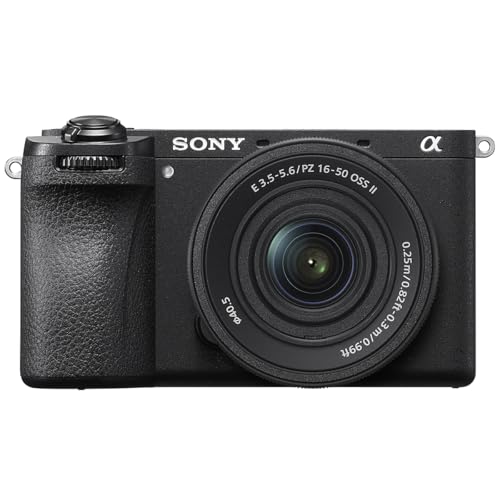

The Alpha 6700 is the better pick if you want a more advanced Sony APS-C body with stronger hybrid features, AI-based subject recognition, and 10-bit 4K video tools. It costs more, but it is a compelling step up for serious creators.
FUJIFILM X-T5 Mirrorless Digital Camera XF16-50mmF2.8-4.8 R LM WR Lens Kit - Silver
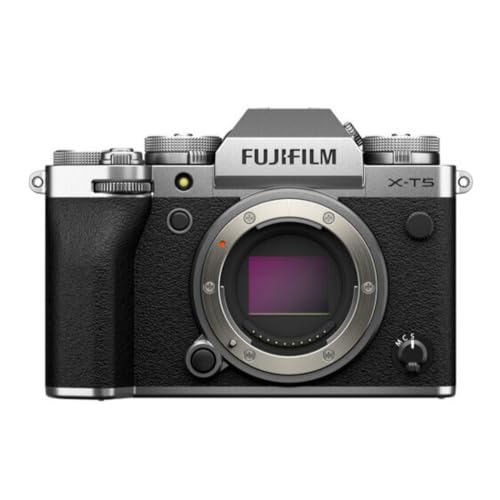

The X-T5 is a much pricier alternative, but it appeals to buyers who want higher-resolution stills, strong IBIS, and a more photo-focused experience. It is less of a creator-first camera and more of a premium hybrid option.
Canon EOS R6 Mark II Mirrorless Camera RF24-105mm F4-7.1 is STM Lens Kit
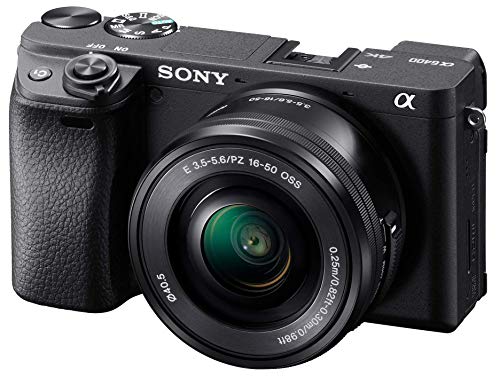

The R6 Mark II is the premium full-frame alternative for buyers willing to spend much more for a stronger all-around hybrid camera. It is a better fit for more demanding users who want a higher-end body and broader performance headroom.
Final Verdict
So, is the Sony ZV-E10 II worth it? For most creators who want a compact, flexible, and video-friendly camera system, yes — it is worth it. The combination of APS-C image quality, reliable autofocus, 4K/60p video, and interchangeable lenses makes it a smart buy for content creators who plan to grow beyond basic phone shooting.
If you are building a serious creator setup and want a camera that balances ease of use with real upgrade potential, the ZV-E10 II is an easy recommendation. If you only need casual video, though, it may be more camera than you actually need.
Frequently Asked Questions
Is the Sony ZV-E10 II worth it for beginners?
Yes, if the beginner wants to make higher-quality video and is willing to learn a little. Its autofocus, creator tools, and simple controls make it approachable, but the price is higher than entry-level point-and-shoot options.
Is the Sony ZV-E10 II good for vlogging?
Yes. Research-based comparisons and published feedback consistently point to its strong autofocus, compact body, and creator-focused features as major advantages for vloggers.
Does the Sony ZV-E10 II come with a lens?
This bundle includes the E PZ 16-50mm F3.5-5.6 OSS II zoom lens, which is a versatile starter option for general shooting and everyday content creation.
Is the Sony ZV-E10 II better than a smartphone for content creation?
For most creators, yes. The larger APS-C sensor, interchangeable lenses, and stronger autofocus give it a clear advantage for image quality and creative control.
What is the biggest downside of the Sony ZV-E10 II?
The biggest downside is cost once you factor in lenses and accessories. The camera body is strong, but the total system price can climb quickly if you want to get the most out of it.
Pros
- + 26MP APS-C sensor for strong image quality
- + Reliable Real-time Eye AF and Tracking
- + 4K/60p and Full HD/120p video support
- + Interchangeable Sony E-mount lens system
- + Creator-friendly in-camera looks and controls
Cons
- – No built-in lens
- – Kit lens may feel limiting
- – Not the best choice for still-photo-first buyers
- – Higher total cost once accessories are added
Frequently asked questions
- Is the Sony ZV-E10 II worth it for beginners?
- Yes, if the beginner wants to make higher-quality video and is willing to learn a little. Its autofocus, creator tools, and simple controls make it approachable, but the price is higher than entry-level point-and-shoot options.
- Is the Sony ZV-E10 II good for vlogging?
- Yes. Research-based comparisons and published feedback consistently point to its strong autofocus, compact body, and creator-focused features as major advantages for vloggers.
- Does the Sony ZV-E10 II come with a lens?
- This bundle includes the E PZ 16-50mm F3.5-5.6 OSS II zoom lens, which is a versatile starter option for general shooting and everyday content creation.
- Is the Sony ZV-E10 II better than a smartphone for content creation?
- For most creators, yes. The larger APS-C sensor, interchangeable lenses, and stronger autofocus give it a clear advantage for image quality and creative control.
- What is the biggest downside of the Sony ZV-E10 II?
- The biggest downside is cost once you factor in lenses and accessories. The camera body is strong, but the total system price can climb quickly if you want to get the most out of it.
Score breakdown
- value
- 8.0
- usability
- 9.0
- durability
- 7.5
- performance
- 9.0
- buyerFeedback
- 8.5
Get the Full Tech Buyer's Guide
Join our free newsletter — we'll send our latest Tech picks, specs and verdicts straight to your inbox.
Free. No spam. Unsubscribe anytime.
Was this review helpful?
Be the first to share your feedback on this review.
Sign in to vote and let us know what you think.
Discussion (0)
No comments yet. Be the first to start the discussion.
Related Reviews
What is How to Fly a Drone for Beginners? A Complete 2026 Guide
If you’re searching for how to fly a drone for beginners , you probably want a simple way to start without crashing, breaking parts, or feeling overwhelmed by controls. The good news is that beginner drone flying becomes much easier once you understand the basics of lift, controller inputs, and safe
What is how to start photography 2026? A Complete 2026 Guide
If you’re trying to figure out how to start photography 2026 , the hardest part is usually knowing where to begin without wasting money on the wrong gear. The good news is that photography is much easier to enter now because beginner-friendly cameras, phones, editing apps, and learning resources are
What is FAA drone rules 2026? A Complete 2026 Guide
If you’re trying to understand FAA drone rules 2026 , the biggest challenge is usually separating real compliance requirements from outdated advice. The rules can change based on whether you fly recreationally, commercially, or for a specific job like real estate, inspections, or mapping. This guide