

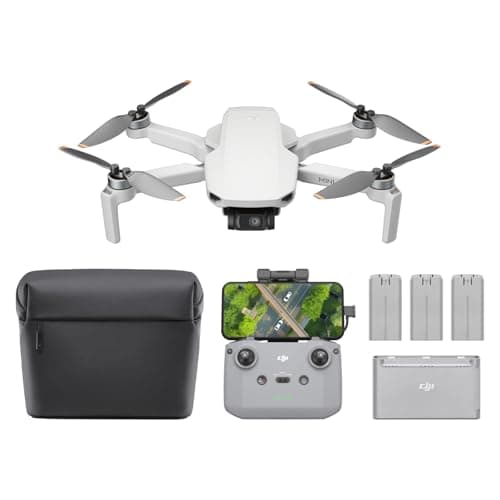
Who this is for: Best for first-time drone buyers who want a simple, safe path to learning flight basics and choosing an easy starter drone.
Check PriceWhat is How to Fly a Drone for Beginners? A Complete 2026 Guide
If you’re searching for how to fly a drone for beginners, you probably want a simple way to start without crashing, breaking parts, or feeling overwhelmed by controls. The good news is that beginner drone flying becomes much easier once you understand the basics of lift, controller inputs, and safe practice habits. This guide explains how drones work, what to look for before buying one, and which beginner-friendly options are worth considering in 2026.
Related Reviews
How It Works
A drone flies because four rotors create lift and stability by spinning at different speeds. When you push the controller sticks, the drone’s flight computer changes motor speed to move up, down, forward, backward, or sideways while keeping the aircraft balanced.
Most beginner drones use sensors and software to make flying easier. Features like optical flow positioning, auto takeoff and landing, return-to-home, and stabilized gimbals help reduce drift and make the drone more predictable for new pilots.
Key Benefits & Use Cases
Learning to fly a drone can be useful for both recreation and skill-building. For beginners, it’s a hands-on way to understand coordination, spatial awareness, and basic aviation concepts.
- Recreational flying: Practice in open spaces and enjoy a new outdoor hobby.
- Travel and family memories: Capture overhead clips of vacations, events, and scenic views.
- STEM learning: Build confidence with flight controls, mechanics, and problem-solving.
- Content creation: Use stable aerial footage for social media or personal projects.
- Skill progression: Start with simple maneuvers and move into more advanced flying later.
What to Look For When Buying
If you’re choosing a first drone, focus on features that make learning easier instead of chasing advanced specs you won’t use right away.
1. Easy Controls
Look for one-touch takeoff and landing, headless mode, and beginner flight modes. These features reduce the learning curve and help prevent early mistakes.
2. Stability Features
Optical flow positioning, altitude hold, and GPS support can make the drone hover more steadily. A stable drone is much easier to control when you are still learning stick inputs.
3. Battery Life
Short flight times can frustrate beginners because you spend more time charging than practicing. Multiple batteries or longer runtime helps you build confidence faster.
4. Durability and Spare Parts
New pilots will bump into things. A drone with spare propellers, protected blades, or easy replacement parts can save money and reduce downtime.
5. Camera and Transmission Quality
If you want to record footage, look for a stable camera setup and reliable video transmission. A good live view makes it easier to keep the drone oriented and fly safely.
Top Recommended Products
DJI Mini 4K Fly More Combo 4K UHD Camera for Adults, Under 249 g, 3-Axis Gimbal Stabilization, 10km Video Transmission, Auto Return, 3 Batteries for 93-Min Max Flight Time, QuickShots ✓ Prime 15% OFF — Was $449.00
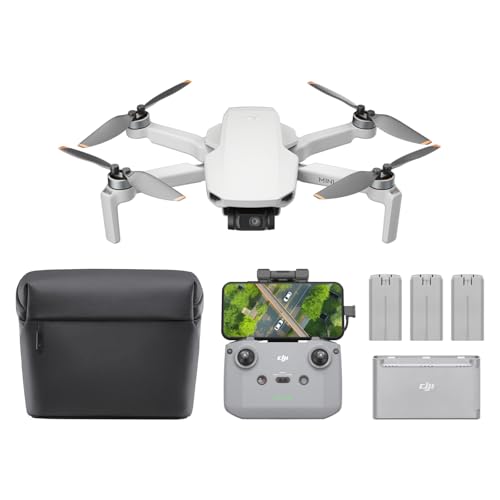


This is the strongest pick for beginners who want a polished, easy-to-grow-into drone with serious stability features. Its under-249 g design, 3-axis gimbal, long transmission range, and included batteries make it especially appealing for learning with less frustration.
- ✓ Under 249 g, so recreational users may not need FAA registration or Remote ID
- ✓ 4K UHD camera with 3-axis gimbal for smoother footage
- ✓ 10km max HD video transmission for a more reliable live view
- ✓ Three batteries included for up to 93 minutes of total flight time
- ✓ Auto return and QuickShots help beginners fly with more confidence
- ✗ Higher price than a basic trainer drone
- ✗ DJI Fly app availability requires extra setup attention
- ✗ Camera features may be more than a true first-time pilot needs
Quadrotor Drone DIY Kit Unique STEM Project with Brushless Motor, Optical Flow Hovering, One-Click Takeoff and Landing, and 360° Flip for DIY Enthusiasts to Learn Drone Basics ✓ Prime
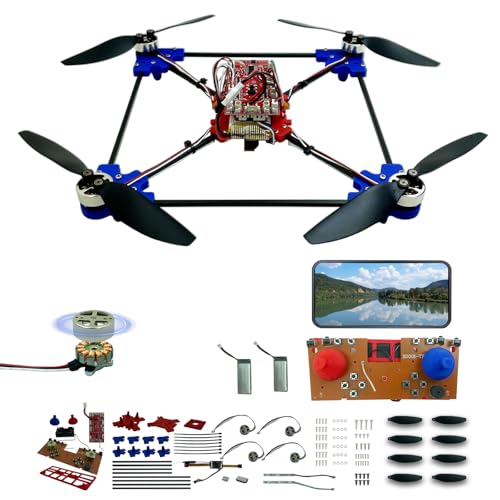


This is the best choice for learners who want to understand drone mechanics, not just fly a ready-made aircraft. Because it requires assembly, it can be more educational than a standard beginner drone, especially for teens, hobbyists, and STEM-focused buyers.
- ✓ DIY assembly teaches drone basics step by step
- ✓ Optical flow hovering helps with stability during practice
- ✓ One-click takeoff and landing make early flights simpler
- ✓ Spare propellers are included for beginner mistakes
- ✓ Good fit for STEM learning and hands-on projects
- ✗ Assembly takes time and patience
- ✗ Harder to learn than a fully built beginner drone
- ✗ Flight proficiency still requires practice
Common Mistakes to Avoid
Most beginner drone crashes happen for predictable reasons. Avoiding these early mistakes will save money and make practice much less stressful.
- Flying indoors first: Small rooms make it harder to correct mistakes and can lead to prop strikes.
- Ignoring wind: Even a stable drone can drift if you practice in gusty conditions.
- Skipping the manual: Features like headless mode, return-to-home, and calibration work best when you understand them.
- Taking off without a clear plan: Always know where you will land and what obstacles are around you.
- Overcorrecting the sticks: Smooth inputs are easier to control than sudden jerks.
- Forgetting local rules: Registration, airspace restrictions, and safety requirements may apply depending on where you fly.
Frequently Asked Questions
1. What is the easiest way to learn how to fly a drone for beginners?
Start in a wide open area, use a drone with one-touch takeoff and landing, and practice hovering before trying forward flight. Short, repeated sessions help build muscle memory faster than long flights.
2. Do beginners need a GPS drone?
Not always, but GPS can make flying easier because it improves stability and helps with return-to-home features. If you want a smoother learning experience, GPS is a helpful feature.
3. How long does it take to get good at flying a drone?
Many beginners feel more comfortable after a few practice sessions, but consistent control usually takes longer. The more you practice smooth hovering, turns, and landings, the faster you improve.
4. What is the safest place for a first drone flight?
A large open field away from people, trees, power lines, and buildings is usually the safest place to start. Good visibility and light wind make learning much easier.
5. Should I buy a cheap drone or a better beginner drone?
If you only want to experiment, a cheaper option can work. But if you want a smoother learning curve and better long-term value, a more stable beginner drone is usually worth it.
Pros
- + Easy controls and stability features matter most for beginners
- + Longer battery life helps you practice more
- + Spare parts and durable builds reduce crash costs
- + Good video transmission improves confidence and control
Cons
- – Cheap drones can be unstable and frustrating
- – Wind and poor setup can quickly cause crashes
- – Advanced features may be unnecessary for true beginners
Frequently asked questions
- What is the easiest way to learn how to fly a drone for beginners?
- Start in a wide open area, use a drone with one-touch takeoff and landing, and practice hovering before trying forward flight. Short, repeated sessions help build muscle memory faster than long flights.
- Do beginners need a GPS drone?
- Not always, but GPS can make flying easier because it improves stability and helps with return-to-home features. If you want a smoother learning experience, GPS is a helpful feature.
- How long does it take to get good at flying a drone?
- Many beginners feel more comfortable after a few practice sessions, but consistent control usually takes longer. The more you practice smooth hovering, turns, and landings, the faster you improve.
- What is the safest place for a first drone flight?
- A large open field away from people, trees, power lines, and buildings is usually the safest place to start. Good visibility and light wind make learning much easier.
- Should I buy a cheap drone or a better beginner drone?
- If you only want to experiment, a cheaper option can work. But if you want a smoother learning curve and better long-term value, a more stable beginner drone is usually worth it.
Get the Full Tech Buyer's Guide
Join our free newsletter — we'll send our latest Tech picks, specs and verdicts straight to your inbox.
Free. No spam. Unsubscribe anytime.
Was this review helpful?
Be the first to share your feedback on this review.
Sign in to vote and let us know what you think.
Discussion (0)
No comments yet. Be the first to start the discussion.
Related Reviews
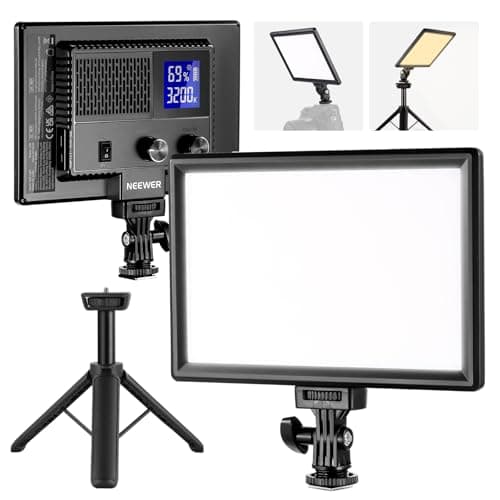
2 Best LED Panel Lights for Vlogging in 2026 — Bright, Portable, and Budget-Friendly
If you’re trying to improve your vlogging setup, bad lighting is usually the fastest way to make videos look amateur. The best LED panel lights for vlogging should give you flattering skin tones, easy brightness control, and enough portability to move between your desk, bedroom, or travel setup. In
How to Choose the Best FPV Racing Drone Setup for Beginners in 2026: Complete Buying Guide
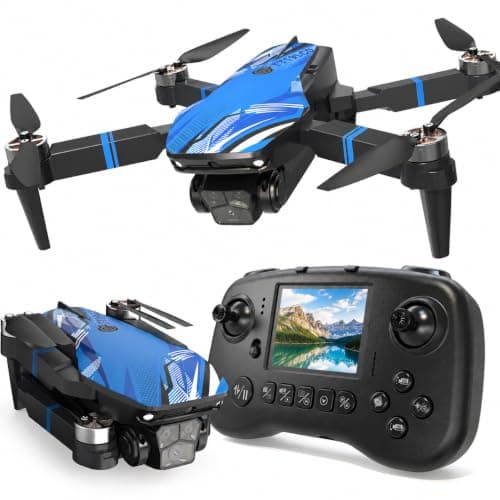
If you’re trying to figure out how to choose an FPV racing drone setup for beginners , the hardest part is not the flying — it’s avoiding a setup that looks beginner-friendly but is too fragile, too complicated, or missing key parts. A good starter kit should make learning easier, not force you to b
How to Choose the Best Video Tripod for Mirrorless Cameras in 2026: Complete Buying Guide
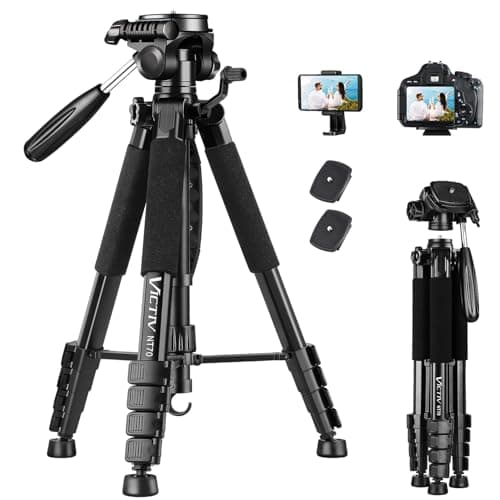
If you’re figuring out how to choose a video tripod for mirrorless cameras , the biggest challenge is matching the tripod to the way you actually shoot—not just picking the tallest or cheapest one. A bad choice can lead to shaky footage, frustrating head movement, and constant re-adjustments that sl