

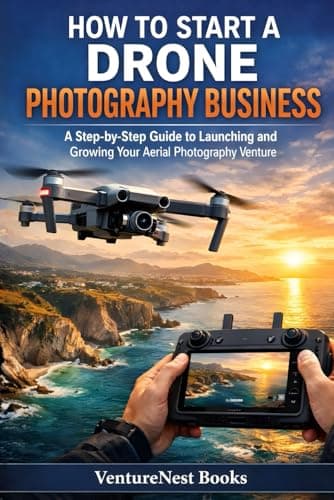
Who this is for: Best for beginners who want a simple, affordable introduction to drone photography and a path toward a niche business.
Check PriceWhat is how to start photography 2026? A Complete 2026 Guide
If you’re trying to figure out how to start photography 2026, the hardest part is usually knowing where to begin without wasting money on the wrong gear. The good news is that photography is much easier to enter now because beginner-friendly cameras, phones, editing apps, and learning resources are better than ever. This guide explains the basics in plain English, shows you what matters most, and helps you avoid the most common beginner mistakes.
Related Reviews
How It Works
Photography works by capturing light and turning it into an image. In a camera, light passes through the lens, reaches the sensor, and is recorded as a photo file; in a smartphone, the same idea happens with a smaller sensor and a lot of software assistance. The final image is shaped by three core settings: aperture, shutter speed, and ISO, which control how much light enters, how long it enters, and how sensitive the sensor is to it.
For beginners, the most important thing to understand is that photography is a mix of technical control and creative choice. You can let the camera decide everything in auto mode, or you can take control and deliberately change brightness, background blur, motion blur, and image quality. Editing then becomes the final step, where you refine color, contrast, cropping, and sharpness to match your style.
Key Benefits & Use Cases
Why people start photography
Photography is popular because it combines creativity, storytelling, and practical value. It can become a hobby, a side income, or a professional skill, depending on how far you want to go.
- Creative expression: You can capture landscapes, portraits, street scenes, food, or travel moments in your own style.
- Memory preservation: Photos document family events, vacations, milestones, and everyday life in a lasting way.
- Content creation: Photography supports blogs, social media, YouTube thumbnails, product listings, and personal branding.
- Career potential: Skills can lead to paid work in portrait, event, product, real estate, or commercial photography.
- Low barrier to entry: Many beginners can start with a phone or an affordable camera before upgrading later.
Common use cases
Beginners often start with portraits, travel, nature, pets, food, and everyday street scenes. Others use photography to support a business, such as creating product images for an online store or marketing photos for local services. Some also explore drone photography as a niche once they understand the basics of composition and exposure.
What to Look For When Buying
If you’re building your first setup, the goal is not to buy the most expensive gear. It’s to choose tools that make learning easier, fit your budget, and support the kind of photos you want to create.
1. Ease of use
Look for equipment or learning resources that are beginner-friendly, with clear explanations and simple controls. The easier the setup is to understand, the faster you’ll improve.
2. Image quality
For cameras, image quality depends on sensor size, lens quality, and processing. For learning materials, look for practical examples that teach how to get better results, not just theory.
3. Flexibility
A good beginner choice should let you grow. That might mean manual controls, interchangeable lenses, or a guide that covers multiple photography styles and business paths.
4. Portability
If you plan to shoot travel, street, or everyday content, lighter gear is easier to carry and use consistently. Portability matters because the best camera is often the one you actually bring with you.
5. Value for money
Focus on tools that give you the most learning or shooting value per dollar. Beginners often do better with modest gear plus strong practice than with expensive gear and no plan.
Top Recommended Products
For this topic, the provided product list includes a beginner-focused educational resource that can help readers move from curiosity to action. It’s especially useful if you want a structured path for starting a photography-related niche, such as aerial or drone photography.
How To Start A Drone Photography Business: A Step-by-Step Guide to Launching and Growing Your Aerial Photography Venture ✓ Prime $9.99
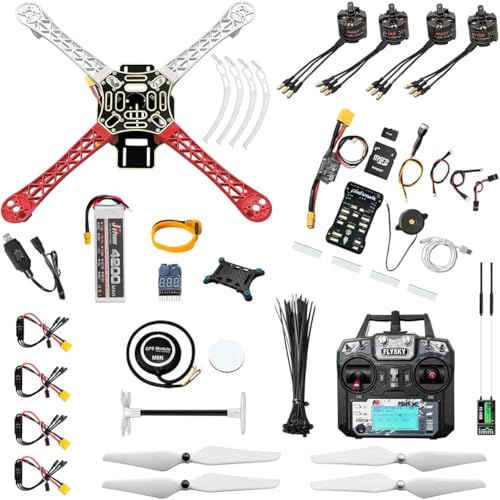

This guide is a strong fit if you want a more business-oriented starting point and are interested in aerial photography as a niche. Based on its title and positioning, it appears designed to help beginners understand the process of launching and growing a drone photography venture rather than just taking pictures for fun.
- ✓ Step-by-step structure is beginner-friendly and easy to follow
- ✓ Focuses on launching and growing a photography venture, not just theory
- ✓ Useful for readers exploring a drone photography niche
- ✓ Affordable price point for an educational resource
- ✓ Prime availability adds convenience for many Amazon shoppers
- ✗ Narrower focus than a general photography starter guide
- ✗ Best suited to drone/aerial photography, not all photography types
- ✗ As a guide, it won’t replace hands-on practice or gear decisions
Common Mistakes to Avoid
1. Buying too much gear too soon
Many beginners think better photos come from more equipment, but the biggest improvement usually comes from learning light, composition, and timing first.
2. Ignoring the basics of exposure
If you don’t understand aperture, shutter speed, and ISO, it becomes hard to fix blurry, dark, or noisy images consistently.
3. Not practicing regularly
Photography improves through repetition. Shooting once in a while makes progress slow, while short weekly practice sessions build skill much faster.
4. Over-editing photos
Heavy filters and extreme edits can make images look unnatural. Good editing should enhance a photo, not hide weak composition or poor exposure.
5. Skipping a clear niche
Trying to shoot everything at once can slow learning. It helps to start with one or two subjects, such as portraits, travel, or products, and build from there.
Frequently Asked Questions
What is the easiest way to start photography in 2026?
The easiest way is to start with the camera you already own, learn basic exposure and composition, and practice regularly before buying more gear.
Do I need an expensive camera to start photography?
No. Many beginners can learn the fundamentals with a smartphone or an entry-level camera and still create strong images.
What should I learn first in photography?
Start with exposure, focus, composition, and lighting. Those four areas have the biggest impact on image quality for beginners.
Can photography become a business?
Yes. Many people turn photography into a business by specializing in portraits, events, products, real estate, or drone photography.
Is a drone photography guide useful for beginners?
Yes, if your goal is to explore aerial photography or build a drone-based business. It is less useful if you only want general photography basics.
Pros
- + Step-by-step structure is beginner-friendly
- + Focuses on launching and growing a photography venture
- + Useful for readers exploring a drone photography niche
- + Affordable price point
- + Prime availability
Cons
- – Narrower focus than a general photography starter guide
- – Best suited to drone/aerial photography
- – Won’t replace hands-on practice or gear decisions
Frequently asked questions
- What is the easiest way to start photography in 2026?
- The easiest way is to start with the camera you already own, learn basic exposure and composition, and practice regularly before buying more gear.
- Do I need an expensive camera to start photography?
- No. Many beginners can learn the fundamentals with a smartphone or an entry-level camera and still create strong images.
- What should I learn first in photography?
- Start with exposure, focus, composition, and lighting. Those four areas have the biggest impact on image quality for beginners.
- Can photography become a business?
- Yes. Many people turn photography into a business by specializing in portraits, events, products, real estate, or drone photography.
- Is a drone photography guide useful for beginners?
- Yes, if your goal is to explore aerial photography or build a drone-based business. It is less useful if you only want general photography basics.
Score breakdown
- value
- 8.0
- usability
- 8.0
- performance
- 7.0
Get the Full Tech Buyer's Guide
Join our free newsletter — we'll send our latest Tech picks, specs and verdicts straight to your inbox.
Free. No spam. Unsubscribe anytime.
Was this review helpful?
Be the first to share your feedback on this review.
Sign in to vote and let us know what you think.
Discussion (0)
No comments yet. Be the first to start the discussion.
Related Reviews
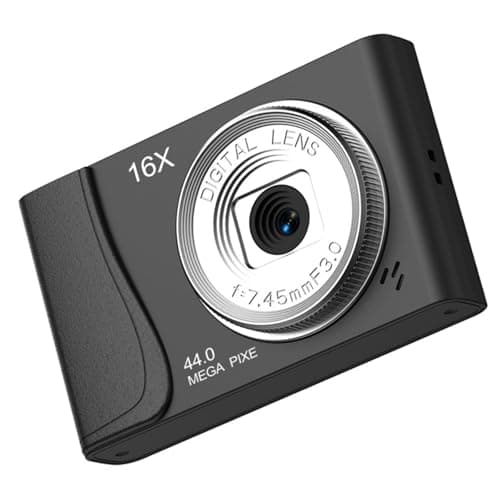
How to Choose the Best Travel Zoom Camera in 2026: Complete Buying Guide
If you’re trying to figure out how to choose a travel zoom camera , the challenge is usually the same: you want a compact camera that can handle landscapes, city shots, and distant details without becoming a burden in your bag. The most common mistake buyers make is chasing zoom numbers alone and ig
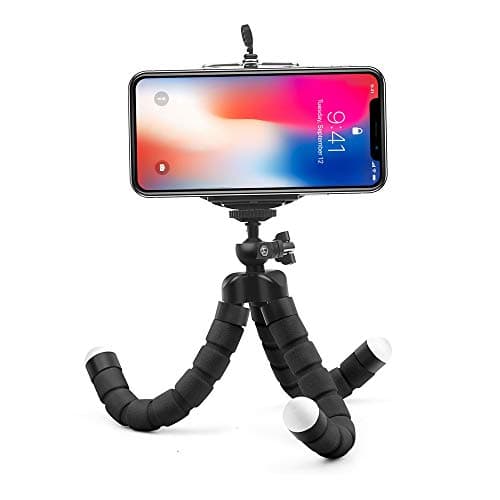
Best Portable Tripods Under $200 for Vlogging in 2026: Ranked by Price & Performance
If you’re trying to find the best portable tripods under $200 for vlogging , the real challenge isn’t the budget ceiling—it’s choosing a tripod that’s actually stable, easy to carry, and quick to set up without wasting money on features you won’t use. The good news is that your price range is far ab
Best Camera Drones with Obstacle Avoidance Under $1000 for Every Budget in 2026: Ranked by Price & Performance
If you’re searching for the best camera drones with obstacle avoidance under $1000 , the real challenge isn’t finding a drone — it’s finding one that actually matches your budget expectations. In this price tier, the tradeoff is usually simple: cheaper models can offer beginner-friendly controls and