


Who this is for: Best for buyers who want to understand the right megapixel count for their real-world photo, print, and sharing needs.
Check PriceWhat is How Many Megapixels Do I Need? A Complete 2026 Guide
If you’re trying to figure out how many megapixels do I need, the short answer is: probably fewer than you think. The right number depends on how you’ll use the image, whether you print it, crop it, or mostly share it online. This guide breaks down the real-world meaning of megapixels so you can buy the right camera without overpaying for specs you won’t notice.
Related Reviews
Megapixels measure the total number of pixels in a photo, and more megapixels usually means more detail and more room to crop. But image quality is not determined by megapixels alone, because sensor size, lens quality, and processing matter just as much. In practice, the “right” megapixel count is the one that matches your output needs, not the biggest number on the box.
How It Works
A digital camera sensor is made up of tiny light-sensitive points called pixels. When a camera has more megapixels, it means it can record more individual pixels across the image, which can help preserve detail, especially when you crop or print large.
Think of megapixels like the number of tiles in a mosaic. More tiles can create a finer picture, but only if the source material is good; a high-megapixel camera with a small sensor or weak lens can still produce noisy or soft images. That’s why megapixels should be treated as one part of the bigger image-quality equation.
For most people, megapixels matter most in three situations: cropping heavily, printing large photos, and capturing extra detail for editing. If you only post to social media, send photos by text, or view them on a phone, you usually need far fewer megapixels than you might expect.
Key Benefits & Use Cases
1) Social media and everyday sharing
For Instagram, Facebook, texting, and email, even modest-resolution photos are usually enough. Once an image is resized for a screen, the difference between 12MP and 24MP often becomes much less noticeable.
2) Printing photos
If you want crisp prints, more megapixels can help. Larger prints generally benefit from higher resolution, especially if you want to crop the photo afterward or view it up close.
3) Cropping and editing
Higher megapixels give you more flexibility to reframe shots after capture. This is useful for action, wildlife, travel, and content creation, where you may not always get the composition perfect in-camera.
4) Video and hybrid shooting
Some cameras use high-resolution video to extract still images or create more flexible content. For example, action cameras often advertise still-photo output from video frames, which can be helpful when you want both motion and usable stills.
5) Professional and creative work
Photographers who need large prints, commercial crops, or detailed product shots often prefer more megapixels. But professionals also care about dynamic range, lens sharpness, autofocus, and low-light performance.
What to Look For When Buying
1) Your final use case
Start with where the photo will end up. If you mainly post online, you don’t need a huge megapixel count. If you print posters or crop aggressively, higher resolution becomes more valuable.
2) Sensor size
A larger sensor can often deliver cleaner, more detailed images than a smaller sensor with more megapixels. This is one of the biggest reasons megapixels alone can be misleading.
3) Lens quality
A sharp lens is essential for making those pixels count. A great sensor with a poor lens can still produce images that look soft or lack contrast.
4) Image processing and stabilization
Modern cameras use software to improve noise reduction, color, and sharpness. Stabilization also matters because blur can erase the benefits of high resolution.
5) Workflow and storage
More megapixels create larger files, which can slow down editing and fill memory cards faster. If you shoot a lot, make sure your computer, storage, and editing workflow can handle the file sizes comfortably.
Top Recommended Products
If you’re shopping for a camera and wondering how many megapixels do I need, the best choice depends on whether you care more about still photos, video, portability, or creative flexibility. Below are research-based product picks that illustrate different resolution needs and use cases.
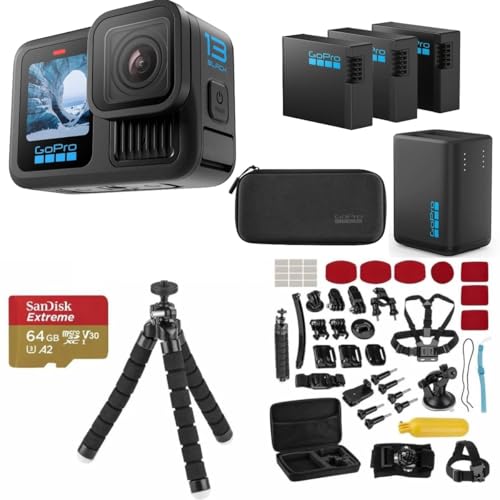 GoPro HERO13 Black Accessory Bundle - Includes The Handler, 2 Enduro Batteries, 2 Curved Adhesive Mounts, 64GB SanDisk MicroSD Card, and Carrying Case ✓ Prime $479.99


This bundle is the best fit if you want a rugged action camera with strong video-first resolution and room to grow into creative shooting. The spec sheet emphasizes 5.3K video and the ability to pull stills up to 24.7MP, which makes it a good example of how video resolution can support photo needs too.
✓ 5.3K video for high-detail capture
✓ Pulls photos up to 24.7MP from footage using the app
✓ Compatible with HB-Series lenses and filters for specialized shooting
✓ Waterproof and rugged for travel and action use
✓ Bundle includes batteries, mounts, card, and case
✗ More expensive than basic models
✗ Overkill if you only need casual everyday photos
✗ Action-camera form factor is less ideal for traditional photography
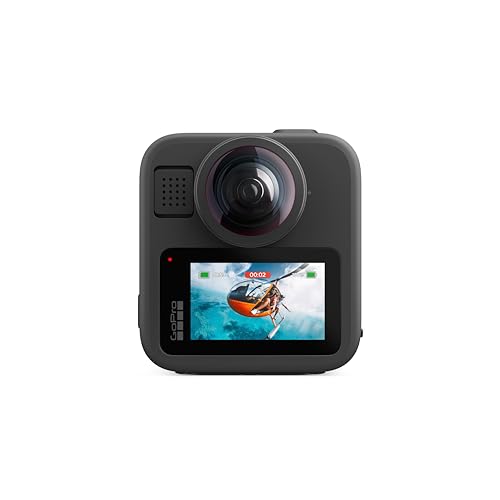 GoPro MAX2 - Waterproof 360 + Traditional Action Camera with Touch Screen, Spherical 8K Video, 29MP 360 Photos, Easy Replaceable Lenses, HyperSmooth Stabilization, 6 Microphones ✓ Prime 40% OFF — Was $499.99 $299.00
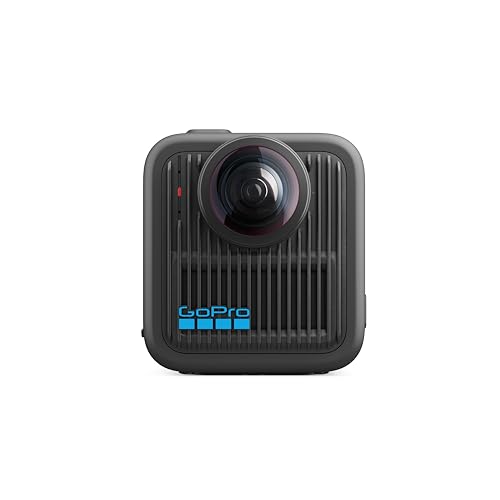

If you want the most flexibility from your footage, this 360 camera is a strong example of why megapixels are only part of the story. Its 29MP 360 photos and 8K 360 video are designed for creators who want to reframe later and still retain detail.
✓ 29MP 360 photos for detailed spherical capture
✓ 8K 360 video for flexible reframing
✓ Replaceable glass lenses add long-term practicality
✓ Invisible mounting expands creative shooting options
✓ Good value at the current discounted price
✗ 360 workflow is less simple than standard point-and-shoot capture
✗ Not the best choice if you only want straightforward still photos
✗ Requires app-based reframing to get the most from it
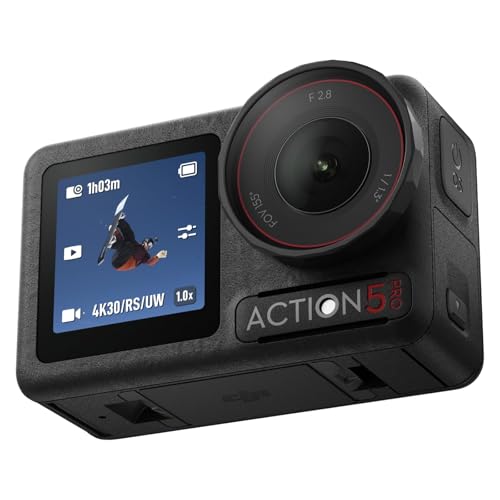 GoPro Hero - Compact Waterproof Action Camera with 4K Ultra HD Video, 12MP Photo, Touch Screen ✓ Prime $219.00


This is the simplest pick in the lineup and a useful reminder that 12MP can still be enough for many buyers. It’s aimed at people who value compact size and easy controls more than maximum resolution.
✓ 12MP photos are enough for casual sharing and everyday use
✓ Ultra-compact 86g design is easy to carry
✓ Simple controls reduce the learning curve
✓ Waterproof build suits travel and outdoor use
✓ Lowest price in the group
✗ Not ideal for heavy cropping or large prints
✗ Less resolution headroom than higher-MP options
✗ Fewer advanced features than pricier models
 GoPro HERO12 Black - Waterproof Action Camera with 5.3K60 Ultra HD Video, 27MP Photos, HDR, 1/1.9" Image Sensor, Live Streaming, Webcam, Stabilization ✓ Prime $324.99

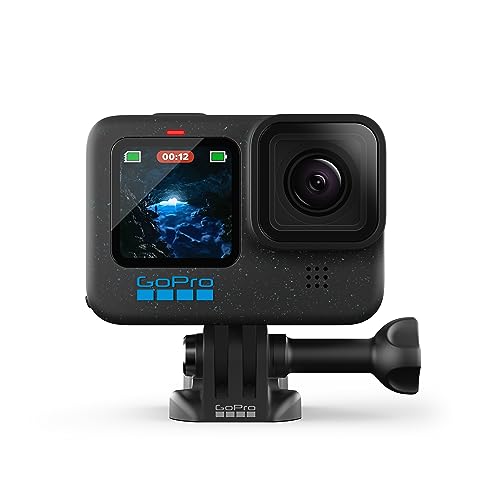
This model sits in a sweet spot for buyers who want more photo resolution without jumping to the most expensive bundle. With 27MP photos, HDR, and strong stabilization, it’s a good example of a camera that balances megapixels with image quality features that matter just as much.
✓ 27MP photos provide plenty of detail for editing and prints
✓ 5.3K video adds flexibility for extracting stills
✓ HDR helps in high-contrast scenes
✓ Strong stabilization supports sharp-looking footage
✓ Good middle-ground value for enthusiasts
✗ More expensive than basic entry-level options
✗ Still an action camera, not a dedicated stills camera
✗ High resolution can create larger files to manage
Common Mistakes to Avoid
Buying the highest megapixel count without checking the sensor. A huge MP number does not automatically mean better images if the sensor is small or the lens is weak.
Ignoring your actual output needs. If you only share photos online, paying for very high resolution may not improve what you see day to day.
Forgetting about file size and workflow. Higher-megapixel images take up more storage and can slow down editing and backups.
Assuming megapixels fix low-light problems. Low-light performance depends more on sensor size, lens aperture, and processing than on pixel count alone.
Overlooking cropping habits. If you often crop after shooting, extra megapixels are more useful than they are for someone who composes perfectly in-camera.
Frequently Asked Questions
How many megapixels do I need for social media?
For most social platforms, 8MP to 12MP is already enough, because images are usually resized for screens. Higher megapixels can help if you crop or repurpose the photo later.
How many megapixels do I need for printing photos?
For standard prints, around 12MP is often sufficient, while larger prints benefit from more resolution. If you want to crop heavily or print very large, 20MP+ is more comfortable.
Is 12MP enough in 2026?
Yes, 12MP is still enough for many everyday uses, especially sharing online and smaller prints. The quality of the sensor and lens often matters more than the raw megapixel count.
Do more megapixels always mean better quality?
No. More megapixels can help with detail and cropping, but they do not guarantee better color, dynamic range, or low-light performance. Sensor size and lens quality are just as important.
How many megapixels do I need for action cameras?
It depends on whether you mainly shoot video or stills. Many action-camera buyers are better served by strong video resolution, stabilization, and usability than by chasing the biggest photo spec alone.
Pros
- + 12MP is enough for many online uses
- + Higher MP helps with cropping and large prints
- + Sensor size and lens quality matter more than MP alone
- + Action cameras offer high-res video and usable stills
Cons
- – More megapixels create larger files
- – High MP doesn’t fix poor low-light performance
- – Overpaying for unused resolution is common
- – Some high-MP cameras are less simple to use
Frequently asked questions
- How many megapixels do I need for social media?
- For most social platforms, 8MP to 12MP is already enough, because images are usually resized for screens. Higher megapixels can help if you crop or repurpose the photo later.
- How many megapixels do I need for printing photos?
- For standard prints, around 12MP is often sufficient, while larger prints benefit from more resolution. If you want to crop heavily or print very large, 20MP+ is more comfortable.
- Is 12MP enough in 2026?
- Yes, 12MP is still enough for many everyday uses, especially sharing online and smaller prints. The quality of the sensor and lens often matters more than the raw megapixel count.
- Do more megapixels always mean better quality?
- No. More megapixels can help with detail and cropping, but they do not guarantee better color, dynamic range, or low-light performance. Sensor size and lens quality are just as important.
- How many megapixels do I need for action cameras?
- It depends on whether you mainly shoot video or stills. Many action-camera buyers are better served by strong video resolution, stabilization, and usability than by chasing the biggest photo spec alone.
Get the Full Tech Buyer's Guide
Join our free newsletter — we'll send our latest Tech picks, specs and verdicts straight to your inbox.
Free. No spam. Unsubscribe anytime.
Was this review helpful?
Be the first to share your feedback on this review.
Sign in to vote and let us know what you think.
Discussion (0)
No comments yet. Be the first to start the discussion.
Related Reviews
What is How to Fly a Drone for Beginners? A Complete 2026 Guide
If you’re searching for how to fly a drone for beginners , you probably want a simple way to start without crashing, breaking parts, or feeling overwhelmed by controls. The good news is that beginner drone flying becomes much easier once you understand the basics of lift, controller inputs, and safe
What is how to start photography 2026? A Complete 2026 Guide
If you’re trying to figure out how to start photography 2026 , the hardest part is usually knowing where to begin without wasting money on the wrong gear. The good news is that photography is much easier to enter now because beginner-friendly cameras, phones, editing apps, and learning resources are

What is FAA drone rules 2026? A Complete 2026 Guide
If you’re trying to understand FAA drone rules 2026 , the biggest challenge is usually separating real compliance requirements from outdated advice. The rules can change based on whether you fly recreationally, commercially, or for a specific job like real estate, inspections, or mapping. This guide