

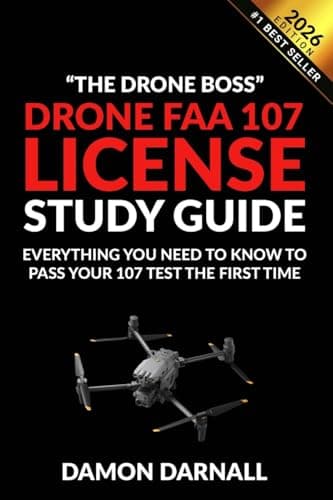
Who this is for: Best for U.S. drone pilots who need a current, plain-English overview of FAA compliance and the right study materials.
Check PriceWhat is FAA drone rules 2026? A Complete 2026 Guide
If you’re trying to understand FAA drone rules 2026, the biggest challenge is usually separating real compliance requirements from outdated advice. The rules can change based on whether you fly recreationally, commercially, or for a specific job like real estate, inspections, or mapping. This guide breaks down the current framework in plain English so you can fly legally, avoid costly mistakes, and choose the right study resources if you need to pass a drone knowledge test.
Related Reviews
At a high level, FAA drone rules in 2026 are the U.S. regulations and operating requirements that govern where, how, and under what conditions you can fly a small unmanned aircraft. They are designed to protect people, property, and controlled airspace while still allowing hobbyists and businesses to use drones responsibly. For many pilots, the most important rules revolve around registration, Remote ID, airspace authorization, visual line of sight, altitude limits, and Part 107 certification.
Because drone compliance is a recurring update topic, it’s smart to treat any summary as a starting point and verify details against current FAA sources before flight. This article is a research-based explainer built from published regulations, FAA guidance, and owner feedback on study materials—not hands-on testing or legal advice. If you fly in the U.S., understanding the basics now can save you from fines, grounded flights, and avoidable safety issues later.
How It Works
FAA drone rules work like a layered system: first, the FAA decides what kind of flying you’re doing, then it applies the matching requirements. A recreational pilot follows one set of rules, while a commercial operator under Part 107 follows another. On top of that, the FAA adds operational limits such as altitude ceilings, airspace restrictions, and Remote ID requirements.
For most small drones, the FAA is less concerned with the brand of aircraft and more concerned with how the aircraft is used. If you are flying for fun, you may need to follow recreational rules, pass the TRUST safety test, and keep the drone within line of sight. If you are flying for work or any business-related purpose, you generally need Part 107 certification and must comply with commercial operating rules.
The technology side matters too. Modern drones often include GPS, geofencing, return-to-home features, and Remote ID broadcasting, all of which help pilots stay compliant and reduce risk. But these features do not replace the pilot’s responsibility to check airspace, weather, local restrictions, and FAA requirements before every flight.
Key Benefits & Use Cases
Understanding FAA drone rules 2026 is valuable even if you only fly occasionally, because compliance affects safety, legality, and mission success. The rules give pilots a predictable framework for operating in public airspace and help businesses use drones for revenue-generating work without constant uncertainty.
Key benefits
- Reduces the risk of violating federal aviation rules
- Helps recreational pilots fly with more confidence
- Supports commercial use cases like inspections, mapping, and photography
- Makes it easier to plan flights around airspace and weather constraints
- Encourages safer operations around people, vehicles, and property
Common use cases
- Recreational flying in parks, fields, and approved areas
- Real estate photography and videography
- Roof, tower, and infrastructure inspections
- Agricultural monitoring and surveying
- Training for the Part 107 knowledge test
What to Look For When Buying
If you’re buying study materials or reference books for FAA drone rules 2026, focus on resources that are current, easy to understand, and aligned with your flying goal. The best option depends on whether you need commercial certification prep, a general FAA reference, or official regulatory text for deeper study.
1) Current edition date
Drone rules change often, so the publication year matters. Look for 2026 editions or clearly updated materials that reflect the latest FAA expectations.
2) Match to your flight purpose
Choose recreational, sport, or Part 107 resources based on how you actually fly. A commercial pilot needs different prep than a hobby flyer.
3) Clarity of explanations
The best guides translate aviation language into plain English. This is especially important if you’re new to airspace, sectional charts, or FAA terminology.
4) Practice questions or test prep support
If you need to pass an exam, practice questions and test strategies can be more useful than a dense rules summary alone. Look for materials that reinforce retention and application.
5) Official or regulation-based content
For compliance, the strongest resources are tied to FAA rules, official supplements, or recognized Part 107 study frameworks. That helps reduce the risk of learning outdated or oversimplified information.
Top Recommended Products
The following study resources are the most relevant picks for readers researching FAA drone rules 2026. They are not drones themselves, but they can help you understand the regulations, prepare for testing, and build a stronger compliance foundation.
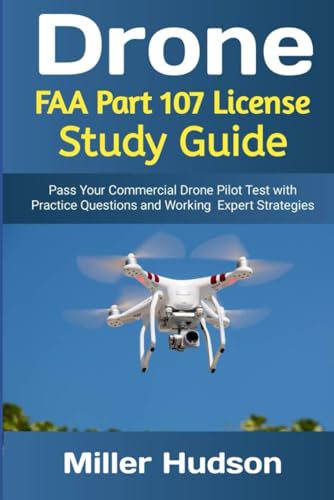
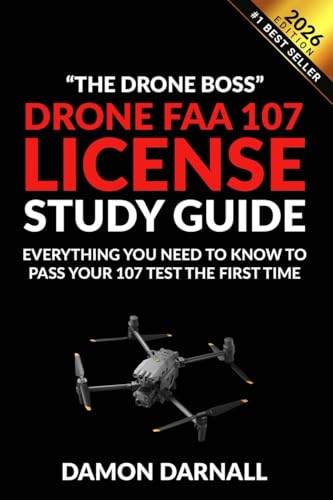 DRONE FAA PART 107 LICENSE STUDY GUIDE 4.7★ (commercial test prep) ✓ Prime

This is the most directly useful option if your goal is to pass the Part 107 exam and understand the commercial side of FAA drone rules 2026. Based on the title and published positioning, it focuses on practice questions and expert strategies, which are exactly what many first-time test takers need.
- ✓ Built specifically for commercial drone pilot test prep
- ✓ Includes practice questions to reinforce rule retention
- ✓ Strategy-focused format can help reduce test anxiety
- ✓ Prime availability makes it convenient for quick delivery
- ✗ More useful for exam prep than as a broad legal reference
- ✗ Not ideal if you only need recreational flying guidance
- ✗ May require pairing with official FAA materials for deeper rule study
 Airman Knowledge Testing Supplement for Sport Pilot, Recreational Pilot, Remote (Drone) Pilot, and Private Pilot FAA-CT-8080-2H 4.6★ (FAA testing supplement) ✓ Prime

This supplement is a strong match for readers who want to understand FAA test visuals, charts, and supporting material used in drone and pilot knowledge exams. It is especially helpful if you learn better from reference graphics and official-style study aids than from long narrative explanations.
- ✓ Covers remote drone pilot testing support material
- ✓ Useful for visual learners who need chart-based study help
- ✓ Can complement a Part 107 study guide very well
- ✓ Prime shipping is convenient for fast access
- ✗ Not a standalone “rules explained” book
- ✗ Better as a supplement than a complete prep solution
- ✗ Less focused on commercial operations than a Part 107 guide
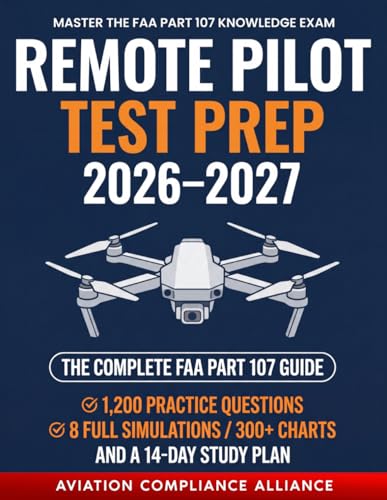 14 CFR Part 107 (2026 Edition): Small Unmanned Aircraft Systems — Official FAA Regulations for Commercial Drone Operations 4.8★ (official regulations reference) ✓ Prime

If you want the most regulation-forward option in this group, this 2026 Part 107 edition is the strongest fit. It is best for readers who want a more direct connection to the commercial rule set rather than a simplified prep book, making it a useful desk reference for ongoing compliance.
- ✓ Most directly aligned with commercial FAA drone rules
- ✓ 2026 edition makes it especially relevant for current study
- ✓ Strong choice for pilots who want a regulation reference
- ✓ Prime availability adds convenience
- ✗ Can be more technical than a beginner-friendly guide
- ✗ Not as test-strategy focused as a dedicated study guide
- ✗ Better for reference than for quick crash-course learning
Common Mistakes to Avoid
Even experienced pilots make avoidable compliance mistakes when they rely on old advice or assume their drone’s features replace legal responsibility. Here are the most common errors to watch for in 2026.
- Assuming recreational and commercial rules are the same. They are not, and using a drone for work usually changes the rule set.
- Skipping airspace checks. Controlled airspace can require authorization even when the flight seems simple.
- Ignoring Remote ID requirements. Many small drones must broadcast identification information under current FAA rules.
- Relying only on app geofencing. Software helps, but it does not replace your legal duty to verify flight conditions.
- Studying outdated material. FAA drone rules evolve, so old books and videos can be misleading.
- Thinking a drone’s safety features make flying automatic. Return-to-home and obstacle sensing are helpful, but the pilot remains responsible.
Frequently Asked Questions
1) What are FAA drone rules 2026 in simple terms?
They are the current U.S. rules that tell drone pilots where they can fly, what certifications they need, and what safety steps they must follow.
2) Do I need a Part 107 license to fly a drone in 2026?
If you fly for commercial purposes or any work-related use, you generally need Part 107 certification; recreational flying follows a different set of FAA rules.
3) What is the most important FAA drone rule to remember?
The most important rule is to know your flight category, check airspace before takeoff, and make sure your drone and operation meet current FAA requirements.
4) Are FAA drone rules the same in every state?
FAA rules are federal, so they apply across the U.S., but state, local, park, and property-specific restrictions can add extra limits.
5) What is the best product for learning FAA drone rules 2026?
For commercial exam prep, the DRONE FAA PART 107 LICENSE STUDY GUIDE is the strongest choice, while the 2026 Part 107 regulations book is best for a more official reference.
Pros
- + Explains FAA drone rules in plain English
- + Covers recreational and commercial use cases
- + Highlights current compliance priorities
- + Recommends relevant study resources
- + Useful for avoiding common mistakes
Cons
- – Not legal advice
- – Rules can change after publication
- – Some products are better for study than reference
Frequently asked questions
- What are FAA drone rules 2026 in simple terms?
- They are the current U.S. rules that tell drone pilots where they can fly, what certifications they need, and what safety steps they must follow.
- Do I need a Part 107 license to fly a drone in 2026?
- If you fly for commercial purposes or any work-related use, you generally need Part 107 certification; recreational flying follows a different set of FAA rules.
- What is the most important FAA drone rule to remember?
- The most important rule is to know your flight category, check airspace before takeoff, and make sure your drone and operation meet current FAA requirements.
- Are FAA drone rules the same in every state?
- FAA rules are federal, so they apply across the U.S., but state, local, park, and property-specific restrictions can add extra limits.
- What is the best product for learning FAA drone rules 2026?
- For commercial exam prep, the DRONE FAA PART 107 LICENSE STUDY GUIDE is the strongest choice, while the 2026 Part 107 regulations book is best for a more official reference.
Score breakdown
- value
- 8.0
- usability
- 8.0
- durability
- 8.0
- performance
- 8.0
- buyerFeedback
- 8.0
Get the Full Tech Buyer's Guide
Join our free newsletter — we'll send our latest Tech picks, specs and verdicts straight to your inbox.
Free. No spam. Unsubscribe anytime.
Was this review helpful?
Be the first to share your feedback on this review.
Sign in to vote and let us know what you think.
Discussion (0)
No comments yet. Be the first to start the discussion.
Related Reviews
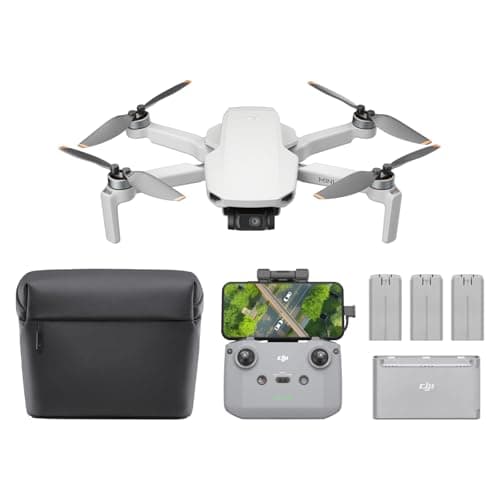
What is How to Fly a Drone for Beginners? A Complete 2026 Guide
If you’re searching for how to fly a drone for beginners , you probably want a simple way to start without crashing, breaking parts, or feeling overwhelmed by controls. The good news is that beginner drone flying becomes much easier once you understand the basics of lift, controller inputs, and safe
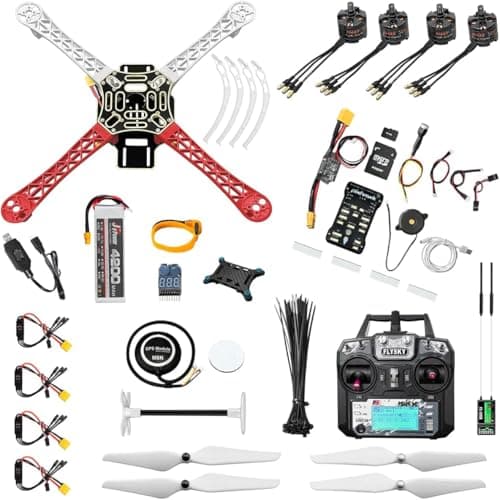
What is how to start photography 2026? A Complete 2026 Guide
If you’re trying to figure out how to start photography 2026 , the hardest part is usually knowing where to begin without wasting money on the wrong gear. The good news is that photography is much easier to enter now because beginner-friendly cameras, phones, editing apps, and learning resources are
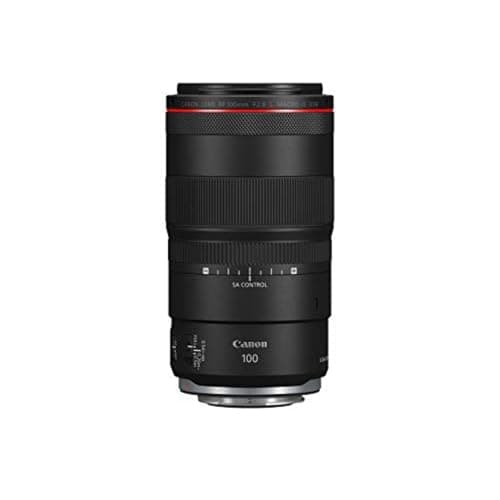
5 Best Macro Lenses in 2026 — Sharper Close-Ups for Cameras and Phones
If you’re searching for the best macro lenses 2026 , you probably want one thing: crisp close-up detail without wasting money on the wrong mount, magnification, or phone clip. The right macro lens can reveal texture in flowers, jewelry, insects, product shots, and everyday objects that standard lens