

What is a Dual Monitor Setup Guide? A Complete 2026 Guide
A dual monitor setup guide helps you connect, arrange, and configure two displays so your workspace feels more efficient and less cramped. If you’re constantly switching between tabs, comparing documents, editing content, or multitasking across apps, a dual-screen setup can save time and reduce friction. This guide explains how dual monitor setups work, why people use them, what to buy, and the mistakes that can make the experience frustrating instead of productive.
Related Reviews
How It Works
A dual monitor setup works by connecting two separate displays to the same computer, allowing your operating system to treat them as one extended workspace. Instead of mirroring the same image on both screens, most users choose “extend display,” which lets each monitor show different apps, windows, or content at the same time.
Under the hood, your computer’s graphics hardware sends video signals through ports such as HDMI, DisplayPort, USB-C, or Thunderbolt. The operating system then manages screen arrangement, resolution, refresh rate, and scaling so your mouse can move naturally from one display to the other.
For a general user, the process is simple: connect both monitors, choose how you want them arranged in display settings, and then drag windows where you want them. Once configured, the setup feels like one larger digital desk rather than two separate screens.
Key Benefits & Use Cases
Dual monitor setups are popular because they make everyday computer work smoother and more organized. They are especially useful when you need to compare information, keep reference material visible, or separate tasks that would otherwise compete for the same screen space.
Major benefits
- Better multitasking: Keep email, chat, video calls, or notes open on one screen while working on the other.
- Less window switching: Reduce the need to constantly minimize and alt-tab between apps.
- Improved productivity: Many users find it easier to stay focused when tools and reference material are visible at the same time.
- More comfortable workflows: A wider workspace can feel less cramped than trying to fit everything on one display.
- Flexible layouts: You can place monitors side-by-side, stack them vertically, or use different sizes depending on your desk and tasks.
Common use cases
- Office work: Spreadsheets on one screen, documents or email on the other.
- Content creation: Editing tools on one monitor and preview/reference material on the second.
- Programming: Code editor on one display and documentation, terminal, or preview on the other.
- Remote work: Video meetings on one screen while taking notes or managing projects on the other.
- Research and study: Keep source material open while writing reports or essays.
What to Look For When Buying
If you’re building a dual monitor setup, the monitors themselves matter just as much as the computer driving them. The best choice depends on how you work, how much desk space you have, and what connections your system supports.
1. Screen size and resolution
Choose a size that fits your desk without feeling overwhelming. Common sweet spots are 24-inch or 27-inch monitors, and higher resolutions like 1440p or 4K can make text sharper and workspace roomier.
2. Matching or compatible display specifications
Using two monitors with similar size, resolution, and color characteristics makes the setup feel more seamless. They do not have to be identical, but big differences can be distracting when you move windows between them.
3. Connection ports
Check whether your computer and monitors support HDMI, DisplayPort, USB-C, or Thunderbolt. The right ports determine whether you can connect both displays directly or need an adapter, dock, or hub.
4. Refresh rate and response time
For general productivity, standard refresh rates are usually fine. If you also game, edit motion-heavy content, or value smoother movement, a higher refresh rate can improve the experience.
5. Ergonomics and adjustability
Look for monitors with tilt, height, swivel, or pivot adjustments if you want a comfortable long-term setup. Good ergonomics can matter as much as image quality, especially if you spend many hours at your desk.
Common Mistakes to Avoid
Dual monitor setups can be extremely helpful, but a few common mistakes can make them awkward or underperforming. Avoiding these issues early will save time and money.
Using the wrong cable or port
One of the most common problems is buying monitors before checking whether your computer has enough compatible outputs. A missing port or low-quality adapter can limit resolution, refresh rate, or stability.
Ignoring desk space
Two monitors take more room than many people expect. If your desk is too small, the setup can feel crowded, forcing you to twist your neck or place screens at uncomfortable angles.
Mixing very different displays
A 24-inch 1080p monitor next to a 32-inch 4K panel can work, but the differences may be noticeable and annoying. If possible, choose displays with similar size, brightness, and scaling behavior.
Skipping monitor alignment
If the screens are not aligned properly, your cursor can feel “jumpy” when moving between them. Take time to match their heights and arrange them correctly in your operating system’s display settings.
Forgetting ergonomics
A dual monitor setup should improve comfort, not create strain. Make sure the top of the screens is near eye level and that you are not turning your head excessively throughout the day.
Frequently Asked Questions
1. Is a dual monitor setup worth it for everyday work?
Yes, for many people it is worth it because it reduces window switching and makes multitasking easier. It is especially useful for office work, research, content creation, and remote meetings.
2. Do both monitors need to be the same brand or size?
No, they do not need to match exactly. However, similar size and resolution usually create a smoother experience and make the workspace feel more balanced.
3. What is the best connection for a dual monitor setup?
DisplayPort, HDMI, USB-C, and Thunderbolt are all common options. The best choice depends on what your computer and monitors support, plus whether you need high resolution or high refresh rates.
4. Can a laptop support two external monitors?
Often yes, but it depends on the laptop’s hardware and ports. Some laptops support two monitors directly, while others need a dock, hub, or specific USB-C/Thunderbolt configuration.
5. How do I make two monitors feel aligned properly?
Place them at the same height, adjust the angle so they are comfortable to view, and set the correct arrangement in your display settings. Matching the top edges usually makes cursor movement and posture feel more natural.
Get the Full Home Buyer's Guide
Join our free newsletter — we'll send our latest Home picks, specs and verdicts straight to your inbox.
Free. No spam. Unsubscribe anytime.
Was this review helpful?
Be the first to share your feedback on this review.
Sign in to vote and let us know what you think.
Discussion (0)
No comments yet. Be the first to start the discussion.
Related Reviews
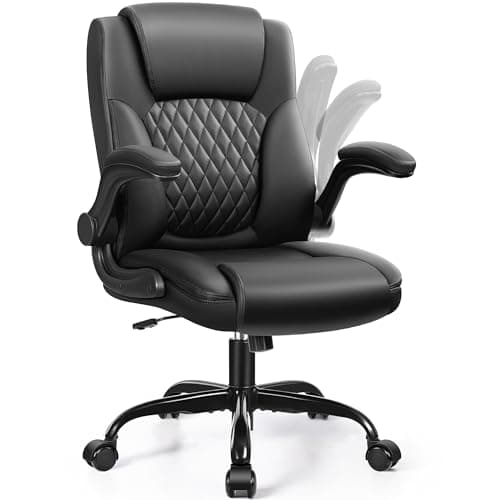
8 Best Office Chairs for Short People in 2026 — Better Fit, Better Posture, Less Foot Dangle
If your feet don’t sit flat, your knees feel cramped, or your desk chair forces you into a slouch, you’re not alone. The best office chairs for short people solve that problem with lower seat heights, supportive cushions, flip-up arms, and adjustability that actually works for petite frames. In this
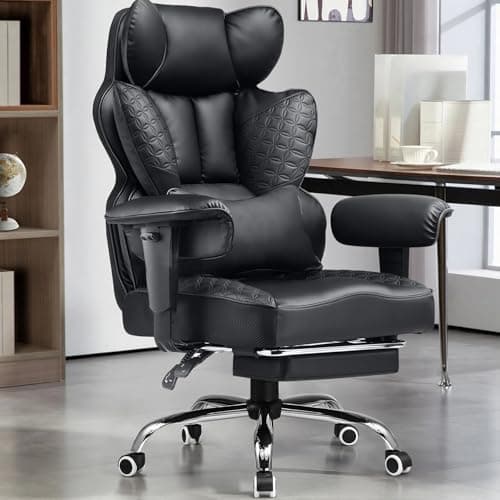
8 Best Office Chairs for Tall People in 2026 — Extra Height, Bigger Seats, and Better Back Support
If you’re tall, you already know the problem: too-short seat pans, low headrests, weak lumbar support, and armrests that hit in all the wrong places. The right chair should give your legs room, support your upper back, and stay comfortable through long workdays without feeling cramped. This roundup
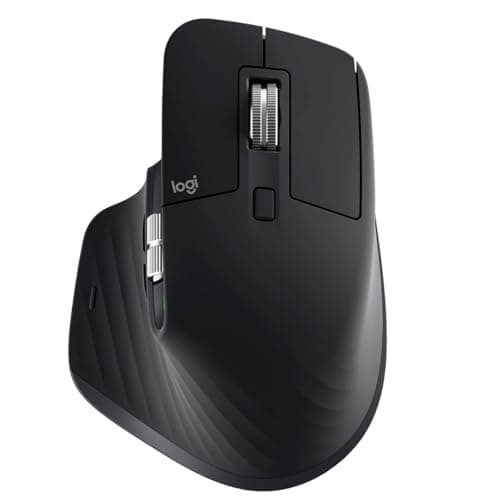
Logitech MX Master 3S long term review (2026): Specs, Pros & Cons, and Who It's For
The Logitech MX Master 3S is built around a simple idea: make long work sessions easier on the hand. Research-based reviews consistently praise its sculpted right-handed shape, high thumb rest, and well-placed controls, all of which support a more natural wrist position than a typical flat mouse.