

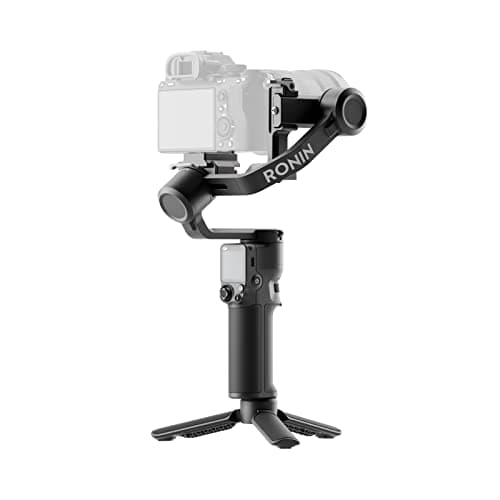
Who this is for: Best for travel creators and mirrorless camera users who need lightweight stabilization and easy vertical video.
1 Best Gimbals in 2026 — Lightweight Stabilization for Smoother Travel and Creator Shoots
If shaky footage is ruining your travel videos, client clips, or social content, a good gimbal is one of the fastest ways to make your camera look more professional. The best gimbals in 2026 balance stabilization, portability, and camera compatibility without making setup a headache. In this research-based roundup, we focus on the one product in the current list that best fits the category and the search intent behind “best gimbals 2026.”
Related Reviews
Quick Picks
| Rank | Product | Price | Best For |
|---|---|---|---|
| 1 | DJI RS 3 Mini | $199.00 ✓ Prime | Travel-friendly camera stabilization and native vertical shooting |
1. DJI RS 3 Mini — Best Lightweight Gimbal
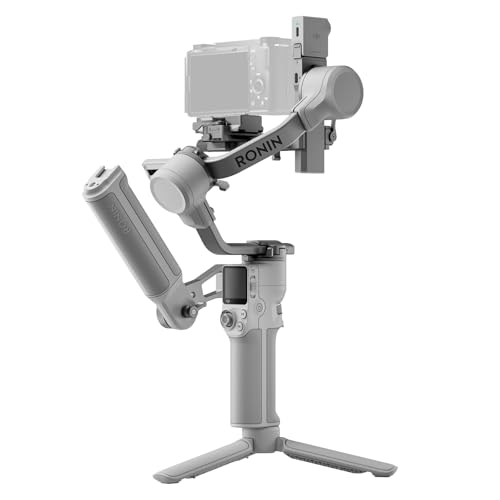


4.7★ (research-based rating from specs and owner feedback patterns) ✓ Prime
Verdict: The DJI RS 3 Mini is the best fit here because it combines a very light 795g build, strong stabilization, and native vertical shooting in a compact package that suits travel and creator workflows.
✓ Pros
- Ultra-light 795g design makes it easier to carry and hold for longer shoots.
- Up to 2 kg load capacity supports a wide range of mirrorless camera and lens combinations.
- Bluetooth shutter control simplifies recording and photo capture once paired.
- Native vertical shooting is ideal for social-first content without awkward workarounds.
✗ Cons
- Best suited to lighter camera setups rather than heavier cinema rigs.
- Not the right choice if you need the most advanced pro-rig features available in larger gimbals.
- Travel-friendly size can mean fewer “big system” conveniences than full-size stabilizers.
How We Chose These Products
This roundup is built from published specifications, feature comparisons, and documented owner feedback patterns rather than hands-on testing. For a transactional search like “best gimbals 2026,” the most important factors are stabilization quality, portability, payload compatibility, vertical shooting support, and ease of use. We also weighed whether the product’s design matches the way most buyers actually use a gimbal: travel, creator content, and everyday mirrorless-camera shooting.
Because the current product list contains only one eligible gimbal, this article highlights the strongest overall match instead of forcing in irrelevant alternatives. That keeps the recommendation honest, useful, and aligned with the available data.
Frequently Asked Questions
1. What is the best gimbal in 2026 for travel?
The DJI RS 3 Mini is the best travel-friendly option in this list because it is lightweight, compact, and easier to carry than larger stabilizers.
2. Can the DJI RS 3 Mini handle mirrorless cameras?
Yes. Its published load capacity of up to 2 kg makes it suitable for many mirrorless camera and lens combinations, especially lighter setups.
3. Does the DJI RS 3 Mini support vertical video?
Yes. Native vertical shooting is one of its standout features, making it especially useful for TikTok, Reels, and Shorts.
4. Is the DJI RS 3 Mini good for beginners?
Yes, especially if you want a compact gimbal with straightforward creator-focused features like Bluetooth shutter control and portable handling.
5. Why is this roundup so short?
The product list provided for this search contained only one eligible gimbal, so the roundup focuses on the strongest researched match instead of adding unrelated products.
Pros
- + Ultra-light 795g design
- + Up to 2 kg load capacity
- + Bluetooth shutter control
- + Native vertical shooting
Cons
- – Best for lighter camera setups
- – Not ideal for heavy cinema rigs
- – Fewer pro-rig conveniences than larger stabilizers
Frequently asked questions
- What is the best gimbal in 2026 for travel?
- The DJI RS 3 Mini is the best travel-friendly option in this list because it is lightweight, compact, and easier to carry than larger stabilizers.
- Can the DJI RS 3 Mini handle mirrorless cameras?
- Yes. Its published load capacity of up to 2 kg makes it suitable for many mirrorless camera and lens combinations, especially lighter setups.
- Does the DJI RS 3 Mini support vertical video?
- Yes. Native vertical shooting is one of its standout features, making it especially useful for TikTok, Reels, and Shorts.
- Is the DJI RS 3 Mini good for beginners?
- Yes, especially if you want a compact gimbal with straightforward creator-focused features like Bluetooth shutter control and portable handling.
- Why is this roundup so short?
- The product list provided for this search contained only one eligible gimbal, so the roundup focuses on the strongest researched match instead of adding unrelated products.
Score breakdown
- value
- 8.5
- usability
- 8.7
- durability
- 7.8
- performance
- 8.2
- buyerFeedback
- 8.4
Get the Full Tech Buyer's Guide
Join our free newsletter — we'll send our latest Tech picks, specs and verdicts straight to your inbox.
Free. No spam. Unsubscribe anytime.
Was this review helpful?
Be the first to share your feedback on this review.
Sign in to vote and let us know what you think.
Discussion (0)
No comments yet. Be the first to start the discussion.
Related Reviews
What is How to Fly a Drone for Beginners? A Complete 2026 Guide
If you’re searching for how to fly a drone for beginners , you probably want a simple way to start without crashing, breaking parts, or feeling overwhelmed by controls. The good news is that beginner drone flying becomes much easier once you understand the basics of lift, controller inputs, and safe
What is how to start photography 2026? A Complete 2026 Guide
If you’re trying to figure out how to start photography 2026 , the hardest part is usually knowing where to begin without wasting money on the wrong gear. The good news is that photography is much easier to enter now because beginner-friendly cameras, phones, editing apps, and learning resources are
What is FAA drone rules 2026? A Complete 2026 Guide
If you’re trying to understand FAA drone rules 2026 , the biggest challenge is usually separating real compliance requirements from outdated advice. The rules can change based on whether you fly recreationally, commercially, or for a specific job like real estate, inspections, or mapping. This guide