

Who this is for: Best for beginners and upgraders who want to understand sensor size and choose the right camera system for their budget and shooting style.
Check PriceAPS-C vs Full Frame Explained: What Is It? A Complete 2026 Guide
If you’re trying to understand APS-C vs full frame explained, the confusion usually starts with one question: why do two cameras with similar megapixels behave so differently? The answer comes down to sensor size, which affects field of view, low-light performance, depth of field, and even the size and price of the camera system. In this guide, you’ll get a clear, beginner-friendly explanation of how each sensor works, when each one makes sense, and which cameras are worth considering if you want to buy smarter in 2026.
Related Reviews
How It Works
A camera sensor is the digital equivalent of film: it captures the light coming through the lens and turns it into an image. A full-frame sensor is larger, matching the size of a 35mm film frame, while an APS-C sensor is smaller, so it captures a narrower slice of the scene. That smaller sensor creates a “crop factor,” which makes the same lens look more zoomed-in on APS-C than it does on full frame.
This difference affects more than framing. Full frame generally has an advantage in low light because each pixel can often collect more light, and it can make it easier to blur the background for portraits. APS-C, on the other hand, can be more affordable, lighter, and effectively gives you extra reach for wildlife, sports, and travel photography.
Think of it like looking through two windows: one large and one smaller. The large window shows more of the scene, while the smaller window shows a tighter view. Neither is automatically “better” — the right choice depends on what you shoot, how much you want to carry, and how much you want to spend.
Key Benefits & Use Cases
Why APS-C appeals to many buyers
APS-C cameras are often the best entry point for beginners because they usually cost less, and lenses can be more compact and affordable too. They’re also popular for travel, everyday photography, family use, and action shooting where the crop factor helps subjects appear larger in frame.
Why full frame attracts enthusiasts and professionals
Full-frame cameras are favored by many photographers who want stronger low-light performance, more control over background blur, and a more “cinematic” look in portraits and video. They’re also a common upgrade path for people who have outgrown a starter body and want better image quality, faster autofocus, or more advanced video features.
Best use cases by sensor type
- APS-C: beginners, students, travel, family photos, wildlife on a budget, casual content creation
- Full frame: portraits, weddings, low-light events, professional video, advanced hybrid shooters, image-quality-focused creators
What to Look For When Buying
1. Sensor size and crop factor
Decide whether you want the wider view and low-light edge of full frame or the extra reach and lower cost of APS-C. If you shoot distant subjects a lot, APS-C can be surprisingly useful.
2. Lens ecosystem
The body matters, but lenses matter more over time. Check whether the system offers affordable kit lenses, fast primes, and future upgrade options that fit your budget.
3. Autofocus performance
For people, pets, sports, and video, autofocus can matter as much as sensor size. Look for subject detection, eye tracking, and reliable continuous AF if you shoot moving subjects.
4. Video features
If you create content, compare 4K quality, frame rates, overheating behavior, microphone support, and stabilization. Full frame often gets attention here, but some APS-C bodies are excellent video tools too.
5. Size, weight, and total system cost
A camera body is only the beginning. Full-frame lenses are often larger and pricier, while APS-C systems can be easier to carry and cheaper to build out.
Top Recommended Products
Below are four researched camera options that illustrate the APS-C vs full-frame tradeoff in real buying terms. These aren’t hands-on test results; they’re based on published specs, documented owner feedback, and product comparisons.
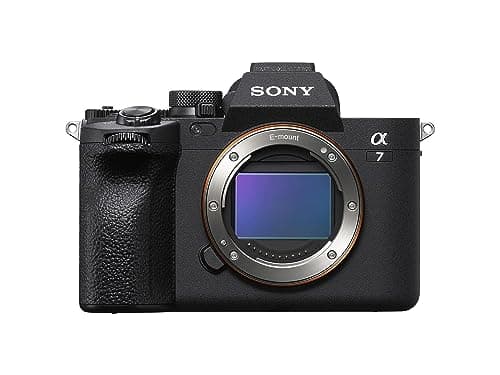
Sony Alpha 7 IV Full-frame Mirrorless Interchangeable Lens Camera $1998.00 ✓ Prime


The Sony Alpha 7 IV Full-frame Mirrorless Interchangeable Lens Camera is a strong example of why full frame is so popular with serious hybrid shooters. Its 33MP full-frame sensor, BIONZ XR processor, and 4K 60p 10-bit video specs make it appealing for both stills and content creation.
- ✓ 33MP full-frame sensor for detailed images and flexible cropping
- ✓ 4K 60p 10-bit 4:2:2 video with full pixel readout in all recording formats
- ✓ 7K oversampled 4K 30p with no pixel binning
- ✓ S-Cinetone color profile for easier-looking video color
- ✓ Prime eligibility and broad lens ecosystem support
- ✗ Higher body price than entry-level APS-C cameras
- ✗ Full-frame lenses can increase total system cost
- ✗ May be more camera than a casual beginner needs
Canon EOS R8 Mirrorless Camera Body $1299.00 7% OFF — Was $1449.00 ✓ Prime


The Canon EOS R8 Mirrorless Camera Body is a compelling full-frame option for buyers who want a lighter body without giving up modern autofocus and strong video specs. It stands out for its 24.2MP full-frame sensor, Dual Pixel CMOS AF II, and uncropped 4K 60p video oversampled from 6K.
- ✓ Lightweight full-frame body for easier carry
- ✓ 4K 60p oversampled from 6K for detailed video
- ✓ Dual Pixel CMOS AF II with wide subject detection
- ✓ Vari-angle touchscreen and OLED EVF for flexible shooting
- ✓ Good fit for creators moving up from smartphone or APS-C
- ✗ No lens included in the body-only configuration
- ✗ Lens cost can raise the total price quickly
- ✗ Battery and accessory ecosystem may matter more for long shoots
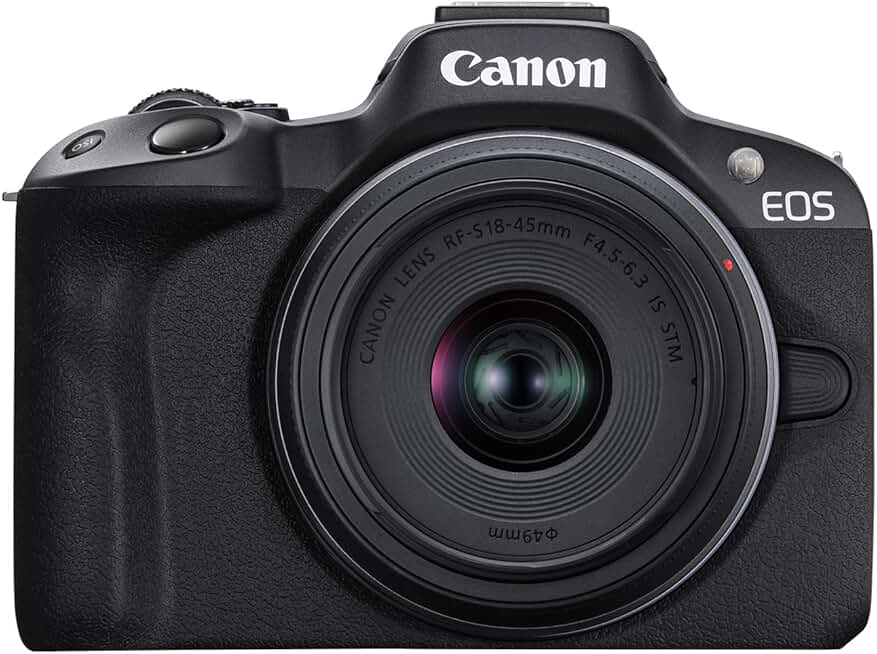
Canon EOS R100 Mirrorless Camera Body with RF-S 18-45mm F4.5-6.3 is STM Lens 6052C012 Bundle with Double Battery, Memory Card, Deco Gear Deluxe Case and Mini Tripod & Accessories $549.99 8% OFF — Was $599.00 ✓ Prime


The Canon EOS R100 Mirrorless Camera Body with RF-S 18-45mm F4.5-6.3 is STM Lens 6052C012 Bundle with Double Battery, Memory Card, Deco Gear Deluxe Case and Mini Tripod & Accessories is a classic APS-C starter package. It pairs a 24.1MP APS-C sensor with a beginner-friendly lens and accessory bundle, making it a practical entry point for people who want interchangeable-lens photography without a huge upfront cost.
- ✓ APS-C sensor keeps the system affordable and compact
- ✓ Included RF-S 18-45mm lens covers everyday shooting
- ✓ Beginner-friendly bundle with battery, memory card, case, and tripod
- ✓ Dual Pixel CMOS AF with face and eye detection
- ✓ Good for smartphone upgraders and casual creators
- ✗ Less low-light flexibility than full-frame options
- ✗ 4K video is more limited than higher-end cameras
- ✗ Entry-level body may feel restrictive as skills grow
Sony Alpha A7 III 24.2MP Full Frame Mirrorless Camera with 28 70mm (Black) $1898.00 11% OFF ✓ Prime


The Sony Alpha A7 III 24.2MP Full Frame Mirrorless Camera with 28 70mm (Black) remains relevant because it delivers many of the reasons people choose full frame in the first place: strong dynamic range, robust autofocus coverage, and a capable 24.2MP sensor. For buyers who want a proven full-frame body and bundled lens, it can still be a smart value pick.
- ✓ 24.2MP full-frame sensor with strong dynamic range
- ✓ 693 phase-detection AF points for broad coverage
- ✓ Up to 10fps shooting for action and events
- ✓ Includes 28-70mm lens to get started faster
- ✓ Good all-around option for stills and hybrid use
- ✗ Older generation compared with newer full-frame models
- ✗ Kit lens is useful but not especially fast
- ✗ Price may be high for buyers who only need basic features
Common Mistakes to Avoid
1. Assuming full frame is always better. Full frame is excellent, but it is not automatically the right choice. If you want a lighter kit, lower cost, or extra reach for distant subjects, APS-C may be the smarter buy.
2. Comparing bodies without lenses. A full-frame camera body can look competitive until you price the lenses. The total system cost often matters more than the sensor alone.
3. Chasing megapixels only. Resolution is useful, but autofocus, dynamic range, lens quality, and ergonomics can matter more in real-world use.
4. Ignoring your shooting style. Portrait shooters, wildlife shooters, vloggers, and travel photographers all value different things. Choose the sensor size that supports your actual use case.
5. Overbuying too early. Many beginners don’t need the cost and complexity of a full-frame system right away. A good APS-C camera can be a better learning tool and a more affordable long-term platform.
Frequently Asked Questions
1. What is the main difference between APS-C and full frame?
The main difference is sensor size. Full frame is larger and usually offers better low-light performance and background blur, while APS-C is smaller, cheaper, and gives a tighter field of view.
2. Is APS-C good enough for professional photography?
Yes. APS-C cameras can absolutely be used professionally, especially for travel, sports, wildlife, events, and content creation. Lens choice and shooting technique often matter more than sensor size alone.
3. Why does full frame look better in low light?
Full-frame sensors often perform better in low light because they can gather more light overall and typically produce cleaner images at higher ISO settings. That said, newer APS-C cameras have improved a lot.
4. Does APS-C crop the image from a full-frame lens?
Yes, in a sense. The lens projects the same image circle, but the smaller APS-C sensor captures only the center portion, which creates the crop factor and a tighter field of view.
5. Should a beginner buy APS-C or full frame?
Most beginners should start with APS-C unless they already know they need full-frame benefits. APS-C is usually more affordable, lighter, and easier to build a complete kit around.
Pros
- + APS-C is more affordable and compact
- + Full frame offers better low-light potential
- + Crop factor can help with reach
- + Lens ecosystem matters as much as body choice
Cons
- – Full-frame systems cost more overall
- – APS-C has less background blur potential
- – Sensor size alone does not guarantee better results
- – Buying without considering lenses is a common mistake
Frequently asked questions
- What is the main difference between APS-C and full frame?
- The main difference is sensor size. Full frame is larger and usually offers better low-light performance and background blur, while APS-C is smaller, cheaper, and gives a tighter field of view.
- Is APS-C good enough for professional photography?
- Yes. APS-C cameras can absolutely be used professionally, especially for travel, sports, wildlife, events, and content creation. Lens choice and shooting technique often matter more than sensor size alone.
- Why does full frame look better in low light?
- Full-frame sensors often perform better in low light because they can gather more light overall and typically produce cleaner images at higher ISO settings. That said, newer APS-C cameras have improved a lot.
- Does APS-C crop the image from a full-frame lens?
- Yes, in a sense. The lens projects the same image circle, but the smaller APS-C sensor captures only the center portion, which creates the crop factor and a tighter field of view.
- Should a beginner buy APS-C or full frame?
- Most beginners should start with APS-C unless they already know they need full-frame benefits. APS-C is usually more affordable, lighter, and easier to build a complete kit around.
Score breakdown
- value
- 9.0
- usability
- 8.0
- durability
- 8.0
- performance
- 8.0
- buyerFeedback
- 8.0
Get the Full Tech Buyer's Guide
Join our free newsletter — we'll send our latest Tech picks, specs and verdicts straight to your inbox.
Free. No spam. Unsubscribe anytime.
Was this review helpful?
Be the first to share your feedback on this review.
Sign in to vote and let us know what you think.
Discussion (0)
No comments yet. Be the first to start the discussion.
Related Reviews
What is How to Fly a Drone for Beginners? A Complete 2026 Guide
If you’re searching for how to fly a drone for beginners , you probably want a simple way to start without crashing, breaking parts, or feeling overwhelmed by controls. The good news is that beginner drone flying becomes much easier once you understand the basics of lift, controller inputs, and safe
What is how to start photography 2026? A Complete 2026 Guide
If you’re trying to figure out how to start photography 2026 , the hardest part is usually knowing where to begin without wasting money on the wrong gear. The good news is that photography is much easier to enter now because beginner-friendly cameras, phones, editing apps, and learning resources are
What is FAA drone rules 2026? A Complete 2026 Guide
If you’re trying to understand FAA drone rules 2026 , the biggest challenge is usually separating real compliance requirements from outdated advice. The rules can change based on whether you fly recreationally, commercially, or for a specific job like real estate, inspections, or mapping. This guide