

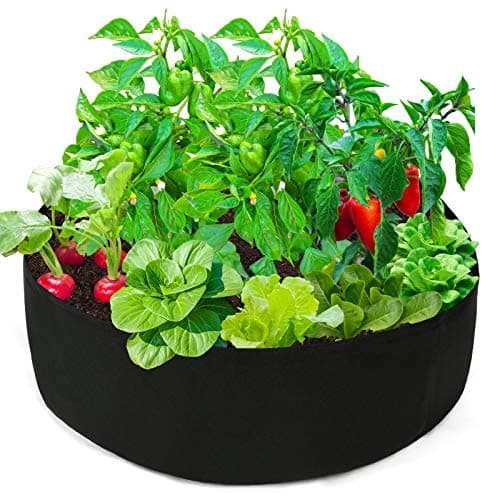
Who this is for: Best for beginners and small-space gardeners who want an easy, controlled way to grow herbs and vegetables.
Check PriceWhat is How to Start a Raised Bed Garden? A Complete 2026 Guide
If you want to learn how to start a raised bed garden but feel overwhelmed by soil, spacing, drainage, and what to buy first, you’re in the right place. A raised bed garden is one of the easiest ways to grow vegetables, herbs, and flowers in a small space with better control over soil quality and watering. This guide explains how it works, why it’s useful, what to look for before buying, and which beginner-friendly products make setup simpler in 2026.
Related Reviews
How It Works
A raised bed garden is a growing area built above ground level, usually inside a container or frame that holds soil in one contained space. Instead of planting directly into native ground, you fill the bed with a soil mix that drains well, warms up faster in spring, and is easier to manage than compacted yard soil.
The basic mechanism is simple: the bed creates a controlled root zone. That control helps with drainage, reduces soil compaction, and makes it easier to weed, water, and harvest without bending as much. In fabric and breathable planter styles, air can move through the sides, which can improve root health and reduce waterlogging.
For beginners, the appeal is convenience. You can place a raised bed on a patio, balcony, driveway, or yard, then tailor the soil and plant layout to the crops you want to grow. That flexibility is why raised beds are often recommended for people starting small or gardening in spaces with poor native soil.
Key Benefits & Use Cases
Why raised bed gardens are so popular
- Better soil control: You choose the mix, so you’re not stuck with rocky, clay-heavy, or depleted ground.
- Improved drainage: Elevated planting areas usually shed excess water more effectively than flat in-ground beds.
- Easier access: Raised beds reduce bending, which is helpful for older gardeners or anyone with mobility concerns.
- Space efficiency: They fit patios, balconies, and small yards where a traditional garden may not work.
- Cleaner organization: You can separate herbs, flowers, and vegetables into defined growing zones.
Best use cases
Raised beds are a smart choice for beginners who want a simple entry point into gardening, renters who need a portable setup, and home gardeners who want better control over vegetables and herbs. They’re also useful when your yard has poor soil, heavy clay, or a hard surface like concrete or brick.
If you’re trying to grow tomatoes, salad greens, basil, peppers, strawberries, or compact flowers, a raised bed gives you a more predictable environment. It’s also a practical solution for urban gardeners who need to make the most of limited square footage.
What to Look For When Buying
If you’re researching how to start a raised bed garden, the right container or bed matters just as much as the plants. These five criteria will help you choose a setup that matches your space and goals.
1. Size and depth
Choose a bed that fits your available space and the crops you want to grow. Shallow beds work for herbs and leafy greens, while deeper beds are better for root crops and larger vegetables.
2. Material and breathability
Fabric and non-woven beds tend to be lightweight and breathable, while metal beds are more rigid and durable. Breathable materials can help with drainage and root aeration, especially in warm or wet climates.
3. Drainage
Good drainage is essential. Look for designs that prevent standing water, since overly wet soil can lead to root rot and poor plant growth.
4. Portability and storage
If you garden on a patio or balcony, foldable or lightweight beds are easier to move and store. This matters even more if you rent or need to clear space seasonally.
5. Ease of assembly
Beginners often benefit from no-tool or low-tool options. The simpler the setup, the faster you can focus on planting instead of building.
Top Recommended Products
Below are four beginner-friendly options that fit different raised-bed gardening needs, from ultra-simple fabric planters to more structured metal designs.
Firlar Fabric Raised Garden Bed 4.5★ (research-based pick) ✓ Prime
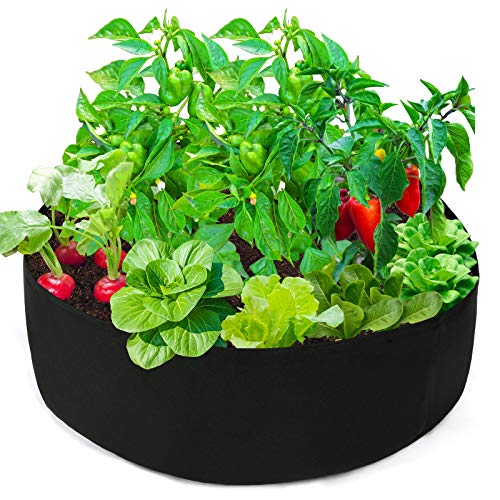


This compact fabric bed is one of the easiest ways to get started because it requires no assembly: just unfold, fill, and plant. Its breathable felt material helps air move through the soil and allows excess moisture to drain, which is useful for beginners who worry about overwatering.
- ✓ No assembly required
- ✓ Breathable felt fabric for airflow and drainage
- ✓ Easy to store when the season ends
- ✓ Works well on patios, terraces, and hard surfaces
- ✓ Helpful for reducing bending and stooping
- ✗ Smaller capacity than full-frame raised beds
- ✗ Best for compact plantings rather than large crops
- ✗ Fabric may not suit gardeners who want a rigid structure
Metal Planter Box with Trellis 4.4★ (research-based pick) ✓ Prime
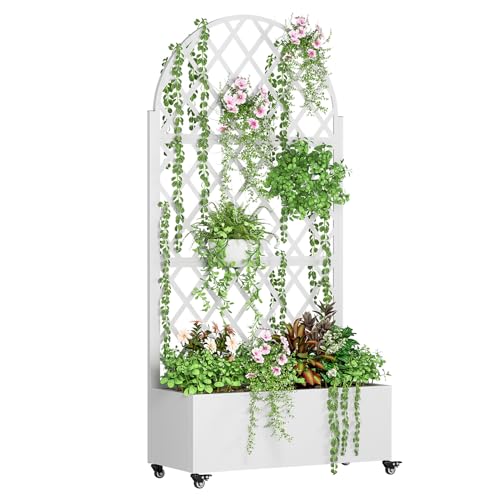


This option is best for gardeners who want a more structured bed with vertical growing support. The built-in trellis makes it especially useful for climbing plants, while the drainage hole and wheels add practical convenience for patios and small spaces.
- ✓ Trellis supports climbing plants and vines
- ✓ Built-in drainage helps prevent waterlogging
- ✓ Wheels make placement easier
- ✓ Galvanized steel adds durability
- ✓ Good for space-saving vertical gardening
- ✗ More assembly involved than fabric beds
- ✗ Heavier and less portable when filled
- ✗ May be more than a beginner needs for a first setup
Raised Garden Bed Round Non-Woven Breathable 7-Grid Divided Planting 4.3★ (research-based pick) ✓ Prime
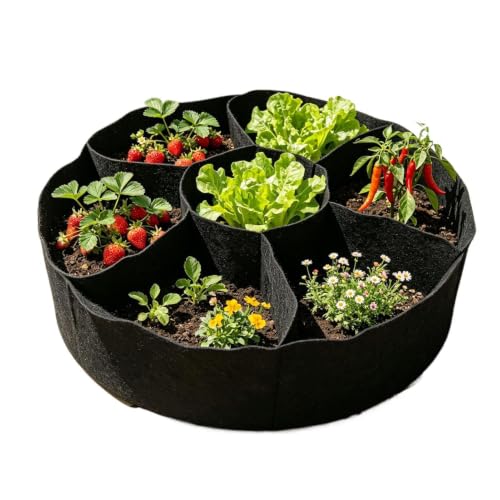


This divided grow bag is a strong choice if you want to experiment with multiple crops in one compact space. The seven-zone layout can make it easier to organize herbs, greens, or flowers while keeping different plants separated.
- ✓ Seven-zone divided planting layout
- ✓ Breathable fabric supports drainage and air pruning
- ✓ Tool-free setup
- ✓ Foldable for storage
- ✓ Good for balconies, patios, and small yards
- ✗ Divided sections may limit larger plants
- ✗ Not ideal if you want one large uninterrupted bed
- ✗ Fabric build is less rigid than metal options
KUYYFDS Large Grow Bed Fabric Raised Garden Bed 4.2★ (research-based pick) ✓ Prime
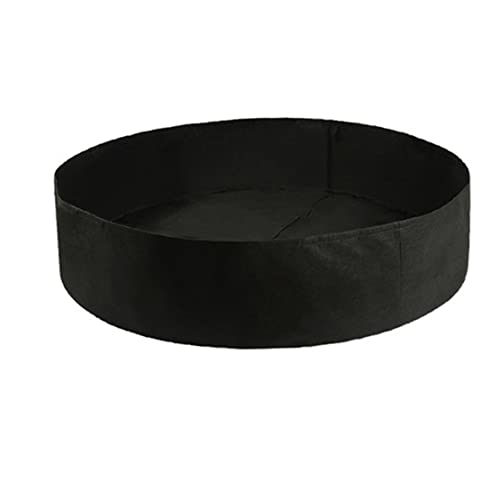

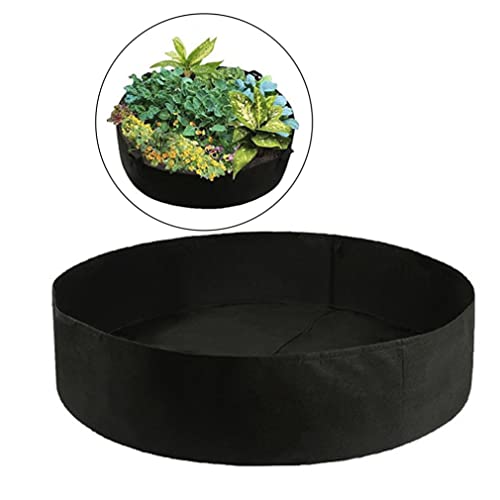
This heavy-duty felt planter is another simple, low-fuss way to begin a raised bed garden. It’s designed for indoor or outdoor use and focuses on breathable drainage, root aeration, and easy storage after the growing season.
- ✓ Breathable felt helps roots breathe
- ✓ Foldable and reusable
- ✓ Suitable for indoor and outdoor use
- ✓ Easy to drain and maintain
- ✓ Good for balcony gardens and small projects
- ✗ Less structured than a hard-sided bed
- ✗ Best for smaller-scale planting
- ✗ May not be ideal if you want a permanent installation
Common Mistakes to Avoid
Using the wrong soil mix
One of the most common beginner mistakes is filling a raised bed with ordinary yard dirt. Raised beds need a loose, fertile mix that drains well and supports healthy roots.
Choosing a bed that’s too small
It’s tempting to start tiny, but some crops need more root room than expected. If you want to grow multiple vegetables, make sure the bed has enough depth and surface area.
Ignoring drainage
Poor drainage can lead to soggy soil and root problems. Whether you choose fabric, non-woven, or metal, make sure excess water can escape.
Overcrowding plants
Beginners often plant too much in too little space. Crowded beds reduce airflow, increase disease risk, and make maintenance harder.
Forgetting sunlight
Even the best raised bed won’t perform well in the wrong location. Most vegetables and herbs need several hours of direct sun each day.
Skipping seasonal planning
Raised beds are easier to manage when you rotate crops and plan for the season. That helps keep soil productive and reduces pest and disease buildup over time.
Frequently Asked Questions
What is the easiest way to start a raised bed garden?
The easiest way is to choose a simple bed, fill it with quality soil mix, and start with easy crops like lettuce, basil, or herbs. Fabric grow bags are often the fastest setup because they usually require no assembly.
How deep should a raised bed garden be?
Depth depends on what you want to grow. Herbs and leafy greens can do well in shallower beds, while root vegetables and larger crops usually benefit from deeper soil.
What soil should I use in a raised bed garden?
Use a loose, nutrient-rich mix designed for raised beds or containers. The goal is to combine good drainage with enough organic matter to support healthy plant growth.
Can I put a raised bed garden on concrete or a patio?
Yes, many raised beds and grow bags are designed for patios, balconies, and hard surfaces. Just make sure the container has proper drainage and that the surface can handle moisture.
What should I plant first in a raised bed garden?
For beginners, herbs, lettuce, spinach, radishes, and compact flowers are good starter choices. They grow relatively quickly and help you learn how your bed handles watering and sunlight.
Pros
- + Better soil control
- + Improved drainage
- + Easier access
- + Space-efficient for small areas
- + Simple beginner setup
Cons
- – Requires quality soil mix
- – Can be too small for larger crops
- – Drainage must be managed
- – Some models need assembly
Frequently asked questions
- What is the easiest way to start a raised bed garden?
- Choose a simple bed, fill it with quality soil mix, and start with easy crops like lettuce, basil, or herbs. Fabric grow bags are often the fastest setup because they usually require no assembly.
- How deep should a raised bed garden be?
- Depth depends on what you want to grow. Herbs and leafy greens can do well in shallower beds, while root vegetables and larger crops usually benefit from deeper soil.
- What soil should I use in a raised bed garden?
- Use a loose, nutrient-rich mix designed for raised beds or containers. The goal is to combine good drainage with enough organic matter to support healthy plant growth.
- Can I put a raised bed garden on concrete or a patio?
- Yes, many raised beds and grow bags are designed for patios, balconies, and hard surfaces. Just make sure the container has proper drainage and that the surface can handle moisture.
- What should I plant first in a raised bed garden?
- For beginners, herbs, lettuce, spinach, radishes, and compact flowers are good starter choices. They grow relatively quickly and help you learn how your bed handles watering and sunlight.
Score breakdown
- value
- 9.0
- usability
- 9.0
- durability
- 7.0
- performance
- 8.0
- buyerFeedback
- 8.0
Get the Full Outdoor Buyer's Guide
Join our free newsletter — we'll send our latest Outdoor picks, specs and verdicts straight to your inbox.
Free. No spam. Unsubscribe anytime.
Was this review helpful?
Be the first to share your feedback on this review.
Sign in to vote and let us know what you think.
Discussion (0)
No comments yet. Be the first to start the discussion.
Related Reviews
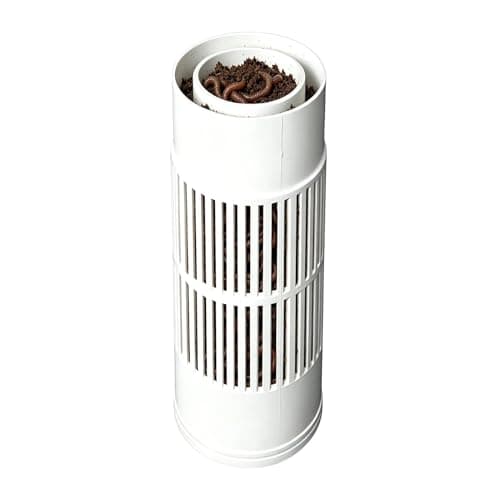
Best Cheap Composters for Every Budget in 2026: Ranked by Price & Performance
If you want the best cheap composters , the challenge is finding something that actually works without paying for features you do not need. The good news is that the lowest-priced options can still handle kitchen scraps and garden waste if your space is small and your expectations are realistic. Thi
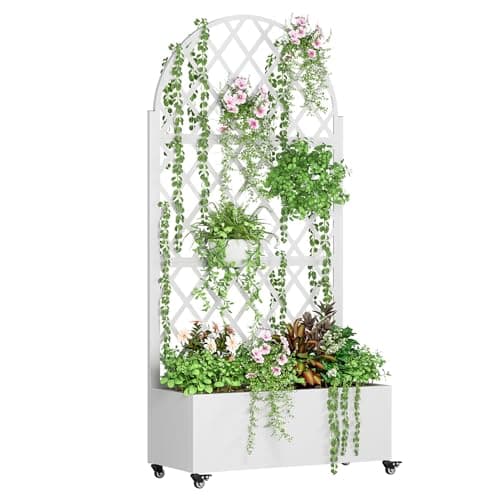
Best Budget Raised Garden Beds for Every Budget in 2026: Ranked by Price & Performance
If you want the best budget raised garden beds , the tricky part isn’t finding something cheap—it’s finding a bed that won’t collapse, dry out too fast, or waste your growing season. This price-tiered guide separates the true bargain picks from the better long-term buys so you can match your budget
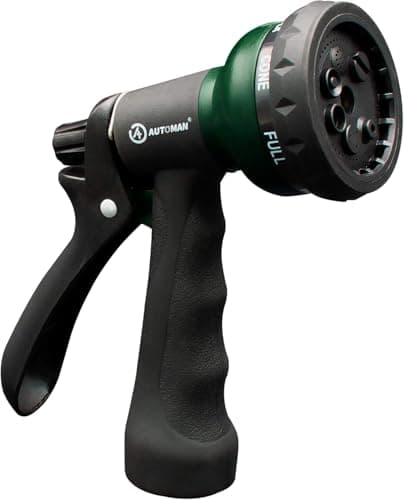
8 Best Garden Hose Nozzles in 2026 — Tough, Leak-Resistant Picks for Easier Watering
If you’re tired of leaky hose sprayers, hand fatigue, and weak spray patterns, you’re in the right place. The best garden hose nozzles should make watering plants, washing cars, and rinsing patios easier without costing much or falling apart fast. This research-based roundup compares popular Amazon