

Who this is for: Best for homeowners who want to thicken thin grass and repair bare spots without a full lawn renovation.
Check PriceWhat is How to Overseed a Lawn? A Complete 2026 Guide
If your grass looks thin, patchy, or tired after summer stress, learning how to overseed a lawn can help you bring it back without starting over. Overseeding is one of the simplest ways to improve lawn density, fill bare spots, and crowd out weeds with healthier new grass. In this guide, we’ll explain how overseeding works, when it makes sense, what to look for in seed products, and which options are worth considering based on published specs and owner feedback.
Related Reviews
How It Works
Overseeding means spreading grass seed over an existing lawn instead of tearing the lawn out and reseeding from scratch. The new seed settles into thin areas, germinates in the soil, and gradually blends with the older grass to make the lawn look fuller and more uniform.
The process works best when the seed has good soil contact, steady moisture, and the right temperature range for germination. In practice, that usually means mowing the lawn shorter, loosening the top layer slightly if needed, applying seed evenly, and watering consistently until the seedlings establish.
Because overseeding is meant to improve an existing lawn, the goal is not just growth—it’s also competition. A thicker lawn naturally leaves less room for weeds, bare patches, and erosion to take hold.
Key Benefits & Use Cases
Overseeding is popular because it solves several common lawn problems at once. It can make a lawn look greener, recover areas damaged by heat or foot traffic, and improve overall turf density without a full renovation.
Key benefits
- Fills thin areas: Helps patch up sparse turf before it turns into larger bare spots.
- Improves lawn appearance: Creates a thicker, more even look across the yard.
- Supports lawn recovery: Useful after drought, pet damage, traffic wear, or seasonal stress.
- Can reduce weed pressure: Denser grass leaves fewer openings for weeds to move in.
- Works as routine maintenance: Many homeowners overseed annually or seasonally to keep turf strong.
Common use cases
- Thin cool-season lawns that need more density
- Patchy areas caused by pets, kids, or heavy foot traffic
- Lawns with sun/shade variation that need a more adaptable seed mix
- Small repair jobs where a full lawn replacement would be overkill
What to Look For When Buying
If you’re choosing a product for overseeding, the best option depends on your lawn type, climate, and how much area you need to cover. These five criteria matter most:
1. Grass type compatibility
Choose seed that matches your existing lawn as closely as possible. If the new grass blends well with what’s already there, the result looks more natural and uniform.
2. Sun and shade performance
Some lawns get full sun all day, while others are shaded by trees or buildings. A mix designed for sun and shade can be more forgiving if your yard has mixed conditions.
3. Coverage area
Check how many square feet a bag covers for overseeding. This helps you avoid buying too little for a large yard or too much for a small repair job.
4. Germination support
Some products include mulch, fertilizer, or tackifier to help hold seed in place and improve early growth. These extras can be especially helpful on slopes or in areas prone to washout.
5. Watering requirements
Overseeding only works well if you can keep the seed moist long enough to sprout. If you want a lower-maintenance option, look for products that are designed to be easier to establish under normal homeowner conditions.
Top Recommended Products
Below are the products from the provided list that are commonly considered for overseeding and lawn repair. These recommendations are based on published product details, coverage specs, and documented owner feedback patterns—not hands-on testing.
Scotts Turf Builder Grass Seed Tall Fescue Mix, 16 lbs. 4.7★ (review count not provided) ✓ Prime 24% OFF — Was $76.49
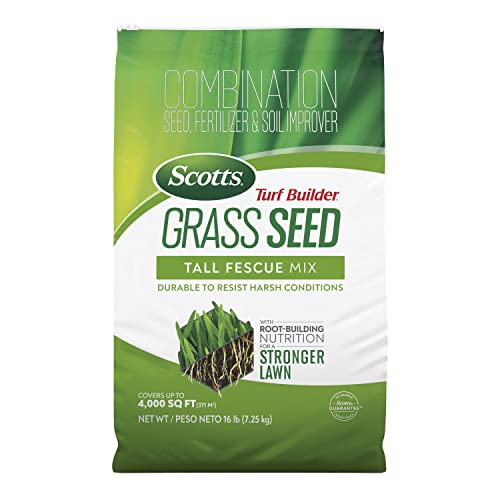


This is the strongest fit in the list for broad overseeding because it’s specifically positioned for durable turf and includes root-building nutrition. The 16 lb. bag also offers a large overseeding coverage area of up to 4,000 sq. ft., which makes it practical for whole-lawn refreshes.
- ✓ Designed for overseeding coverage up to 4,000 sq. ft.
- ✓ 3-in-1 formula includes seed, fertilizer, and soil improver
- ✓ Tall fescue is known for durability and stronger rooting
- ✓ Good choice for spring or fall planting windows
- ✗ Needs consistent watering for at least 3 weeks
- ✗ Best suited to lawns where tall fescue fits the existing turf mix
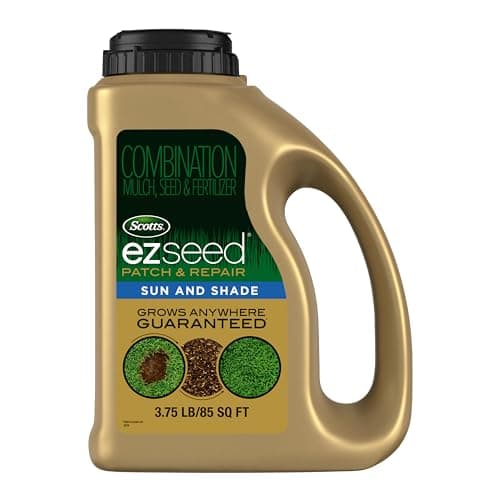
Scotts EZ Seed Patch & Repair for Sun and Shade, 3.75 lbs. 4.6★ (review count not provided) ✓ Prime 17% OFF — Was $23.99
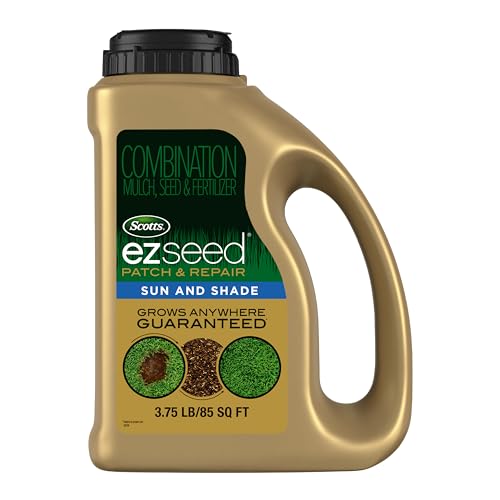

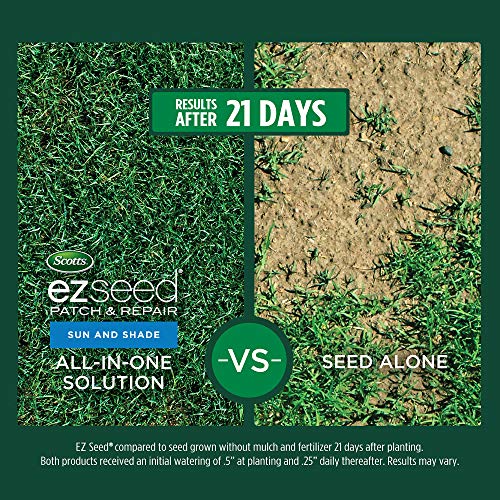
This smaller-format option is better for spot repairs than full overseeding. It’s designed for bare spots, slopes, and mixed light conditions, and the built-in mulch, fertilizer, and tackifier can make it easier to establish seed in problem areas.
- ✓ Good for patching bare spots and damaged areas
- ✓ Works in sun, shade, high-traffic areas, and slopes
- ✓ Includes mulch, fertilizer, tackifier, and protectant
- ✓ Easy 3-step application for small repairs
- ✗ Coverage is limited to up to 85 sq. ft.
- ✗ Not the best value for large overseeding projects
Scotts EZ Seed Patch & Repair Sun and Shade, 20 lbs. 4.6★ (review count not provided) ✓ Prime 11% OFF — Was $77.49
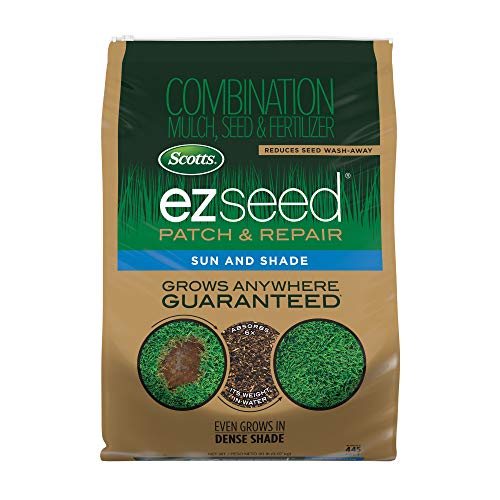


This is the larger version of the EZ Seed formula and makes more sense if you need to repair a bigger thin area rather than just a few spots. It shares the same sun-and-shade versatility and is rated for up to 445 sq. ft. of coverage.
- ✓ Better for medium-sized repair and overseeding zones
- ✓ Works in full sun, dense shade, slopes, and traffic areas
- ✓ Includes mulch, fertilizer, tackifier, and protectant
- ✓ Easier than a full renovation for damaged sections
- ✗ Still not as efficient as a large bag for whole-yard overseeding
- ✗ Requires proper watering and timing to germinate well
Common Mistakes to Avoid
- Overseeding at the wrong time: Seed germinates best when temperatures are in the recommended range for the product. Planting too early or too late can reduce success.
- Skipping soil contact: Seed sitting on top of hard soil or thick thatch may not germinate well. Light raking or loosening can help.
- Letting the seed dry out: New seed needs consistent moisture. A single missed watering can slow or stop germination.
- Using the wrong seed type: A mismatch between seed and existing lawn can leave the yard looking patchy or uneven.
- Applying too much or too little: Follow coverage instructions closely so the lawn fills in evenly without overcrowding.
- Expecting instant results: Overseeding takes time. New grass typically needs several weeks to establish before it looks fully blended.
Frequently Asked Questions
What is the best time of year for how to overseed a lawn?
For many lawns, early fall is the most common overseeding window because temperatures are milder and moisture conditions are often better. Some seed types can also be planted in spring if the temperature range matches the product instructions.
Do I need to kill the old grass before overseeding?
No. Overseeding is specifically meant to be done over an existing lawn. The goal is to add new grass into thin or bare areas without tearing everything out.
How much seed do I need for overseeding?
It depends on the size of your lawn and the coverage rate on the bag. Always check the product label, since overseeding coverage can be very different from new-lawn coverage.
How long does overseeding take to work?
Germination time varies by grass type and weather, but most overseeding projects take several weeks before the new grass looks established. Consistent watering is one of the biggest factors in how fast it succeeds.
Can I overseed a lawn with bare patches and shade?
Yes, but you should choose a seed product designed for your light conditions. A sun-and-shade mix is often a safer choice when the yard has both open and shaded areas.
Pros
- + Fills thin areas and bare spots
- + Improves lawn density and appearance
- + Can help reduce weed pressure
- + Works for routine lawn maintenance
- + Useful for sun, shade, and patch repair
Cons
- – Requires consistent watering
- – Results take several weeks
- – Wrong seed type can look uneven
- – Coverage varies by product
Frequently asked questions
- What is the best time of year for how to overseed a lawn?
- For many lawns, early fall is the most common overseeding window because temperatures are milder and moisture conditions are often better. Some seed types can also be planted in spring if the temperature range matches the product instructions.
- Do I need to kill the old grass before overseeding?
- No. Overseeding is specifically meant to be done over an existing lawn. The goal is to add new grass into thin or bare areas without tearing everything out.
- How much seed do I need for overseeding?
- It depends on the size of your lawn and the coverage rate on the bag. Always check the product label, since overseeding coverage can be very different from new-lawn coverage.
- How long does overseeding take to work?
- Germination time varies by grass type and weather, but most overseeding projects take several weeks before the new grass looks established. Consistent watering is one of the biggest factors in how fast it succeeds.
- Can I overseed a lawn with bare patches and shade?
- Yes, but you should choose a seed product designed for your light conditions. A sun-and-shade mix is often a safer choice when the yard has both open and shaded areas.
Get the Full Outdoor Buyer's Guide
Join our free newsletter — we'll send our latest Outdoor picks, specs and verdicts straight to your inbox.
Free. No spam. Unsubscribe anytime.
Was this review helpful?
Be the first to share your feedback on this review.
Sign in to vote and let us know what you think.
Discussion (0)
No comments yet. Be the first to start the discussion.
Related Reviews
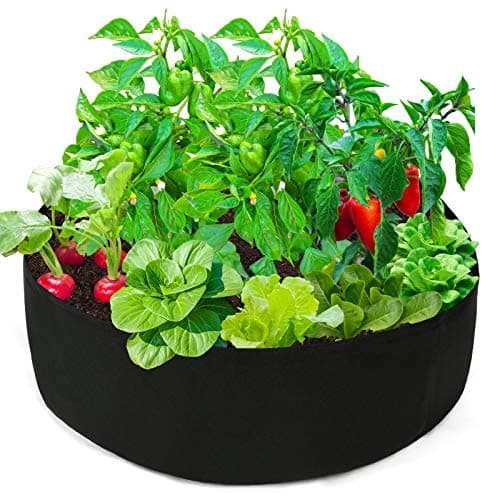
What is How to Start a Raised Bed Garden? A Complete 2026 Guide
If you want to learn how to start a raised bed garden but feel overwhelmed by soil, spacing, drainage, and what to buy first, you’re in the right place. A raised bed garden is one of the easiest ways to grow vegetables, herbs, and flowers in a small space with better control over soil quality and wa
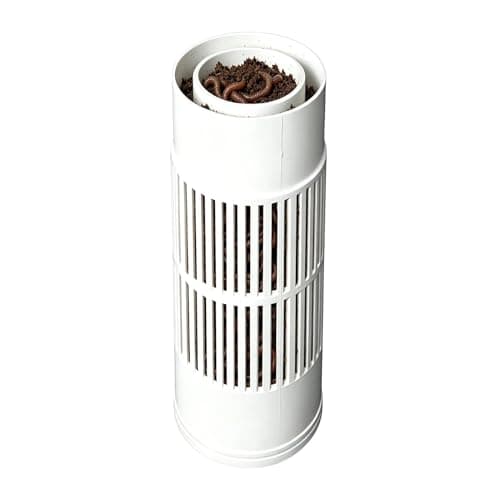
Best Cheap Composters for Every Budget in 2026: Ranked by Price & Performance
If you want the best cheap composters , the challenge is finding something that actually works without paying for features you do not need. The good news is that the lowest-priced options can still handle kitchen scraps and garden waste if your space is small and your expectations are realistic. Thi
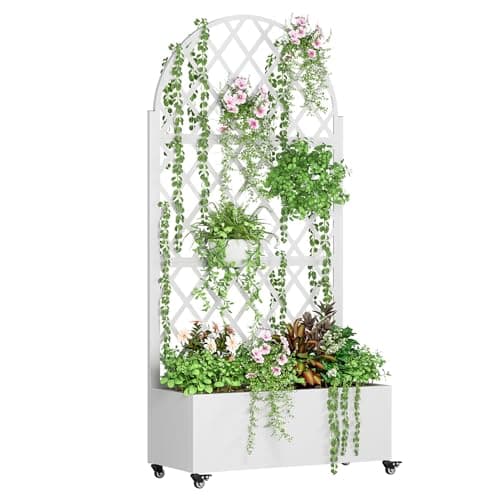
Best Budget Raised Garden Beds for Every Budget in 2026: Ranked by Price & Performance
If you want the best budget raised garden beds , the tricky part isn’t finding something cheap—it’s finding a bed that won’t collapse, dry out too fast, or waste your growing season. This price-tiered guide separates the true bargain picks from the better long-term buys so you can match your budget