

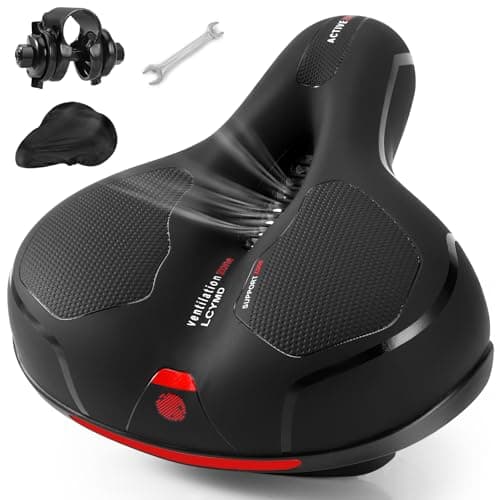
Who this is for: Best for riders who want to learn saddle fit basics and choose a more comfortable replacement seat for everyday cycling.
Check PriceWhat is How to Fit a Bike Saddle? A Complete 2026 Guide
If you’re trying to figure out how to fit a bike saddle, the biggest challenge is usually getting the height, angle, and fore-aft position right without creating knee pain, numbness, or a sore back. The good news is that saddle fit is mostly about matching your body position to your bike type and riding style, not guessing. This guide explains the basics in plain English and shows which products can help if you want a more comfortable upgrade.
Related Reviews
A properly fitted bike saddle supports your sit bones, keeps pressure off sensitive areas, and helps you pedal efficiently. When a saddle is too high, too low, tilted wrong, or set too far forward or back, it can make even short rides uncomfortable. Learning the fit process can improve comfort, control, and confidence on road bikes, exercise bikes, and everyday commuters.
How It Works
Bike saddle fit works by aligning three main factors: height, angle, and position. Height affects how fully your leg extends at the bottom of the pedal stroke, angle changes how pressure is distributed, and fore-aft position determines whether your weight sits naturally over the pedals. When these three are balanced, your body can move efficiently without unnecessary strain.
Most riders start by setting saddle height so the knee remains slightly bent at the bottom of the pedal stroke. Next, they level the saddle so the nose is not excessively tilted up or down, since either direction can cause sliding or pressure points. Finally, they adjust the saddle forward or backward until the hips feel stable and the knees track comfortably while pedaling.
The saddle itself also matters. Wider, softer saddles can feel better for upright riding, while narrower designs often suit more aggressive forward-leaning positions. Features like memory foam, cutouts, noseless shapes, and shock-absorbing rails or springs can reduce vibration and pressure, but they still need to be fitted correctly to work well.
Key Benefits & Use Cases
Better comfort on longer rides
Good saddle fit reduces pressure on the sit bones and soft tissue, which can make longer rides much more manageable. This is especially helpful for riders who are new to cycling or returning after a break.
Less knee, hip, and lower-back strain
A saddle that is too high or too far forward can throw off your pedaling mechanics. Correct fit helps your joints move naturally and can lower the chance of aches caused by poor positioning.
Improved pedaling efficiency
When your saddle supports a stable pelvis, you waste less energy rocking side to side. That can make riding feel smoother and more controlled.
Useful for many bike types
Saddle fitting matters on road bikes, mountain bikes, cruisers, stationary bikes, spin bikes, and e-bikes. The exact setup changes, but the basic principles stay the same.
Helps solve common comfort complaints
If you feel numbness, sliding, chafing, or tailbone pressure, the saddle fit is often part of the problem. In many cases, small adjustments make a noticeable difference.
What to Look For When Buying
1. Saddle shape and width
Choose a saddle that matches your riding posture. Wider saddles usually suit upright riders, while narrower saddles often work better when you lean forward more.
2. Padding type
Memory foam, gel, and layered foam all feel different. Softer is not always better; too much padding can create instability on longer rides.
3. Pressure relief design
Look for cutouts, channels, or noseless shapes if you want to reduce pressure in sensitive areas. These designs can help, especially for indoor cycling and long seated rides.
4. Mounting compatibility
Make sure the saddle fits your seat post and clamp style. Universal claims are common, but checking the mounting system saves time and frustration.
5. Durability and surface material
Waterproof or wear-resistant coverings, reinforced edges, and sturdy rails matter if you ride often. A saddle that keeps its shape is usually a better long-term value.
Top Recommended Products
Comfortable Seat Cushion for Men Women with Dual Shock Absorbing Ball Memory Foam Waterproof Wide Bicycle Saddle Fit for Road Bikes ✓ Prime $18.99
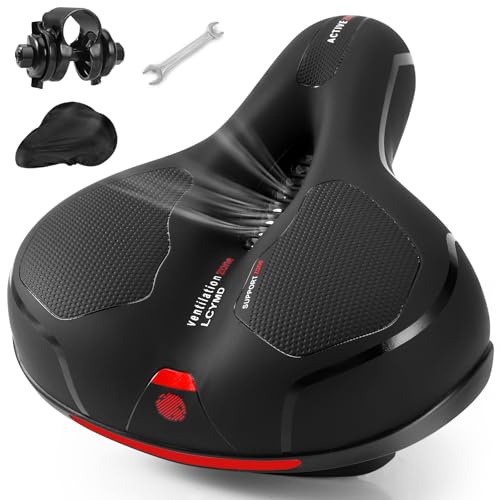

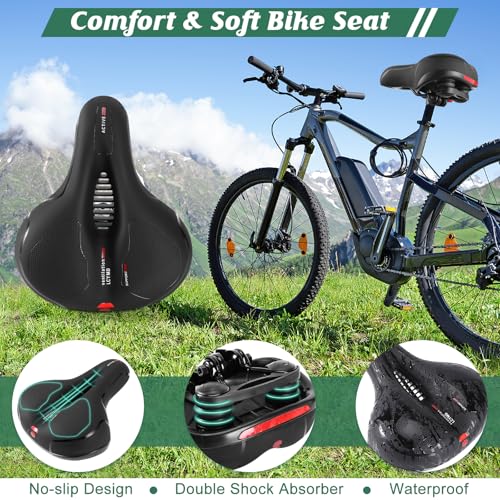
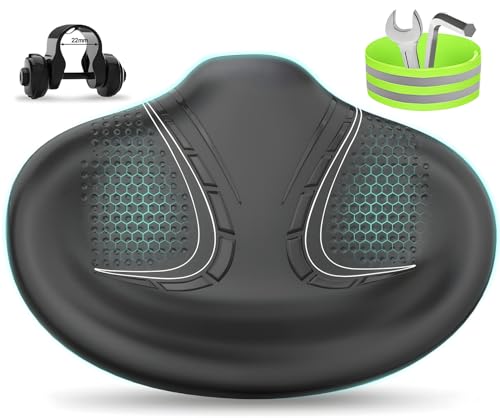
This budget-friendly saddle is built around comfort-first features like memory foam, a wide platform, and dual shock-absorbing balls. It is a practical option if you want a softer seat for road bikes, cruisers, or exercise setups without spending much.
- ✓ Dual shock-absorbing balls help reduce bumps and vibration
- ✓ Wide memory foam design supports upright comfort
- ✓ Includes saddle adapter, wrench, and waterproof cover
- ✓ Universal fit claims make it easy to install on many bikes
- ✗ Very wide seats may feel bulky for aggressive riding
- ✗ Extra padding is not ideal for every rider’s posture
- ✗ Comfort depends heavily on correct installation angle
BLUEWIND New Noseless Oversized Bike Seat, Wide Bicycle Saddle Novel Backrest Design for Electric Bike, Fits Most Exercise Bike or Road Stationary Bike Seat Cushion for Men & Women (Black) ✓ Prime 23% OFF — Was $39.99 $30.99

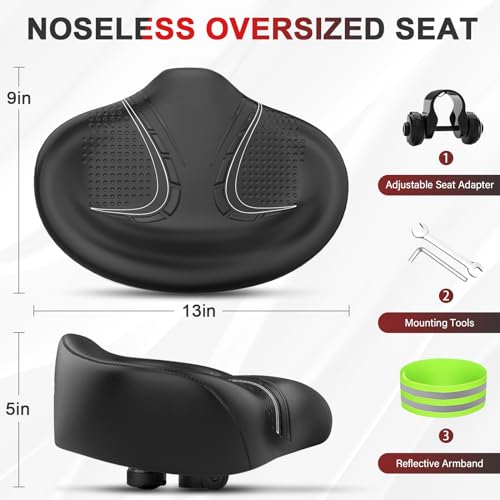
The BLUEWIND noseless design is aimed at riders who want to reduce friction and pressure on longer seated rides. Its oversized shape and thick foam make it especially appealing for indoor cycling, stationary bikes, and upright riding positions.
- ✓ Noseless shape helps reduce thigh rubbing and pressure
- ✓ Oversized foam platform supports longer rides
- ✓ Durable microfiber surface is designed for daily use
- ✓ Reported max load capacity of 350 lb adds confidence
- ✗ Noseless saddles can feel unusual at first
- ✗ Bulkier design may not suit sporty road positions
- ✗ Fit and comfort depend on proper bike setup
Bikeroo Oversized Bike Seat - Compatible with Peloton, Exercise or Road Bikes - Bicycle Saddle Replacement with Wide Cushion for Men & Womens Comfort ✓ Prime $14.70
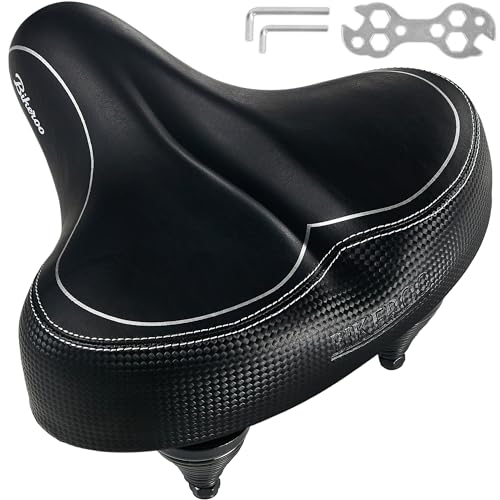


The Bikeroo oversized saddle focuses on broad compatibility and supportive cushioning. It is a strong pick for riders who want a simple replacement seat for Peloton-style bikes, exercise bikes, or upright road and commuter setups.
- ✓ Affordable price makes it easy to try
- ✓ Wide cushion supports upright riders and heavier users
- ✓ Memory foam and suspension elements aim to improve comfort
- ✓ Universal construction fits many standard bikes
- ✗ Oversized shape may not suit performance cycling
- ✗ Very soft saddles can feel different ride to ride
- ✗ Best results still require careful adjustment
Common Mistakes to Avoid
Setting the saddle too high. This often causes hip rocking, overextension, and pain behind the knee. If your hips sway while pedaling, the saddle may be too high.
Tilting the nose too far up or down. A nose-up saddle can create pressure and numbness, while a nose-down saddle can make you slide forward and strain your arms. Start level and make small changes only if needed.
Choosing padding over fit. More padding does not automatically mean more comfort. A saddle that matches your posture is usually better than one that is simply very soft.
Ignoring bike type. A saddle that works well on an upright exercise bike may not be ideal on a road bike. Match the saddle shape to how you actually ride.
Making huge adjustments at once. Saddle fit is easiest to improve in small steps. Change one variable at a time so you can tell what helped.
Frequently Asked Questions
How do I know if my bike saddle is too high?
If your hips rock side to side, your legs feel overextended, or you struggle to keep a stable pedal stroke, the saddle may be too high. Lower it a little and test again.
Should a bike saddle be level?
In most cases, yes. A nearly level saddle is the best starting point because it balances support and pressure without making you slide forward or backward.
How far forward should a bike saddle be?
Start with the saddle centered on the rails, then adjust based on comfort and knee tracking. If your knees feel strained or your weight feels off, small fore-aft changes may help.
Why does my bike saddle hurt after a few minutes?
Common causes include incorrect height, poor tilt, a saddle shape that does not match your riding position, or too much pressure on sensitive areas. A better fit or different saddle style often helps.
Do wider saddles always feel more comfortable?
Not always. Wider saddles can help upright riders, but they may feel bulky for forward-leaning positions. The best saddle is the one that matches your posture and riding style.
Pros
- + Reduces pressure and numbness when fitted correctly
- + Improves comfort on road, exercise, and commuter bikes
- + Helps match saddle shape to riding posture
- + Includes budget-friendly Amazon options
- + Easy to adjust in small steps
Cons
- – Wrong height can cause knee or hip strain
- – Too much padding can feel unstable
- – Noseless or oversized saddles may feel unusual
- – Best results require careful setup
- – One saddle style does not fit every rider
Frequently asked questions
- How do I know if my bike saddle is too high?
- If your hips rock side to side, your legs feel overextended, or you struggle to keep a stable pedal stroke, the saddle may be too high. Lower it a little and test again.
- Should a bike saddle be level?
- In most cases, yes. A nearly level saddle is the best starting point because it balances support and pressure without making you slide forward or backward.
- How far forward should a bike saddle be?
- Start with the saddle centered on the rails, then adjust based on comfort and knee tracking. If your knees feel strained or your weight feels off, small fore-aft changes may help.
- Why does my bike saddle hurt after a few minutes?
- Common causes include incorrect height, poor tilt, a saddle shape that does not match your riding position, or too much pressure on sensitive areas. A better fit or different saddle style often helps.
- Do wider saddles always feel more comfortable?
- Not always. Wider saddles can help upright riders, but they may feel bulky for forward-leaning positions. The best saddle is the one that matches your posture and riding style.
Score breakdown
- value
- 9.0
- usability
- 8.0
- durability
- 7.0
- performance
- 8.0
- buyerFeedback
- 8.0
Get the Full Outdoor Buyer's Guide
Join our free newsletter — we'll send our latest Outdoor picks, specs and verdicts straight to your inbox.
Free. No spam. Unsubscribe anytime.
Was this review helpful?
Be the first to share your feedback on this review.
Sign in to vote and let us know what you think.
Discussion (0)
No comments yet. Be the first to start the discussion.
Related Reviews
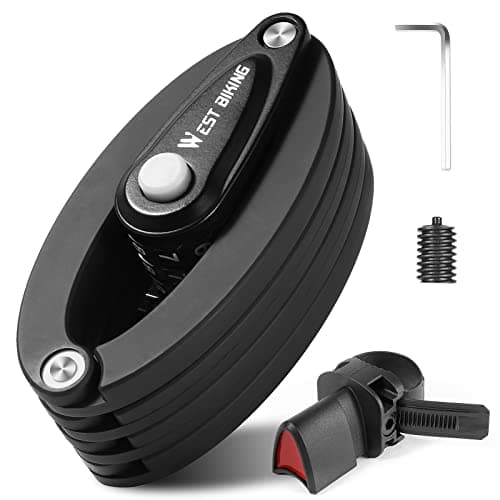
What is How to Lock a Bike Properly? A Complete 2026 Guide
If you’ve ever worried about leaving your bike outside for even a few minutes, you’re asking the right question: how to lock a bike properly. A good lock only works if it’s used the right way, and poor locking habits can make even a “strong” lock easy to defeat. This guide explains the basics of bik
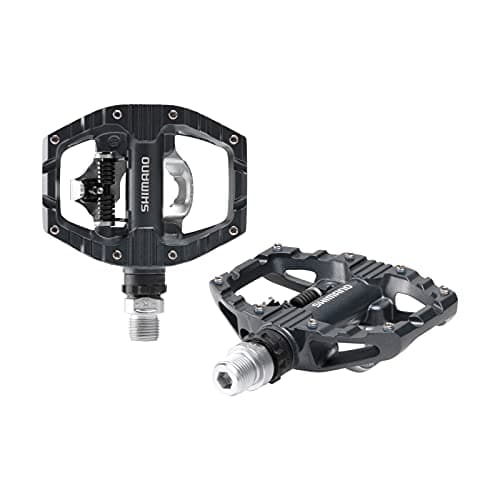
What is Clipless vs Flat Pedals? A Complete 2026 Guide
If you’re trying to understand clipless vs flat pedals , the confusion usually starts with the name: “clipless” pedals still use cleats, while flat pedals rely on shoe grip alone. The right choice affects power transfer, confidence, comfort, and how easy it is to start and stop on the bike. This gui
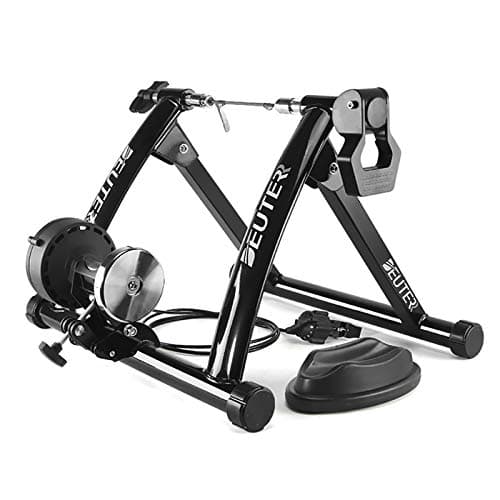
What is How to Set Up an Indoor Bike Trainer? A Complete 2026 Guide
If you’re trying to figure out how to set up an indoor bike trainer , the hardest part is usually not the workout itself—it’s choosing the right setup, fitting your bike correctly, and avoiding noise or stability problems. This guide explains what an indoor bike trainer is, how it works, what to loo