


Who this is for: Best for bikepackers who want more comfort on rough roads and long days without sacrificing control.
If long days in the saddle leave you sore, numb, or constantly shifting around to stay comfortable, a suspension seatpost can make a bikepacking setup feel dramatically more forgiving. The biggest mistake buyers make is choosing one based only on “more travel” or “fits my seat tube,” then discovering it rides too soft, too tall, or too unstable under loaded gear. This guide on how to choose a suspension seatpost for bikepacking breaks down the features that actually matter so you can match comfort, control, and compatibility to the way you ride.
Related Reviews
Key Features to Look For
1) Correct seatpost diameter and frame compatibility
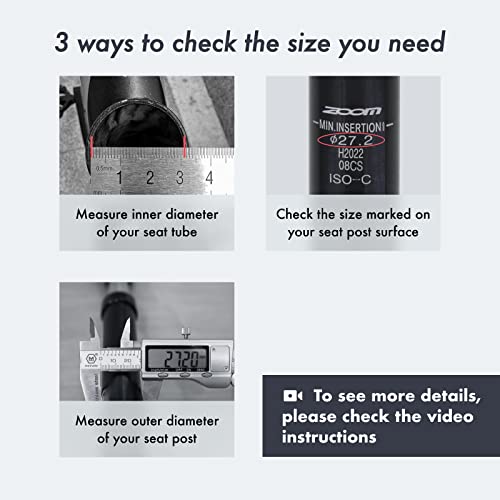
This is the first filter because a suspension seatpost is only useful if it physically fits your frame. Many bikepacking bikes use common sizes like 27.2mm, but some frames need shims or specific diameters, so always verify the seat tube size before anything else.
2) Travel amount and ride feel
Travel determines how much movement the post can absorb over bumps and washboard roads. For bikepacking, you want enough movement to reduce fatigue without creating a wallowy feel when pedaling seated or climbing with bags.
3) Adjustable preload or stiffness tuning
Adjustability matters because bikepacking loads vary by rider weight, luggage, terrain, and saddle height. A post with preload adjustment lets you firm up the ride for rough terrain or soften it for comfort on long, steady days.
4) Overall weight and material construction
Bikepacking rewards equipment that balances comfort with efficiency. Aluminum alloy posts are common because they offer a practical mix of durability, corrosion resistance, and manageable weight for riders who still care about climbing and handling.
5) Saddle clamp adjustability
A clamp that allows angle adjustment helps you fine-tune saddle position after installation. That matters on bikepacking trips because a small saddle tilt change can make a huge difference in comfort over multiple hours.
6) Durability features for dirty, wet travel
Bikepacking exposes components to dust, grit, rain, and trail grime. Features like dust sleeves, corrosion-resistant finishes, and simple mechanical designs are worth prioritizing because they can reduce maintenance headaches on the road.
7) Rider weight range and load support
Always check the supported rider weight range and how the post is tuned for different body types. A suspension seatpost that is too soft for your weight can bob excessively, while one that is too firm may not reduce fatigue enough.
What to Avoid
Ignoring fit measurements
The most common mistake is assuming “close enough” on diameter will work. Suspension seatposts are not universal, and the wrong size can mean wasted money or unsafe installation.
Choosing maximum travel without considering control
More travel is not automatically better. For bikepacking, excessive movement can make the bike feel vague when seated, especially on climbs or when carrying rear luggage.
Overlooking saddle height changes
Some suspension designs add noticeable stack height, which can affect your pedaling position. If your bike already has limited seatpost insertion depth, this can become a real problem.
Buying a comfort-first design that lacks adjustability
A fixed-feel post may work for casual riding, but bikepacking terrain changes constantly. Without preload or similar tuning, you may end up with a post that feels great on one surface and poor on another.
Assuming all suspension posts handle loaded touring equally
Bikepacking adds fatigue, gear weight, and longer riding hours. A post that works for short commutes may not feel stable or supportive enough for multi-day use with bags.
Our Top Picks
Best premium comfort-focused option: AVENTON Advanced Suspension Bike seat Post

This is the strongest choice if you want a more refined suspension design for long-distance comfort and expect varied surfaces. Its parallelogram mechanism, 50mm travel, adjustable suspension, and dust sleeve make it especially appealing for riders who want smoother performance and less maintenance during extended trips.
- ✓ Adjustable suspension for different surfaces and rider weights
- ✓ Parallelogram mechanism designed to absorb minor impacts smoothly
- ✓ 50mm travel for a comfort-oriented ride
- ✓ Dust sleeve helps protect the mechanism from debris
- ✓ Aluminum alloy construction for wear resistance and corrosion protection
- ✗ Best suited to riders who want a more premium, feature-rich design
- ✗ Compatibility is specific, so measurement matters
- ✗ May be more than casual riders need for occasional use
Best budget-friendly fit-flexible option: COTOUXKER 27.2mm Suspension Seatpost


This is a practical pick for bikepackers who want comfort on rough pavement, gravel connectors, and daily mixed-surface riding without overcomplicating the setup. The included adapter shims make it especially useful if you’re working with a frame that doesn’t match 27.2mm exactly.
- ✓ Three fit options with included 30.9mm-to-27.2mm and 31.6mm-to-27.2mm shims
- ✓ Shock-absorbing design for bumps and road vibration
- ✓ Adjustable preload to tune firmness
- ✓ Built for everyday riding and practical comfort
- ✓ Good option for commuting-style bikepacking and recreational use
- ✗ Less specialized than premium designs for demanding terrain
- ✗ Fit still needs careful measuring before purchase
- ✗ Best for comfort-first riders rather than aggressive off-road use
Best mid-range all-around option: DJC Bike Suspension Seatpost

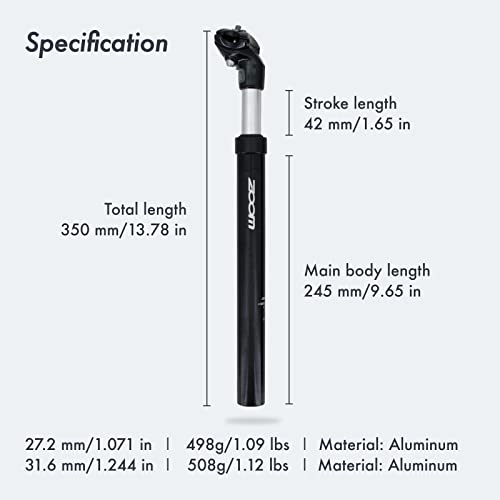
If you want a balanced choice for long rides, the DJC stands out for its combination of spring coil suspension, adjustable rebound, and a relatively lightweight aluminum body. It is a solid middle-ground option for riders who want noticeable comfort gains without moving into a more specialized premium setup.
- ✓ Spring coil and damper rubber help absorb vibration
- ✓ Adjustable rebound force for tuning ride feel
- ✓ 42mm suspension travel
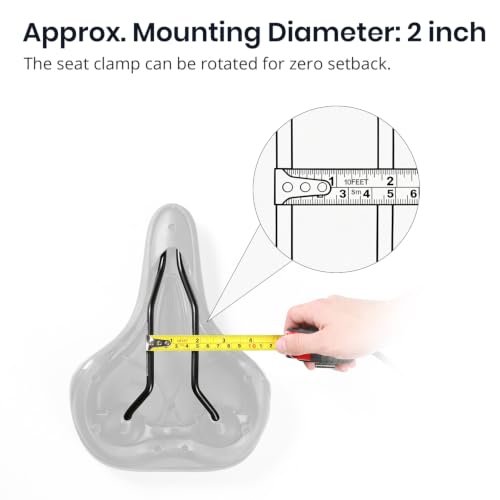
- ✓ Adjustable saddle clamp angle
- ✓ Lightweight 6061 aluminum body with ISO 4210 compliance
- ✗ More moving parts may mean more setup attention
- ✗ Diameter selection must be checked carefully
- ✗ Not the lightest or most advanced option in the group
Budget Guide: What You Get at Each Tier
Budget tier
At the budget level, you typically get the core benefit of vibration reduction and a more comfortable saddle platform without a lot of advanced engineering. Expect simpler suspension designs, practical preload adjustment, and a focus on everyday comfort rather than ultra-refined small-bump sensitivity.
The tradeoff is usually less sophistication in ride feel and fewer premium durability touches. For bikepacking, this tier works best if you want a straightforward upgrade for mixed pavement, gravel, and light touring.
Mid-range tier
Mid-range models usually improve the quality of the suspension action and tuning options. You’ll often see better materials, more controlled rebound behavior, and a more balanced ride that feels less basic on long days.
This is the sweet spot for many bikepackers because it can offer better comfort and control without pushing into the most specialized or expensive designs. If you ride a variety of surfaces and want a dependable upgrade, this tier is often the easiest recommendation.
Premium tier
Premium suspension seatposts tend to emphasize smoother motion, more refined mechanisms, and added durability features like dust protection or more advanced linkage designs. They are usually the best fit for riders who spend many hours in the saddle and want the most polished comfort experience.
For bikepacking, premium makes the most sense if you regularly ride rough roads, care about long-term component reliability, and want the most adjustable and confidence-inspiring setup available.
Frequently Asked Questions
What size suspension seatpost do I need for bikepacking?
You need the seatpost diameter that matches your frame exactly, most commonly 27.2mm, but some bikes require adapter shims. Measure your current seatpost or seat tube before buying.
Is a suspension seatpost worth it for bikepacking?
Yes, if you ride long distances on rough pavement, gravel, or washboard roads. It can reduce saddle fatigue and make multi-day rides more comfortable.
How much travel should I look for in a bikepacking suspension seatpost?
Look for enough travel to smooth bumps without making the bike feel unstable. Moderate travel is usually the best balance for loaded riding and seated climbing.
Do suspension seatposts affect pedaling efficiency?
They can if they are too soft or poorly tuned. That’s why adjustability matters: you want comfort without excessive bobbing when pedaling.
What is the most important feature when choosing one?
Fit is the most important feature, followed by adjustability and ride feel. If the seatpost doesn’t match your frame and riding style, the comfort benefits won’t matter.
Pros
- + Reduces saddle fatigue on rough roads
- + Adjustable options help tune ride feel
- + Fit-flexible models exist for common sizes
- + Premium designs add dust protection and smoother motion
Cons
- – Wrong diameter can make installation impossible
- – Too much travel can feel unstable when loaded
- – Some models need careful setup and tuning
Frequently asked questions
- What size suspension seatpost do I need for bikepacking?
- You need the seatpost diameter that matches your frame exactly, most commonly 27.2mm, but some bikes require adapter shims. Measure your current seatpost or seat tube before buying.
- Is a suspension seatpost worth it for bikepacking?
- Yes, if you ride long distances on rough pavement, gravel, or washboard roads. It can reduce saddle fatigue and make multi-day rides more comfortable.
- How much travel should I look for in a bikepacking suspension seatpost?
- Look for enough travel to smooth bumps without making the bike feel unstable. Moderate travel is usually the best balance for loaded riding and seated climbing.
- Do suspension seatposts affect pedaling efficiency?
- They can if they are too soft or poorly tuned. That’s why adjustability matters: you want comfort without excessive bobbing when pedaling.
- What is the most important feature when choosing one?
- Fit is the most important feature, followed by adjustability and ride feel. If the seatpost doesn’t match your frame and riding style, the comfort benefits won’t matter.
Get the Full Outdoor Buyer's Guide
Join our free newsletter — we'll send our latest Outdoor picks, specs and verdicts straight to your inbox.
Free. No spam. Unsubscribe anytime.
Was this review helpful?
Be the first to share your feedback on this review.
Sign in to vote and let us know what you think.
Discussion (0)
No comments yet. Be the first to start the discussion.
Related Reviews

How to Choose the Best Bike Computer for Navigation and Mapping in 2026: Complete Buying Guide
If you’re trying to figure out how to choose a bike computer for navigation and mapping , the hardest part is separating truly useful navigation features from flashy extras you may never use. The wrong pick can leave you squinting at a tiny screen, missing turns, or relying on rerouting that works p

8 Best E-Bike Cargo Racks and Platforms in 2026 — Safer Hauling, Easier Loading, and More Carrying Space
If your e-bike needs to haul groceries, delivery bags, camping gear, or even another bike, the wrong rack can make every trip awkward and unstable. The best e-bike cargo racks and platforms 2026 buyers should look for are the ones that match your load type, receiver or frame setup, and daily use. In
1 Best Portable Smart Trainers for Travel in 2026 — Foldable Indoor Training That Packs Easily
If you want to keep training while traveling, the biggest challenge is finding a bike trainer that is easy to pack, stable enough to trust, and simple to set up in a temporary space. The best portable smart trainers for travel 2026 are the ones that balance compact storage, quick assembly, and a rea