

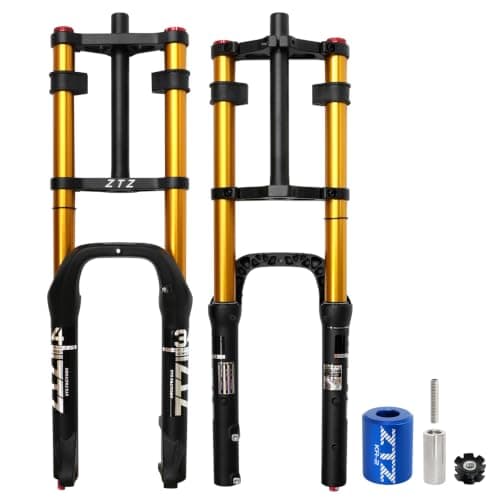
Who this is for: Best for mountain bikers who need a compatible fork that matches their wheel size, travel needs, and terrain without overspending.
How to Choose the Best Suspension Fork for Mountain Biking in 2026: Complete Buying Guide
If you’re trying to figure out how to choose a suspension fork for mountain biking, the biggest challenge is matching the fork to your bike, your terrain, and your riding style without wasting money on the wrong specs. A fork that looks “better” on paper can ride poorly if the wheel size, travel, axle type, or brake mount doesn’t fit your setup. The most common mistake buyers make is choosing by price or travel alone, then discovering the fork is incompatible or badly matched to their frame and riding needs.
Related Reviews
This guide breaks down the features that actually matter, the red flags to avoid, and a few researched product picks that make sense for different bike types and budgets. Note: this is a research-based buying guide built from published specs, documented owner feedback, and product comparisons — not hands-on testing.
Key Features to Look For
1) Wheel size and compatibility
The first filter is simple: the fork must match your wheel size, whether that’s 20-inch, 24-inch, 26-inch, or 27.5-inch. A mismatch here can make the bike unsafe or unusable, so this is the non-negotiable starting point. If you ride a fat bike or folding bike, pay even closer attention because those platforms often use more specialized fork standards.
2) Travel amount
Travel is how much the fork compresses, and it strongly affects comfort, control, and geometry. More travel can smooth rough terrain, but too much travel for your frame can slacken the bike and change handling in ways you may not want. For cross-country or casual trail use, moderate travel is usually more practical than maximum travel.
3) Axle and hub spacing
Forks are built around specific hub spacing and axle styles such as 9x100mm, 9x135mm, or thru-axle formats. This matters because your front wheel must physically fit the fork. If you get this wrong, you may need a new wheel or adapter, which can erase any savings from buying a cheaper fork.
4) Brake compatibility
Most mountain bike suspension forks in this category are designed for disc brakes, but rotor size and mount style still matter. Some forks work best with smaller rotors unless you add an adapter. Checking brake compatibility upfront prevents frustrating installation surprises and helps ensure safe stopping power.
5) Steerer tube type and length
Many budget and midrange forks use a straight 1-1/8 inch steerer tube, but your frame may require a different setup. You also need enough steerer length for your headset stack and stem. This is one of the easiest specs to overlook, and it can make an otherwise good fork impossible to install.
6) Adjustability and lockout
Air pressure adjustment, rebound tuning, and lockout features help you tailor the fork to your weight and trail conditions. A lockout can be useful for climbing or paved sections, while adjustable air pressure lets you fine-tune ride feel. Riders who want one fork to handle mixed terrain usually benefit from more adjustability.
7) Material and weight
Fork material affects stiffness, durability, and overall bike weight. Aluminum and magnesium alloy constructions are common in value-oriented forks because they balance cost and performance. A lighter fork can improve handling and climbing, but only if the rest of the build is compatible and strong enough for your use.
What to Avoid
Buying by travel alone
More travel is not automatically better. If the fork travel is too long for your frame, the bike can feel sluggish, the front end can sit too high, and steering may become less predictable. Always balance travel against your bike’s intended geometry.
Ignoring hub spacing and axle type
This is one of the most expensive mistakes because it can force you to replace the front wheel. A fork might look like a bargain until you discover your wheel does not fit the dropout spacing or axle format. Confirm the exact measurements before buying.
Assuming all disc brake mounts are the same
Even if the fork is “disc brake compatible,” rotor size and adapter needs can still vary. If your current brake setup uses a larger rotor, make sure the fork can support it or budget for the proper adapter. Never assume compatibility from photos alone.
Overlooking tire clearance
Some forks are built for narrow tires, while others are designed for fat tires or wider trail rubber. If your tire is too wide, it may rub the fork legs or crown. Check maximum tire width before ordering, especially on 20-inch, 24-inch, and fat-bike models.
Choosing the cheapest option without checking ride style
Budget forks can work well, but only if they match your use case. A fork intended for a kids’ bike or folding bike may not be ideal for aggressive trail riding, and a fat-bike fork is overkill for a standard hardtail. Match the fork to the terrain you actually ride.
Our Top Picks
Best for fat bikes and snow/beach riding: 26 Inch 4.0 Fat Tire Bike Air Suspension Fork - 180mm Travel, 135mm Hub Spacing, Rebound Adjust Straight Tube MTB Manual Lockout QR 9mm, Double Shoulder Bicycle Front Forks for Fat Snow Beach E-Bike 4.0★ (Prime)
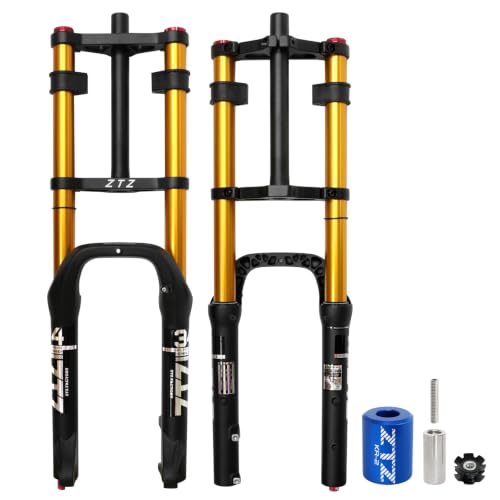

This is the most specialized option in the list, and it makes sense if you ride a 26-inch fat bike with 4.0 tires on snow, sand, or rough mixed surfaces. The 180mm travel and 135mm hub spacing give it a very specific use case, while the air design and rebound adjustment are appealing for riders who want a more tunable front end. It’s best for buyers who already know they need a fat-bike fork, not for general trail hardtails.
- ✓ Built for 26 x 4.0 fat tires and 135mm hub spacing
- ✓ 180mm travel for rough, high-impact terrain
- ✓ Air suspension with rebound adjustment and manual lockout
- ✓ Lightweight alloy construction compared with many oil-spring forks
- ✗ Very specific fit requirements limit broad compatibility
- ✗ Likely overkill for standard trail or commuter bikes
- ✗ Requires careful measurement before ordering
Best budget pick for 20-inch bikes: ZTZ 20" Bike Suspension Fork,QR 9x100mm,Max 2.5" Tire 4.0★ (Prime)
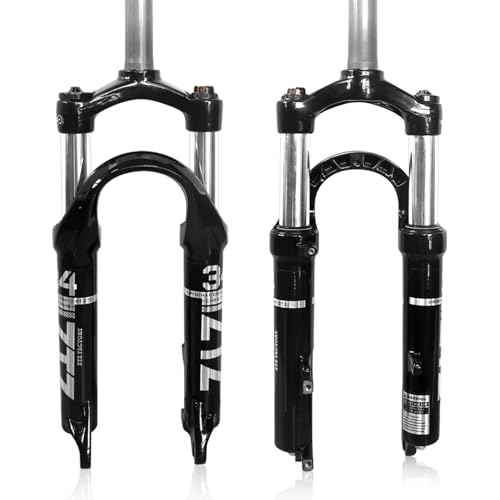

If you need a lower-cost fork for a 20-inch folding bike, kids’ bike, or compact commuter-style MTB setup, this one is a practical choice. It offers 80mm travel, 9x100mm spacing, disc brake compatibility, and a lockout switch, which covers the basics without pushing the price too high. It’s a straightforward option for riders who want comfort and control rather than aggressive trail performance.
- ✓ Affordable entry point for 20-inch builds
- ✓ 80mm travel is suitable for light off-road use
- ✓ Crown lockout adds versatility on smoother rides
- ✓ Disc brake specific with a durable aluminum-alloy build
- ✗ Limited to 20-inch bikes and narrow compatibility
- ✗ Not designed for serious enduro or aggressive trail riding
- ✗ 2.5-inch max tire width may be restrictive for some builds
Best lightweight value option for 27.5-inch MTB riders: SOFRON Air Suspension Bike Fork, Lightweight MTB Fork, 27.5 in 4.0★ (Prime)
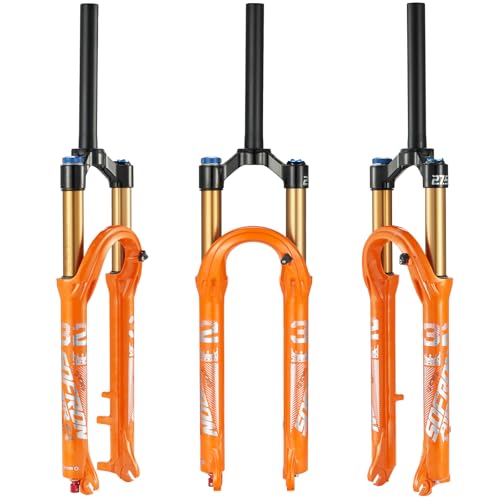

This is a strong middle-ground option for riders who want an air fork on a standard 27.5-inch MTB without jumping into a much higher price bracket. The adjustable air pressure and progressive travel are the most important selling points, especially if you want a fork that can feel supportive on climbs and more forgiving on rough descents. It’s best for riders looking for a balanced mix of weight, comfort, and simplicity.
- ✓ Adjustable air pressure for rider weight and terrain
- ✓ Lightweight design helps keep the bike responsive
- ✓ Progressive travel improves comfort on rough trails
- ✓ Good fit for many 27.5-inch mountain bike builds
- ✗ Compatibility still needs to be checked carefully
- ✗ Less specialized than premium trail/enduro forks
- ✗ Not the best fit if you need a fat-bike or small-wheel solution
Best for small-wheel bikes with more adjustability: BOLANY 20/24inch Bike Suspension Air Fork 28.6mm(1-1/8inch)*220mm Thread-Less Straight Steerer 9mm Disc Brake Version MTB Front Fork 100/135mm Travel 4.0★ (Prime)
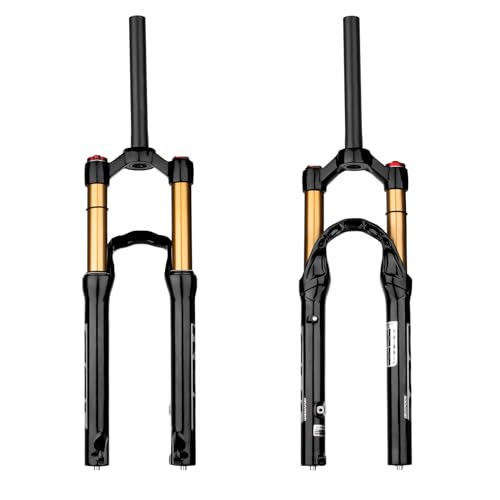

This fork stands out if you want a more feature-rich small-wheel option with air adjustability, lockout, and broad compatibility claims across 20-inch and 24-inch setups. The 32mm stanchions and reverse arch design suggest a focus on stiffness and control, while the included hardware and setup notes may appeal to DIY-minded buyers. It’s a good fit for riders who want more tuning than the cheapest forks usually offer.
- ✓ Air fork with manual valve lock for tuning
- ✓ Works across 20-inch and 24-inch platforms
- ✓ 32mm stanchions for added stiffness
- ✓ Includes useful installation-related accessories
- ✗ Compatibility is still very specific and must be verified
- ✗ Rotor size and adapter requirements may add cost
- ✗ Better for compact bikes than full-size trail rigs
Budget Guide: What You Get at Each Price Point
Under $100
At this level, you’re usually looking at basic air or spring suspension with limited refinement. The upside is affordability, especially for folding bikes, kids’ bikes, and light recreational use. The tradeoff is narrower compatibility, fewer tuning options, and less confidence for aggressive trail riding.
$100 to $130
This is the sweet spot for many buyers who want a more usable fork without overspending. You’ll often find air suspension, lockout features, and better materials in this range. For casual mountain biking, light trail use, and upgrade projects, this bracket often delivers the best balance of cost and performance.
$130 to $180
In this range, you start seeing more specialized forks, more robust construction, and better adjustability. Fat-bike forks and higher-travel models tend to live here because they need stronger architecture and more specific fitment. If your bike demands unusual spacing or larger travel, this is where you’re more likely to find the right match.
Above $180
For the products in this guide, the upper end mainly reflects specialization rather than premium brand cachet. You’re paying for niche compatibility, longer travel, or a more complex build. That can be worth it if the fork is exactly what your bike requires, but not if you only need a simple comfort upgrade.
Frequently Asked Questions
What is the most important spec when choosing a suspension fork for mountain biking?
The most important spec is compatibility: wheel size, hub spacing, steerer tube type, and brake mount all need to match your bike. Travel matters too, but a fork that doesn’t fit your frame or wheel is the wrong fork no matter how good the specs look.
How much suspension fork travel do I need for trail riding?
For general trail riding, moderate travel is usually the safest choice because it preserves handling while still adding comfort. Too much travel can change your bike’s geometry and make climbing or steering feel less precise. The right amount depends on your frame and riding style.
Should I choose an air fork or a coil/spring fork?
Air forks are usually better if you want adjustability and a lighter setup. Spring forks can be simpler and sometimes cheaper, but they may offer less tuning flexibility. For most buyers learning how to choose a suspension fork for mountain biking, air is often the more versatile option.
Can I put a suspension fork on any mountain bike?
No. You need to match wheel size, axle spacing, steerer tube dimensions, brake compatibility, and travel limits. Some frames are not designed for certain fork lengths or suspension types, so checking your bike’s specs before buying is essential.
Do I need a lockout on my suspension fork?
Not always, but it can be useful. Lockout helps reduce bobbing on climbs or smoother surfaces, which can make pedaling more efficient. If you ride mixed terrain, a lockout is a convenient feature; if you only ride rough trails, it’s less critical.
Pros
- + Explains the key fork specs buyers must match
- + Covers common compatibility mistakes and red flags
- + Includes researched product picks for different bike types
- + Breaks down value by budget range
- + Answers real buyer questions about fork selection
Cons
- – Not based on hands-on testing
- – Highly specialized forks may still require careful fit checks
- – Budget options may not suit aggressive trail riders
Frequently asked questions
- What is the most important spec when choosing a suspension fork for mountain biking?
- The most important spec is compatibility: wheel size, hub spacing, steerer tube type, and brake mount all need to match your bike. Travel matters too, but a fork that doesn’t fit your frame or wheel is the wrong fork no matter how good the specs look.
- How much suspension fork travel do I need for trail riding?
- For general trail riding, moderate travel is usually the safest choice because it preserves handling while still adding comfort. Too much travel can change your bike’s geometry and make climbing or steering feel less precise. The right amount depends on your frame and riding style.
- Should I choose an air fork or a coil/spring fork?
- Air forks are usually better if you want adjustability and a lighter setup. Spring forks can be simpler and sometimes cheaper, but they may offer less tuning flexibility. For most buyers learning how to choose a suspension fork for mountain biking, air is often the more versatile option.
- Can I put a suspension fork on any mountain bike?
- No. You need to match wheel size, axle spacing, steerer tube dimensions, brake compatibility, and travel limits. Some frames are not designed for certain fork lengths or suspension types, so checking your bike’s specs before buying is essential.
- Do I need a lockout on my suspension fork?
- Not always, but it can be useful. Lockout helps reduce bobbing on climbs or smoother surfaces, which can make pedaling more efficient. If you ride mixed terrain, a lockout is a convenient feature; if you only ride rough trails, it’s less critical.
Get the Full Outdoor Buyer's Guide
Join our free newsletter — we'll send our latest Outdoor picks, specs and verdicts straight to your inbox.
Free. No spam. Unsubscribe anytime.
Was this review helpful?
Be the first to share your feedback on this review.
Sign in to vote and let us know what you think.
Discussion (0)
No comments yet. Be the first to start the discussion.
Related Reviews
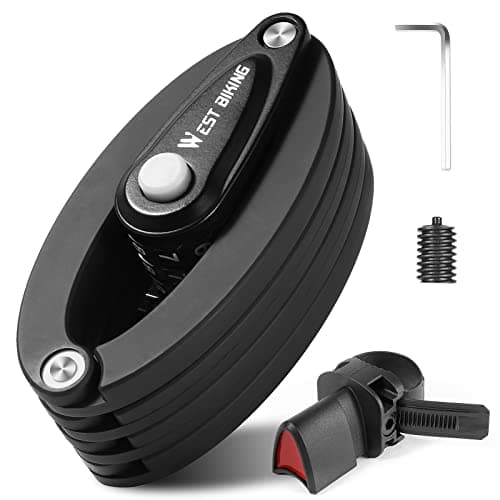
What is How to Lock a Bike Properly? A Complete 2026 Guide
If you’ve ever worried about leaving your bike outside for even a few minutes, you’re asking the right question: how to lock a bike properly. A good lock only works if it’s used the right way, and poor locking habits can make even a “strong” lock easy to defeat. This guide explains the basics of bik
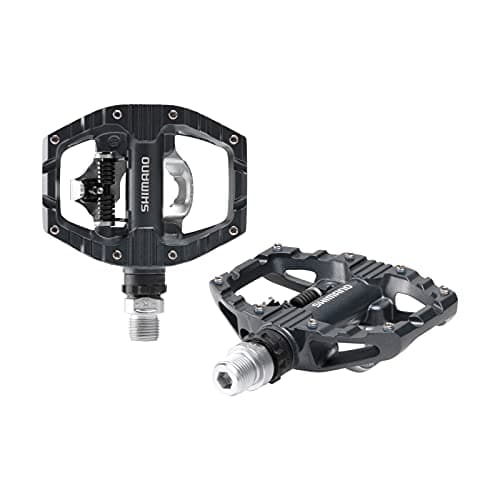
What is Clipless vs Flat Pedals? A Complete 2026 Guide
If you’re trying to understand clipless vs flat pedals , the confusion usually starts with the name: “clipless” pedals still use cleats, while flat pedals rely on shoe grip alone. The right choice affects power transfer, confidence, comfort, and how easy it is to start and stop on the bike. This gui
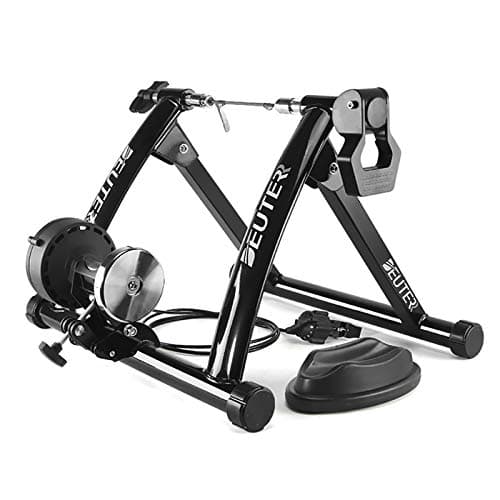
What is How to Set Up an Indoor Bike Trainer? A Complete 2026 Guide
If you’re trying to figure out how to set up an indoor bike trainer , the hardest part is usually not the workout itself—it’s choosing the right setup, fitting your bike correctly, and avoiding noise or stability problems. This guide explains what an indoor bike trainer is, how it works, what to loo