

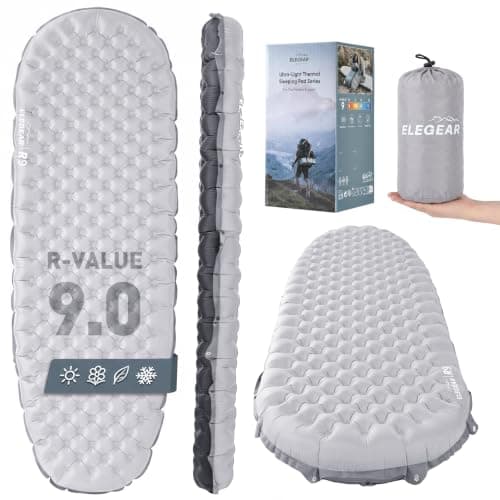
Who this is for: Best for campers and backpackers who need to understand sleeping pad warmth and choose the right insulation for their season.
Check PriceWhat is R-value Sleeping Pad Explained? A Complete 2026 Guide
If you’ve ever woken up cold on a camping trip and wondered why your “warm” sleeping bag didn’t help, the missing piece is often the pad underneath you. In this R-value sleeping pad explained guide, you’ll learn what R-value means, how it affects warmth, and how to choose the right pad for your trips. You’ll also see a few research-based product recommendations for different budgets and camping styles.
Related Reviews
R-value is a measure of how well a sleeping pad resists heat loss between your body and the cold ground. The higher the R-value, the better the insulation, which usually means warmer sleep in colder conditions. For most campers, understanding R-value is the fastest way to avoid buying a pad that feels great in the store but turns chilly outdoors.
How It Works
When you sleep outdoors, your body naturally loses heat in all directions, but the ground is one of the biggest heat drains. A sleeping pad works like a thermal barrier, slowing the transfer of heat from your body into the earth beneath you.
R-value is the number that tells you how strong that barrier is. A low R-value pad lets more heat pass through, while a high R-value pad slows heat transfer more effectively. That’s why a pad with a higher rating usually feels warmer even if it looks or feels similar to a lower-rated one.
The technology behind R-value varies by pad type. Air pads often use internal baffles, reflective layers, or insulated chambers to trap warmth, while foam pads rely on the insulating properties of the foam itself. Self-inflating pads combine open-cell foam and air, which can improve comfort and insulation at the same time.
It’s also important to know that R-value is not the same as thickness. A thick pad can still be cold if it lacks insulation, while a thinner pad with good reflective or foam insulation may perform much better in cold weather. In other words, warmth depends on what’s inside the pad, not just how plush it feels.
Key Benefits & Use Cases
1. Better warmth in cold weather
The biggest advantage of a higher R-value pad is reduced heat loss to the ground. That matters most on cold nights, shoulder-season trips, and winter camping where frozen soil, snow, or cold rock can pull heat away quickly.
2. More consistent sleep comfort
Even in mild weather, a pad with better insulation can help you feel more stable and comfortable through the night. If the ground temperature drops sharply after sunset, the pad helps buffer that swing.
3. More versatility across seasons
Campers who want one pad for multiple seasons often choose a mid- to high-R-value model so they don’t need to replace gear every time the weather changes. That can be especially useful for backpackers, car campers, and travelers who camp in different climates.
4. Better performance for side sleepers and restless sleepers
While R-value is about insulation, many higher-performing pads also come with better construction, which can improve overall sleep quality. If you move around a lot at night, a warmer and more stable pad can reduce the chance of waking up cold.
5. Useful in many camping scenarios
R-value matters for backpacking, tent camping, alpine trips, desert nights with cold ground, and even RV or emergency use. The colder the surface under you, the more valuable insulation becomes.
What to Look For When Buying
1. Match the R-value to your expected temperatures
For summer-only camping, a lower R-value may be enough. For three-season use, many buyers look in the middle range. For winter or snow camping, a high R-value is usually the safer choice.
2. Consider pad type: air, foam, or self-inflating
Air pads are often lighter and pack smaller. Foam pads can be simple and reliable. Self-inflating pads try to balance comfort, insulation, and convenience. The right choice depends on whether you value pack size, warmth, or ease of use most.
3. Check thickness and support structure
Thickness affects comfort, but the internal design matters just as much. Baffles, foam density, and chamber layout all influence whether the pad feels stable or bottoms out on rough ground.
4. Look at weight and packed size
Backpackers usually care a lot about weight and compressibility, while car campers may prioritize comfort over size. A warmer pad is not always the best if it is too bulky for your pack or trip style.
5. Review durability and repairability
Materials like nylon, TPU coatings, and reinforced seams can improve long-term reliability. If you camp often, it’s smart to look for pads with repair kits, puncture resistance, and strong owner feedback on durability.
Top Recommended Products
Below are research-based recommendations drawn from published specs, product details, and owner feedback patterns. These are not hands-on test results, but they can help you narrow down the right pad for your needs.
Elegear 4” Thick Sleeping Pad for Camping with 9 R-Value Insulated, Single ✓ Prime 15% OFF — Was $79.99
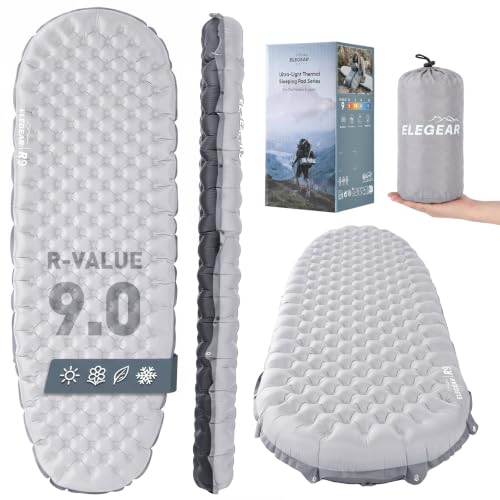


This is the most insulation-heavy option in the list, with a certified 9 R-value and a 4-inch profile. It stands out for cold-weather campers who want maximum ground insulation and a more cushioned sleep surface.
Price: $67.99 ✓ Prime
- ✓ 9 R-value certified with ASTM F3340-22 testing
- ✓ 4-inch thickness for strong cushioning and less bottoming out
- ✓ 2.2 lb weight and compact pack size for backpacking
- ✓ 20D tear-resistant nylon with reinforced TPU layer
- ✓ Pump sack included for fast inflation
- ✗ Higher insulation may be more than needed for warm-weather-only camping
- ✗ Mummy shape may feel restrictive for campers who prefer a wider rectangular pad
Gear Doctors® ApolloAir 5.2 R-Value ✓ Prime 15% OFF — Was $84.99
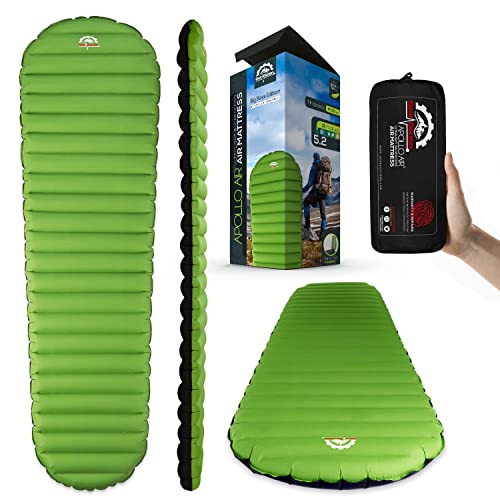


This pad is a strong middle-ground choice for backpackers who want a lighter, compact insulated pad without dropping into low-warmth territory. The 5.2 R-value makes it suitable for broader three-season use and some colder conditions.
Price: $72.66 ✓ Prime
- ✓ 5.2 R-value for solid three-season insulation
- ✓ Ultralight 17 oz design for backpacking
- ✓ Packs down small and includes a pump sack
- ✓ 40D nylon fabric with water-resistant coating
- ✓ Includes repair kits for field fixes
- ✗ Not as warm as the highest-R-value option for deep winter use
- ✗ Narrower shape may not suit sleepers who want extra room
TEKIK Self Inflating Memory Foam Sleeping Pad with Pillow for Camping ✓ Prime 32% OFF — Was $69.97
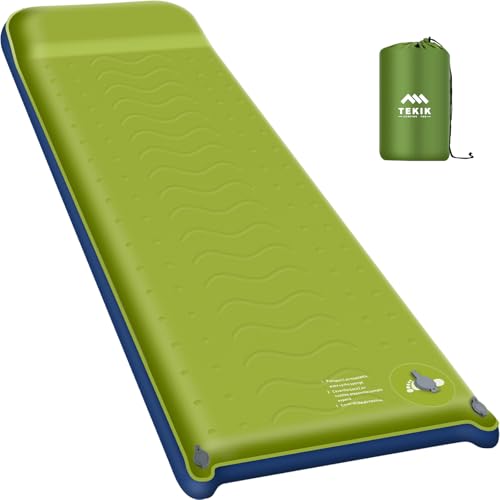


If you care more about comfort and easy setup than shaving every ounce, this self-inflating foam pad is appealing. It is especially relevant for campers who want a softer sleep surface and less hassle than a fully manual air pad.
Price: $47.46 ✓ Prime
- ✓ 50D high-density memory foam for pressure relief
- ✓ Self-inflating design with no mouth blowing required
- ✓ Large 77" x 27" sleeping surface
- ✓ Quiet, skin-friendly fabric with waterproof TPU coating
- ✓ Strong value price compared with many insulated pads
- ✗ Heavier and bulkier than ultralight backpacking pads
- ✗ Not as compact as the best air pads for minimalist hikers
Hikenture Sleeping Pad R-Value 6.2 Insulated Camping Mattress for Cold Weather with Pump Sack(1201-A1) ✓ Prime 13% OFF — Was $79.99
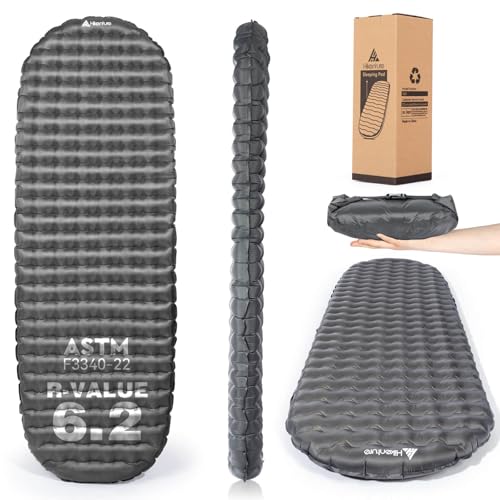


This pad is a practical choice for campers who want a clearly cold-weather-oriented R-value without going all the way to the most extreme insulation. The 6.2 rating, light weight, and pump sack make it attractive for hikers who still want warmth.
Price: $69.99 ✓ Prime
- ✓ 6.2 R-value with ASTM F3340-22 testing
- ✓ 3.2-inch thickness with airbag structure for support
- ✓ Very light at 1.53 lb
- ✓ Pump sack included for quick inflation
- ✓ Repair patches included
- ✗ Less cushion than the thickest pad in the list
- ✗ May be overkill for hot-weather-only campers
Common Mistakes to Avoid
Assuming thickness equals warmth
A thick pad can still feel cold if it lacks insulation. Always check the R-value instead of judging warmth by cushion alone.
Buying for comfort only and ignoring temperature
It’s easy to focus on plushness, but if you camp in cold conditions, insulation matters more than softness. A comfortable pad that is under-rated for the weather can leave you chilled all night.
Using one pad for every season without checking the rating
Some pads are great for summer but not enough for shoulder season or winter. If you camp year-round, choose a pad that matches your coldest expected trips.
Overlooking weight and packed size
Backpackers often regret buying a pad that is too bulky or heavy. If you hike to camp, balance warmth with portability.
Ignoring real-world owner feedback
Specs matter, but reviews often reveal issues like noisy fabric, valve problems, or durability concerns. Reading patterns in owner feedback can help you avoid surprises.
Frequently Asked Questions
What does R-value mean on a sleeping pad?
R-value measures how well a sleeping pad resists heat loss. The higher the number, the better the insulation against cold ground.
What R-value sleeping pad do I need for winter camping?
For winter camping, many people look for a high R-value pad, often around 5 or above, depending on conditions. If you camp on snow or in very cold temperatures, a higher rating is usually safer.
Is a higher R-value sleeping pad always better?
Not always. Higher R-value usually means more warmth, but it can also mean more weight, bulk, or cost. The best choice depends on your season, trip style, and comfort needs.
Can I use a low R-value pad in cold weather?
You can, but you may feel cold because the ground will draw more heat from your body. In cold conditions, a pad with a higher R-value is usually the better choice.
What is the best R-value sleeping pad for backpacking?
The best choice depends on the season, but many backpackers want a pad that balances warmth, weight, and pack size. A mid-to-high R-value ultralight pad is often the sweet spot for three-season use.
Pros
- + Explains how R-value affects warmth
- + Covers key buying criteria
- + Includes research-based product picks
- + Helps match pad type to season
Cons
- – Not a hands-on test review
- – Warmth needs vary by sleeper and conditions
- – Higher-R-value pads can cost more
Frequently asked questions
- What does R-value mean on a sleeping pad?
- R-value measures how well a sleeping pad resists heat loss. The higher the number, the better the insulation against cold ground.
- What R-value sleeping pad do I need for winter camping?
- For winter camping, many people look for a high R-value pad, often around 5 or above, depending on conditions. If you camp on snow or in very cold temperatures, a higher rating is usually safer.
- Is a higher R-value sleeping pad always better?
- Not always. Higher R-value usually means more warmth, but it can also mean more weight, bulk, or cost. The best choice depends on your season, trip style, and comfort needs.
- Can I use a low R-value pad in cold weather?
- You can, but you may feel cold because the ground will draw more heat from your body. In cold conditions, a pad with a higher R-value is usually the better choice.
- What is the best R-value sleeping pad for backpacking?
- The best choice depends on the season, but many backpackers want a pad that balances warmth, weight, and pack size. A mid-to-high R-value ultralight pad is often the sweet spot for three-season use.
Get the Full Outdoor Buyer's Guide
Join our free newsletter — we'll send our latest Outdoor picks, specs and verdicts straight to your inbox.
Free. No spam. Unsubscribe anytime.
Was this review helpful?
Be the first to share your feedback on this review.
Sign in to vote and let us know what you think.
Discussion (0)
No comments yet. Be the first to start the discussion.
Related Reviews
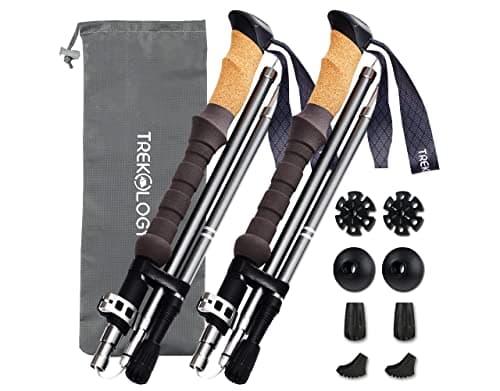
How to Choose the Best Trekking Poles in 2026: Complete Buying Guide
If you’re figuring out how to choose trekking poles , the biggest challenge is separating marketing hype from the features that actually improve balance, reduce fatigue, and hold up on real trails. The wrong pair can feel too heavy, slip under load, or be annoying to pack and adjust when conditions
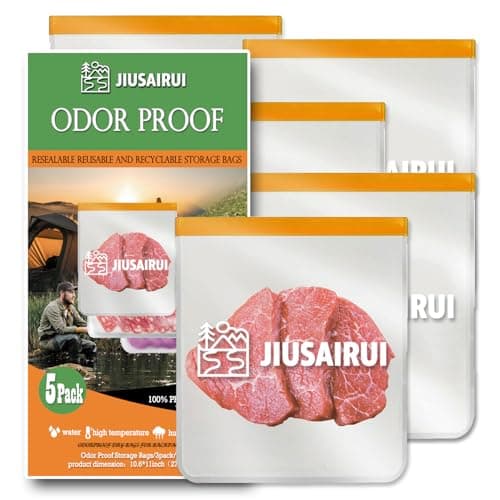
4 Best Bear Canisters and Food Storage in 2026 — Safer, Lighter Backcountry Food Protection
If you’re trying to choose the best bear canisters and food storage, the hard part is usually balancing safety, weight, and packability without overspending. This guide narrows the field to four researched picks that cover certified hard-sided storage and odor-proof alternatives for different trip s
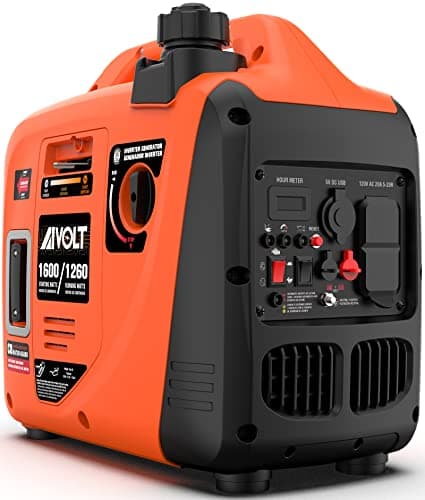
7 Best Camping Generators Quiet in 2026 — Ultra-Low Noise Picks for Campgrounds and RV Trips
If you’re searching for the best camping generators quiet , you probably want power without the roar that ruins a peaceful campsite. The challenge is finding a generator that stays quiet, runs sensitive electronics safely, and still has enough output for lights, phones, a cooler, or a small RV setup