

What is How to Start Backpacking? A Complete 2026 Guide
If you’re wondering how to start backpacking, the biggest challenge is usually not motivation—it’s knowing what to pack, how to plan, and how to avoid rookie mistakes. Backpacking can feel overwhelming at first because there are so many gear choices, safety basics, and trail decisions to make before you ever leave home. This guide breaks the process into simple, beginner-friendly steps so you can start with confidence and spend less time guessing.
Related Reviews
How It Works
Backpacking is a self-supported way of hiking where you carry everything you need—food, water, shelter, clothing, and safety essentials—in a pack and travel on foot over multiple miles or days. Unlike day hiking, backpacking requires you to think in systems: your pack, sleep setup, food plan, navigation, and weather protection all need to work together. The goal is to balance comfort, safety, and weight so you can move efficiently while still having the gear you need to camp overnight.
For beginners, the “mechanism” of backpacking is really a planning process. You choose a short route, check the weather, pack only the essentials, and learn how your gear performs before taking on longer or more remote trips. Over time, you refine your setup by removing unnecessary items, improving fit, and learning how much food, water, and rest you personally need on the trail.
Key Benefits & Use Cases
Backpacking is popular because it combines outdoor exercise, travel, and self-reliance in one activity. It can be a low-cost way to experience nature, especially if you already own basic hiking gear or start with short trips close to home. It also builds practical skills like route planning, problem-solving, and packing efficiently.
- Weekend adventure: Great for beginners who want to try an overnight trip without committing to a long expedition.
- Fitness and endurance: Useful for people who want a challenging outdoor workout with a real destination.
- Travel on a budget: Backpacking can be cheaper than hotels or guided travel once you have the essentials.
- Skill-building: Helps you learn navigation, camp setup, food planning, and weather awareness.
- Stress relief: A strong option for anyone who wants time away from screens and city noise.
What to Look For When Buying
If you’re shopping for beginner backpacking resources or gear, focus on the basics that reduce confusion and make your first trips smoother. The right choices should help you stay safe, carry less weight, and avoid wasting money on overly advanced equipment.
1. Beginner-friendly guidance
Look for clear explanations, step-by-step advice, and practical checklists rather than jargon-heavy content. For gear, beginner-friendly products should be easy to understand and use without a steep learning curve.
2. Weight and packability
Backpacking gets much easier when your load is manageable. Choose gear that is lightweight and compact enough for overnight or weekend trips, especially if you are still building endurance.
3. Weather protection
Your first trips should prioritize reliable protection from rain, wind, cold, and sudden temperature changes. Even simple trips can become uncomfortable quickly if your clothing or shelter is not suited to the forecast.
4. Comfort and fit
A pack, shoes, sleeping system, and clothing layers should fit your body and the conditions you expect to face. Comfort matters because small fit issues become much bigger after several miles on the trail.
5. Safety and navigation basics
Choose gear and learning resources that cover route planning, map reading, water safety, and emergency readiness. Beginners should always have a plan for getting lost, getting cold, or turning back early if needed.
Top Recommended Products
For readers learning how to start backpacking, the best single resource in this list is a beginner-focused guidebook that explains the fundamentals without assuming prior experience. It can help you avoid common mistakes before you invest heavily in gear.
How to Suffer Outside: A Beginner’s Guide to Hiking and Backpacking (reviews not listed)
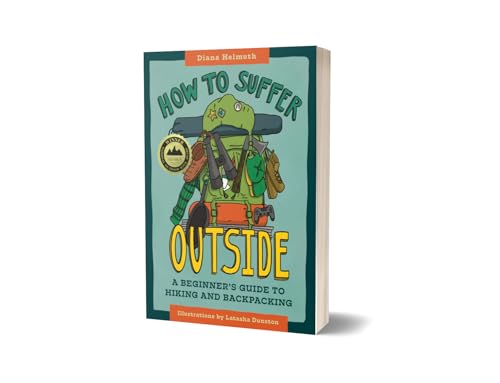

This beginner guide is a strong fit if you want a practical introduction to hiking and backpacking before your first trip. Based on the title, pricing, and category fit, it appears designed to help new hikers learn the essentials in a straightforward way.
- ✓ Beginner-focused topic makes it relevant for first-time backpackers
- ✓ Eligibility can make the experience faster for Amazon shoppers
- ✓ Discounted price makes it an affordable entry point
- ✓ Useful as a planning companion before buying gear
- ✓ Likely helpful for understanding common mistakes and trail basics
Common Mistakes to Avoid
Most backpacking problems for beginners come from overpacking, poor planning, or choosing trips that are too ambitious. Avoiding these mistakes makes your first outings safer and much more enjoyable.
- Starting with a hard trail: Pick a short, well-marked route for your first trip.
- Overpacking: Bringing too much gear makes hiking harder and slower.
- Ignoring weather: Conditions can change quickly, especially in mountains and shoulder seasons.
- Skipping practice: Test your tent, stove, and pack at home before heading out.
- Not planning food and water: Always know where your next reliable water source is and bring extra snacks.
Frequently Asked Questions
What is the easiest way to start backpacking?
The easiest way is to choose a short overnight route close to home, borrow or rent basic gear if possible, and keep your first trip simple. Focus on learning the essentials rather than trying to be fully self-sufficient on day one.
How much gear do I need to start backpacking?
You only need the basics: a pack, shelter, sleep system, clothing layers, food, water treatment, navigation, and a small first-aid kit. The exact gear depends on weather, distance, and how many nights you’ll be out.
Do I need expensive gear to begin backpacking?
No. Beginners can start with budget-friendly or borrowed gear as long as it is safe, functional, and appropriate for the conditions. It’s usually smarter to start simple and upgrade later based on real experience.
How long should a first backpacking trip be?
For most beginners, one night is ideal. A short trip gives you enough time to practice packing, hiking with weight, setting up camp, and sleeping outside without making the experience overwhelming.
What should I learn before my first backpacking trip?
Learn basic navigation, weather checking, water planning, campsite selection, and how to pack your backpack efficiently. A beginner guide like How to Suffer Outside: A Beginner’s Guide to Hiking and Backpacking can help you understand these fundamentals before you go.
Get the Full Outdoor Buyer's Guide
Join our free newsletter — we'll send our latest Outdoor picks, specs and verdicts straight to your inbox.
Free. No spam. Unsubscribe anytime.
Was this review helpful?
Be the first to share your feedback on this review.
Sign in to vote and let us know what you think.
Discussion (0)
No comments yet. Be the first to start the discussion.
Related Reviews
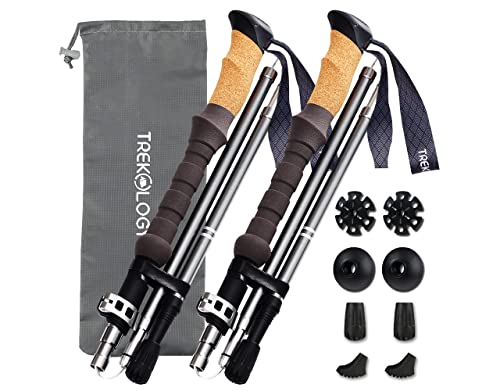
How to Choose the Best Trekking Poles in 2026: Complete Buying Guide
If you’re figuring out how to choose trekking poles , the biggest challenge is separating marketing hype from the features that actually improve balance, reduce fatigue, and hold up on real trails. The wrong pair can feel too heavy, slip under load, or be annoying to pack and adjust when conditions

4 Best Bear Canisters and Food Storage in 2026 — Safer, Lighter Backcountry Food Protection
If you’re trying to choose the best bear canisters and food storage, the hard part is usually balancing safety, weight, and packability without overspending. This guide narrows the field to four researched picks that cover certified hard-sided storage and odor-proof alternatives for different trip s
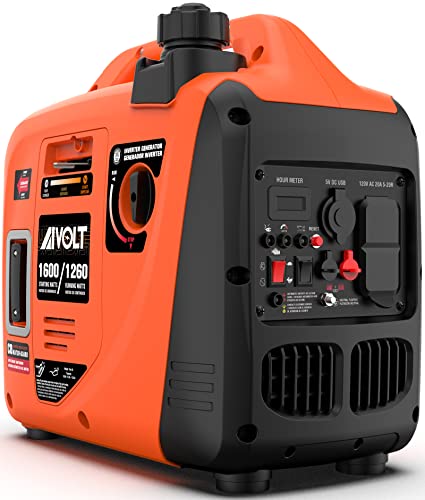
7 Best Camping Generators Quiet in 2026 — Ultra-Low Noise Picks for Campgrounds and RV Trips
If you’re searching for the best camping generators quiet , you probably want power without the roar that ruins a peaceful campsite. The challenge is finding a generator that stays quiet, runs sensitive electronics safely, and still has enough output for lights, phones, a cooler, or a small RV setup