

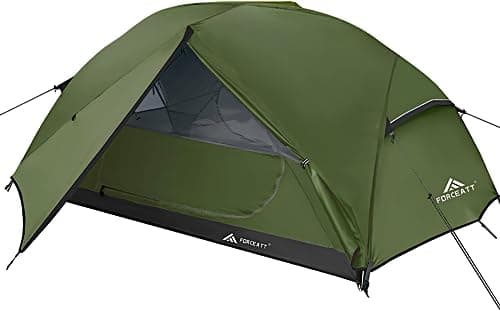
Who this is for: Best for campers choosing between mild-weather comfort and harsher-weather protection.
Check PriceWhat is 3 season vs 4 season tent? A Complete 2026 Guide
If you’re trying to choose between a 3 season vs 4 season tent, the biggest challenge is knowing whether you really need extra weather protection or just a lighter, better-ventilated shelter. Pick the wrong one and you could end up with a tent that feels too hot in summer, too heavy on the trail, or not protective enough when the weather turns. This guide breaks down the difference in plain English and shows which tents make the most sense for common camping needs.
Related Reviews
How It Works
The difference between a 3 season vs 4 season tent comes down to how the tent is built to handle weather, airflow, and weight. A 3-season tent is designed for spring, summer, and fall conditions, where the main goals are keeping rain out, letting heat escape, and staying light enough for backpacking or casual camping. A 4-season tent is built more like a storm shelter, with stronger poles, more coverage, and less mesh so it can better resist wind, snow load, and colder conditions.
In simple terms, 3-season tents prioritize ventilation and portability, while 4-season tents prioritize strength and weather protection. That usually means a 3-season tent has more mesh panels, lighter materials, and a rainfly that covers the body without sealing it completely. A 4-season tent typically uses a sturdier pole structure, lower-profile shape, and more solid fabric to reduce exposure to wind and snow.
For most buyers, the right choice depends on where and when you camp. If you mostly camp in mild weather, a 3-season tent is usually the better value. If you expect harsh mountain conditions, winter storms, or heavy snow, a true 4-season design becomes more relevant.
Key Benefits & Use Cases
Why choose a 3-season tent
A 3-season tent is the most versatile option for most campers. It usually offers the best balance of weight, airflow, and price for warm-weather trips, family camping, and weekend backpacking.
- Better ventilation for warm nights and humid weather
- Lighter weight for hiking and backpacking
- Usually more affordable than winter-ready tents
- Great for rain, breeze, and normal camping conditions
Why choose a 4-season tent
A 4-season tent is built for more demanding environments. It is the better choice when wind, snow, and cold are the main concerns, especially above treeline or during winter camping.
- Stronger frame for wind and snow load
- More coverage and less exposed mesh
- Better warmth retention in cold weather
- More confidence in severe conditions
Common use cases
Most people shopping for a 3 season vs 4 season tent are really deciding between “regular camping” and “serious weather camping.” A 3-season tent works well for car camping, family trips, music festivals, and backpacking in fair weather. A 4-season tent makes more sense for alpine trips, snow camping, mountaineering, and shoulder-season outings where storms are more likely.
What to Look For When Buying
1. Season rating
Start with the manufacturer’s season rating, but read it carefully. Some products say “3 to 4 seasons,” which can mean they are more weather-resistant than a basic summer tent but still not a true winter mountaineering shelter.
2. Pole strength and structure
Poles are a major clue to tent durability. Strong aluminum poles and a low-profile shape generally help a tent handle wind better than a tall, airy design.
3. Ventilation
Mesh panels, ceiling vents, and airflow ports matter because condensation can be a problem in any tent. A good 3-season tent usually needs excellent ventilation, while a 4-season tent needs a smarter balance between warmth and moisture control.
4. Waterproofing and rainfly coverage
Look for waterproof fabric, sealed seams, and a rainfly that protects the body of the tent well. If you camp in wet conditions, the floor design and bathtub-style base matter just as much as the roof.
5. Weight and packed size
If you carry your tent far from the car, weight matters a lot. Backpackers usually want the lightest shelter that still meets their weather needs, while car campers can prioritize comfort and space over ounces.
Top Recommended Products
Below are the products from the list that fit the 3 season vs 4 season tent conversation best. These are research-based recommendations built from published specs, feature lists, and owner feedback patterns, not hands-on testing.
1. Forceatt Tent for 2 Person is Waterproof and Windproof, Camping Tent for 3 to 4 Seasons,Lightweight Aluminum Pole Backpacking Tent Can be Set Up Quickly,Great for Hiking… $57.56 ✓ Prime 24% OFF — Was $75.99
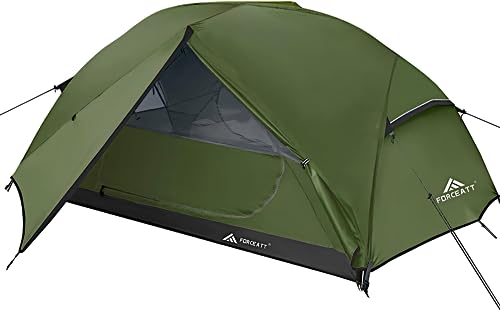


This model sits in the middle ground between a typical 3-season tent and a more weather-focused shelter. Its 3000mm waterproof rating, full-coverage rainfly, aluminum poles, and quick setup make it appealing for campers who want a lightweight tent that can stretch into cooler shoulder-season use.
- ✓ Lightweight at 5.5 lb for a two-person shelter
- ✓ 3000mm waterproof index with welded floor design
- ✓ Fast setup in about 3 minutes
- ✓ Two doors and two vestibules improve convenience
- ✓ Ventilation features help reduce condensation
- ✗ Still not a true heavy-snow winter tent
- ✗ Best for 2 people, so space is limited
2. Amazon Basics 4-Person Camping Tent with Quick Setup, Spacious Interior, Ventilation Design, 3-Season Dome Design with Rainfly, Orange/Grey $79.99 ✓ Prime
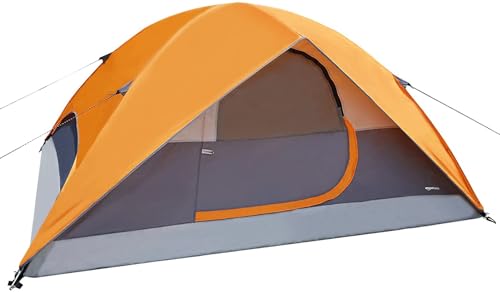


This is a straightforward 3-season tent for buyers who want a roomy, simple shelter at a low price. The quick setup, decent interior space, and ventilation design make it a practical pick for fair-weather family camping and casual outdoor trips.
- ✓ Clearly positioned as a 3-season dome tent
- ✓ Spacious 9' x 7' floor and 48" center height
- ✓ Quick setup in under 6 minutes
- ✓ Good ventilation with back window and cool-air port
- ✓ Budget-friendly for car camping
- ✗ Not intended for winter or heavy snow
- ✗ Bulkier than a backpacking tent
3. Coleman Skydome Camping Tent with 5 Minute Setup, 2/4/6/8 Person Weatherproof Tent with Rainfly & Carry Bag, 20% More Headroom than Traditional Canopies $104.99 ✓ Prime 25% OFF — Was $139.99
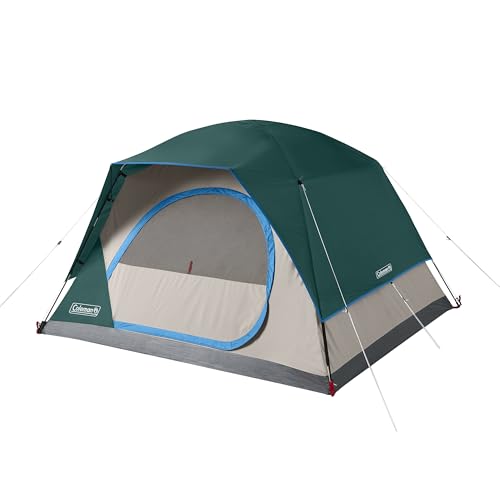


The Skydome is a strong choice for campers who want a weatherproof, easy-setup tent with more headroom than many standard dome designs. It fits neatly into the 3-season category for most buyers, especially those who value convenience and comfort over expedition-level protection.
- ✓ Fast setup with pre-attached poles
- ✓ Weatherproof design with rainfly included
- ✓ More headroom than traditional canopies
- ✓ Multiple size options for different group needs
- ✓ Good fit for general-purpose camping
- ✗ Not built as a true winter tent
- ✗ Heavier and less compact than ultralight models
4. Clostnature 4 Person Lightweight Backpacking Tent, Camping Tent $94.49 ✓ Prime 10% OFF — Was $104.99
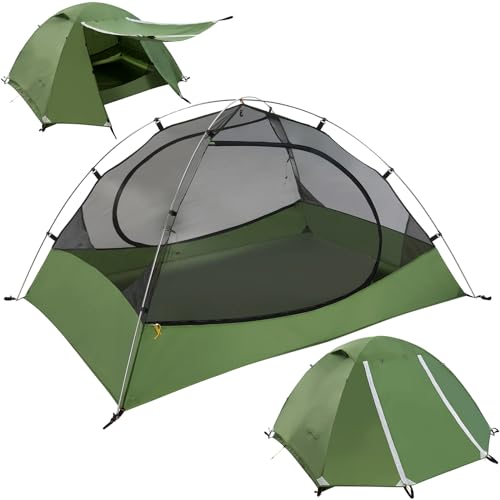


This tent is a strong option for buyers who want a lighter backpacking-style shelter with more weather protection than a basic fair-weather tent. Its PU 5000 coating, sealed seams, and reinforced structure make it especially appealing for people comparing a sturdy 3-season tent with something that can push into rougher conditions.
- ✓ Lightweight enough for backpacking and family hikes
- ✓ PU 5000 coating and sealed seams improve weather resistance
- ✓ Good ventilation from full mesh walls
- ✓ Two doors and dual vestibules add convenience
- ✓ Comes with repair kit and one-year guarantee
- ✗ Still not a dedicated snow-load winter tent
- ✗ Larger size means more tent to manage than a 2-person model
Common Mistakes to Avoid
One of the biggest mistakes is assuming “4-season” automatically means “better” for every trip. In reality, a true winter-ready tent can feel hotter, heavier, and less breathable than a 3-season model in normal weather. Another common mistake is buying based on capacity alone; a “4-person” tent may be much more comfortable for two adults plus gear than for four adults on a rainy night.
It’s also easy to overfocus on waterproof claims and ignore ventilation. A tent can keep rain out and still become uncomfortable if condensation builds up inside. Finally, don’t confuse marketing language like “3 to 4 seasons” with a fully engineered winter mountaineering tent unless the structure, pole design, and weatherproofing clearly support that use.
Frequently Asked Questions
1. What is the difference between a 3 season vs 4 season tent?
A 3-season tent is designed for spring, summer, and fall with better ventilation and lighter weight. A 4-season tent is built for stronger wind, snow, and colder conditions with a sturdier frame and less mesh.
2. Can I use a 3-season tent in winter?
Yes, but only in mild winter conditions if weather is calm and snow is light. For serious cold, wind, or snow, a true 4-season tent is a safer choice.
3. Is a 4-season tent too hot for summer?
It can be. Because 4-season tents usually have less mesh and more solid fabric, they often trap more heat and may feel stuffy in warm weather.
4. Do I need a 4-season tent for rain?
Not usually. Many 3-season tents handle rain very well as long as they have a good rainfly, sealed seams, and a waterproof floor.
5. Which tent is best for beginners?
Most beginners do better with a 3-season tent because it is easier to live with, lighter, and usually less expensive. A 4-season tent makes sense only if you regularly camp in harsh weather.
Pros
- + Better ventilation for warm-weather camping
- + Lighter weight for backpacking and travel
- + 4-season options add wind and snow protection
- + Good value for most casual campers
- + Easy setup models save time at camp
Cons
- – 4-season tents can be heavier and hotter
- – Some marketing labels are not true winter tents
- – Capacity ratings can be optimistic
- – Weatherproofing does not replace good ventilation
Frequently asked questions
- What is the difference between a 3 season vs 4 season tent?
- A 3-season tent is designed for spring, summer, and fall with better ventilation and lighter weight. A 4-season tent is built for stronger wind, snow, and colder conditions with a sturdier frame and less mesh.
- Can I use a 3-season tent in winter?
- Yes, but only in mild winter conditions if weather is calm and snow is light. For serious cold, wind, or snow, a true 4-season tent is a safer choice.
- Is a 4-season tent too hot for summer?
- It can be. Because 4-season tents usually have less mesh and more solid fabric, they often trap more heat and may feel stuffy in warm weather.
- Do I need a 4-season tent for rain?
- Not usually. Many 3-season tents handle rain very well as long as they have a good rainfly, sealed seams, and a waterproof floor.
- Which tent is best for beginners?
- Most beginners do better with a 3-season tent because it is easier to live with, lighter, and usually less expensive. A 4-season tent makes sense only if you regularly camp in harsh weather.
Get the Full Outdoor Buyer's Guide
Join our free newsletter — we'll send our latest Outdoor picks, specs and verdicts straight to your inbox.
Free. No spam. Unsubscribe anytime.
Was this review helpful?
Be the first to share your feedback on this review.
Sign in to vote and let us know what you think.
Discussion (0)
No comments yet. Be the first to start the discussion.
Related Reviews
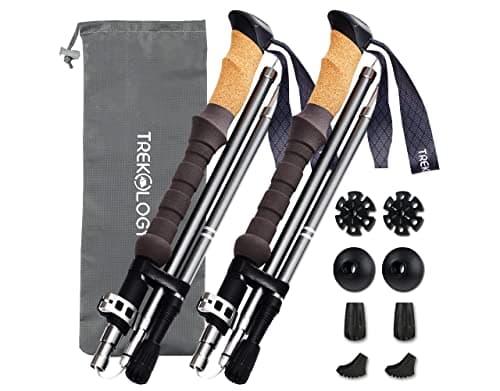
How to Choose the Best Trekking Poles in 2026: Complete Buying Guide
If you’re figuring out how to choose trekking poles , the biggest challenge is separating marketing hype from the features that actually improve balance, reduce fatigue, and hold up on real trails. The wrong pair can feel too heavy, slip under load, or be annoying to pack and adjust when conditions
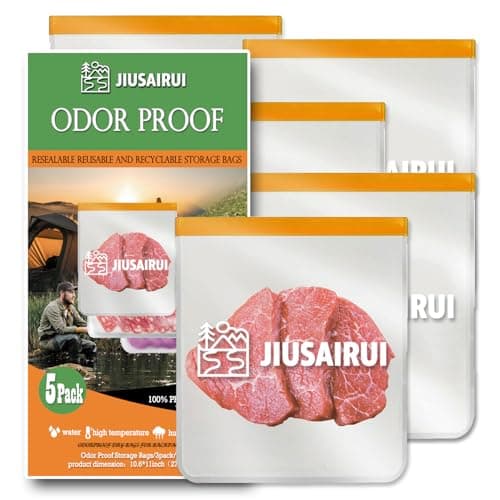
4 Best Bear Canisters and Food Storage in 2026 — Safer, Lighter Backcountry Food Protection
If you’re trying to choose the best bear canisters and food storage, the hard part is usually balancing safety, weight, and packability without overspending. This guide narrows the field to four researched picks that cover certified hard-sided storage and odor-proof alternatives for different trip s
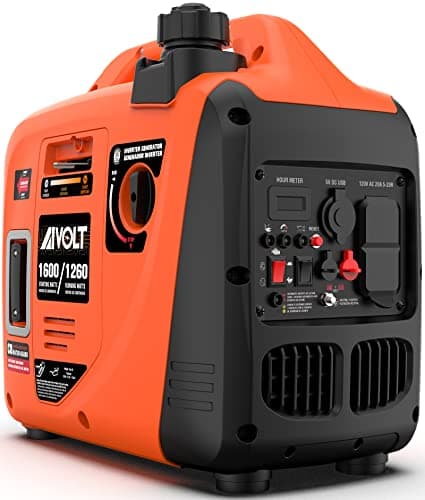
7 Best Camping Generators Quiet in 2026 — Ultra-Low Noise Picks for Campgrounds and RV Trips
If you’re searching for the best camping generators quiet , you probably want power without the roar that ruins a peaceful campsite. The challenge is finding a generator that stays quiet, runs sensitive electronics safely, and still has enough output for lights, phones, a cooler, or a small RV setup