

What is How to Season a Cast Iron Skillet? A Complete 2026 Guide
If your cast iron skillet keeps sticking, looks dull, or seems to rust too easily, the problem is usually not the pan — it’s the seasoning. Learning how to season a cast iron skillet gives you a naturally non-stick surface, better rust protection, and more reliable cooking results over time. In this guide, you’ll learn what seasoning is, how it works, what to look for in a skillet, and which Lodge options are worth buying in 2026.
Related Reviews
How It Works
Seasoning is the process of coating cast iron with a very thin layer of oil and heating it until the oil bonds to the metal. That heat changes the oil into a hard, protective layer that helps food release more easily and keeps moisture from reaching the iron. Over time, repeated cooking and proper care strengthen that layer, which is why well-used cast iron often performs better than brand-new cookware.
In simple terms, seasoning does two jobs at once: it helps create a smoother cooking surface and it shields the skillet from corrosion. The best results come from using a thin coat of oil, baking it at the right temperature, and repeating the process as needed. Too much oil can make the finish sticky, while too little heat can leave the coating weak or patchy.
Key Benefits & Use Cases
Seasoned cast iron is popular because it combines durability with everyday versatility. Once properly maintained, it can handle high heat, work on the stove or in the oven, and improve with age instead of wearing out. It’s also a strong choice for cooks who want a cookware option that avoids synthetic nonstick coatings.
Why people season cast iron
- Creates a naturally non-stick cooking surface
- Helps prevent rust and moisture damage
- Improves searing, browning, and heat retention
- Makes the skillet more versatile for stovetop, oven, grill, and campfire use
- Extends the usable life of the pan for years or even decades
Best use cases
- Cooking eggs, meats, cornbread, and skillet dinners
- High-heat searing for steaks, burgers, and vegetables
- One-pan oven meals and baked dishes
- Camping or outdoor cooking where durability matters
- Replacing short-lived nonstick pans with a long-term cookware investment
What to Look For When Buying
If you’re buying a skillet to learn or improve how to season a cast iron skillet, focus on practical features that make seasoning easier and maintenance more forgiving. A good skillet should heat evenly, hold seasoning well, and fit the way you actually cook.
1. Pre-seasoned finish
A pre-seasoned skillet gives you a head start and reduces the amount of initial work needed before first use. It’s especially helpful for beginners who want to cook sooner while still building seasoning over time.
2. Size and weight
Choose a size that matches your stovetop burners, oven space, and hand strength. A 10.25-inch skillet is easier to handle, while a 12-inch skillet gives you more cooking surface for family meals.
3. Heat retention and distribution
Cast iron’s biggest advantage is steady heat. Look for cookware known for even heating and strong heat retention so your seasoning performs consistently and your food browns properly.
4. Handle comfort and safety
Cast iron gets hot everywhere, so a well-shaped handle matters. Helpful extras like a silicone handle holder can make moving the pan safer after cooking.
5. Durability and versatility
Look for a skillet that can move from stove to oven to grill without issue. The more versatile the pan, the more value you get from seasoning it well and using it regularly.
Top Recommended Products
Below are three research-based recommendations from Lodge, a brand that appears repeatedly in owner feedback for durability, heat retention, and dependable seasoning performance. All three are pre-seasoned and suited to anyone learning how to season a cast iron skillet or wanting a skillet that maintains seasoning well over time.
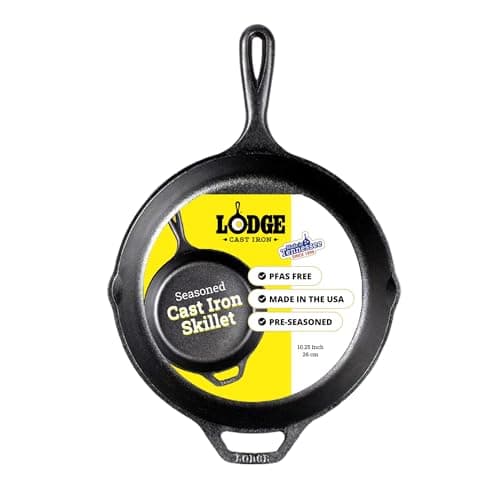
Lodge Seasoned Cast Iron Skillet 10.25 Inches - PFAS-Free, Non-Toxic Cookware - Use with an Oven, Stove, Grill, or Campfire - Naturally Non-Stick & Oven Safe $23.85 ✓ Prime
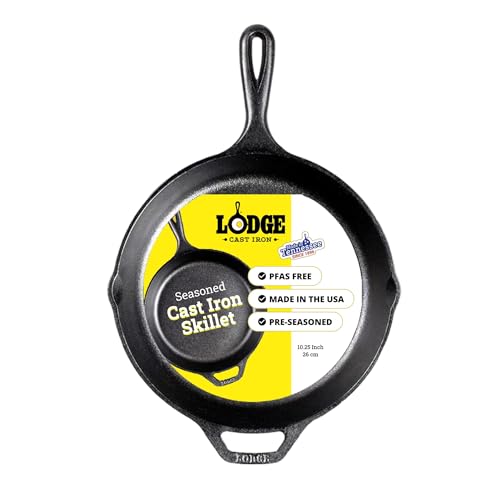


This 10.25-inch Lodge skillet is the most approachable option in the lineup if you want a manageable size for everyday cooking. Research and owner feedback consistently point to strong heat retention, dependable durability, and a finish that improves with regular use.
- ✓ Easier to handle than larger cast iron pans
- ✓ Pre-seasoned and ready for daily cooking
- ✓ Good for eggs, meats, and smaller meals
- ✓ Works on stove, oven, grill, and campfire
- ✓ PFAS-free and non-toxic cookware
- ✗ Smaller cooking surface than 12-inch models
- ✗ Still heavy compared with standard cookware
- ✗ Requires regular upkeep to maintain seasoning
Lodge Seasoned Cast Iron Skillet 12 Inches - Quality Frying Pan for the Stove, Oven, Grill & Campfire - Includes Silicone Hot Handle Holder - Non-Toxic, Nonstick & Long-Lasting $34.90 ✓ Prime
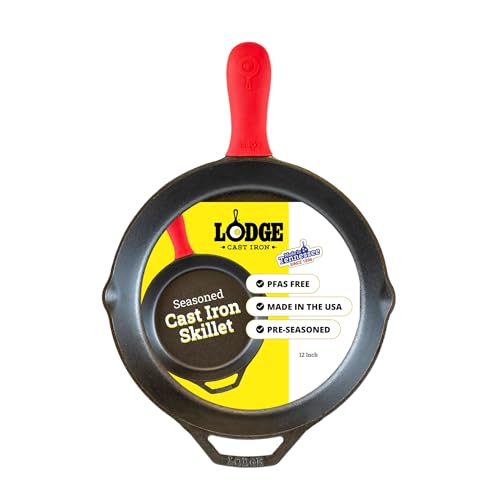


This 12-inch version with a silicone handle holder is the most convenient pick if you want more cooking space and a little extra safety when moving a hot pan. It is a strong fit for people who cook family-sized meals and want a skillet that supports searing, baking, frying, and campfire use.
- ✓ Larger surface for bigger meals
- ✓ Silicone handle holder improves handling after cooking
- ✓ Pre-seasoned with 100% natural vegetable oil
- ✓ Strong heat distribution for even results
- ✓ PFAS-free and non-toxic
- ✗ Heavier and bulkier than the 10.25-inch model
- ✗ Handle holder is helpful but not a substitute for full oven protection
- ✗ Takes more storage space
Lodge Seasoned Cast Iron Skillet 12 Inches - PFAS-Free, Non-Toxic Cookware - Use with an Oven, Stove, Grill, or Campfire - Naturally Non-Stick & Oven Safe $29.90 ✓ Prime
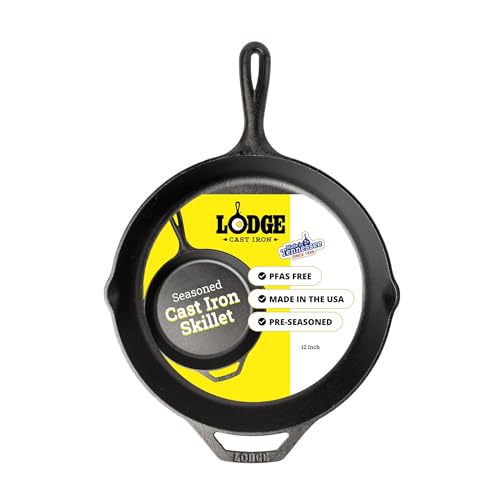

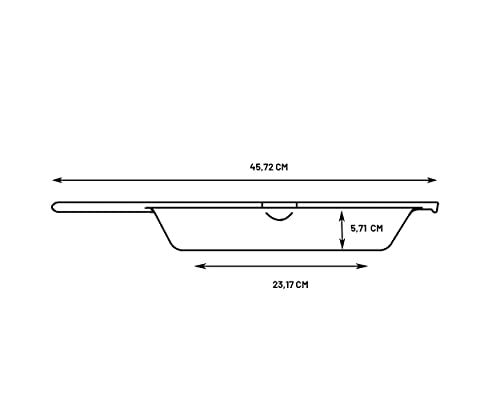
This is the best value pick if you want the larger 12-inch cooking area without paying extra for the bundled handle holder. The core strengths are the same: strong heat retention, versatile use, and a pre-seasoned surface that becomes better with continued cooking and care.
- ✓ Good balance of size and price
- ✓ Pre-seasoned and ready for regular use
- ✓ Excellent for searing and oven cooking
- ✓ Durable, long-lasting cast iron construction
- ✓ Suitable for beginners and experienced cooks
- ✗ No handle holder included
- ✗ Larger size may be awkward for some users
- ✗ Needs consistent seasoning maintenance
Common Mistakes to Avoid
Most seasoning problems come from a few avoidable errors. If your skillet turns sticky, patchy, or rusty, one of these issues is usually the cause.
- Using too much oil: A thick layer can bake into a tacky surface instead of a hard seasoning coat.
- Skipping preheating: Putting food into a cold skillet often leads to sticking and uneven browning.
- Soaking the pan in water: Cast iron should not be left wet, because moisture can trigger rust.
- Using harsh soap or scrubbers too aggressively: Gentle cleaning is usually enough, and over-scrubbing can wear seasoning down faster.
- Not drying thoroughly: Even a small amount of leftover moisture can damage the finish over time.
- Expecting perfection immediately: Seasoning builds gradually, so the surface often improves after repeated use.
For best results, think of seasoning as an ongoing maintenance habit instead of a one-time task. A well-cared-for skillet becomes easier to use and easier to clean with each cooking session.
Frequently Asked Questions
1. What does seasoning a cast iron skillet actually do?
Seasoning creates a thin, hardened oil layer that helps prevent rust and makes the skillet more naturally non-stick. It also improves the pan’s cooking performance over time.
2. How often should I season my cast iron skillet?
You do not need to fully season it after every meal. Re-season when the surface looks dull, food starts sticking more, or the pan shows signs of rust or wear.
3. Can I season a cast iron skillet in the oven?
Yes. Oven seasoning is one of the most common methods because it applies even heat across the whole pan and helps the oil bond more consistently.
4. Why is my cast iron skillet sticky after seasoning?
Sticky seasoning usually means too much oil was used or the pan did not bake long enough at the right temperature. The fix is often to clean off the excess and re-season with a thinner coat.
5. What oil is best for seasoning cast iron?
Many cooks use oils with a neutral flavor and a high smoke point, such as vegetable oil. The key is applying a very thin layer and heating it properly so it bonds well.
Pros
- + Naturally non-stick surface
- + Helps prevent rust
- + Improves with regular use
- + Versatile for stove, oven, grill, and campfire
- + Durable, long-lasting cookware
Cons
- – Can become sticky if over-oiled
- – Needs ongoing maintenance
- – Heavy compared with standard pans
Frequently asked questions
- What does seasoning a cast iron skillet actually do?
- Seasoning creates a thin, hardened oil layer that helps prevent rust and makes the skillet more naturally non-stick. It also improves the pan’s cooking performance over time.
- How often should I season my cast iron skillet?
- You do not need to fully season it after every meal. Re-season when the surface looks dull, food starts sticking more, or the pan shows signs of rust or wear.
- Can I season a cast iron skillet in the oven?
- Yes. Oven seasoning is one of the most common methods because it applies even heat across the whole pan and helps the oil bond more consistently.
- Why is my cast iron skillet sticky after seasoning?
- Sticky seasoning usually means too much oil was used or the pan did not bake long enough at the right temperature. The fix is often to clean off the excess and re-season with a thinner coat.
- What oil is best for seasoning cast iron?
- Many cooks use oils with a neutral flavor and a high smoke point, such as vegetable oil. The key is applying a very thin layer and heating it properly so it bonds well.
Get the Full Home Buyer's Guide
Join our free newsletter — we'll send our latest Home picks, specs and verdicts straight to your inbox.
Free. No spam. Unsubscribe anytime.
Was this review helpful?
Be the first to share your feedback on this review.
Sign in to vote and let us know what you think.
Discussion (0)
No comments yet. Be the first to start the discussion.
Related Reviews
Instant Pot Pro Plus 6 month test Review (2026): Specs, Pros & Cons, and Who It's For
If you’re researching the Instant Pot Pro Plus 6 month test because you want to know whether it’s actually worth the money, the short answer is yes for the right buyer. This model stands out for its 10-in-1 cooking modes, app-connected guided recipes, and quieter steam release than many older pressu
KitchenAid Classic Series 4.5 Quart Tilt-Head Stand Mixer K45SS Review (2026): Specs, Pros & Cons, and Who It's For
If you’re searching for a KitchenAid stand mixer 1 year review , you probably want to know whether it still feels worth the money after the honeymoon period ends. The short answer from spec comparisons and owner feedback is yes—if you bake regularly and want a mixer that’s built to last, this model
What is drip vs pour over coffee? A Complete 2026 Guide
If you’re trying to decide between drip vs pour over coffee, the confusion usually comes down to speed, flavor, and how much control you want over the brew. Drip coffee is built for convenience and consistency, while pour over coffee is designed for a more hands-on, flavor-focused cup. This guide br