

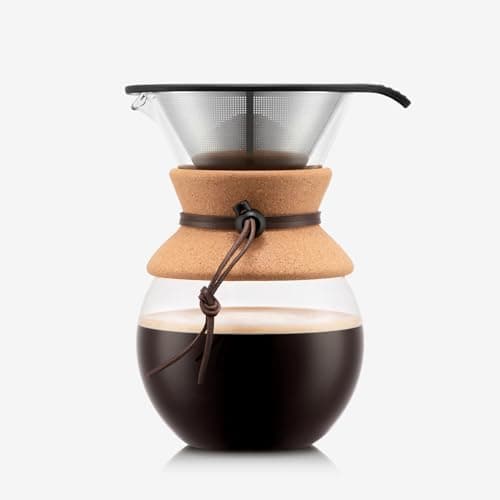
What is drip vs pour over coffee? A Complete 2026 Guide
If you’re trying to decide between drip vs pour over coffee, the confusion usually comes down to speed, flavor, and how much control you want over the brew. Drip coffee is built for convenience and consistency, while pour over coffee is designed for a more hands-on, flavor-focused cup. This guide breaks down the differences in plain English so you can choose the method that fits your taste, budget, and routine.
Related Reviews
How It Works
Both drip and pour over coffee use the same basic idea: hot water passes through ground coffee and extracts flavor, aroma, and caffeine. The difference is in how the water is delivered and how much control you have over the process. That control changes everything from brew time to body, clarity, and consistency.
Drip coffee
In a drip coffee maker, the machine heats water and releases it automatically over the grounds in a filter basket. The water drips through at a programmed rate, then collects in a carafe below. Because the machine controls temperature, flow rate, and brew time, drip coffee is usually the easiest way to make multiple cups with very little effort.
Pour over coffee
Pour over is a manual brewing method where you pour hot water over coffee grounds yourself, usually in a slow circular motion. The water flow, pouring speed, and saturation are controlled by you, which lets you influence extraction more directly. Many coffee drinkers prefer pour over for its cleaner, more nuanced flavor and the ability to fine-tune each cup.
Why the taste is different
Drip machines often produce a more uniform, familiar cup, especially when used with paper filters. Pour over coffee can taste brighter and more detailed because the brewer can control how the grounds bloom and how evenly the water passes through them. Reusable metal filters, which appear in many of the products below, also tend to let more coffee oils through, creating a fuller body than paper filters.
Key Benefits & Use Cases
Best reasons to choose drip coffee
- Fast, repeatable brewing with minimal effort
- Good for busy mornings and larger households
- Easy to make several cups at once
- Less technique required than manual brewing
Best reasons to choose pour over coffee
- More control over brew strength and extraction
- Cleaner, more expressive flavor for many coffee drinkers
- Great for single servings or small batches
- Often more affordable to get started than a full machine
Use cases where pour over shines
Pour over is a strong fit if you enjoy experimenting with grind size, water temperature, and pour pattern. It’s also popular for people who want a compact coffee setup for apartments, dorms, offices, or travel-friendly brewing. If you care about reducing paper waste, reusable stainless steel filters are another major advantage.
Use cases where drip shines
Drip coffee is usually the better choice for households that want a set-it-and-forget-it routine. It’s also a practical option if you make coffee for guests, want a predictable result every day, or simply prefer convenience over hands-on brewing.
What to Look For When Buying
1. Capacity
Think about whether you brew for one person or several. Smaller pour over brewers are ideal for 1–2 cups, while larger carafes are better for families, guests, or batch brewing.
2. Filter type
Paper filters create a cleaner cup and are easy to discard, while stainless steel reusable filters save money over time and allow more natural oils through. If you want richer texture and less waste, metal filters are worth considering.
3. Material quality
Borosilicate glass is common in pour over brewers because it resists heat and doesn’t easily affect flavor. Stainless steel filters should be food-grade and durable, while sleeves, grips, and handles should feel stable and comfortable in daily use.
4. Ease of cleaning
A brewer that rinses quickly or is dishwasher safe can make a big difference in how often you actually use it. If you dislike maintenance, look for simple designs with removable parts and easy-access filters.
5. Value and included extras
Some brewers include cleaning brushes, cloths, measuring tools, or dual-layer filters that improve convenience. Compare the price against the build quality, capacity, and long-term filter savings to judge overall value.
Top Recommended Products
Below are the best researched options from the provided list for readers comparing drip vs pour over coffee. These picks are especially useful if you want to explore manual brewing without overpaying or if you want a larger brewer that can serve more than one cup.
Bodum 34oz Pour Over Coffee Maker Prime ✓ Prime
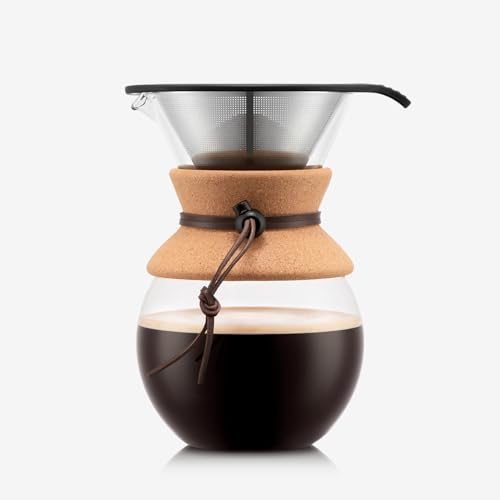


This 34-ounce Bodum is a strong fit for readers who want a simple, attractive pour over setup that can brew enough coffee for multiple cups. The reusable stainless steel filter helps preserve oils and flavor, while the borosilicate glass carafe keeps the brew path straightforward and easy to clean.
$19.99 ✓ Prime
- ✓ 34-ounce capacity makes up to 8 cups
- ✓ Reusable stainless steel mesh filter reduces waste
- ✓ Borosilicate glass carafe resists heat and preserves flavor
- ✓ Dishwasher-safe parts make cleanup easy
- ✓ Cork grip adds a more comfortable, premium feel
- ✗ Single-wall glass is less insulated than some alternatives
- ✗ Not as hands-off as a drip machine
- ✗ Reusable filter may let more sediment through than paper
NKOVE Pour Over Coffee Dripper Prime ✓ Prime 10% OFF — Was $9.99
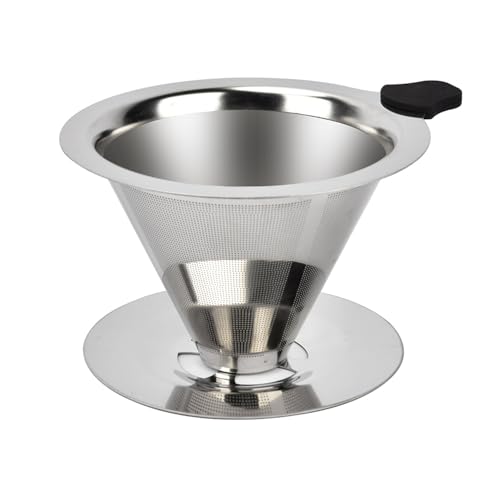


If you want a low-cost way to try pour over coffee, this NKOVE dripper is one of the most budget-friendly options in the list. Its dual-layer stainless steel filter is designed to keep oils in the cup, and the included brush and cloth make upkeep easier for daily use.
$8.99 ✓ Prime
- ✓ Very affordable entry point into pour over brewing
- ✓ Dual-layer stainless steel filter supports fuller flavor
- ✓ Reusable design reduces paper filter waste
- ✓ Easy rinse-clean maintenance
- ✓ Includes cleaning brush and cloth
- ✗ Best for 1–2 cups, not larger batches
- ✗ Metal filter may allow more fine sediment than paper
- ✗ Less polished feel than glass carafe brewers
Bodum 17oz Pour Over Coffee Maker Prime ✓ Prime
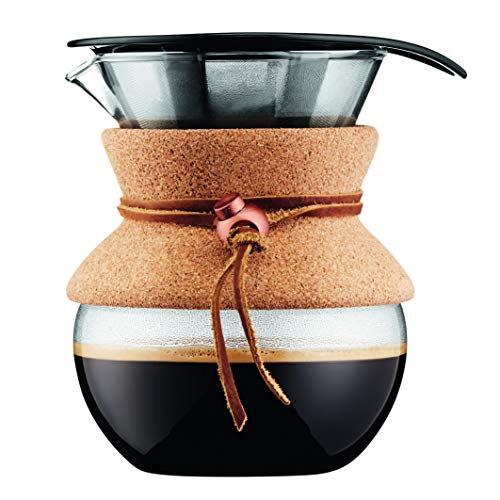


This smaller Bodum model is a practical pick for solo drinkers or anyone who wants a compact pour over brewer with a more premium look. It offers the same flavor-forward stainless steel filtration approach as the larger version, but in a size that better suits single servings.
$17.99 ✓ Prime
- ✓ Compact size is ideal for 1–2 cups
- ✓ Borosilicate glass helps preserve flavor
- ✓ Permanent stainless steel filter reduces waste
- ✓ Dishwasher-safe carafe and filter
- ✓ Cork sleeve adds grip and style
- ✗ Not as useful if you regularly brew for several people
- ✗ Cork sleeve is not dishwasher safe
- ✗ Manual brewing takes more attention than drip coffee
Cosori Pour Over Coffee Maker Prime ✓ Prime
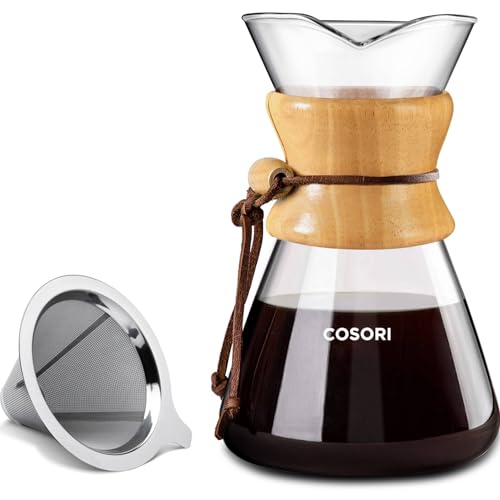


The Cosori stands out for readers who want a larger pour over brewer with a more durable, travel-friendly design. Its double-layer stainless steel filter aims to boost body and flavor, while the heat-resistant glass and 34-ounce capacity make it versatile for home use or outdoor brewing.
$29.39 ✓ Prime
- ✓ Large 34-ounce capacity for up to 8 cups
- ✓ Double-layer 304 stainless steel filter for richer flavor
- ✓ Heat-resistant borosilicate glass carafe
- ✓ Dishwasher-safe decanter and filter
- ✓ BPA-free materials and camping-friendly design
- ✗ More expensive than basic pour over drippers
- ✗ Bulkier than compact single-cup options
- ✗ Still requires manual brewing technique
Common Mistakes to Avoid
Using the wrong grind size
For pour over coffee, a medium to medium-fine grind usually works best. If the grind is too fine, the brew can become bitter or stall; if it’s too coarse, the coffee may taste weak and under-extracted.
Pouring too fast
A rushed pour can create uneven extraction, especially in manual brewers. Slow, steady, circular pouring helps saturate the grounds evenly and improves consistency.
Ignoring water temperature
Water that is too hot can scorch the grounds, while water that is too cool can under-extract flavor. Many coffee drinkers aim for hot water just off the boil for pour over brewing.
Choosing the wrong size brewer
If you only make one cup at a time, a large brewer may be inconvenient. On the other hand, a tiny dripper can feel limiting if you regularly serve multiple people.
Assuming metal filters behave like paper
Reusable stainless steel filters are convenient and eco-friendly, but they usually let more oils and some fine particles through. That can be a benefit or a drawback depending on whether you prefer a fuller or cleaner cup.
Frequently Asked Questions
Is drip coffee stronger than pour over coffee?
Not necessarily. Strength depends more on coffee dose, grind size, brew ratio, and extraction than on the brewing method itself. Drip coffee often tastes more consistent, while pour over can be stronger or lighter depending on how it’s brewed.
Is pour over coffee better than drip coffee?
“Better” depends on what you value. Pour over is often preferred for flavor control and a cleaner cup, while drip is usually better for convenience and larger batches.
Do reusable metal filters change the taste?
Yes, they can. Metal filters usually allow more coffee oils to pass through, which can make the cup feel fuller and richer than paper-filtered coffee.
Which is easier for beginners: drip or pour over?
Drip coffee is generally easier for beginners because the machine handles most of the work. Pour over has a learning curve, but it becomes simple once you understand grind size, water flow, and brew time.
What’s the best option for one person?
A compact pour over brewer is often ideal for one person because it’s affordable, quick to clean, and easy to store. A small dripper like the NKOVE or the 17oz Bodum is a practical place to start.
Pros
- + Manual control over flavor
- + Reusable filters reduce waste
- + Affordable entry-level options
- + Larger brewers serve multiple cups
- + Easy-to-clean designs available
Cons
- – Requires more hands-on brewing
- – Metal filters can add sediment
- – Not as convenient as drip machines
- – Some models are too small for groups
Frequently asked questions
- Is drip coffee stronger than pour over coffee?
- Not necessarily. Strength depends more on coffee dose, grind size, brew ratio, and extraction than on the brewing method itself. Drip coffee often tastes more consistent, while pour over can be stronger or lighter depending on how it’s brewed.
- Is pour over coffee better than drip coffee?
- “Better” depends on what you value. Pour over is often preferred for flavor control and a cleaner cup, while drip is usually better for convenience and larger batches.
- Do reusable metal filters change the taste?
- Yes, they can. Metal filters usually allow more coffee oils to pass through, which can make the cup feel fuller and richer than paper-filtered coffee.
- Which is easier for beginners: drip or pour over?
- Drip coffee is generally easier for beginners because the machine handles most of the work. Pour over has a learning curve, but it becomes simple once you understand grind size, water flow, and brew time.
- What’s the best option for one person?
- A compact pour over brewer is often ideal for one person because it’s affordable, quick to clean, and easy to store. A small dripper like the NKOVE or the 17oz Bodum is a practical place to start.
Get the Full Home Buyer's Guide
Join our free newsletter — we'll send our latest Home picks, specs and verdicts straight to your inbox.
Free. No spam. Unsubscribe anytime.
Was this review helpful?
Be the first to share your feedback on this review.
Sign in to vote and let us know what you think.
Discussion (0)
No comments yet. Be the first to start the discussion.
Related Reviews
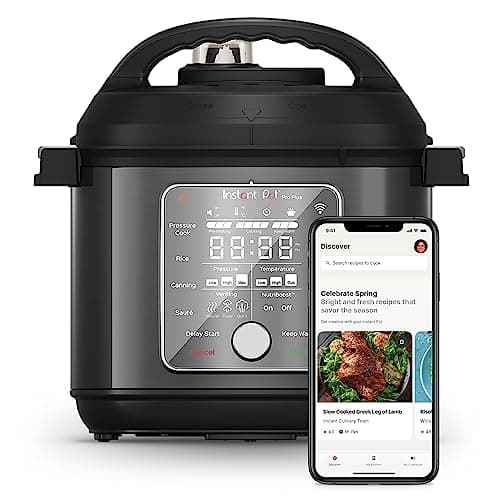
Instant Pot Pro Plus 6 month test Review (2026): Specs, Pros & Cons, and Who It's For
If you’re researching the Instant Pot Pro Plus 6 month test because you want to know whether it’s actually worth the money, the short answer is yes for the right buyer. This model stands out for its 10-in-1 cooking modes, app-connected guided recipes, and quieter steam release than many older pressu
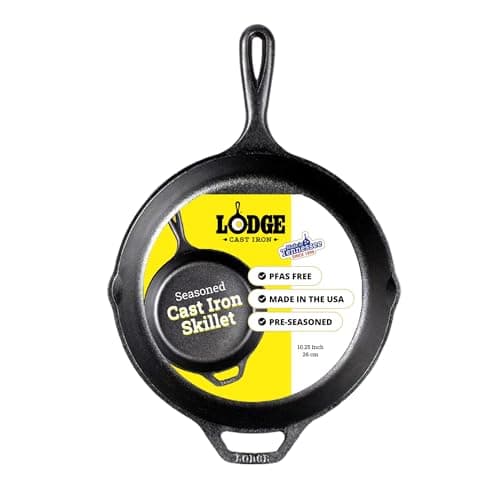
What is How to Season a Cast Iron Skillet? A Complete 2026 Guide
If your cast iron skillet keeps sticking, looks dull, or seems to rust too easily, the problem is usually not the pan — it’s the seasoning. Learning how to season a cast iron skillet gives you a naturally non-stick surface, better rust protection, and more reliable cooking results over time. In this
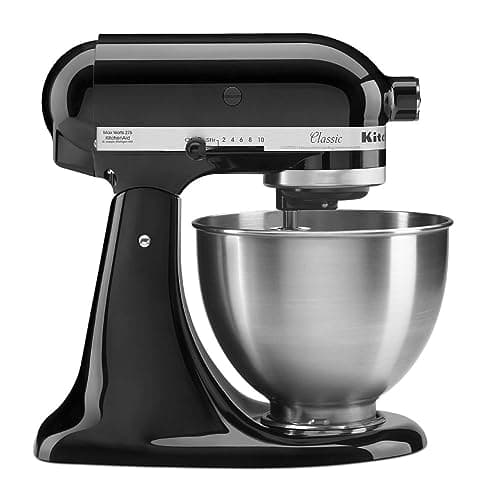
KitchenAid Classic Series 4.5 Quart Tilt-Head Stand Mixer K45SS Review (2026): Specs, Pros & Cons, and Who It's For
If you’re searching for a KitchenAid stand mixer 1 year review , you probably want to know whether it still feels worth the money after the honeymoon period ends. The short answer from spec comparisons and owner feedback is yes—if you bake regularly and want a mixer that’s built to last, this model