

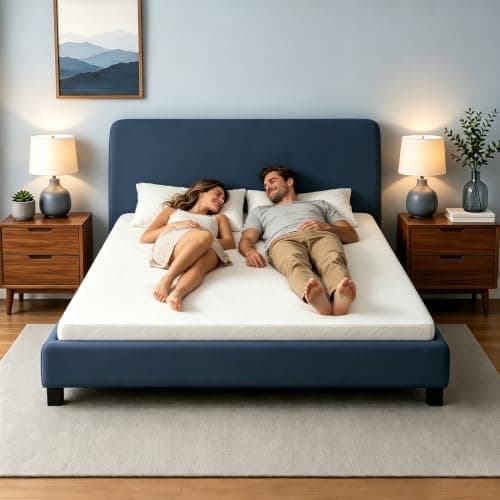
Who this is for: Best for shoppers who need to know when to replace a worn mattress and want affordable replacement options.
Check PriceWhat is How Often to Replace a Mattress? A Complete 2026 Guide
If you’re wondering how often to replace a mattress, you’re probably dealing with aches, sagging, poor sleep, or the nagging feeling that your bed just isn’t supporting you anymore. The short answer is that most mattresses should be replaced every 7 to 10 years, but the real timeline depends on mattress type, body weight, sleep quality, and how well the bed has been maintained. In this guide, you’ll learn how mattress wear works, what signs matter most, and which budget-friendly options are worth considering if it’s time for a new one.
Related Reviews
How It Works
A mattress wears out gradually as its internal materials lose resilience. Foam compresses, springs weaken, and comfort layers break down from nightly pressure, body heat, moisture, and movement over time.
That wear doesn’t always look dramatic at first. A mattress may still seem “fine” while quietly losing support, which can lead to deeper sinkage, less spinal alignment, and more tossing and turning.
Different materials age differently:
- Memory foam tends to soften and form body impressions over time.
- Innerspring models can develop squeaks, coil fatigue, or uneven support.
- Hybrid mattresses combine foam and coils, so both comfort layers and support systems can age.
- Latex often lasts longer than standard foam, but it still eventually loses responsiveness.
The key idea is simple: even if a mattress looks okay, its support structure may no longer be doing its job. That’s why replacement is based on both age and performance, not age alone.
Key Benefits & Use Cases
Understanding when to replace a mattress can improve more than comfort. A newer, better-matched mattress can help reduce pressure points, improve sleep quality, and make it easier to fall asleep without constant repositioning.
Why replacement matters
- It can reduce morning stiffness caused by sagging or poor alignment.
- It may improve sleep quality if your current mattress traps heat or transfers motion.
- It can help allergy-sensitive sleepers by reducing accumulated dust, moisture, and wear-related buildup.
- It may be especially useful if your sleep needs have changed due to age, weight, or a new sleeping position.
Common use cases
- Back pain or pressure relief: Replacing a worn mattress can restore support where your old bed has flattened out.
- Guest rooms: A mattress may last longer there because it gets less use, but it still needs periodic inspection.
- Budget upgrades: If you’re not ready for a premium bed, a compact foam option can be a practical short-term solution.
- Temporary setups: Portable or lightweight mattresses can work well for camping, dorms, or move-in situations.
What to Look For When Buying
If you’ve decided it’s time to replace your mattress, focus on these five criteria before buying.
1. Support level
Choose a mattress that keeps your spine aligned in your normal sleep position. Side sleepers often need more contouring, while back and stomach sleepers usually need firmer support.
2. Material durability
Look for dense foam, reinforced support layers, or high-quality construction that resists sagging. Durability matters because a cheap mattress that breaks down quickly can cost more in the long run.
3. Temperature control
If you sleep hot, prioritize breathable foams, airflow channels, or materials designed to reduce heat buildup. A cooler sleep surface often improves comfort and consistency.
4. Motion isolation
If you share a bed, motion isolation helps reduce sleep disruption when your partner moves. Foam mattresses often perform well here.
5. Size, delivery, and setup
Make sure the mattress fits your room, base, and lifestyle. Bed-in-a-box packaging can make delivery easier, especially for apartments, stairs, or quick replacements.
Top Recommended Products
Below are research-based picks from the provided list, with a focus on value, support, portability, and ease of setup. These are not hands-on test results; they’re based on published specs, product details, and owner feedback patterns.
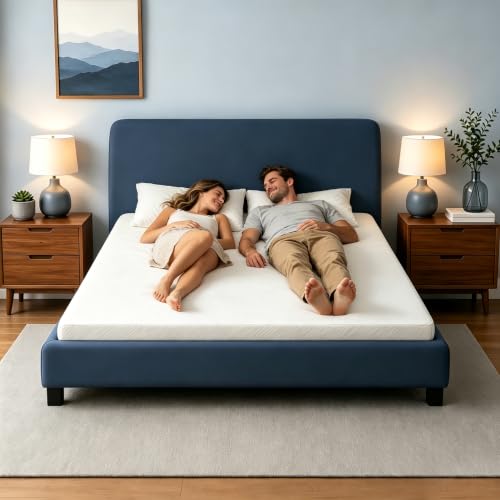 MENGZHONGXIN 2 Inch Twin Foam Mattress Lightweight for Easy Moving ✓ Prime $25.50

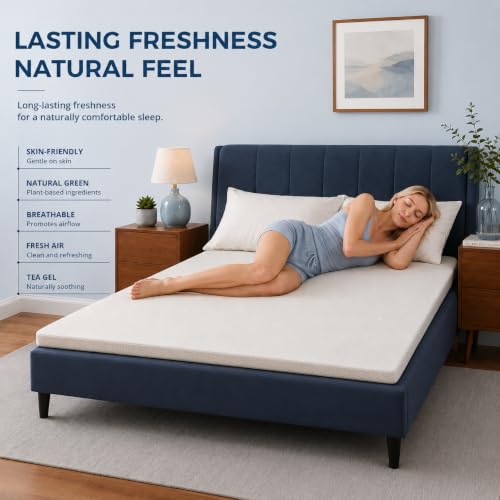
This lightweight twin foam mattress is best suited to shoppers who need a simple, low-cost sleep surface for temporary use, guest rooms, or easy moving. Its foam design focuses on pressure relief, airflow, and motion reduction, which makes it appealing for basic comfort without a big investment.
- ✓ Ergonomic foam conforms to body curves to ease pressure points.
- ✓ Breathable layered structure improves airflow and helps prevent overheating.
- ✓ Noise-isolating foam reduces motion transfer for quieter sleep.
- ✓ High-density foam resists sinking and shape change over time.
- ✓ Compact vacuum packaging makes transport and setup easier.
- ✗ Only 2 inches thick, so it’s more of a topper-style sleep surface than a full mattress replacement.
- ✗ Best for lighter-duty or temporary needs rather than long-term primary use.
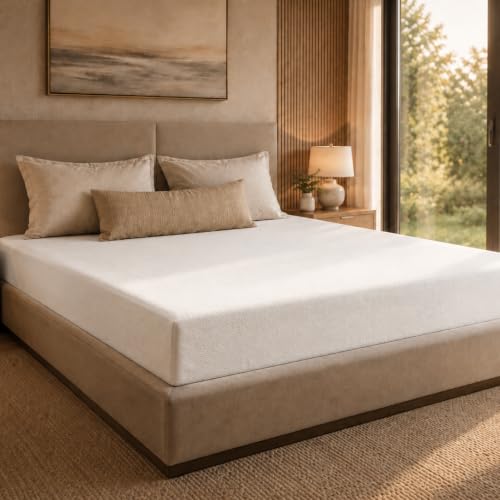
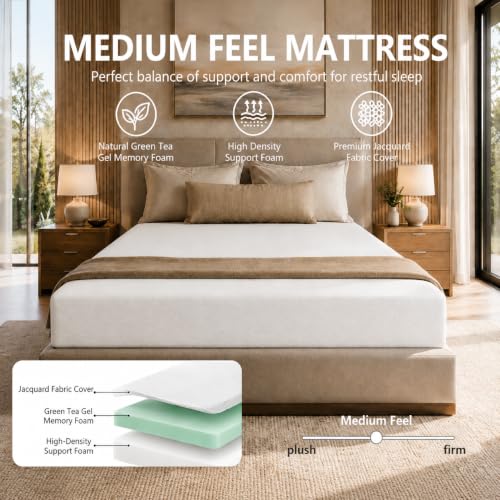
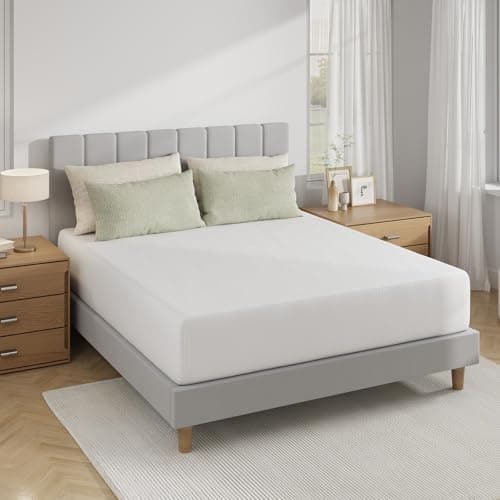
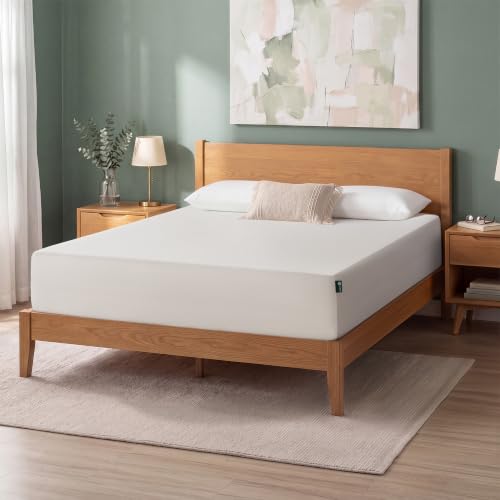 Zinus Memory Foam 12 Inch Green Tea Mattress, King, White ✓ Prime $392.99


If you want a more complete replacement option, this 12-inch memory foam mattress stands out as the strongest all-around pick in the list. The layered foam build, CertiPUR-US certification, and 10-year warranty make it a better fit for buyers who want a true primary mattress rather than a temporary solution.
- ✓ 3 inches of memory foam plus 2 inches of comfort foam and 7 inches of support foam.
- ✓ Green tea and ActivCharcoal infusion help keep the mattress feeling fresher.
- ✓ CertiPUR-US certified for durability, performance, and content.
- ✓ Comes compressed in a box for easier delivery and setup.
- ✓ Includes a 10-year limited warranty for added peace of mind.
- ✗ Heavier and less portable than the thinner twin options.
- ✗ Memory foam may take up to 72 hours to fully expand.
- ✗ Best for side sleepers and petite to average-weight sleepers, so it may not suit everyone equally.
 Memory Foam Mattress 2 Inch Twin Portable Use ✓ Prime $25.50

This portable twin foam mattress is another budget-friendly option for light use, especially if you need something easy to move and quick to set up. It emphasizes spinal alignment, moderate softness, and airflow, which makes it a practical pick for short-term comfort.
- ✓ Ergonomic memory foam supports natural spinal alignment.
- ✓ Moderate soft-firm feel helps avoid excessive sinking.
- ✓ Continuous air circulation system keeps the surface fresher and drier.
- ✓ Silent foam layers reduce friction noise.
- ✓ Compressed packaging makes delivery and assembly easy.
- ✗ 2-inch profile limits long-term comfort for many primary sleepers.
- ✗ Better for portable or temporary use than nightly long-term support.
 Memory Foam Mattress 2 Inch Twin Camping Ready ✓ Prime $25.50
This camping-ready twin mattress is the best fit for buyers who want a soft, quiet, easy-to-carry foam option for travel, guest use, or flexible sleeping setups. It shares the same low-cost appeal as the other 2-inch models but adds a focus on low odor and broader comfort across different sleeping styles.
- ✓ Adaptive memory foam conforms to body curves for pressure relief.
- ✓ Breathable foam structure helps prevent overheating.
- ✓ Ultra-quiet design minimizes motion transfer.
- ✓ High-density foam resists sagging and deformation.
- ✓ Skin-friendly, low-odor build is suitable for a wide range of users.
- ✗ Thin profile makes it less suitable as a full-time main mattress.
- ✗ Best use case is still temporary, portable, or supplemental sleeping.
Common Mistakes to Avoid
- Waiting too long because the mattress “still looks fine.” Sagging and support loss can happen before visible damage appears.
- Replacing based only on age. A well-maintained mattress may last longer, while a heavily used one may need replacement sooner.
- Buying the same feel without reassessing your needs. Your sleep position, body weight, and comfort preferences may have changed.
- Ignoring heat and motion issues. If your old mattress slept hot or transferred movement, choose a design that fixes those problems.
- Choosing a thin mattress as a permanent solution. Two-inch foam models are usually better for temporary or supplemental use.
Frequently Asked Questions
How often to replace a mattress?
Most mattresses should be replaced every 7 to 10 years, but heavy use, sagging, poor support, and sleep discomfort can shorten that timeline.
What are the signs that a mattress needs replacing?
Common signs include sagging, lumps, noisy springs, waking up sore, poor sleep, and visible wear that no longer improves with rotation or cleaning.
Can a mattress last 15 years?
Some high-quality mattresses can last that long, especially latex or lightly used guest-room beds, but many foam and spring mattresses lose support sooner.
Should I replace my mattress if I have back pain?
If your mattress is sagging or no longer supporting your spine properly, replacement may help. If pain continues, it’s smart to check other causes too.
Is a cheap mattress worth it for short-term use?
Yes, if you need a temporary bed, guest-room option, or portable sleep surface. For nightly long-term use, a more durable mattress is usually the better value.
Pros
- + Most mattresses should be replaced every 7 to 10 years
- + Sagging and support loss can happen before visible damage
- + Foam mattresses can reduce motion transfer and pressure points
- + Budget portable options are available for temporary use
- + Better materials can improve sleep quality and alignment
Cons
- – Age alone is not enough to judge mattress condition
- – Thin 2-inch models are not ideal as permanent primary beds
- – Memory foam may sleep warmer for some users
- – Cheap mattresses may wear out faster
- – Comfort needs can change over time
Frequently asked questions
- How often to replace a mattress?
- Most mattresses should be replaced every 7 to 10 years, but heavy use, sagging, poor support, and sleep discomfort can shorten that timeline.
- What are the signs that a mattress needs replacing?
- Common signs include sagging, lumps, noisy springs, waking up sore, poor sleep, and visible wear that no longer improves with rotation or cleaning.
- Can a mattress last 15 years?
- Some high-quality mattresses can last that long, especially latex or lightly used guest-room beds, but many foam and spring mattresses lose support sooner.
- Should I replace my mattress if I have back pain?
- If your mattress is sagging or no longer supporting your spine properly, replacement may help. If pain continues, it’s smart to check other causes too.
- Is a cheap mattress worth it for short-term use?
- Yes, if you need a temporary bed, guest-room option, or portable sleep surface. For nightly long-term use, a more durable mattress is usually the better value.
Score breakdown
- value
- 8.0
- usability
- 8.0
- durability
- 7.0
- performance
- 8.0
- buyerFeedback
- 8.0
Get the Full Home Buyer's Guide
Join our free newsletter — we'll send our latest Home picks, specs and verdicts straight to your inbox.
Free. No spam. Unsubscribe anytime.
Was this review helpful?
Be the first to share your feedback on this review.
Sign in to vote and let us know what you think.
Discussion (0)
No comments yet. Be the first to start the discussion.
Related Reviews
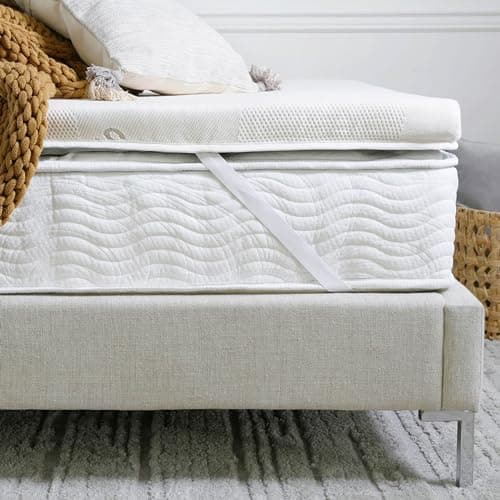
Saatva Topper vs Tempur-Pedic Topper (2026): Which Should You Actually Buy?
The Saatva topper is built around a straightforward 3-inch memory foam design with graphite infusion for cooling. Its pitch is simple: add contouring comfort and help regulate heat without overcomplicating the sleep setup.
What is Mattress Firmness Guide Explained? A Complete 2026 Guide
If you’re confused by mattress firmness labels like soft, medium, or firm, you’re not alone. The wrong firmness can leave you waking up with back pain, pressure points, or that “stuck in the bed” feeling that ruins sleep quality. This mattress firmness guide explained breaks down what firmness actua
Best Alternatives to memory foam mattress in 2026 — Cheaper, Better, or Both?
If you’re researching memory foam mattress alternatives , you’re probably weighing the usual tradeoffs: price, heat retention, and whether you really want to be locked into one feel for years. Memory foam can be comfortable, but it’s not always the best fit for hot sleepers, shared beds, or anyone w