

Who this is for: Best for shoppers who want to understand mattress firmness and choose the right feel for their sleep position and setup needs.
Check PriceWhat is Mattress Firmness Guide Explained? A Complete 2026 Guide
If you’re confused by mattress firmness labels like soft, medium, or firm, you’re not alone. The wrong firmness can leave you waking up with back pain, pressure points, or that “stuck in the bed” feeling that ruins sleep quality. This mattress firmness guide explained breaks down what firmness actually means, how it affects comfort and support, and how to choose the right feel for your body and sleep style.
Related Reviews
In simple terms, mattress firmness is how soft or hard a mattress feels when you lie on it, but it’s not the same as support. A mattress can feel plush on top while still supporting your spine underneath, which is why firmness is only one part of sleep comfort. Understanding the difference helps you shop smarter and avoid buying a mattress that looks right on paper but feels wrong at night.
This guide is based on product specifications, published descriptions, and owner feedback patterns—not hands-on testing. The goal is to help you understand firmness clearly so you can compare options with more confidence.
How It Works
Mattress firmness comes from the materials, layer thickness, and how much resistance those layers give when pressure is applied. Softer mattresses compress more easily, while firmer mattresses resist sinking and keep your body higher on the surface. Memory foam, for example, usually feels more contouring because it responds to heat and pressure, while higher-density support foams tend to feel steadier and more structured.
Most modern mattresses are built in layers, and each layer affects the overall feel. The top comfort layer creates the first impression—plush, cushiony, or responsive—while deeper layers determine how much the mattress supports your hips, shoulders, and lower back. That’s why two mattresses with similar firmness ratings can still feel noticeably different.
Your body weight and sleep position also change how firmness feels. Side sleepers usually need more pressure relief at the shoulders and hips, back sleepers often do best with balanced medium-firm support, and stomach sleepers usually need a firmer surface to help prevent the midsection from sinking too deeply.
Key Benefits & Use Cases
Choosing the right firmness can improve comfort, alignment, and sleep consistency. A good firmness level helps distribute body weight more evenly, which can reduce pressure buildup in sensitive joints and make it easier to relax into sleep. It can also limit motion transfer, which matters if you share the bed with a partner.
Here are the most common use cases:
- Side sleeping: Softer to medium-soft mattresses often help cushion shoulders and hips.
- Back sleeping: Medium-firm is often the sweet spot for balanced support.
- Stomach sleeping: Firmer surfaces can help keep the spine from bowing.
- Guest rooms: Medium or medium-firm tends to work for the widest range of sleepers.
- Portable or temporary setups: Thin foam options can be useful for travel, floor sleeping, or compact storage.
Firmness also matters if you’re shopping for cooling or motion isolation. For example, foam mattresses often absorb movement well, and some models add gel or breathable covers to improve temperature control. If you want a mattress that feels less bouncy and more contouring, foam construction is usually a strong place to start.
What to Look For When Buying
1. Firmness level that matches your sleep position
Start with your primary sleep position. Side sleepers usually want softer cushioning, back sleepers often prefer medium-firm, and stomach sleepers usually need firmer support. If you switch positions during the night, aim for a balanced middle-ground feel.
2. Pressure relief and contouring
A mattress should reduce pressure at the shoulders, hips, and lower back without making you feel trapped. Memory foam often excels here because it molds to the body and spreads weight more evenly. Look for descriptions that mention pressure relief, spinal alignment, or ergonomic support.
3. Motion isolation
If you sleep with a partner, motion isolation can matter as much as firmness. Foam layers are usually better at reducing bounce and vibration transfer than innerspring designs. That means fewer sleep disruptions if one person moves around or gets out of bed.
4. Cooling and airflow
Firmness and temperature are related because denser foams can retain heat. If you sleep hot, look for gel-infused foam, breathable covers, or airflow-focused construction. Cooling features won’t make a mattress feel dramatically firmer or softer, but they can make a big difference in comfort.
5. Thickness, portability, and setup needs
Thicker mattresses often offer more cushioning and support layers, while thinner mattresses are easier to move, store, or use on the floor. If you need a guest bed, dorm solution, or portable sleep surface, compact foam options may make more sense than a full-size premium mattress.
Top Recommended Products
Below are the products from the provided list, organized to help you understand how firmness-related needs can vary by use case. Because this is an educational guide, the recommendations focus on comfort style, support, and practical fit rather than hands-on testing.
Novilla 12 Inch Queen Mattress in a Box, Gel Memory Foam for Cooling Night 4.7★ (review count not provided) ✓ Prime
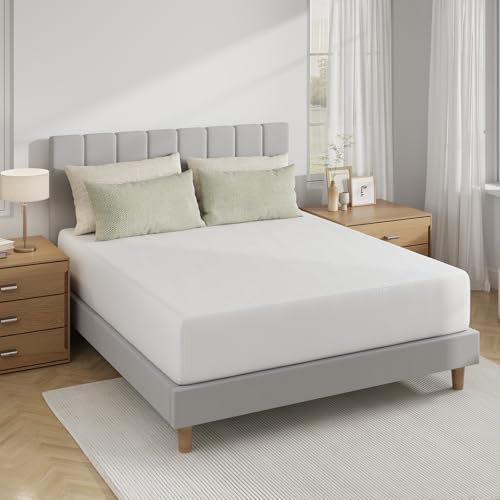


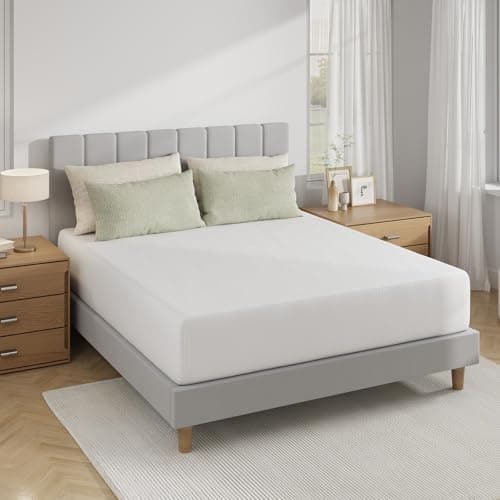
This queen-size mattress is the best fit in the list for shoppers who want a more traditional bedroom mattress with a balanced foam feel. The 12-inch profile, gel memory foam, and three-layer construction point to a comfort-first design that still aims to support spinal alignment. It’s especially appealing if you want a mattress that should feel more substantial than thin portable foam options.
- ✓ 12-inch profile offers a fuller mattress feel
- ✓ Gel memory foam is designed to improve cooling
- ✓ Three foam layers support pressure relief and motion isolation
- ✓ CertiPUR-US foam and OEKO-TEX cover certification add reassurance
- ✓ Queen-in-a-box format is easy to set up
- ✗ May be too contouring for sleepers who want a very firm feel
- ✗ Needs time to expand and air out after unpacking
- ✗ Best suited to queen setups, so it’s not a compact option
Memory Foam Mattress 2 Inch Twin Portable Use 4.5★ (review count not provided) ✓ Prime
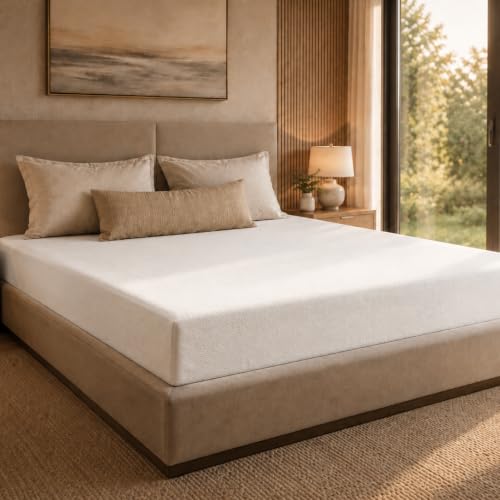
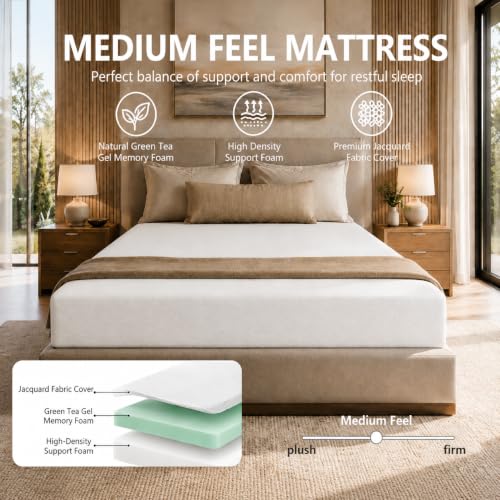

This is a lightweight, budget-friendly foam option for temporary setups or compact spaces. Its moderate soft-firm support makes it a useful example of how a mattress can offer some cushioning without excessive sinking. If you need an easy-to-handle twin mattress for occasional use, this is a practical choice.
- ✓ Moderate soft-firm feel helps avoid deep sinking
- ✓ Ergonomic foam supports natural spinal alignment
- ✓ Air circulation design aims to keep the surface fresh
- ✓ Silent foam layers reduce noise from movement
- ✓ Compressed packaging makes delivery and setup simple
- ✗ 2-inch thickness is limited for full-time adult use
- ✗ Best for portable or temporary sleeping needs
- ✗ Less cushioning than thicker mattresses
Compact Foam Mattress 2 Inch Twin Stores Without Bulk 4.5★ (review count not provided) ✓ Prime
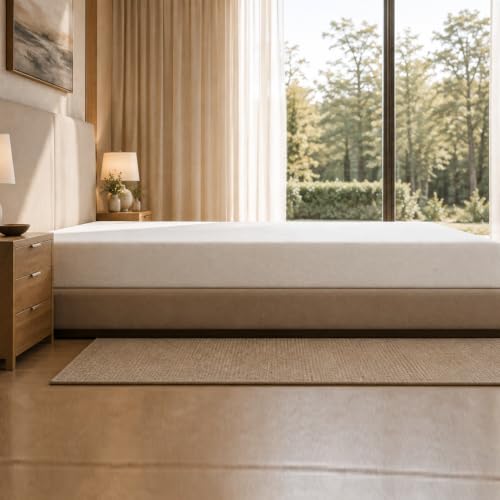
This twin foam mattress is geared toward low-bulk storage and flexible use. The emphasis on pressure-point relief, airflow, and motion separation makes it a good example of a compact mattress that still tries to balance comfort with practicality. It’s especially useful for apartments, guest rooms, and shared sleeping spaces.
- ✓ Adaptive foam targets pressure points
- ✓ Airflow design helps reduce overheating
- ✓ Motion separation can help shared sleepers
- ✓ Low-odor foam supports everyday use
- ✓ Compact size is easy to store
- ✗ Thin profile limits long-term plush comfort
- ✗ Better for secondary or occasional sleeping setups
- ✗ Not ideal if you want a deep mattress feel
2 Inch Twin Memory Foam Carry Fold Picnic Floor Mattress 4.4★ (review count not provided) ✓ Prime
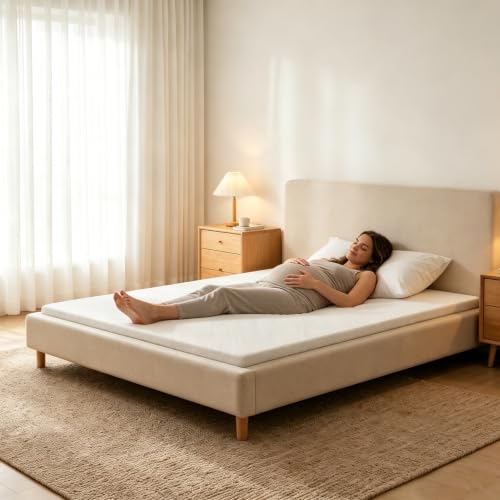


This foldable twin mattress is aimed at highly flexible use cases like guest stays, floor sleeping, or temporary homestay setups. Its slim profile and foldable storage design make it stand out if you care more about convenience than deep cushioning. The product description also suggests it’s built to handle repeated use better than a basic disposable pad.
- ✓ Foldable design saves storage space
- ✓ Thin profile works well for floor or guest use
- ✓ Pressure distribution helps improve comfort
- ✓ Durable construction supports frequent use
- ✓ Useful for homestays and temporary bedding
- ✗ Too thin for most primary beds
- ✗ Limited support compared with thicker mattresses
- ✗ Best as a specialty or backup sleep solution
Common Mistakes to Avoid
One of the biggest mistakes shoppers make is assuming firmness alone determines comfort. A mattress can feel firm but still contour well, or feel soft on top while offering strong support underneath. Always look at the full construction, not just the firmness label.
Another common mistake is choosing a mattress that’s too soft for your sleep position. This can cause the hips or midsection to sink too deeply, which may throw off spinal alignment. On the other hand, choosing something too firm can create pressure points, especially for side sleepers.
It’s also easy to overlook cooling features. If you sleep hot, a dense foam mattress without airflow or gel support may feel warmer than expected. Likewise, don’t forget practical details like thickness, setup time, and whether the mattress is intended for everyday use or occasional sleeping.
Finally, many buyers ignore the difference between a main mattress and a portable mattress. Thin foam products can be excellent for guests, travel, or storage, but they usually won’t replace a full-size primary mattress for long-term nightly use.
Frequently Asked Questions
What does mattress firmness mean?
Mattress firmness describes how soft or hard a mattress feels when you lie on it. It’s a comfort rating, not the same thing as support, and the right firmness depends on your body type and sleep position.
What firmness is best for side sleepers?
Side sleepers usually do best with a softer to medium mattress because it cushions the shoulders and hips. This helps reduce pressure buildup and keeps the spine in a more natural line.
Is a firmer mattress better for back pain?
Not always. Many people with back pain prefer medium-firm support because it balances pressure relief and spinal alignment better than an extra-soft or extra-firm mattress.
Are foam mattresses good for motion isolation?
Yes, foam mattresses are usually strong at reducing motion transfer. That makes them a good choice for couples or light sleepers who are easily disturbed by movement.
Can a thin mattress still be comfortable?
Yes, but usually for specific uses like guest beds, floor sleeping, travel, or occasional use. Thin mattresses are more portable, but they usually offer less cushioning and long-term support than thicker models.
Pros
- + Helps explain soft vs firm mattress feel
- + Covers sleep position and support needs
- + Includes buying criteria and common mistakes
- + Shows practical product examples for different use cases
- + Uses research-based product specs and owner feedback patterns
Cons
- – Not based on hands-on testing
- – Thin foam options are not ideal for every sleeper
- – Firmness labels can still vary by brand
Frequently asked questions
- What does mattress firmness mean?
- Mattress firmness describes how soft or hard a mattress feels when you lie on it. It’s a comfort rating, not the same thing as support, and the right firmness depends on your body type and sleep position.
- What firmness is best for side sleepers?
- Side sleepers usually do best with a softer to medium mattress because it cushions the shoulders and hips. This helps reduce pressure buildup and keeps the spine in a more natural line.
- Is a firmer mattress better for back pain?
- Not always. Many people with back pain prefer medium-firm support because it balances pressure relief and spinal alignment better than an extra-soft or extra-firm mattress.
- Are foam mattresses good for motion isolation?
- Yes, foam mattresses are usually strong at reducing motion transfer. That makes them a good choice for couples or light sleepers who are easily disturbed by movement.
- Can a thin mattress still be comfortable?
- Yes, but usually for specific uses like guest beds, floor sleeping, travel, or occasional use. Thin mattresses are more portable, but they usually offer less cushioning and long-term support than thicker models.
Get the Full Home Buyer's Guide
Join our free newsletter — we'll send our latest Home picks, specs and verdicts straight to your inbox.
Free. No spam. Unsubscribe anytime.
Was this review helpful?
Be the first to share your feedback on this review.
Sign in to vote and let us know what you think.
Discussion (0)
No comments yet. Be the first to start the discussion.
Related Reviews
Best Alternatives to memory foam mattress in 2026 — Cheaper, Better, or Both?
If you’re researching memory foam mattress alternatives , you’re probably weighing the usual tradeoffs: price, heat retention, and whether you really want to be locked into one feel for years. Memory foam can be comfortable, but it’s not always the best fit for hot sleepers, shared beds, or anyone w
Best Luxury Mattresses Under $2000 for Every Budget in 2026: Ranked by Price & Performance
If you’re searching for the best luxury mattresses under $2000 , the challenge is separating true comfort upgrades from marketing fluff. In this guide, we’re using a price-tiered approach so you can see what each budget level realistically buys, from the most affordable option to the best premium-st
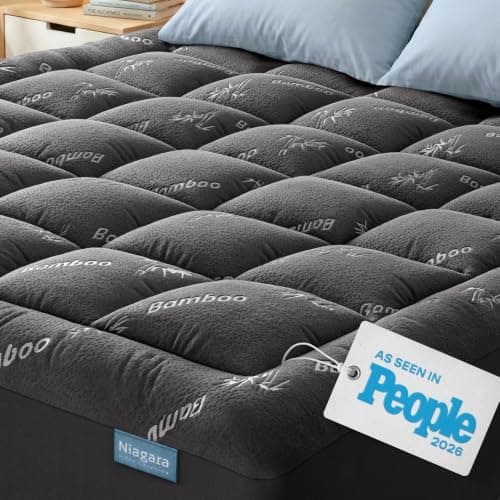
How to Choose the Best Mattress Topper in 2026: Complete Buying Guide
If your mattress feels too firm, too hot, or just plain tired, the right topper can make a bigger difference than many shoppers expect. The challenge is that most buyers focus on thickness alone and ignore the real factors that determine comfort, support, and fit. This guide to how to choose a mattr