

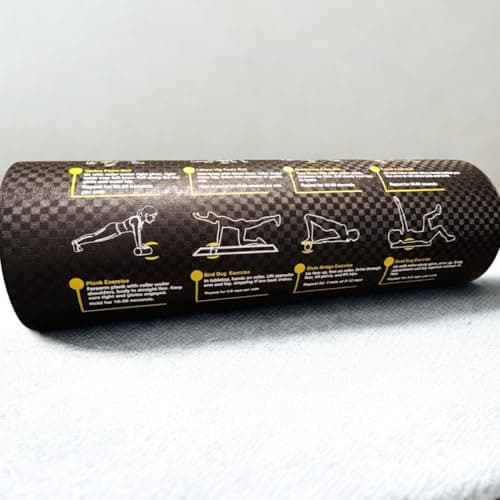
Who this is for: Best for beginners who want an easy, guided foam rolling tool for mobility, warm-ups, and recovery.
Check PriceWhat is Foam Rolling Guide Beginners? A Complete 2026 Guide
If you’re searching for a foam rolling guide beginners can actually follow, you probably want one thing: less confusion and better results without wasting money on the wrong roller. Foam rolling can feel intimidating at first, but the basics are simple once you understand what it does and how to use it safely. This guide explains the method, the benefits, what to buy, and the most common beginner mistakes so you can start with confidence.
Related Reviews
Important note: this is a research-based educational explainer built from product specs, published reviews, owner feedback, and comparisons — not hands-on testing.
How It Works
Foam rolling is a form of self-myofascial release, which is a fancy way of saying you use your body weight on a firm roller to apply pressure to muscles and the tissue around them. That pressure can help reduce the feeling of tightness, improve your sense of mobility, and make it easier to move through warm-ups, cooldowns, and recovery sessions. For beginners, the goal is not to “smash” sore spots — it’s to use controlled pressure and slow movement to encourage better tissue tolerance and body awareness.
The roller itself is simple: a cylindrical tool made from foam or foam-like materials with different firmness levels. When you place a muscle group on the roller and slowly move back and forth, you’re creating a combination of pressure and motion that many people find helpful before or after exercise. Research and owner feedback commonly point to short sessions working best, especially when you’re just starting out.
Beginners usually do best by rolling major muscle groups like the calves, quads, hamstrings, glutes, and upper back. You should avoid rolling directly over joints, the lower spine, or any area that causes sharp pain. A little discomfort is normal; strong pain is a sign to back off and use less pressure.
Key Benefits & Use Cases
Foam rolling is popular because it’s low-cost, easy to learn, and useful in a wide range of routines. While it isn’t a cure-all, it can be a practical tool for people who want to feel looser and more prepared for movement.
Common benefits
- May help reduce the feeling of muscle tightness after workouts.
- Can support warm-ups by helping you move more comfortably.
- Often used in cooldowns to promote a relaxed recovery routine.
- Useful for people who sit a lot and want to address stiffness in the hips, back, or legs.
- Can improve body awareness, especially for beginners learning where they hold tension.
Best use cases
- Pre-workout: light rolling to prepare muscles for exercise.
- Post-workout: slower sessions to ease the transition into recovery.
- Mobility work: pairing rolling with stretching or movement drills.
- Physical therapy support: as part of a broader recovery plan when approved by a professional.
- Travel or home fitness: quick sessions when you don’t have access to massage tools or a gym.
What to Look For When Buying
If you’re buying your first roller, the best choice is usually the one that feels stable, easy to use, and not overly aggressive. Here are five criteria that matter most for beginners.
1. Density and firmness
Beginners often do better with a medium-density roller rather than an extremely hard one. A gentler surface is easier to tolerate and helps you build confidence before moving to firmer options.
2. Size and portability
Standard rollers are easier for full-body use, while lighter and shorter models are better if you need something for travel, small spaces, or gym bags. The right size depends on where you’ll use it most.
3. Surface texture
Smooth rollers are usually the simplest starting point because they distribute pressure more evenly. Textured rollers can feel more intense and may be better once you already know how your body responds.
4. Durability and material quality
Look for rollers made with materials that hold their shape over time. A durable outer layer and supportive core matter if you’ll use the roller several times a week.
5. Ease of learning
For beginners, any built-in guidance can be a big plus. Printed exercise cues, clear instructions, or simple visuals can make it easier to use the roller correctly without constantly looking up routines.
Top Recommended Products
Below is the most relevant beginner-friendly option from the product list. It stands out because it combines portability, durability, and built-in exercise guidance, which is especially helpful if you’re following a foam rolling guide beginners can use right away.
Foam Roller with Printed Exercises, 17.7'' x 6'' Lightweight EPE/PE 4.7★ (32.00) ✓ Prime
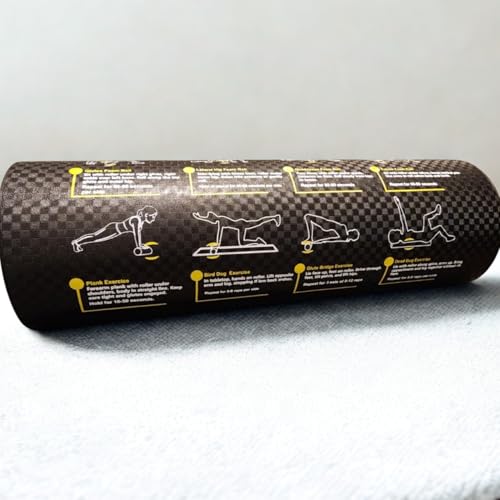


This roller is designed with beginners in mind. The printed exercise cues directly on the roller make it easier to follow a routine without needing a separate app or guide, and the lightweight build makes it easy to carry to the gym or store at home. Its dual-layer construction also gives it a practical balance of support and comfort for warm-ups, cooldowns, and general mobility work.
✓ Prime
- 12 exercises printed directly on the roller for quick reference.
- Lightweight and travel-friendly at 420–430g.
- Durable dual-layer construction with EPE foam core and PE outer layer.
- Smooth, sweat-resistant surface that’s easy to clean.
- Suitable for warm-ups, cooldowns, mobility, and recovery routines.
✓ Best for beginners who want simple guidance built into the roller
✓ Compact enough for home use, gym bags, and travel
✓ Good balance of firmness and usability for everyday recovery
Common Mistakes to Avoid
Foam rolling is simple, but beginners often get better results when they avoid a few common errors.
- Using too much pressure too soon: Pain does not mean progress. Start gently and increase intensity gradually.
- Rolling too fast: Slow, controlled passes are usually more effective than rushing.
- Spending too long on one spot: A little focused time is fine, but endless pressure can irritate tissues.
- Rolling the wrong areas: Avoid joints, bones, and the lower spine. Focus on muscle groups instead.
- Skipping warm-up or breathing: Relaxed breathing and light movement can make sessions feel smoother and more productive.
A good beginner rule is to keep sessions short, stay on major muscle groups, and stop if the sensation turns sharp or unpleasant. If you have an injury, medical condition, or persistent pain, it’s smart to check with a qualified professional before using a roller regularly.
Frequently Asked Questions
1. How often should beginners foam roll?
Most beginners can start with a few minutes per session, several times per week, depending on comfort and activity level. Short, consistent sessions are usually better than long, intense ones.
2. Is foam rolling supposed to hurt?
No, it should not be sharply painful. Mild discomfort or pressure is normal, but strong pain usually means you’re using too much force or rolling the wrong area.
3. What muscles should I roll first?
Beginners often start with the calves, quads, hamstrings, glutes, and upper back. These are common areas where people carry tension from exercise or sitting.
4. Should I foam roll before or after a workout?
You can do both. Light rolling before a workout may help you feel more prepared, while slower rolling after exercise is often used in recovery routines.
5. What is the best foam roller for beginners?
A medium-density roller with a simple, smooth design is usually the easiest starting point. A model with printed exercise guidance, like the Foam Roller with Printed Exercises, 17.7'' x 6'' Lightweight EPE/PE, can make learning much easier.
Pros
- + Printed exercises for easy beginner guidance
- + Lightweight and travel-friendly
- + Durable dual-layer EPE/PE construction
- + Smooth, easy-to-clean surface
- + Suitable for warm-ups and recovery
Cons
- – Only one product option in the list
- – May feel basic for users wanting textured pressure
- – Not a substitute for professional care
Frequently asked questions
- How often should beginners foam roll?
- Most beginners can start with a few minutes per session, several times per week, depending on comfort and activity level. Short, consistent sessions are usually better than long, intense ones.
- Is foam rolling supposed to hurt?
- No, it should not be sharply painful. Mild discomfort or pressure is normal, but strong pain usually means you’re using too much force or rolling the wrong area.
- What muscles should I roll first?
- Beginners often start with the calves, quads, hamstrings, glutes, and upper back. These are common areas where people carry tension from exercise or sitting.
- Should I foam roll before or after a workout?
- You can do both. Light rolling before a workout may help you feel more prepared, while slower rolling after exercise is often used in recovery routines.
- What is the best foam roller for beginners?
- A medium-density roller with a simple, smooth design is usually the easiest starting point. A model with printed exercise guidance, like the Foam Roller with Printed Exercises, 17.7'' x 6'' Lightweight EPE/PE, can make learning much easier.
Score breakdown
- value
- 8.0
- usability
- 9.0
- durability
- 8.0
- performance
- 8.0
- buyerFeedback
- 8.0
Get the Full Health & Fitness Buyer's Guide
Join our free newsletter — we'll send our latest Health & Fitness picks, specs and verdicts straight to your inbox.
Free. No spam. Unsubscribe anytime.
Was this review helpful?
Be the first to share your feedback on this review.
Sign in to vote and let us know what you think.
Discussion (0)
No comments yet. Be the first to start the discussion.
Related Reviews
8 Best Stretching Straps in 2026 — Better Flexibility, Safer Home Stretching
If you’re looking for the best stretching straps, you probably want one tool that makes hamstring, back, hip, and shoulder stretches easier without overcomplicating your routine. The strongest picks are non-elastic, looped straps that give you better control, safer positioning, and a more consistent
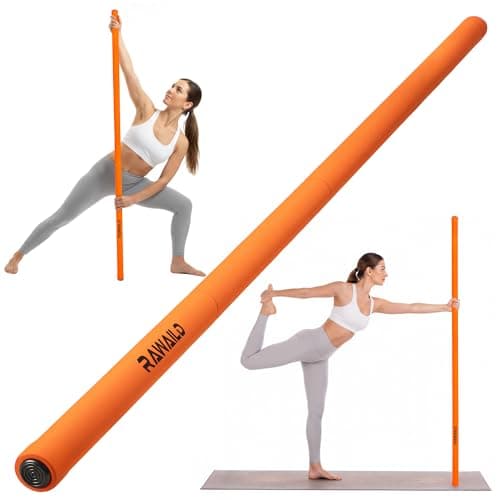
8 Best Mobility Tools in 2026 — Smarter Recovery, Stretching, and Everyday Movement Support
If stiffness, tight shoulders, weak grip, or limited reach are slowing you down, the right mobility tool can make daily movement feel easier again. This roundup of the best mobility tools 2026 focuses on compact, affordable, and highly practical options for stretching, self-massage, balance, hand re
8 Best Ice Packs for Injuries in 2026 — Fast Relief for Swelling, Sprains, and Recovery
If you’re dealing with a sprain, swollen joint, post-workout soreness, or a minor sports injury, the right ice pack can make a big difference in comfort and recovery. The challenge is choosing one that actually fits your situation: reusable vs. disposable, flexible vs. rigid, small vs. full-coverage