

Who this is for: Best for lifters who want a researched comparison of belts for squats, deadlifts, and mixed gym training.
8 Best Lifting Belts in 2026 — Stronger Bracing, Better Support, and Faster Set Changes
If you’re searching for the best lifting belts 2026, you probably want one thing: more confidence under the bar without wasting money on the wrong style. The hard part is that not every belt is built for the same lifter—some are better for heavy powerlifting, others for fast-paced CrossFit, and a few are ideal if you want comfort and easy adjustments. This research-based roundup compares published specs, feature sets, pricing, and owner feedback patterns to help you narrow down the best options faster.
Related Reviews
Because belt choice depends on training style, we included leather lever belts, prong belts, and quick-adjust nylon models. That means you can find a belt for max-effort squats, deadlifts, Olympic lifts, or general strength training. If you want the safest bet for your goals, start with the Quick Picks table below.
Quick Picks
| Rank | Product | Price | Best For |
|---|---|---|---|
| 1 | Element 26 Self-Locking Weight Lifting Belt | $34.97 | Fast adjustments, Olympic lifting, and versatile gym use |
| 2 | Gymreapers Leather Weightlifting Belt | $49.99 | Classic leather support with a lighter feel |
| 3 | DMoose Fitness Weight Lifting Belt | $24.99 | Budget buyers who want extra back coverage |
| 4 | Dark Iron Fitness Genuine Leather Weightlifting Belt | $59.99 | Serious lifters who want rigid leather support |
| 5 | Powerlifting Belts Lever Belt For Men and Women 9mm IPF Thick Leather Weight Lifting Belt | $23.99 | Heavy powerlifting on a tight budget |
| 6 | RitFit Weight Lifting Belt 6 Inch | $21.99 | Extra-wide support for general strength work |
| 7 | Gymreapers Quick Locking Weight Lifting Belt | $34.97 | Functional training and quick transitions |
| 8 | Dark Iron Fitness Genuine Leather Weightlifting Belt | $53.99 | Lifters wanting a second Dark Iron listing with a slightly lower price |
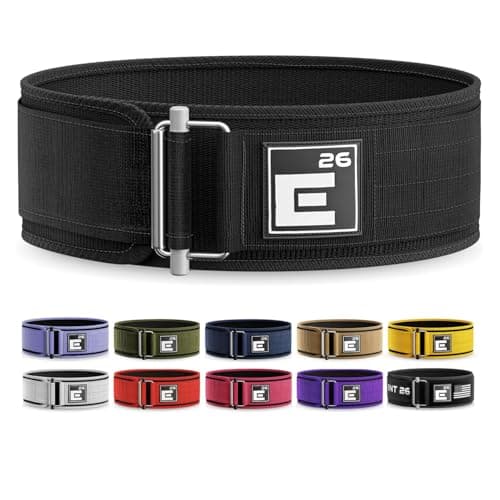
1. Element 26 Self-Locking Weight Lifting Belt (M, Black) — Best Overall for Fast, Reliable Adjustments
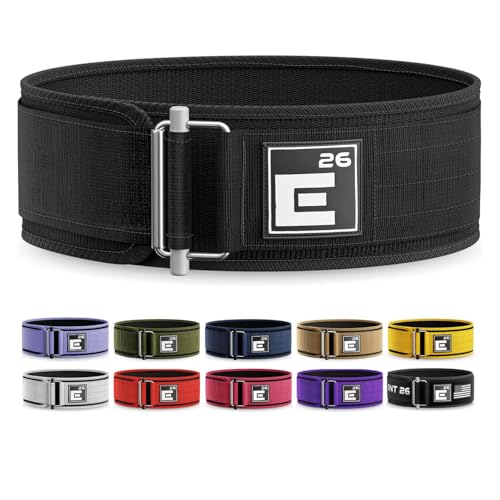

Verdict: This is the best all-around pick if you want a competition-approved nylon belt that’s easy to tighten, quick to release, and versatile enough for strength training, Olympic lifts, and general gym work.
- ✓ Self-locking metal buckle provides secure, automatic engagement under load
- ✓ Infinitely adjustable fit helps dial in pressure more precisely than fixed-hole belts
- ✓ Breathable nylon construction is less likely to trap sweat than leather
- ✓ Competition-approved 4-inch profile suits weightlifting and functional fitness
- ✗ Not the best choice if you specifically want the rigid feel of a thick leather powerlifting belt
- ✗ Nylon belts can feel less “locked in” than lever belts for maximal singles
- ✗ M sizing means buyers need to check measurements carefully before ordering
- ✗ Best for versatility, not for lifters who only want old-school leather durability
2. Gymreapers Leather Weightlifting Belt for Bodybuilding, Squatting, Lower Back Support & Back Pain - Real Leather, Adjustable Buckle Sizing - Men Women — Best Leather Belt for Comfort
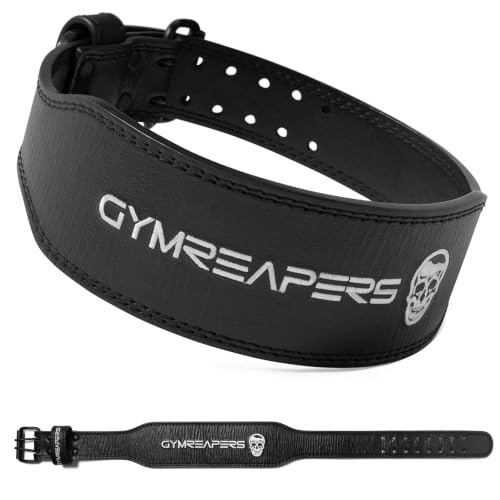

Verdict: A strong choice for lifters who want real leather support without the bulky feel that turns some people off traditional belts.
- ✓ Real reinforced leather and stitching for a more durable feel
- ✓ Lightweight 1.5-pound design is easier to carry and store
- ✓ 4-inch width gives solid back support for squats and deadlifts
- ✓ Adjustable buckle sizing helps create a more personalized fit
- ✗ Leather belts usually take longer to break in than nylon models
- ✗ Not as fast to adjust as a quick-locking or lever belt
- ✗ Pricier than several budget-friendly options in this list
- ✗ Best suited to traditional lifting, not fast circuit-style training
3. DMoose Fitness Weight Lifting Belt for Squats, Deadlift & Intense Workout - 6" Adjustable Fit Auto Lock Weightlifting Belt for Men & Women - Neoprene Gym Belts for Stability (Black 2.0) — Best Budget Belt with Extra Back Coverage
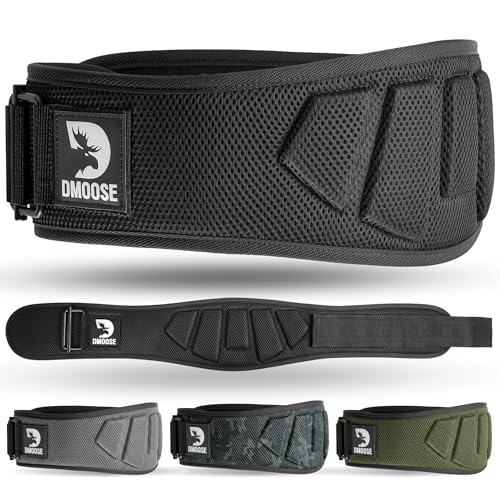

Verdict: If you want a low-cost belt with a wider back panel and easy hook-and-loop adjustment, this is one of the most practical value picks.
- ✓ 6-inch back support offers more coverage than standard 4-inch belts
- ✓ Neoprene and nylon build balances flexibility with durability
- ✓ Hook-and-loop closure makes on-the-fly adjustments simple
- ✓ Breathable foam core adds comfort for longer sessions
- ✗ Hook-and-loop style may not feel as secure as leather or lever belts for max lifts
- ✗ Best for general training rather than elite-level powerlifting
- ✗ Neoprene construction may not appeal to lifters who prefer rigid support
- ✗ Wider profile can feel bulky on some torso shapes
4. Dark Iron Fitness Genuine Leather Weightlifting Belt, 4 Inch Wide for Men Women with Double Prong Buckle Reinforced Stitching, Powerlifting Deadlift Squat Training Core Support Gym Strength Workout — Best Heavy-Duty Leather Support
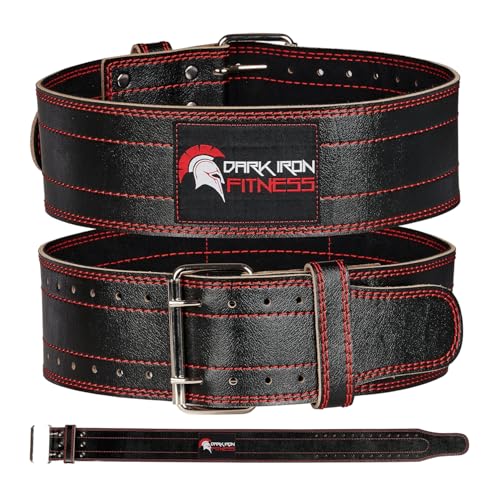

Verdict: This is a solid option for lifters who want a stiff, classic leather belt with strong sizing coverage and a secure buckle system.
- ✓ Genuine leather with double-row stitching for a durable build
- ✓ Double-prong buckle adds security for heavy lifts
- ✓ 4-inch width works well for squats, deadlifts, and pressing
- ✓ Wide size range and 12 holes help with fit precision
- ✗ Leather can feel stiff before it fully conforms to your torso
- ✗ Double-prong buckles are slower to adjust than lever systems
- ✗ Higher price than several competing belts in this roundup
- ✗ Not ideal if you want a lightweight belt for fast workouts
5. Powerlifting Belts Lever Belt For Men and Women 9mm IPF Thick Leather Weight Lifting Belt Ideal for Gym Belts Training Weightlifting and Bodybuilding Squats and Deadlifts (Small (26"-32")) — Best for Maximal Powerlifting on a Budget
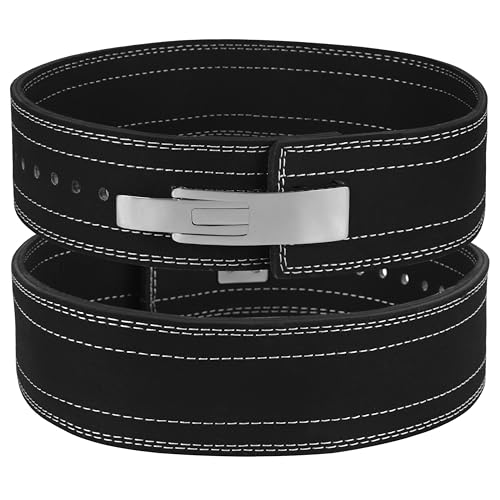

Verdict: If your goal is heavy squats and deadlifts with a firm lever setup, this is one of the most affordable ways to get there.
- ✓ 9mm thick leather offers a rigid, confidence-inspiring feel
- ✓ Lever buckle allows fast tightening and release
- ✓ Built for heavy powerlifting and compound lifts
- ✓ Lifetime customer support and replacement warranty add value
- ✗ Lever belts are less forgiving if your waist fluctuates between sessions
- ✗ Small size only means it won’t fit every buyer
- ✗ Thick leather can feel aggressive for newer lifters
- ✗ Best for max-effort lifting, not general fitness circuits
6. RitFit Weight Lifting Belt 6 Inch for Squats Deadlift Strength Training — Best Extra-Wide Belt for General Training


Verdict: A practical, comfortable pick for lifters who want a wide belt with easy adjustments and broad exercise coverage.
- ✓ 6-inch contoured design provides broad support across the core
- ✓ Reinforced tricot construction is built for durability
- ✓ Velcro strap makes fit changes quick and simple
- ✓ Multiple sizes and colors make it easy to match your setup
- ✗ Velcro-style closure is not as rigid as a leather belt for maximal attempts
- ✗ Some lifters prefer a narrower profile for better mobility
- ✗ The “average 10% increase” claim should be treated as marketing, not a guarantee
- ✗ Less suited to competitive powerlifting than a lever or prong belt
7. Gymreapers Quick Locking Weight Lifting Belt for Men Gym Belt for Powerlifting Deadlift Belt with 4 Inch Neoprene Metal Buckle Back Support Weightlifting Belt Women (Black, Large) — Best for Fast Cross-Training Transitions

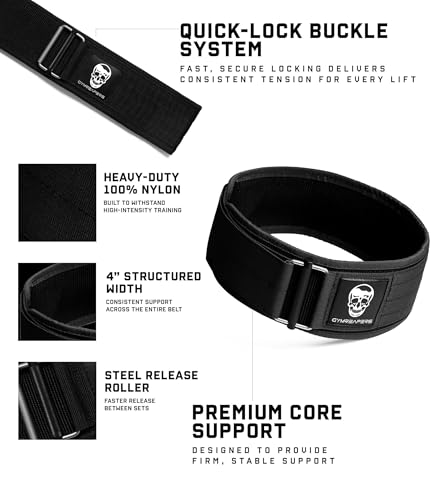
Verdict: This is the better Gymreapers pick if you care more about quick on/off convenience and functional training than the feel of traditional leather.
- ✓ Quick locking buckle reduces downtime between movements
- ✓ 4-inch uniform width supports core bracing across exercises
- ✓ Lightweight nylon build is easier to move in than thick leather
- ✓ Competition-tested approval adds confidence for serious training
- ✗ Neoprene/nylon feel may not satisfy lifters who want a rigid belt
- ✗ Sizing guidance requires careful measuring around the navel
- ✗ Less traditional than lever or prong belts for pure powerlifting
- ✗ Best for mixed training, not maximum stiffness
8. Dark Iron Fitness Genuine Leather Weightlifting Belt, 4 Inch Wide for Men Women with Double Prong Buckle Reinforced Stitching, Powerlifting Deadlift Squat Training Core Support Gym Strength Workout — Best Alternative Leather Pick for Precise Fit
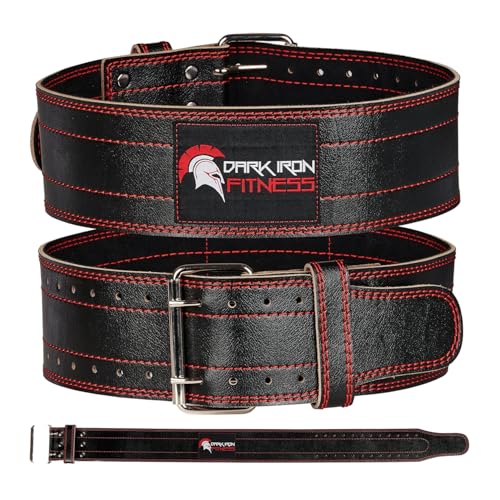
Verdict: Since this listing mirrors the same core Dark Iron design, it works as another option for buyers who want the brand’s leather-and-prong formula with a slightly different price point.
- ✓ Genuine leather construction with reinforced stitching
- ✓ Double-prong buckle supports secure heavy lifting
- ✓ 4-inch width balances support and movement
- ✓ Multiple sizes help fine-tune the fit
- ✗ Essentially the same style as the other Dark Iron listing
- ✗ Slower to adjust than quick-lock or lever belts
- ✗ Not the cheapest option in the roundup
- ✗ Leather belts are less convenient for fast conditioning sessions
How We Chose These Products
To build this roundup, we compared product specs, belt construction, sizing systems, closure types, and published feature claims from the listed products. We also weighed price positioning, Prime availability, and the kinds of use cases owners typically discuss in reviews, such as comfort, ease of tightening, and how secure the belt feels under load.
Our selection criteria prioritized:
- Support and stability for squats, deadlifts, and compound lifts
- Adjustability and ease of use between sets
- Material quality, including leather, nylon, neoprene, and stitching
- Value for money across budget and premium options
- Fit range and suitability for different training styles
Because this is a research-based review, we did not personally test or own these belts. Instead, the rankings reflect published specs, owner feedback patterns, and comparison-based judgment for commercial-intent shoppers.
Frequently Asked Questions
What type of lifting belt is best for beginners?
For most beginners, a nylon or quick-adjust belt is easier to live with because it’s more comfortable, easier to tighten, and less intimidating than a stiff leather lever belt.
Are leather belts better than nylon lifting belts?
Leather belts usually offer a more rigid, traditional feel that many powerlifters prefer, while nylon belts are lighter, more flexible, and faster to adjust. The better choice depends on your training style.
How tight should a lifting belt be?
A lifting belt should be snug enough to let you brace hard against it, but not so tight that you can’t breathe and expand your torso. You want firm support, not a squeeze that limits movement.
Do I need a 4-inch or 6-inch lifting belt?
Most lifters do well with 4-inch belts, especially for powerlifting and Olympic lifts. A 6-inch belt can offer more back coverage, but some people find it bulky or restrictive.
Which lifting belt is best for powerlifting?
For pure powerlifting, a rigid leather belt with a lever or prong closure is usually the best fit. In this list, the lever and leather options are the closest match for heavy squat and deadlift work.
Pros
- + Fast self-locking adjustment
- + Leather and nylon options for different training styles
- + Budget-friendly picks available
- + Competition-approved models included
- + Easy-to-compare support levels
Cons
- – Not every belt suits maximal powerlifting
- – Some options are less rigid than leather belts
- – Sizing needs careful attention
- – A few listings are similar or redundant
Frequently asked questions
- What type of lifting belt is best for beginners?
- For most beginners, a nylon or quick-adjust belt is easier to live with because it’s more comfortable, easier to tighten, and less intimidating than a stiff leather lever belt.
- Are leather belts better than nylon lifting belts?
- Leather belts usually offer a more rigid, traditional feel that many powerlifters prefer, while nylon belts are lighter, more flexible, and faster to adjust. The better choice depends on your training style.
- How tight should a lifting belt be?
- A lifting belt should be snug enough to let you brace hard against it, but not so tight that you can’t breathe and expand your torso. You want firm support, not a squeeze that limits movement.
- Do I need a 4-inch or 6-inch lifting belt?
- Most lifters do well with 4-inch belts, especially for powerlifting and Olympic lifts. A 6-inch belt can offer more back coverage, but some people find it bulky or restrictive.
- Which lifting belt is best for powerlifting?
- For pure powerlifting, a rigid leather belt with a lever or prong closure is usually the best fit. In this list, the lever and leather options are the closest match for heavy squat and deadlift work.
Get the Full Health & Fitness Buyer's Guide
Join our free newsletter — we'll send our latest Health & Fitness picks, specs and verdicts straight to your inbox.
Free. No spam. Unsubscribe anytime.
Was this review helpful?
Be the first to share your feedback on this review.
Sign in to vote and let us know what you think.
Discussion (0)
No comments yet. Be the first to start the discussion.
Related Reviews
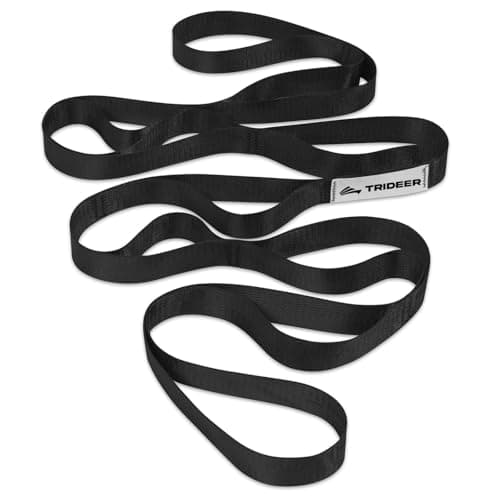
8 Best Stretching Straps in 2026 — Better Flexibility, Safer Home Stretching
If you’re looking for the best stretching straps, you probably want one tool that makes hamstring, back, hip, and shoulder stretches easier without overcomplicating your routine. The strongest picks are non-elastic, looped straps that give you better control, safer positioning, and a more consistent
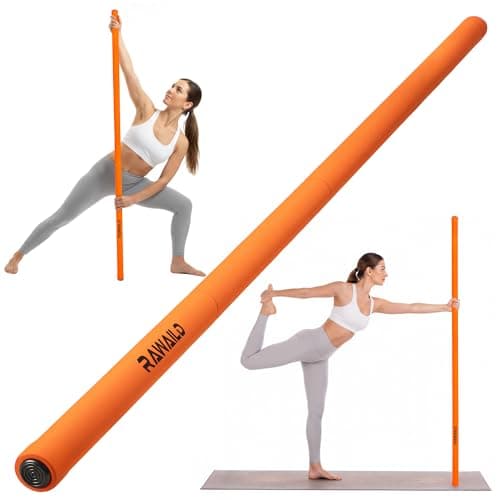
8 Best Mobility Tools in 2026 — Smarter Recovery, Stretching, and Everyday Movement Support
If stiffness, tight shoulders, weak grip, or limited reach are slowing you down, the right mobility tool can make daily movement feel easier again. This roundup of the best mobility tools 2026 focuses on compact, affordable, and highly practical options for stretching, self-massage, balance, hand re
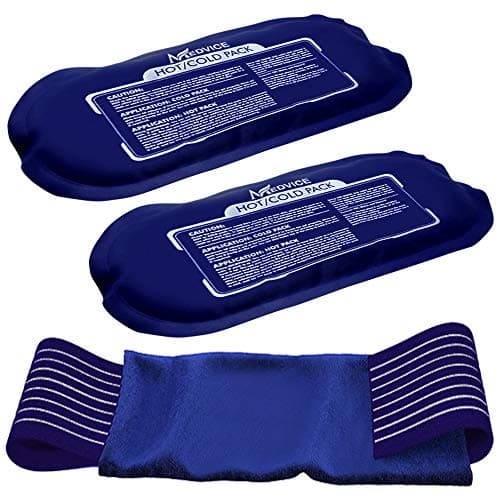
8 Best Ice Packs for Injuries in 2026 — Fast Relief for Swelling, Sprains, and Recovery
If you’re dealing with a sprain, swollen joint, post-workout soreness, or a minor sports injury, the right ice pack can make a big difference in comfort and recovery. The challenge is choosing one that actually fits your situation: reusable vs. disposable, flexible vs. rigid, small vs. full-coverage