

Who this is for: Best for home users who want a reliable blood pressure monitor under $50 with clear displays and easy tracking.
Best Blood Pressure Monitors for Every Budget in 2026: Ranked by Price & Performance
If you’re trying to find the best blood pressure monitors under $50, the hard part isn’t finding options—it’s separating genuinely useful monitors from cheap devices that are hard to read, awkward to use, or too limited for daily tracking. The good news is that budget, mid-range, and near-premium picks can all make sense depending on whether you want the lowest upfront cost, the easiest-to-use display, or the strongest app-based tracking. This guide breaks down the best value at each price tier so you can buy once and monitor with confidence.
Related Reviews
Best Budget Pick
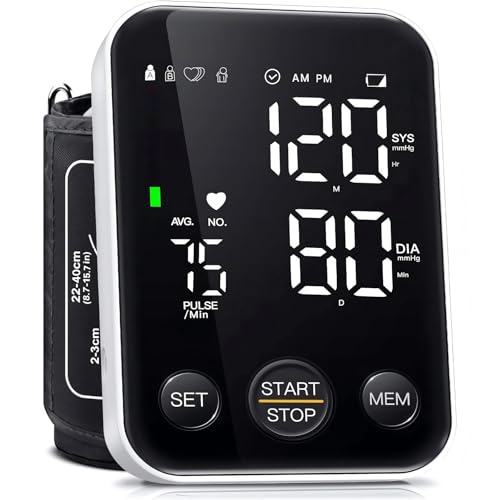


Oklar FDA Cleared Blood Pressure Monitor Upper Arm BP Machine for Home Use is the most affordable option in this roundup, and it earns that spot by keeping the basics simple: one-button operation, a large LED display, and storage for up to 240 readings for two users. At $22.99, it’s the strongest choice if your main goal is reliable home monitoring without paying extra for app syncing or premium extras you may never use. ✓ Prime
Price: $22.99 13% OFF
Why it stands out
The Oklar is a practical budget pick for seniors, first-time buyers, and families who want a straightforward arm monitor with a readable screen. The dual-user memory is especially useful at this price, since many low-cost monitors cut storage to keep costs down.
✓ Pros
- Very low entry price for an upper-arm monitor
- One-button operation is easy for beginners
- Large LED display is easy to read
- Stores 240 readings for two users
- Dual power support adds flexibility at home or on the go
✗ Cons
- No Bluetooth or smartphone app syncing
- Cuff range is narrower than some higher-tier models
- Best for basic tracking, not advanced trend management
Best Mid-Range Pick
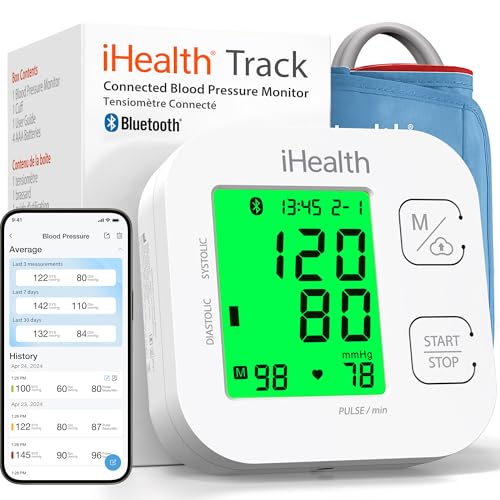
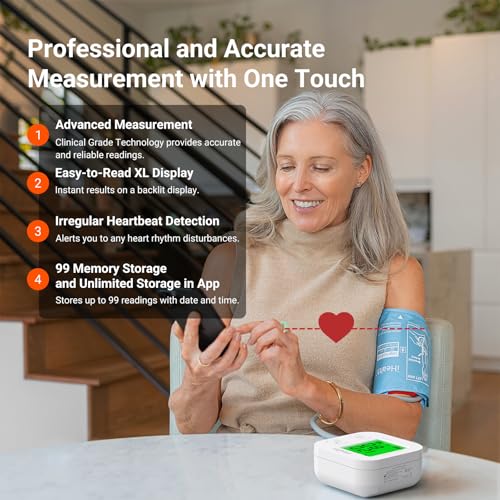

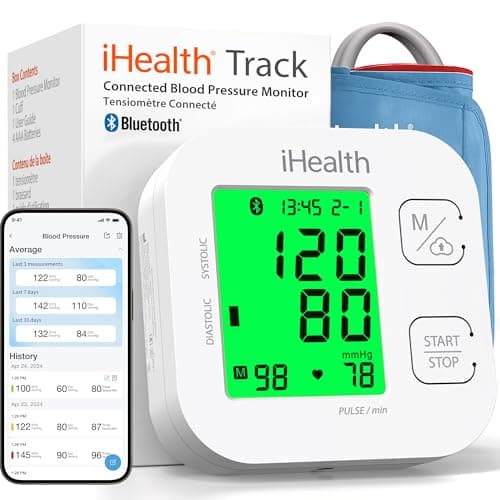
iHealth Track Smart Upper Arm Blood Pressure Monitor with Wide-Range Cuff is the best sweet-spot option for shoppers who want a more polished experience without jumping into premium pricing. At $39.99, it adds a multi-color backlit display, app syncing, and 99 on-device readings, which makes it a smarter buy for people who plan to track numbers over time instead of just taking occasional spot checks. ✓ Prime
Price: $39.99 Was $49.98 20% OFF
Why it stands out
This model hits the best balance of price, usability, and data tracking. The large color-coded display is easier to interpret than plain monochrome screens, and the app support makes it more useful for people who want to share readings with a doctor or watch long-term trends.
✓ Pros
- Strong value for the feature set
- Color-coded backlit display is easy to understand at a glance
- Bluetooth app support for unlimited smartphone storage
- Stores 99 readings on-device
- Wide-range cuff fits a broad range of users
✗ Cons
- Still not as premium or polished as top-tier smart monitors
- Requires app setup to get the most out of it
- Not the cheapest option in the guide
Best Premium Pick
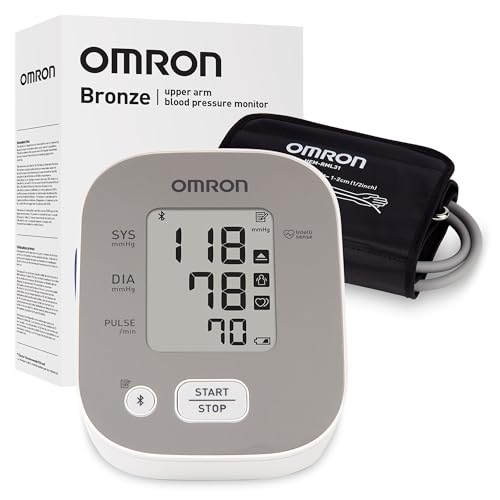


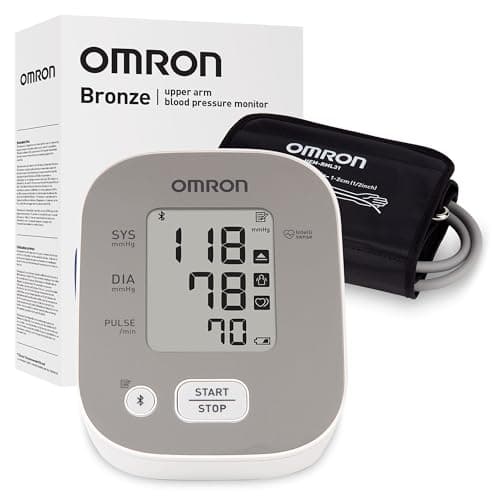
OMRON Bronze Blood Pressure Monitor & Upper Arm Blood Pressure Cuff is the best-in-class pick in this budget guide because it combines brand trust, app connectivity, and advanced accuracy features in a package that still stays under $50. At $46.43, it’s the most compelling option for buyers who want the strongest overall mix of confidence, convenience, and long-term tracking—especially if they care about irregular heartbeat detection and easy sharing through the OMRON connect app. ✓ Prime
Price: $46.43
Why it stands out
Compared with the cheaper picks, the OMRON Bronze feels more complete for serious home monitoring. It includes a wide-range cuff, 14-reading memory on the device, Bluetooth syncing, and compatibility with Apple Health and Google Fit, which makes it the best fit for buyers who want a monitor that can grow with their routine.
✓ Pros
- Advanced Accuracy Technology for more confidence in readings
- Irregular heartbeat detection adds useful health alerts
- Bluetooth app syncing with unlimited storage in OMRON connect
- Compatible with Apple Health and Google Fit
- Includes cuff, batteries, storage case, and quick start guide
✗ Cons
- Costs more than the other sub-$50 picks
- On-device memory is only 14 readings
- Best value depends on whether you’ll actually use the app
Is Spending More Actually Worth It?
For most shoppers looking for the best blood pressure monitors under $50, spending more can be worth it—but only up to a point. The jump from the $20s to the $30s and $40s usually buys you a better display, smarter memory management, app syncing, and features that make daily use less frustrating.
If you only need occasional readings for a single user, the budget pick is probably enough. But if you plan to track trends, share reports with a doctor, or have multiple people using the same device, the mid-range and premium options justify their higher prices much more easily.
The biggest value difference is usability, not raw measurement quality. Features like a large backlit screen, color-coded results, and Bluetooth syncing don’t just feel nicer—they can make it easier to stay consistent, which matters more than small spec differences for most home users.
That said, going beyond the sub-$50 ceiling is not necessary for many buyers. In this price band, the smart move is usually to pay a little more for the monitor you’ll actually use regularly, rather than chasing the cheapest listing and regretting the experience later.
All Picks Compared
| Pick | Price | Best For | Standout Feature |
|---|---|---|---|
| Oklar FDA Cleared Blood Pressure Monitor Upper Arm BP Machine for Home Use | $22.99 | Lowest-cost home monitoring | 240 readings for two users |
| iHealth Track Smart Upper Arm Blood Pressure Monitor with Wide-Range Cuff | $39.99 | Best all-around value | Bluetooth app sync + color display |
| OMRON Bronze Blood Pressure Monitor & Upper Arm Blood Pressure Cuff | $46.43 | Best premium sub-$50 option | Advanced Accuracy + OMRON connect |
Frequently Asked Questions
1. What is the best blood pressure monitor under $50?
The best overall pick in this guide is the OMRON Bronze Blood Pressure Monitor & Upper Arm Blood Pressure Cuff because it offers strong accuracy features, app syncing, and a trusted brand name while staying under $50.
2. Are budget blood pressure monitors accurate enough for home use?
Yes, many budget monitors are accurate enough for home tracking when used correctly. The most important factors are proper cuff fit, consistent measuring conditions, and choosing a model with clinically oriented features rather than the cheapest no-name option.
3. Is Bluetooth worth paying extra for in a blood pressure monitor?
Bluetooth is worth it if you want to track trends over time, share readings with a doctor, or avoid manually logging numbers. If you only need occasional spot checks, it’s helpful but not essential.
4. Which blood pressure monitor is easiest for seniors to read?
The iHealth Track Smart Upper Arm Blood Pressure Monitor with Wide-Range Cuff and the Oklar FDA Cleared Blood Pressure Monitor Upper Arm BP Machine for Home Use both stand out for large, easy-to-read displays.
5. Should I choose an upper-arm or wrist blood pressure monitor?
Upper-arm monitors are generally the safer default for home use because they are easier to position consistently. Wrist monitors can be more portable, but they’re usually better for convenience than for being the first choice in a home monitoring setup.
Pros
- + Low-cost options under $50
- + Easy-to-read displays
- + Bluetooth/app syncing on higher tiers
- + Good memory storage for families
- + Prime-eligible picks
Cons
- – Cheapest pick lacks app syncing
- – Some models need app setup to shine
- – Premium pick costs more than basics
Frequently asked questions
- What is the best blood pressure monitor under $50?
- The OMRON Bronze Blood Pressure Monitor & Upper Arm Blood Pressure Cuff is the best overall pick because it combines accuracy features, app syncing, and a trusted brand while staying under $50.
- Are budget blood pressure monitors accurate enough for home use?
- Yes, many budget monitors are accurate enough for home tracking when used correctly. Proper cuff fit and consistent measuring matter most.
- Is Bluetooth worth paying extra for in a blood pressure monitor?
- Bluetooth is worth it if you want to track trends, share readings with a doctor, or avoid manual logging. For occasional spot checks, it’s optional.
- Which blood pressure monitor is easiest for seniors to read?
- The iHealth Track Smart Upper Arm Blood Pressure Monitor with Wide-Range Cuff and the Oklar FDA Cleared Blood Pressure Monitor Upper Arm BP Machine for Home Use both have large, easy-to-read displays.
- Should I choose an upper-arm or wrist blood pressure monitor?
- Upper-arm monitors are generally the safer default for home use because they are easier to position consistently.
Get the Full Health & Fitness Buyer's Guide
Join our free newsletter — we'll send our latest Health & Fitness picks, specs and verdicts straight to your inbox.
Free. No spam. Unsubscribe anytime.
Was this review helpful?
Be the first to share your feedback on this review.
Sign in to vote and let us know what you think.
Discussion (0)
No comments yet. Be the first to start the discussion.
Related Reviews
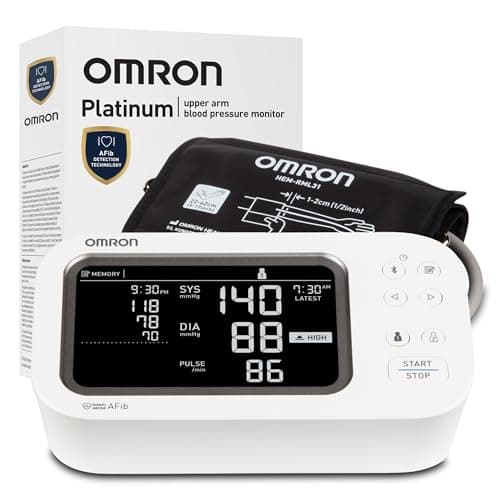
OMRON Platinum Blood Pressure Monitor & Upper Arm Blood Pressure Cuff Review (2026): Specs, Pros & Cons, and Who It's For
The OMRON Platinum Blood Pressure Monitor & Upper Arm Blood Pressure Cuff is built like a serious home-health device rather than a budget gadget. The upper-arm design, wide-range D-ring cuff, and included storage case all point to a product meant for repeat use, not occasional curiosity checks.
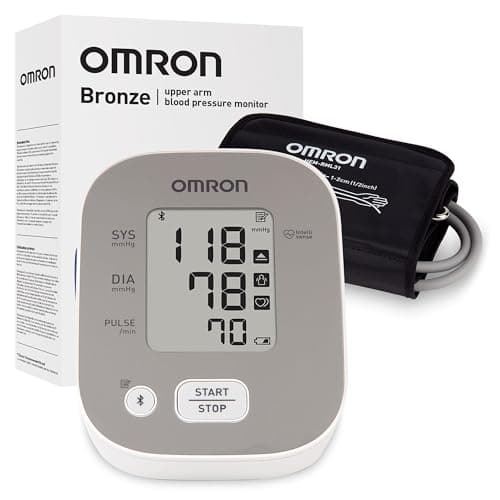
Omron vs Withings Blood Pressure Monitor (2026): Which Should You Actually Buy?
Check Price on Amazon →
How to Choose the Best Blood Pressure Monitor in 2026: Complete Buying Guide
If you’re trying to figure out how to choose a blood pressure monitor , the hardest part is usually not the price—it’s knowing which features actually improve accuracy at home. A bad purchase can give you inconsistent readings, a cuff that doesn’t fit, or a device that’s awkward enough that you stop