
Who this is for: Best for beginners who want a simple, low-stress guide to building a skincare routine in the right order.
Check PriceWhat is How to Build a Skincare Routine? A Complete 2026 Guide
If you’re confused about how to build a skincare routine, you’re not alone. The biggest challenge is usually knowing which products to use, in what order, and how to avoid irritating your skin. This guide breaks the process into a simple, beginner-friendly system so you can build a routine that actually fits your skin and your budget.
Related Reviews
How It Works
A skincare routine works by layering products in a logical order so each step can do its job without blocking the next one. In general, you start with the lightest, most water-based products and move toward thicker creams and oils, while sunscreen always comes last in the morning.
The basic idea is simple: cleanse to remove buildup, treat to target specific concerns, moisturize to support the skin barrier, and protect with SPF during the day. When people ask about how to build a skincare routine, they’re really asking how to combine these steps in a way that’s effective, not overwhelming.
Most routines are built around skin goals rather than trends. For example, someone with dryness may focus on hydration and barrier support, while someone with breakouts may prioritize gentle cleansing and a targeted treatment. The right routine is the one you can repeat consistently.
Key Benefits & Use Cases
A well-built routine can help your skin look and feel more balanced over time. It can also make your products work better because you’re using them in the right order and not piling on unnecessary steps.
- Supports skin health: Cleansing, moisturizing, and SPF help maintain a healthier skin barrier.
- Targets specific concerns: You can tailor your routine for acne, dryness, dullness, sensitivity, or uneven tone.
- Reduces guesswork: A simple structure makes it easier to choose products and stay consistent.
- Helps prevent irritation: Fewer, better-matched products often work better than a crowded routine.
- Fits different lifestyles: A routine can be as short as three steps or expanded as needed.
Common use cases include beginner routines, teen skincare, low-maintenance routines, and routines designed around a specific concern such as oil control or barrier repair. If you’re trying to figure out how to build a skincare routine from scratch, starting simple is usually the smartest move.
What to Look For When Buying
When choosing skincare products, focus on these five criteria instead of chasing the newest trend.
1) Skin type compatibility
Choose products that match your skin’s needs: oily, dry, combination, sensitive, or acne-prone. A great product for one skin type can be too heavy, too stripping, or too active for another.
2) Ingredient simplicity
For beginners, shorter ingredient lists and straightforward formulas are often easier to manage. This is especially helpful when learning how to build a skincare routine without overcomplicating things.
3) Routine role
Every product should have a clear job: cleanse, treat, moisturize, or protect. If two products do the same thing, you may not need both.
4) Tolerance and patch testing
New actives can irritate skin if introduced too quickly. Look for guidance on patch testing and gradual use, especially if you’re sensitive or using stronger ingredients.
5) Value and consistency
The best routine is one you can afford and maintain. A lower-cost, consistent routine often beats an expensive one that you stop using after a week.
Top Recommended Products
Below are a few educational picks from the product list that can help you learn the structure, logic, and habits behind how to build a skincare routine. These are research-based recommendations drawn from published descriptions, reader feedback, and product positioning—not hands-on testing.
The Minimalist Skincare Method: How to Build a Simple, Effective Routine with Fewer Products and Better Results ✓ Prime

This book is a strong fit if you want a simple framework instead of a complicated product list. It focuses on fewer products, better results, and a more sustainable routine, which makes it especially useful for beginners.
- ✓ Emphasizes a minimalist approach to routine building
- ✓ Helpful for readers who feel overwhelmed by too many steps
- ✓ Supports a more sustainable, easy-to-follow routine
- ✓ Prime availability adds convenience
- ✗ Not a product-based routine kit
- ✗ Best for education, not immediate shopping
- ✗ May feel too basic for advanced skincare users
PDRN Toners & Serums Decoded: The "Salmon DNA" Playbook for Elasticity, Pigment & Repair: How to Patch-Test, Stack with Actives, and Build 8-Week Routines (Derm-Informed) ✓ Prime


This is the most specialized option in the list and is better suited to readers who want to understand actives, patch testing, and how to stack products safely. It’s a more advanced educational resource for people building routines around repair and targeted treatment.
- ✓ Explains patch testing and active stacking
- ✓ Useful for readers focused on elasticity, pigment, and repair
- ✓ Includes an 8-week routine framework
- ✓ Prime availability adds convenience
- ✗ Too advanced for absolute beginners
- ✗ Narrower focus than a general skincare guide
- ✗ Not ideal if you only want a basic routine
Skincare: From 0 to Perfect: A Simple, Honest Beginner’s Guide to Healthy Skin, Basic Skincare Routine, Clear Skin Habits & Self-Care for Teens ✓ Prime
This is the most beginner-friendly and budget-friendly option in the list. It’s especially useful for teens or first-time skincare readers who want a clear, low-pressure introduction to healthy skin habits and a basic routine.
- ✓ Very affordable entry point
- ✓ Beginner-friendly and easy to approach
- ✓ Focuses on basic skincare routine habits
- ✓ Good fit for teens and first-time users
- ✗ Less detailed than more advanced guides
- ✗ May not satisfy readers seeking deeper ingredient science
- ✗ Best for fundamentals, not niche concerns
Common Mistakes to Avoid
Even a good routine can fail if it’s built on the wrong habits. Here are the most common mistakes people make when learning how to build a skincare routine.
- Using too many products at once: More steps do not automatically mean better results.
- Skipping sunscreen: Without SPF, your morning routine is incomplete for daytime skin protection.
- Changing products too quickly: Skin often needs time to adjust before you can judge results.
- Mixing too many strong actives: Overloading acids, retinoids, or other actives can lead to irritation.
- Ignoring skin type: A routine should be built around your skin’s actual needs, not someone else’s routine online.
Another common issue is copying a routine without understanding the order. In most cases, you want to apply products from thinnest to thickest, and save sunscreen for the final step in the morning. That simple rule prevents a lot of confusion.
Frequently Asked Questions
1) What is the correct order for a skincare routine?
In the morning, the usual order is cleanser, treatment products, moisturizer, and sunscreen. At night, you typically skip sunscreen and focus on cleansing, treatment, and moisturizer.
2) How many products do I need to start a skincare routine?
You can start with just three: a gentle cleanser, a moisturizer, and sunscreen. That’s often enough for a beginner routine before adding targeted treatments.
3) How do I know which products are right for my skin?
Start by identifying whether your skin is oily, dry, combination, sensitive, or acne-prone. Then choose products that match those needs and introduce them one at a time.
4) How long should I wait between adding new skincare products?
Many people wait one to two weeks between new products so they can see how their skin responds. If you’re using active ingredients, slower is usually safer.
5) Do I really need a morning and night skincare routine?
Not necessarily, but a morning and night routine can serve different goals. Morning routines usually focus on protection, while nighttime routines focus on cleansing and repair.
Pros
- + Simple beginner-friendly framework
- + Explains product order clearly
- + Helps avoid overcomplicating routines
- + Includes affordable educational picks
Cons
- – Not a hands-on product test
- – Some recommendations are books, not skincare items
- – Advanced users may want deeper ingredient detail
Frequently asked questions
- What is the correct order for a skincare routine?
- In the morning, the usual order is cleanser, treatment products, moisturizer, and sunscreen. At night, you typically skip sunscreen and focus on cleansing, treatment, and moisturizer.
- How many products do I need to start a skincare routine?
- You can start with just three: a gentle cleanser, a moisturizer, and sunscreen. That’s often enough for a beginner routine before adding targeted treatments.
- How do I know which products are right for my skin?
- Start by identifying whether your skin is oily, dry, combination, sensitive, or acne-prone. Then choose products that match those needs and introduce them one at a time.
- How long should I wait between adding new skincare products?
- Many people wait one to two weeks between new products so they can see how their skin responds. If you’re using active ingredients, slower is usually safer.
- Do I really need a morning and night skincare routine?
- Not necessarily, but a morning and night routine can serve different goals. Morning routines usually focus on protection, while nighttime routines focus on cleansing and repair.
Get the Full Beauty & Personal Care Buyer's Guide
Join our free newsletter — we'll send our latest Beauty & Personal Care picks, specs and verdicts straight to your inbox.
Free. No spam. Unsubscribe anytime.
Was this review helpful?
Be the first to share your feedback on this review.
Sign in to vote and let us know what you think.
Discussion (0)
No comments yet. Be the first to start the discussion.
Related Reviews
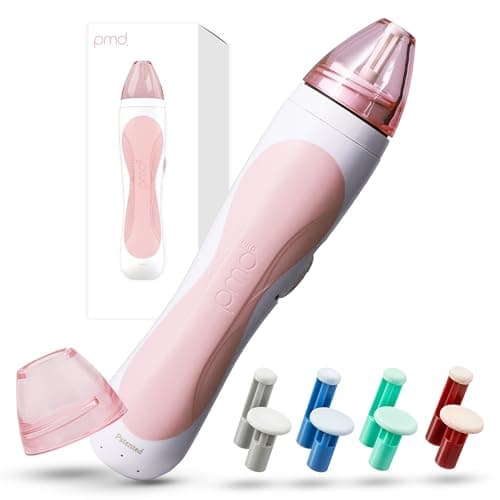
8 Best At-Home Microdermabrasion Machines in 2026 — Smooth, Spa-Like Exfoliation Without the Appointment
If you want brighter-looking skin, fewer clogged pores, and a more polished texture without booking a salon visit, the best at-home microdermabrasion machines 2026 can be a smart buy. The challenge is that not every device delivers the same mix of suction, comfort, portability, and value. This resea
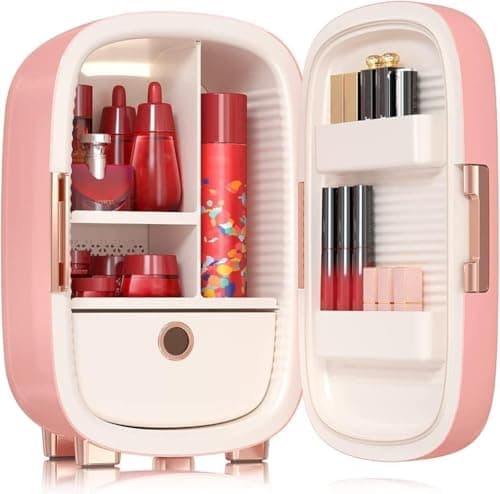
What is a Beauty Fridge Buying Guide for Skincare Storage? A Complete 2026 Guide
A beauty fridge buying guide for skincare storage helps you choose a mini refrigerator that keeps serums, creams, masks, and makeup at a stable cool temperature without wasting money on the wrong features. The challenge is that not every compact fridge is built for cosmetics, and the wrong one can b

How to Choose the Best At-Home Microneedling Pen in 2026: Complete Buying Guide
If you’re trying to figure out how to choose an at-home microneedling pen , the hardest part is not the price tag — it’s knowing which features actually matter for safe, easy home use. The most common mistake buyers make is choosing based on needle depth claims alone, without checking usability, car