

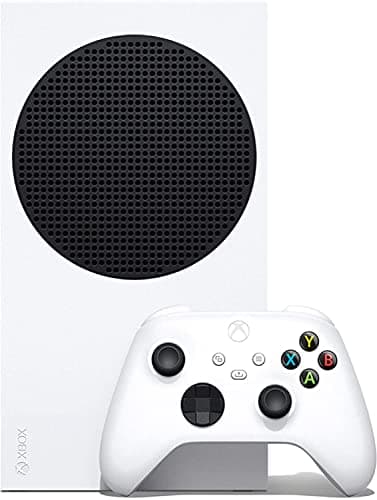
Who this is for: Best for digital-first Xbox buyers who want a simpler, budget-friendly console for Game Pass and everyday gaming.
Check PriceWhat is Xbox Series X vs Series S? A Complete 2026 Guide
If you’re trying to decide between Xbox Series X vs Series S, the real challenge is figuring out whether you need the most powerful Xbox or the best-value, all-digital option. The difference affects game resolution, storage, physical discs, and how much you’ll spend upfront. This guide breaks down the technology, the buying trade-offs, and which option makes the most sense for different types of players.
Related Reviews
How It Works
Xbox Series X and Xbox Series S are both part of Microsoft’s current-generation console family, which means they can run the same core Xbox games and access the same digital ecosystem, including Game Pass, cloud saves, and online multiplayer. The main difference is hardware power: Series X is built for higher-end performance and 4K gaming, while Series S uses a smaller, more efficient design that targets lower resolutions like 1440p.
In practical terms, the console’s processor, graphics chip, memory, and storage all work together to determine how fast games load, how smooth they feel, and how sharp they look. Series X has more graphical horsepower and more storage, so it generally handles demanding games better and leaves more room for large installs. Series S is still fast because it uses the same SSD-style storage concept and modern architecture, but it is tuned for affordability and digital-first play rather than maximum visual quality.
Another major difference is media support. Series X includes a disc drive, so you can play physical games and Blu-ray discs, while Series S is all-digital only. That makes Series S simpler and often cheaper to own over time if you buy most of your games digitally, but Series X gives you more flexibility if you like resale value, used games, or disc movies.
Key Benefits & Use Cases
Here’s where each console tends to make sense:
Xbox Series X
- Best for players who want the highest possible Xbox performance and visual quality.
- Ideal if you have a 4K TV and want games to look sharper and more detailed.
- Useful for people who still buy physical games or want a disc drive for movies.
- Better fit for gamers who install lots of large titles and want more storage headroom.
Xbox Series S
- Best for budget-conscious buyers who want next-gen access at a lower price point.
- Great for digital-only players who use Game Pass and don’t care about discs.
- Works well for smaller TVs, secondary rooms, dorms, and family setups.
- A strong option for casual players who care more about convenience than top-end graphics.
What to Look For When Buying
If you’re comparing Xbox Series X vs Series S, these five criteria matter most:
1. Resolution and visual quality
If you own a 4K TV and want the best image quality, Series X is the stronger choice. If you’re fine with 1440p-class gaming and upscaling, Series S can be perfectly adequate.
2. Disc drive vs digital-only
Series X supports physical discs, while Series S does not. Choose Series X if you want used games, disc-based collections, or Blu-ray playback.
3. Storage capacity
Modern games are huge, so storage matters. Series X generally gives you more room for installs, while Series S’s smaller drive can fill up faster and may require more management.
4. Budget and long-term value
Series S usually wins on upfront cost, but digital-only purchases can reduce your ability to shop used or resell games. Series X costs more, but it may offer better long-term flexibility.
5. Your gaming habits
If you mostly play a few games, stream, or use Game Pass, Series S may be enough. If you play a wide variety of large AAA games and want the best possible Xbox experience, Series X is the safer buy.
Top Recommended Products
X Box Series S All-Digital Console ✓ Prime $475.00
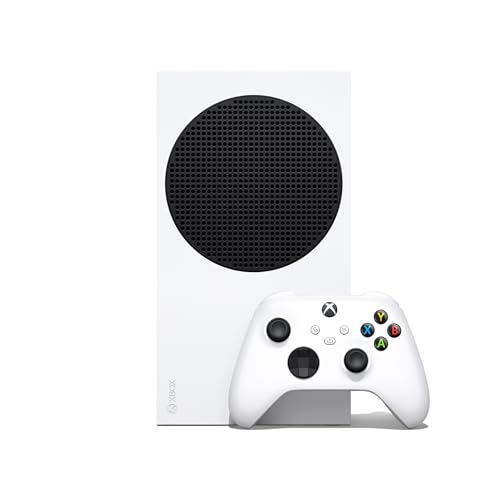


The X Box Series S All-Digital Console is the clearest example of the value-first side of Xbox Series X vs Series S. Based on the published specs, it uses a custom Zen 2 CPU, RDNA 2 graphics, 10GB GDDR6 memory, and a 512GB NVMe SSD, with a gaming target of up to 1440p and 120 FPS support. It is also designed for HDMI Variable Refresh Rate, Auto Low Latency Mode, and AMD FreeSync, which helps make gameplay feel smoother on supported displays.
Because this model is all-digital, it is best for players who are comfortable buying games online and want a simpler setup. It is not the strongest option for 4K-first households, but it can be a smart fit for secondary rooms, smaller TVs, or anyone prioritizing convenience and access to the Xbox ecosystem.
- ✓ All-digital design is simple and convenient for Game Pass and online purchases
- ✓ Supports up to 120 FPS for smoother gameplay on compatible titles
- ✓ 1440p target makes it a solid match for many modern TVs and monitors
- ✓ Includes 512GB custom NVMe SSD for fast loading
- ✓ HDMI VRR, Auto Low Latency Mode, and FreeSync support improve responsiveness
- ✗ No disc drive, so physical games and Blu-ray discs are not supported
- ✗ Less storage than higher-end Xbox models, which can fill up quickly
- ✗ Not the best choice if you want the highest-resolution Xbox experience
- ✗ Digital-only ownership limits used-game savings and resale options
Common Mistakes to Avoid
When comparing Xbox Series X vs Series S, shoppers often make a few avoidable mistakes:
- Buying Series S without realizing it has no disc drive.
- Assuming all next-gen Xbox consoles deliver the same visual quality.
- Ignoring storage needs, especially if you plan to install several large games.
- Choosing based only on upfront price instead of how you actually buy games.
- Overlooking your TV or monitor setup, which affects whether higher-end hardware is worth it.
Frequently Asked Questions
Is Xbox Series X better than Series S?
Yes, Series X is generally better if you want higher performance, 4K gaming, more storage, and disc support. Series S is better if you want a lower-cost, all-digital Xbox.
Can Xbox Series S play the same games as Series X?
Most of the same games are available on both consoles. The difference is usually in resolution, performance, and storage rather than game library access.
Does Xbox Series S have a disc drive?
No, Series S is all-digital only. You can’t use physical discs with it.
Which Xbox is best for a 4K TV?
Xbox Series X is the better fit for a 4K TV because it is designed for higher-resolution gaming and stronger graphics performance.
Is Xbox Series S worth it in 2026?
Yes, if you want an affordable way into the current Xbox ecosystem and are comfortable buying games digitally. It is especially appealing for Game Pass users and secondary setups.
Pros
- + All-digital design is simple and convenient
- + Supports up to 120 FPS on compatible games
- + 1440p target suits many TVs and monitors
- + 512GB NVMe SSD delivers fast loading
- + HDMI VRR and FreeSync improve responsiveness
Cons
- – No disc drive for physical games or Blu-ray discs
- – Less storage than higher-end Xbox models
- – Not ideal for the highest-resolution Xbox experience
- – Digital-only ownership limits resale options
Frequently asked questions
- Is Xbox Series X better than Series S?
- Yes, Series X is generally better if you want higher performance, 4K gaming, more storage, and disc support. Series S is better if you want a lower-cost, all-digital Xbox.
- Can Xbox Series S play the same games as Series X?
- Most of the same games are available on both consoles. The difference is usually in resolution, performance, and storage rather than game library access.
- Does Xbox Series S have a disc drive?
- No, Series S is all-digital only. You can’t use physical discs with it.
- Which Xbox is best for a 4K TV?
- Xbox Series X is the better fit for a 4K TV because it is designed for higher-resolution gaming and stronger graphics performance.
- Is Xbox Series S worth it in 2026?
- Yes, if you want an affordable way into the current Xbox ecosystem and are comfortable buying games digitally. It is especially appealing for Game Pass users and secondary setups.
Score breakdown
- value
- 8.0
- usability
- 8.0
- durability
- 7.0
- performance
- 7.0
- buyerFeedback
- 8.0
Get the Full Tech Buyer's Guide
Join our free newsletter — we'll send our latest Tech picks, specs and verdicts straight to your inbox.
Free. No spam. Unsubscribe anytime.
Was this review helpful?
Be the first to share your feedback on this review.
Sign in to vote and let us know what you think.
Discussion (0)
No comments yet. Be the first to start the discussion.
Related Reviews
What is How to Reduce Input Lag? A Complete 2026 Guide
If your games feel “off,” the problem may be input lag: the delay between pressing a button and seeing the action happen on screen. That delay can make aiming harder, combos less reliable, and everyday navigation feel sluggish. This guide explains how to reduce input lag in plain English, plus what
7 Best Fight Sticks in 2026 — Tournament-Ready Picks for Every Budget
If you’re searching for the best fight sticks 2026 , you probably want one thing: a controller that feels accurate, durable, and worth the money for your favorite fighting games. The problem is that “best” depends on your setup, your budget, and whether you want a traditional stick or a more modern
What is How to Extend PS5 Storage? A Complete 2026 Guide
If your PS5 storage fills up fast, you are not alone. Modern games can take up huge amounts of space, and constant deleting and redownloading gets old quickly. This guide explains how to extend PS5 storage in a simple way so you can choose the right expansion method with confidence.