
Quick Summary
The iPhone 16 Pro is Apple’s incremental-but-meaningful pro-tier phone: a modest design refresh with a faster A18 Pro chip, higher-capacity battery than last year, and refinements to charging and cameras intended for serious daily use. It targets professionals and enthusiasts who want top-of-line performance, a robust camera system, and the longest possible software support window.
If you prioritize raw speed, polished software, and long-term value, the 16 Pro remains a top pick. But if you’re hunting pure value-per-dollar or the most radical hardware changes, there are cheaper, capable Android flagships and even Apple’s standard iPhone 16 to consider. ([macworld.com](
Buy on Amazon: iPhone 16 Pro. Click here
Alternative on Amazon: Nothing Phone 3. Click here
Alternative on Amazon: iPhone 16. Click here
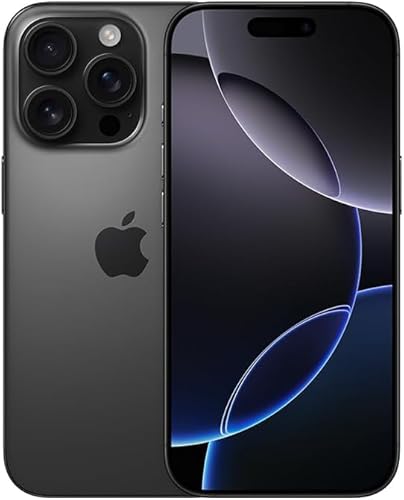
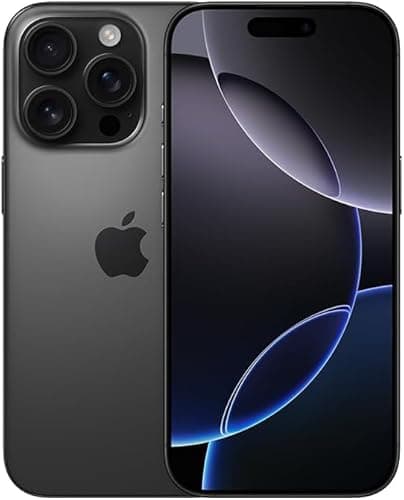
Photo 1: Apple iPhone 16 Pro, US Version, 256GB, Black Titanium - Unlocked (Renewed) product image.
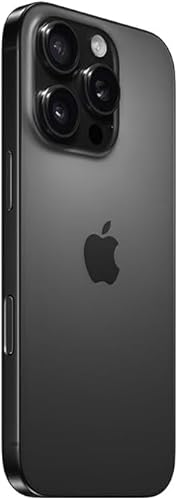
Photo 2: Apple iPhone 16 Pro, US Version, 256GB, Black Titanium - Unlocked (Renewed) product image.
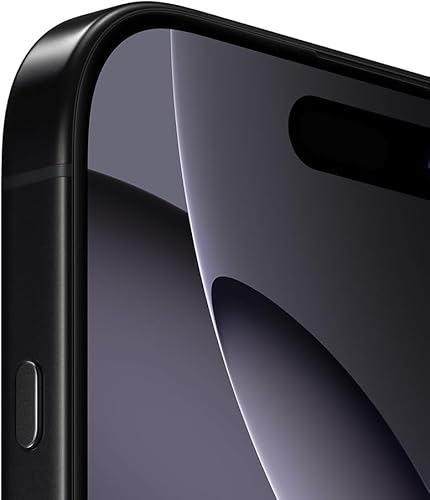
Photo 3: Apple iPhone 16 Pro, US Version, 256GB, Black Titanium - Unlocked (Renewed) product image.
Price Range and Deal Timing
Apple launched the iPhone 16 Pro at a premium price tier with multiple storage points, and street prices have been shifting as newer models land and retailers clear inventory.
• Typical launch pricing (U.S. factory-unlocked): starting around $999 for the 128GB Pro; $1,099 for 256GB; $1,299 for 512GB; $1,499 for 1TB. Expect tax on top of listed prices and carrier deals that change effective cost. ([macworld.com](
• Current market reality: expect to see the model sell between $800–$1,400 on retail/secondary channels depending on storage, condition, and promotions. Heavily discounted units usually appear when Apple introduces a new line or during holiday promo windows. ([kimovil.com](
Deal-watch guidance:
• Buy-now if: you need maximum performance, prefer the Pro-only features (telephoto/Pro camera tools), and find a price within ~10% of launch MSRP for your desired storage tier.
• Wait-for-deal if: you want the best price-per-gig (watch for 512GB/1TB discounts), are considering alternatives, or if a next-gen Apple release is imminent (that typically triggers temporary markdowns).
Technical Snapshot (Practical Numbers)
Core Hardware and Feature Profile
• SoC: A18 Pro — Apple’s highest-performing mobile chip for the lineup, delivering double-digit single- and multi-core gains over the prior generation in early benchmarks. Typical Geekbench-like single-core gains were reported up to ~15–18% in real-world score samples. ([macrumors.com](
• Battery capacity: iPhone 16 Pro’s battery increased to roughly 3,580 mAh (about a 9% uplift vs the prior Pro model), with reported video playback numbers around 27 hours for the Pro models in manufacturer/regulated test claims. Expect practical daily use of 12–16 hours of heavy mixed usage before a top-up is needed. ([macrumors.com](
• Charging: improved wired/wireless peaks — Apple advertises higher MagSafe and USB-C charging ceilings (faster MagSafe and up to mid-40W USB-C peaks under ideal conditions), which shortens top-ups but won’t equal the fastest wired speeds from some Android rivals. ([macrumors.com](
• Storage tiers: 128GB, 256GB, 512GB, 1TB. Pick 256GB if you keep lots of photos and local video projects; 512GB–1TB for heavy ProRes/photography use. ([macworld.com](
• Support window: historically long — Apple devices commonly receive major iOS updates for roughly 5–7 years, with security updates stretching longer in many cases. Plan for at least five major OS updates and extended security coverage beyond that. ([macworld.com](
Performance and Daily-Use Metrics
• Real-world speed: the A18 Pro provides noticeable gains in CPU-bound tasks, app launches, and pro-grade photo/video editing compared with last year. Expect smoother 4K editing timelines, faster export times, and more headroom for computational photography workflows. Benchmarks showed around 15–18% uplift in single- and multi-core scores relative to its predecessor. ([macrumors.com](
• Thermals and sustained load: improved thermal design helps sustain peak GPU workloads longer without excessive thermal throttling, but extended gaming sessions will still draw battery quickly—budget for 30–45% battery loss per hour under intense sustained GPU use depending on settings.
• Battery life: official and third-party tests place the Pro model at around 14–27 hours of specific playback tasks; everyday mixed use will usually land in the mid-teens hour range for a full day. Heavy camera/video users should plan on daily charging or carrying a fast MagSafe/USB-C power bank. ([macrumors.com](
Value and Ownership Math
• Total cost of ownership factors: initial price, storage choice (don’t skimp if you capture ProRes), replacement battery costs after ~3–4 years of heavy use, and trade-in value. With Apple’s software longevity, an iPhone bought now typically remains functionally current longer than similarly priced Android flagships.
• Repairability and resale: expect higher resale compared to non-Apple flagships; repairs (especially screen/battery) are widely available through official and third-party channels for many years after release. ([macworld.com](
Head-to-Head Overview
Against the iPhone 16 (non-Pro), the 16 Pro’s advantages are tangible for creators and power users: a higher-end camera system, Pro-only computational photography features, the A18 Pro’s extra GPU/CPU headroom, and higher storage ceiling up to 1TB.
Against Android rivals like the Nothing Phone 3, the iPhone 16 Pro trades some experimental design and fast wired charging for a steadier software experience, stronger app optimization, and longer OS security support. The Nothing Phone 3 undercuts the Pro on price (starting around $799) while offering a big battery and unique visual design language; it’s a strong value pick if you prioritize style and raw battery life over the iOS ecosystem’s integration. ([techadvisor.com](
Who Should Buy This
• Mobile creators who shoot a lot of ProRes or need fast local video editing.
• Users who want the longest iOS update runway and higher resale value.
• Professionals who use resource-heavy apps and expect top sustained performance.
• Buyers who value Apple-exclusive features like Pro camera modes and the cleaner ecosystem.
Comparison Snapshot
If you’re deciding between the iPhone 16 Pro, iPhone 16, or an Android flagship:
• iPhone 16 Pro vs iPhone 16: Choose Pro for telephoto/Pro camera modes, A18 Pro performance, and 1TB option. Choose standard 16 for lower cost and very similar daily experience if you don’t need Pro imaging or maximum CPU/GPU headroom. ([macworld.com](
• iPhone 16 Pro vs Nothing Phone 3: Choose the Pro for app ecosystem, better long-term updates, and generally stronger camera software. Choose Nothing for unique design, larger battery cells, and lower entry price if you want a strong Android alternative. ([techadvisor.com](
Buying Advice and Value Check
Short checklist before buying:
• Storage sizing: 128GB is OK for casual users; 256GB is the sweet spot for most; 512GB–1TB for professionals working with large video/photo files. ([macworld.com](
• Battery strategy: if you expect heavy video shooting or gaming, plan for daily charging and consider a MagSafe-compatible 30W+ power brick or 10K–20K mAh USB-C power bank with mid-40W output for fast recharges. ([macrumors.com](
• Timing: look for discounts during major shopping events or when the company next refreshes the lineup. Inventory and discounts vary between retailers; if you see the 16 Pro at ~10–15% off your target storage tier, that’s a good buy threshold. ([kimovil.com](
Buy-now vs wait guidance:
• Buy-now if you need the Pro’s camera and performance today and find the price within ~10% of launch.
• Wait-if you want best price-per-storage or if you can tolerate last-year’s features — new-model introductions often produce brief but meaningful discounts on the previous Pro models.
Final Verdict
The iPhone 16 Pro is a refined and sensible pro-level flagship: it doesn’t revolutionize the category, but it tightens performance, extends battery endurance, and keeps Apple’s strongest mobile software experience at the top of the heap.
For creators and professionals who need the fastest chip, Pro camera work, and maximum software longevity, the iPhone 16 Pro remains one of the most defensible purchases in the premium-phone market. If you’re more price-sensitive or prefer radical hardware experimentation, capable alternatives now offer aggressive value — but they trade off Apple’s app optimization and long-tail software support.
Practical take: buy the iPhone 16 Pro if the Pro features directly solve a real need in your workflow; otherwise, you’ll likely be very satisfied with the standard iPhone 16 or a flagship Android alternative. ([macrumors.com](
FAQ
Q: How long will the iPhone 16 Pro receive iOS updates? A: Apple’s track record suggests major iOS updates for roughly 5–7 years after release, with security patches often extending beyond that window; plan for at least five major OS updates and additional security support. ([macworld.com](
Q: What’s the real battery life I can expect day-to-day? A: Expect mid-teens hours of mixed heavy use (social, web, photos, streaming). For specific playback or light usage scenarios, official figures and tests show significantly higher numbers (video playback claims in the 20–30 hour range under test conditions), but real-world numbers vary with screen-on time and workload. Keep a fast charger or power bank for pro-level workflows. ([macrumors.com](
Q: Is the iPhone 16 Pro worth upgrading from iPhone 15 Pro? A: If you need better battery life, slightly faster CPU/GPU for heavy editing, or the new Pro camera refinements, yes. If your 15 Pro already meets your performance and photo needs, the incremental gains may not justify the cost. ([macrumors.com](
Q: How does it compare on price to top-tier Android flagships? A: The iPhone 16 Pro sits at a comparable premium price point at launch. Some Android flagships undercut it on entry price or offer faster wired charging/spec-for-spec value, but the iPhone’s strengths are sustained performance, software longevity, and ecosystem integration. Watch for periodic discounts that close the gap. ([techadvisor.com](
Q: Any final buying tip? A: Pick your storage intentionally — upgrading later is impossible. If you shoot ProRes or keep lots of local video, budget for 512GB or 1TB. Otherwise, 256GB balances cost and headroom for most users. Keep an eye on retailer promos if price is a primary driver. ([macworld.com](
Where to Check Pricing
Check latest Amazon listing for iPhone 16 Pro. Click here
Get the Full Tech Gadgets Reviews Buyer's Guide
Download our detailed comparison with specs, scores, and our honest verdict — delivered straight to your inbox.
Free. No spam. Unsubscribe anytime.
Was this review helpful?
Be the first to share your feedback on this review.
Sign in to vote and let us know what you think.
Discussion (0)
No comments yet. Be the first to start the discussion.
Related Reviews

OK Fine, LISEN Suction Phone Mount 2026 Auto Vacuum 3.0 Actually Delivers
After weeks of testing, here's why the LISEN Suction Phone Mount 2026 Auto Vacuum 3.0 earned a permanent spot on my dash—and why you might want it too.

I Tested the 5K Digital Camera for Photography - Here's the Truth
Here's what nobody tells you about the 5K Digital Camera for Photography — it fits in a bag, shoots 5K video and 80MP stills, and makes beginner vlogs feel pro.

Pexar by Lexar 11-Inch WiFi Frame: The Honest Truth
For under $199, Pexar by Lexar 11-Inch WiFi Frame delivers surprisingly crisp 2K visuals and easy sharing—one quirky quirk aside, it’s a gift-ready delight for