

If you’re trying to figure out what streaming services are worth it 2026, you’re probably tired of paying for too many apps and still not finding enough to watch. The good news is that the “best” streaming setup is no longer about subscribing to everything—it’s about matching content, price, and viewing habits to your household. This guide explains how streaming services work, what actually makes them worth the money, and how to avoid overpaying for subscriptions you barely use.
Related Reviews
In simple terms, streaming services are online platforms that deliver TV shows, movies, live channels, and sometimes sports or add-ons directly over the internet instead of through cable or satellite. What makes one service “worth it” depends on whether it saves you money, gives you the content you care about, and fits the way you watch. In 2026, the smartest buyers focus on value, not just library size.
How It Works
Streaming services use internet-based delivery to send video to your phone, TV, tablet, or computer in real time. Instead of downloading an entire movie or episode first, your device receives tiny chunks of video continuously, which lets playback start quickly and adjust quality based on your connection.
Behind the scenes, the service stores content on servers and uses apps, smart TV software, or streaming devices to deliver it. Most platforms also use recommendation algorithms to suggest what to watch next, and many now bundle different tiers such as ad-supported plans, premium ad-free plans, and live TV options.
That’s why streaming can feel flexible but also confusing: the same service may offer different prices, different ad loads, and different content libraries depending on your region and plan. In practice, the “worth it” question comes down to whether the service gives you enough watch time per month to justify the subscription cost.
Key Benefits & Use Cases
1. Lower cost than traditional cable
For many households, streaming can be cheaper than a full cable bundle, especially if you only want a few channels or a few specific shows. The biggest savings usually come from choosing one or two services instead of subscribing to several at once.
2. Watch what you want, when you want
Streaming is ideal for people who prefer on-demand viewing. You can pause, resume, binge a season, or cancel after finishing a show, which makes it easier to control spending.
3. Better fit for different viewing habits
Some people mainly want original series, others want live sports, and some just want family movies or kids’ content. Streaming services are worth it when they match a very specific use case rather than trying to be everything for everyone.
4. Easy to combine with free options
In 2026, many consumers build a “hybrid” setup: one paid service, one ad-supported service, and a few free apps. This can be a smart cost-cutting strategy if you rotate subscriptions based on what’s currently worth watching.
5. Good for sharing within a household
Many services support multiple profiles and simultaneous streams, which can make them more cost-effective for families. If several people in one home watch regularly, the per-person value can be strong.
What to Look For When Buying
1. Content library that matches your taste
Don’t pay for size alone. A smaller library with shows, movies, or sports you actually watch is usually more valuable than a huge catalog full of filler.
2. Monthly price and total annual cost
Look beyond the advertised monthly fee. Add up the yearly total, include any premium tiers, and check whether ads are included so you can compare real value.
3. Ad load and plan differences
Some budget plans are cheap because they include frequent ads or reduced features. If ads bother you or you want offline downloads and higher video quality, the more expensive tier may be the better value.
4. Device compatibility and ease of use
A service is more worth it if it works smoothly on your TV, phone, tablet, and streaming device. A clunky app can make even a good content library feel frustrating.
5. Cancellation flexibility and rotation strategy
One of the smartest ways to save money is to subscribe only when a service has something you want to watch. Services with easy cancellation and month-to-month billing are often more practical for budget-conscious users.
Common Mistakes to Avoid
Paying for too many services at once. The most common mistake is stacking subscriptions until the monthly total rivals cable. If you only watch one or two apps regularly, the rest may be wasting money.
Choosing based on hype instead of habits. A service can be popular and still not be right for your household. Always ask whether you’ll use it weekly, monthly, or only for one show.
Ignoring ad-supported tiers. Many users dismiss cheaper plans too quickly. If you don’t mind ads, an ad-supported tier can cut costs significantly.
Forgetting about sports, live events, or local channels. Not every service covers live needs well. If you need sports or live news, check that before subscribing.
Not reviewing subscriptions regularly. Streaming value changes fast as content rotates in and out. A service that was worth it last month may not be worth keeping all year.
Frequently Asked Questions
What streaming services are worth it in 2026?
The ones that match your viewing habits, content preferences, and budget are worth it. For most people, that means choosing a small number of services instead of subscribing to everything.
How do I know if a streaming service is worth the price?
Compare the monthly cost to how often you actually use it. If you watch several times a week and the content fits your interests, it’s usually better value than a service you barely open.
Are ad-supported streaming plans worth it?
Yes, if your main goal is saving money and you don’t mind commercial breaks. Ad-supported plans are often the cheapest way to access a large library.
Should I keep multiple streaming subscriptions year-round?
Only if you use them consistently. Many budget-conscious viewers save money by rotating subscriptions based on what they want to watch each month.
What is the biggest mistake people make with streaming in 2026?
The biggest mistake is paying for too many services without tracking usage. That usually leads to overspending on apps that don’t deliver enough value.
Get the Full Tech Buyer's Guide
Join our free newsletter — we'll send our latest Tech picks, specs and verdicts straight to your inbox.
Free. No spam. Unsubscribe anytime.
Was this review helpful?
Be the first to share your feedback on this review.
Sign in to vote and let us know what you think.
Discussion (0)
No comments yet. Be the first to start the discussion.
Related Reviews

6 Best TVs for Gaming 4K 120Hz 2026 — Smoothest Console Performance and Bright HDR
If you want the best TVs for gaming 4K 120Hz 2026, the challenge is finding a screen that actually delivers low-lag 120Hz gameplay without sacrificing HDR brightness or color. The picks below focus on TVs with native 120Hz panels, VRR/ALLM support, and strong gaming-friendly picture processing. They
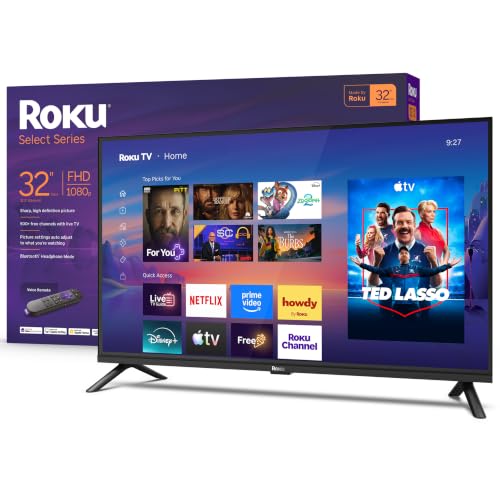
8 Best 32 Inch Smart TVs in 2026 — Best Picks for Small Rooms, Fast Streaming, and Easy Setup
If you’re shopping for the best 32 inch smart tvs 2026, the challenge is finding a small-screen TV that still feels smart, fast, and worth buying. Many 32-inch models look similar on paper, so the real difference comes down to picture quality, streaming platform, ease of use, and how well they fit b
