


Who this is for: Best for premium TV buyers who want a top-tier OLED for movies, gaming, and everyday streaming.
Check PriceSamsung S95C vs Sony A95L (2026): Which Should You Actually Buy?
At a Glance
| Category | Samsung S95C | Sony A95L |
|---|---|---|
| Panel Type | QD-OLED / Samsung OLED technology | QD-OLED |
| Processor | Neural Quantum Processor with 4K upscaling | Cognitive Processor XR |
| HDR Support | Quantum HDR OLED+ | Dolby Vision HDR |
| Smart TV Platform | Samsung smart platform / Gaming Hub | Google TV |
| Audio | Dolby Atmos, Object Tracking Sound+ | Premium TV audio tuning, Dolby support |
| Gaming Focus | Motion Xcelerator Turbo Pro, Gaming Hub | Game Menu, PS5-oriented features |
| Design | Infinity One Design, Slim One Connect | Premium Sony industrial design |
Design
Winner: Samsung S95C
Related Reviews

The Samsung S95C wins design because Samsung’s Infinity One Design and Slim One Connect setup are built to look exceptionally clean in a modern living room. If you care about hiding cables and keeping the setup visually minimal, Samsung has the stronger design story.
✓ Pros
- Infinity One Design looks ultra-slim and modern
- Slim One Connect helps organize cables neatly
- Strong fit for wall-mounted premium setups
✗ Cons
- Design advantages matter less if you use an entertainment console
- Premium styling does not automatically translate to better picture processing
Picture Quality
Winner: Sony A95L


This is the most important category, and the Sony A95L edges it out. Sony’s Cognitive Processor XR is built around lifelike contrast, natural colors, and excellent black detail, while QD-OLED and XR Triluminos Max support a wide color palette with strong brightness.
The Samsung S95C is also outstanding, especially for bright, punchy image output and vivid color. But for buyers who want the most refined, cinematic presentation overall, Sony’s processing usually gets the nod in head-to-head comparisons.
✓ Pros
- Cognitive Processor XR focuses on natural-looking detail
- QD-OLED panel delivers pure blacks and rich color
- Excellent for movies and high-end streaming
✗ Cons
- Premium picture quality comes with a premium positioning
- Some buyers may prefer Samsung’s brighter, punchier style
Gaming
Winner: Samsung S95C

Samsung takes the gaming crown thanks to Gaming Hub and Motion Xcelerator Turbo Pro, both of which speak directly to buyers who want a TV built around fast-paced play and easy access to gaming features. The S95C is the more gaming-forward option overall.
Sony’s A95L is still excellent for gaming, and its Game Menu makes settings easier to manage, especially for PlayStation users. But Samsung’s broader gaming emphasis gives it the edge here.
✓ Pros
- Gaming Hub centralizes gaming access and features
- Motion Xcelerator Turbo Pro is geared toward smooth motion
- Strong fit for multi-console households
✗ Cons
- Gaming-first focus may matter less to movie-only buyers
- Doesn’t match Sony’s cinematic processing strengths
Smart TV Experience
Winner: Sony A95L

Sony’s Google TV platform is the more broadly familiar and flexible smart experience for many buyers. It brings streaming apps together cleanly and adds Google Assistant plus Apple AirPlay support, which makes it easier to integrate into mixed-device households.
Samsung’s smart ecosystem is solid, but Sony’s platform tends to feel more universal and polished for everyday use.
✓ Pros
- Google TV is easy to navigate
- Google Assistant and Apple AirPlay support add flexibility
- Good fit for households with multiple streaming ecosystems
✗ Cons
- Some users may prefer Samsung’s interface and ecosystem
- Smart TV preference is often subjective
Audio
Winner: Samsung S95C
Samsung gets the audio win here because its Dolby Atmos plus Object Tracking Sound+ setup is specifically designed to make sound feel more directional and connected to what’s happening on screen. That can make action scenes and sports feel more immersive without immediately needing a soundbar.
Sony’s audio is premium and well-tuned, but Samsung’s feature set is more explicitly focused on spatial impact.
✓ Pros
- Dolby Atmos support helps create a more immersive soundstage
- Object Tracking Sound+ adds directional realism
- Strong built-in audio feature set for a TV
✗ Cons
- Built-in TV audio still won’t replace a dedicated home theater system
- Sound preference varies based on room acoustics
Value
Winner: Samsung S95C
On value, the Samsung S95C wins because it delivers a lot of the premium QD-OLED experience in a package that is positioned more aggressively than the Sony. If you want top-tier OLED performance without paying for every premium refinement Sony offers, Samsung is the smarter buy.
Sony’s A95L is the more premium-feeling product, but Samsung gives you a stronger value proposition for shoppers who want flagship OLED performance with fewer extras attached to the final decision.
✓ Pros
- Strong flagship-level feature set for the money
- Excellent mix of picture, design, and gaming features
- Better fit for buyers balancing performance and budget
✗ Cons
- Not the most refined option in the comparison
- Premium buyers may still prefer Sony’s all-around polish
Samsung S95C Is the Better Choice If…
- You want the more gaming-focused TV.
- You like a sleek, minimal design with cleaner cable management.
- You prefer a brighter, punchier Samsung-style OLED presentation.
- You want a strong flagship TV that feels easier to justify on value.
- You care about built-in audio features like Dolby Atmos and Object Tracking Sound+.
Sony A95L Is the Better Choice If…
- You want the best overall picture refinement in this matchup.
- You watch a lot of movies and want natural color and contrast.
- You prefer Google TV and a more universal smart platform.
- You want Dolby Vision HDR support in your premium TV setup.
- You’re a PlayStation user who likes Sony’s gaming ecosystem and Game Menu.
Our Final Verdict
Overall winner: Sony A95L. If you want the most polished, cinematic, and premium-feeling TV in this comparison, the Sony A95L is the better buy. Its picture processing, Google TV experience, and premium feature set make it the safer recommendation for most shoppers.
That said, the Samsung S95C is still an excellent choice if your priorities lean toward gaming, design minimalism, and stronger value. In other words: pick Sony for the best all-around home theater experience, and pick Samsung if you want the more gaming-centric and value-friendly flagship.
Frequently Asked Questions
Is the Sony A95L better than the Samsung S95C for movies?
Yes, for most buyers the Sony A95L is the better movie TV because its picture processing is more refined and its overall presentation is more cinematic.
Which TV is better for gaming, Samsung S95C or Sony A95L?
The Samsung S95C is the better gaming pick thanks to Gaming Hub and Motion Xcelerator Turbo Pro, which make it feel more gaming-focused overall.
Does the Sony A95L support Dolby Vision?
Yes, the Sony A95L supports Dolby Vision HDR, which is one reason it appeals strongly to home theater buyers.
Which TV has the better smart TV platform?
The Sony A95L has the edge for many buyers because Google TV is familiar, flexible, and easy to use with Google Assistant and Apple AirPlay support.
Which is the better buy for most people in 2026?
The Sony A95L is the better overall buy for most people, while the Samsung S95C is the better option if gaming and value matter more than absolute picture refinement.
Pros
- + Sony A95L delivers the most refined picture processing
- + Samsung S95C is stronger for gaming features
- + Samsung S95C has a sleeker cable-management design
- + Sony A95L offers Google TV and Dolby Vision HDR
- + Samsung S95C provides better value for many buyers
Cons
- – Sony A95L is the pricier option
- – Samsung S95C is less refined for movies than Sony
- – Smart platform preference is subjective
- – Built-in TV audio still benefits from a soundbar
Frequently asked questions
- Is the Sony A95L better than the Samsung S95C for movies?
- Yes, for most buyers the Sony A95L is the better movie TV because its picture processing is more refined and its overall presentation is more cinematic.
- Which TV is better for gaming, Samsung S95C or Sony A95L?
- The Samsung S95C is the better gaming pick thanks to Gaming Hub and Motion Xcelerator Turbo Pro, which make it feel more gaming-focused overall.
- Does the Sony A95L support Dolby Vision?
- Yes, the Sony A95L supports Dolby Vision HDR, which is one reason it appeals strongly to home theater buyers.
- Which TV has the better smart TV platform?
- The Sony A95L has the edge for many buyers because Google TV is familiar, flexible, and easy to use with Google Assistant and Apple AirPlay support.
- Which is the better buy for most people in 2026?
- The Sony A95L is the better overall buy for most people, while the Samsung S95C is the better option if gaming and value matter more than absolute picture refinement.
Score breakdown
- value
- 8.0
- usability
- 9.0
- durability
- 8.0
- performance
- 9.0
- buyerFeedback
- 9.0
Get the Full Tech Buyer's Guide
Join our free newsletter — we'll send our latest Tech picks, specs and verdicts straight to your inbox.
Free. No spam. Unsubscribe anytime.
Was this review helpful?
Be the first to share your feedback on this review.
Sign in to vote and let us know what you think.
Discussion (0)
No comments yet. Be the first to start the discussion.
Related Reviews

6 Best Mini Portable Projectors in 2026 — Big-Screen Flexibility for Small Spaces
If you want a projector that fits in a bedroom, dorm, RV, or backyard setup without becoming a hassle, the right mini portable model can make movie nights a lot easier. The best mini portable projectors in 2026 balance portability, easy setup, wireless streaming, and enough picture quality for casua
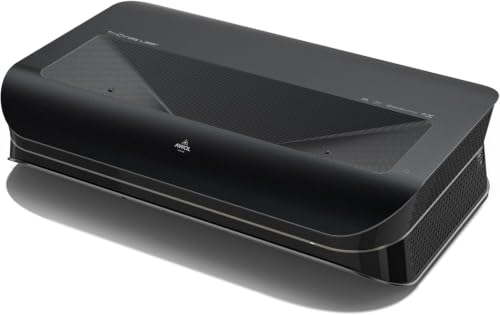
3 Best Short Throw Projectors in 2026 — Ultra-Short-Throw Laser TVs for Big-Screen Home Theater
If you want a massive screen in a small room, the best short throw projectors 2026 are the easiest way to get there without mounting a projector far across the room. This roundup focuses on ultra-short-throw and short-throw models that make sense for apartments, bedrooms, media rooms, and living roo