

Introduction
In today's digital age, a robust and fast internet connection is paramount. With the advent of Wi-Fi 7 technology, the TP-Link Archer BE230 emerges as a frontrunner, promising to revolutionize home networking. This review delves into its features, performance, and how it stands against competitors.
Related Reviews
Key Features of the TP-Link Archer BE230
Wi-Fi 7 Technology: Experience unprecedented speeds and reduced latency with the latest Wi-Fi 7 standard, ensuring optimal performance for bandwidth-intensive applications.
Dual-Band Connectivity: Operates on both 2.4 GHz and 5 GHz bands, providing a combined speed of up to 3.6 Gbps for versatile and efficient wireless communication.
High-Speed Ports: Equipped with two 2.5 Gbps ports and three 1 Gbps ports, facilitating rapid wired connections for devices requiring stable and high-speed internet access.
USB 3.0 Port: Allows for easy sharing of files and media across your network.
2.0 GHz Quad-Core Processor: Ensures smooth handling of multiple tasks and maintains high performance even under heavy network traffic.
Four High-Performance Antennas: Enhances signal strength and coverage, ensuring reliable connectivity throughout your home.
EasyMesh Compatibility: Seamlessly integrates with other EasyMesh-compatible devices to create a unified and expansive network.
HomeShield Security: Offers comprehensive network protection, robust parental controls, and real-time IoT security, ensuring a safer internet experience.
Multi-Link Operation (MLO): Enables simultaneous transmission across multiple bands, enhancing speed and reliability.
Private IoT Network: Provides a dedicated network for IoT devices, ensuring they operate securely and efficiently without interfering with other devices.
Pros and Cons
Pros:
Advanced Wi-Fi 7 Technology: Delivers exceptional speed and performance.
Dual 2.5 Gbps Ports: Supports high-speed wired connections.
Comprehensive Security Features: Includes HomeShield for enhanced network protection.
EasyMesh Compatibility: Allows for seamless network expansion.
User-Friendly Setup: Simplified installation process via the Tether app.
Cons:
Limited Availability of Wi-Fi 7 Devices: To fully utilize its capabilities, compatible devices are required.
Price Point: May be higher compared to other routers without Wi-Fi 7 technology.
Frequently Asked Questions (FAQ)
Q1: What is Wi-Fi 7, and how does it differ from previous versions?
A: Wi-Fi 7, also known as IEEE 802.11be, is the latest wireless standard offering faster speeds, lower latency, and increased capacity compared to Wi-Fi 6 and 6E. It introduces features like Multi-Link Operation (MLO) and 4K-QAM modulation for enhanced performance.
Q2: Can I use the Archer BE230 with my existing devices?
A: Yes, the Archer BE230 is backward compatible with all previous Wi-Fi standards, ensuring it works seamlessly with your existing devices.
Q3: How do I set up the Archer BE230?
A: Setup is straightforward using the TP-Link Tether app, which guides you through the process step-by-step.
Q4: What is EasyMesh, and how does it benefit me?
A: EasyMesh allows you to create a unified mesh network with compatible devices, providing seamless coverage throughout your home without signal drops.
Q5: How does HomeShield enhance my network security?
A: HomeShield offers comprehensive security features, including network protection, parental controls, and real-time IoT security, ensuring a safer internet experience.
Conclusion
The TP-Link Archer BE230 Wi-Fi 7 Router stands as a testament to the advancements in wireless technology, offering unparalleled speed, security, and reliability. Whether you're streaming, gaming, or managing a smart home, this router is poised to meet and exceed your networking needs.
Check current prices and deals on the TP-Link Archer BE230 Wi-Fi 7 Router
Get the Full Tech Buyer's Guide
Join our free newsletter — we'll send our latest Tech picks, specs and verdicts straight to your inbox.
Free. No spam. Unsubscribe anytime.
Was this review helpful?
Be the first to share your feedback on this review.
Sign in to vote and let us know what you think.
Discussion (0)
No comments yet. Be the first to start the discussion.
Related Reviews
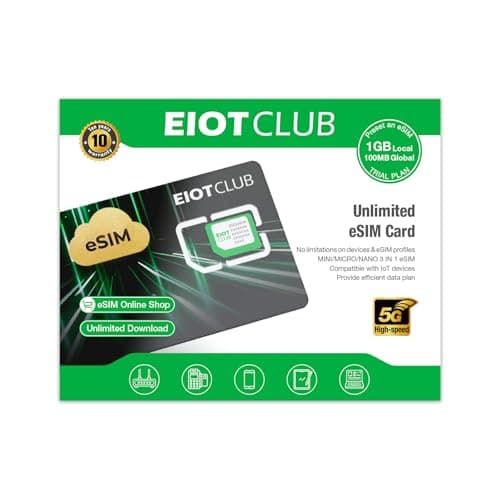
What is eSIM vs physical SIM explained? A Complete 2026 Guide
If you’re confused by eSIM vs physical SIM explained , you’re not alone: the difference affects how you activate service, travel internationally, and switch phones. The short version is that both connect your phone to a carrier, but they do it in very different ways—one is a removable chip, the othe
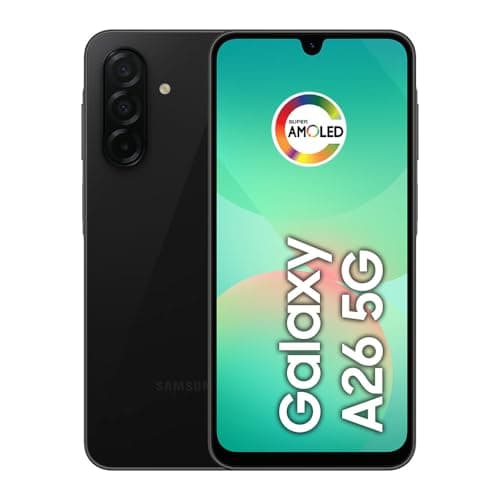
8 Best Dual SIM Phones US in 2026 — Reliable Unlocked Picks for T-Mobile and Global Travel
If you’re searching for the best dual SIM phones US , the biggest challenge is finding models that actually work on U.S. networks without carrier headaches. Many “international” phones support dual SIM on paper, but only a few have the band support, IMEI compatibility, and practical carrier fit that
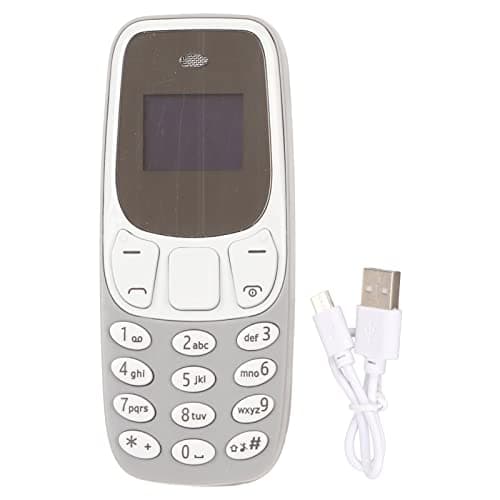
Best Prepaid Phones for Every Budget in 2026: Ranked by Price & Performance
If you’re shopping for the best prepaid phones 2026 , the hard truth is that the cheapest option is often only “good” if you need the absolute basics. The best choice depends on whether you want the lowest upfront cost, a more practical feature phone for calls and media, or the most reliable ultra-b