

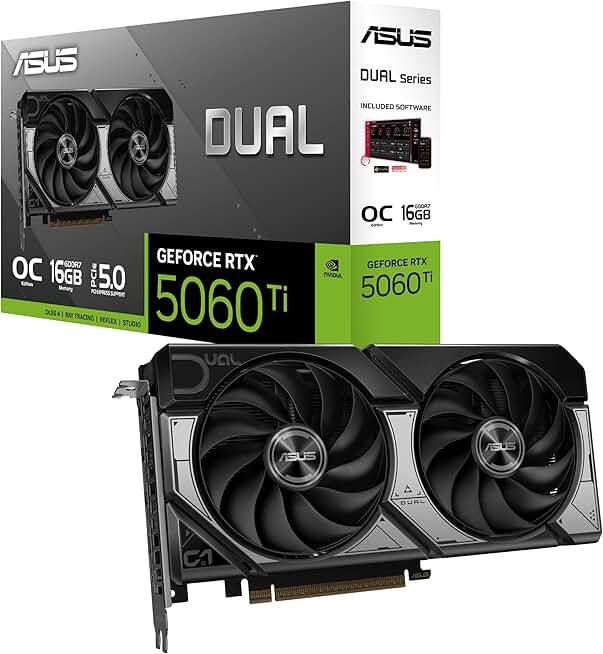
RTX 5090 vs RTX 5080 (2026): Which Should You Actually Buy?
At a Glance
| Specification | RTX 5090 | RTX 5080 |
|---|---|---|
| GPU Model | GIGABYTE GeForce RTX 5090 Gaming OC 24G | GIGABYTE GeForce RTX 5080 Gaming OC 16G |
| Memory | 24GB GDDR7 | 16GB GDDR7 |
| Memory Interface | 384-bit | 256-bit |
| Boost Clock | 2.7 GHz | 2.5 GHz |
| Cooling System | WINDFORCE Cooling with triple fans | WINDFORCE Cooling System |
| PCIe Version | PCIe 5.0 | PCIe 5.0 |
| Price | $2,199.99 (estimated) | $1,499.99 |
Design
The RTX 5090 and RTX 5080 both adopt GIGABYTE’s WINDFORCE cooling system, known for its durability and quiet operation, but the RTX 5090 ups the ante with a triple-fan design compared to the 5080’s dual-fan setup. This not only improves heat dissipation under heavy loads but also supports sustained high performance. Both cards use PCIe 5.0 for future-proofing and feature robust build quality with metal backplates for added durability.
Related Reviews
Winner: RTX 5090 for its enhanced cooling and slightly more refined design.
Performance
When it comes to raw power, the RTX 5090 is in a league of its own. With 24GB of GDDR7 memory on a wider 384-bit bus and a higher boost clock of 2.7 GHz, it delivers significantly better frame rates and ray tracing performance than the RTX 5080’s 16GB 256-bit 2.5 GHz setup. This makes the RTX 5090 ideal for 4K gaming, VR, and demanding creative workflows such as 3D rendering and video editing.
Winner: RTX 5090 for superior specs and unmatched gaming and productivity performance.
Value
Value is subjective depending on budget and use case. The RTX 5080, priced at $1,499.99, offers excellent performance for high-end 1440p and entry-level 4K gaming, making it a more affordable option for gamers who want great performance without breaking the bank. The RTX 5090, while significantly more expensive (estimated around $2,199.99), provides future-proofing and top-tier performance that justifies the price for enthusiasts and creators.
Winner: RTX 5080 for delivering strong performance at a more accessible price point.
Power Consumption & Cooling Efficiency
The RTX 5090 demands more power due to its higher specs but balances this with an advanced triple-fan WINDFORCE cooling system that keeps temperatures in check during intense gaming sessions. The RTX 5080 consumes less power overall and uses a dual-fan cooling system that is quieter but slightly less effective under heavy load. For users concerned with power efficiency and noise levels, the RTX 5080 is a solid choice.
Winner: RTX 5080 for better power efficiency and quieter operation.
RTX 5090 Is the Better Choice If…
- You want the absolute best performance available in 2026
- You’re gaming at 4K or higher resolutions with ray tracing enabled
- You need extra VRAM for professional creative workloads
- You value future-proofing and the latest GPU tech
- You don’t mind paying a premium price for top-tier specs
RTX 5080 Is the Better Choice If…
- You want strong gaming performance without spending over $1,500
- You primarily game at 1440p or are okay with entry-level 4K
- You prefer a quieter, more power-efficient GPU
- You’re looking for a solid all-around card with great cooling
- You want excellent value for high-end gaming and creative tasks
Our Final Verdict
For enthusiasts and professionals who demand the best, the RTX 5090 is the clear winner with its higher VRAM, wider memory bus, and superior clock speeds making it the ultimate powerhouse for gaming and creative work in 2026. However, if budget constraints exist or you don’t need absolute top-tier performance, the RTX 5080 offers excellent value and impressive performance for most gamers and creators.
Frequently Asked Questions
- Is the RTX 5090 worth the price over the RTX 5080?
- Yes, if you need the best possible gaming or creative performance and future-proofing, the RTX 5090 justifies its higher cost.
- Can the RTX 5080 handle 4K gaming?
- Yes, the RTX 5080 can handle 4K gaming but may require some settings adjustments for optimal frame rates.
- Do both cards support PCIe 5.0?
- Yes, both the RTX 5090 and RTX 5080 support PCIe 5.0 for improved bandwidth and future compatibility.
- Which card is more power-efficient?
- The RTX 5080 is more power efficient and runs quieter due to its dual-fan cooling system.
- Are these GPUs suitable for professional creative work?
- Both are great, but the RTX 5090’s larger VRAM and higher specs make it better suited for demanding creative tasks.
Get the Full Tech Buyer's Guide
Join our free newsletter — we'll send our latest Tech picks, specs and verdicts straight to your inbox.
Free. No spam. Unsubscribe anytime.
Was this review helpful?
Be the first to share your feedback on this review.
Sign in to vote and let us know what you think.
Discussion (0)
No comments yet. Be the first to start the discussion.
Related Reviews
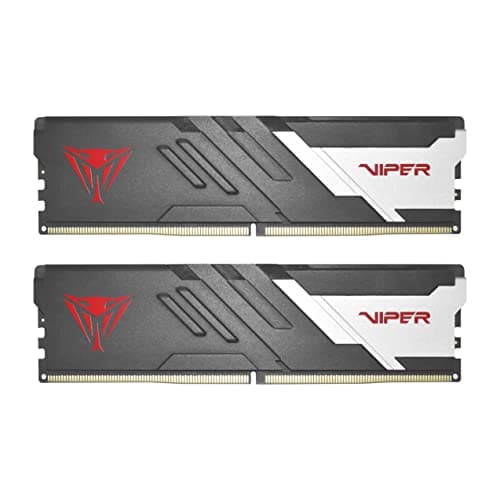
How to Choose the Best RAM for Gaming in 2026: Complete Buying Guide
If you’re trying to figure out how much RAM do you need for gaming 2026 , the answer is simpler than most shoppers expect: for many players, 16GB is still the baseline, but 32GB is the smarter buy for newer AAA games, background apps, and longer upgrade life. The biggest mistake buyers make is overs
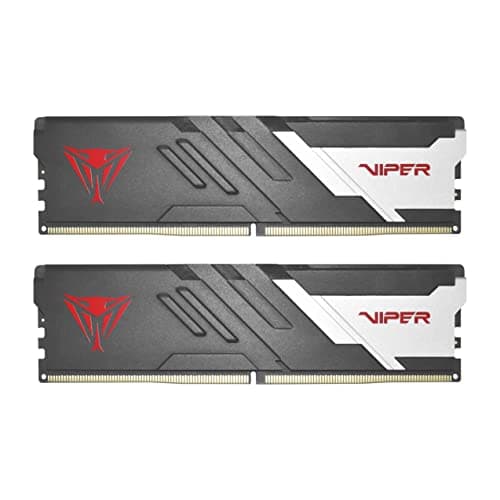
8 Best DDR5 RAM in 2026 — Faster Gaming, Better Multitasking, and Cleaner RGB Builds
If you’re shopping for the best DDR5 RAM 2026 , the challenge is usually not finding memory — it’s finding the right mix of speed, timings, capacity, and platform compatibility without overpaying. This roundup focuses on kits that stand out in published specs, manufacturer tuning claims, and owner f
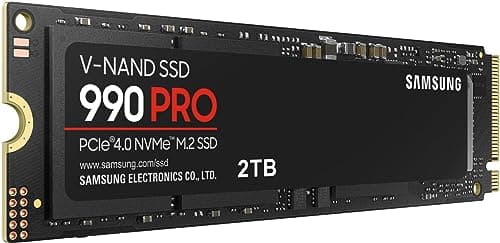
8 Best M.2 SSDs Under $100 in 2026 — Fast Storage Picks for Smarter Upgrades
If you’re searching for the best M.2 SSDs under $100 , you’re probably trying to fix one of three problems: a slow boot drive, not enough game storage, or a laptop that feels older than it is. The challenge is that many “budget” SSD lists are full of drives that look cheap but cut corners on speed,